

Vegan phosphorus sources are plant foods that supply phosphorus, including soy foods, beans and lentils, nuts and seeds, whole grains, edamame, pumpkin seeds, and nutritional yeast. You absorb some of that phosphorus less efficiently than you would from animal foods, so serving size, phytate, and processing all shape what your body actually uses.
This guide covers the plant-based foods that can help vegans meet daily phosphorus needs, with practical picks from seeds, soy, legumes, and whole grains for everyday meals.
Key Takeaways
- Varied meals work because most healthy vegans meet phosphorus needs with seeds, soy foods, legumes, and whole grains.
- Pumpkin seeds stand out because a small handful can deliver more mineral density than a larger scoop of grains.
- Tempeh and tofu add phosphorus with protein, which makes them useful in breakfast, lunch, and dinner.
- Phytate lowers absorption in many plant foods, so the amount on a label is not the same as the amount you use.
- Preparation changes results because soaking, sprouting, and fermenting can loosen some phytate and improve availability.
- Kidney guidance differs because chronic kidney disease can require a lower phosphorus load, especially from phosphate additives.
The foods that deliver the most phosphorus
The strongest choices are dense foods that fit into meals without much volume. Pumpkin seeds, tempeh, tofu, and edamame tend to do more work per serving than a larger portion of rice or bread.
That serving-size tradeoff matters because a tablespoon of topping can change a meal more than a bowl of a low-density staple. A phosphorus foods list is most useful when it reflects what you actually eat, not just a 100-gram comparison.
| Food | Practical serving | Why it stands out |
|---|---|---|
| Pumpkin seeds | Small handful | Very dense, so a little goes a long way. |
| Sunflower seeds | Small handful | Compact source that fits into salads, bowls, and snacks. |
| Tempeh | One serving in a meal | Fermented soy brings protein and a strong mineral load. |
| Tofu | Half cup or more | Flexible, mild, and useful in breakfast, lunch, or dinner. |
| Edamame | One cup shelled | Easy snack or bowl topper with solid phosphorus and protein. |
| Lentils | Half cup cooked | Steady source that also brings iron and fiber. |
| Chickpeas | Half cup cooked | Works in salads, hummus, stews, and roasted snacks. |
| Oats | One bowl of oatmeal | Reliable breakfast base that adds phosphorus across the day. |
| Quinoa | One cup cooked | Higher than many grains and useful in bowls or sides. |
| Brown rice | One cup cooked | Less dense than seeds or legumes, but it adds up. |
Fortified plant milks and nutritional yeast can also contribute, but the amount depends on the product. One carton may add a useful amount while another adds very little, so the label matters more than the package front. That label-reading habit becomes even more useful when you start comparing seed toppings with soy staples.
Practicality often favors those foods, yet soy brings a similar mineral load with a bigger protein payoff.
Seeds, nuts, and nut butters at the top of the list
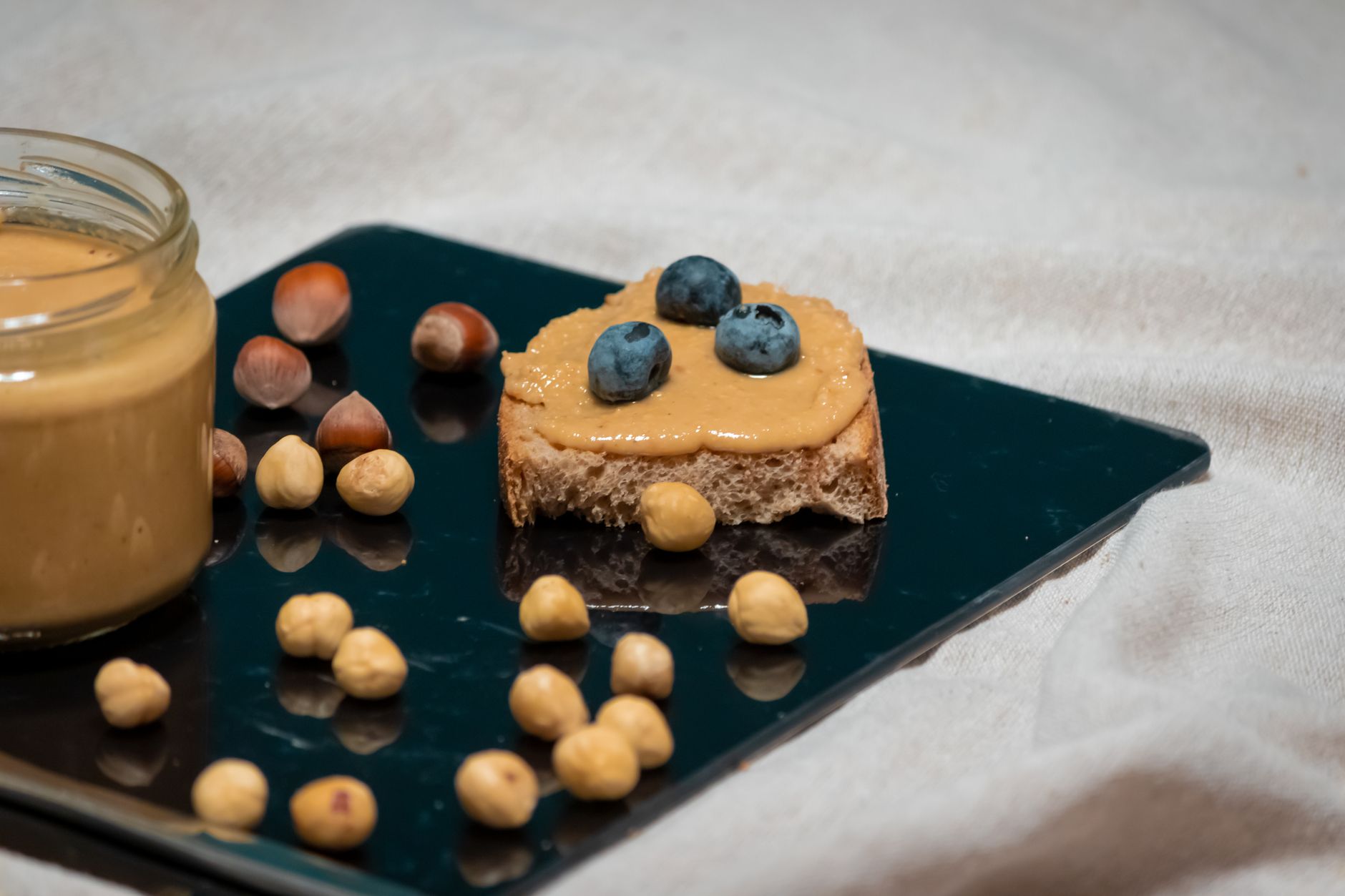
That density is why seeds keep ranking near the top of vegan phosphorus sources. A small scoop of pumpkin seeds or sunflower seeds can raise intake without forcing you to eat a huge portion.
Nuts and nut butters matter too, but the serving size is usually smaller and easier to overlook. Almond butter, cashews, and walnuts can still add meaningful phosphorus, especially when you use them daily in modest amounts.
Pumpkin seeds and sunflower seeds
A small handful can change the mineral profile of oatmeal, a salad, or a grain bowl. Because these seeds are compact, they work as toppings that do real nutritional work without changing the shape of the meal.
Practical point: seed portions are small by weight, so their phosphorus density matters more than their size on the plate. A topping you barely notice can contribute more than a cup of a lower-density food.
Nuts and nut butters
Walnuts, almonds, cashews, and their butters fit best as portion-sensitive add-ons. They contribute more when you use them across the week than when you rely on a single large serving.
Seeds are often the easiest way to raise phosphorus intake without relying on large portions. A spoonful on breakfast or a handful in a snack bar can change the total more than you might expect.
That small-volume advantage is why seeds often beat nuts in practical use. The next section moves to soy foods, where tofu and tempeh bring phosphorus and protein in the same package.
Because they work across meals, grains become an easy way to keep totals rising without much planning.
Soy foods and legumes as everyday workhorses
That same practical pattern shows up in tofu, tempeh, edamame, lentils, chickpeas, and common beans. These foods fit into real meals, not just nutrition charts, and they give you phosphorus, protein, and fiber in the same serving.
Tempeh deserves special attention because fermentation changes the bean structure and often makes the texture firmer and the flavor deeper. Tofu is milder, which helps it fit into soups, stir-fries, smoothies, and scrambled breakfast plates.
Tempeh, tofu, and edamame
Tempeh is pressed soy cake made from cooked soybeans and a starter culture, so it stays compact and nutrient-dense. Tofu is made from soy milk curds, and edamame is the whole immature bean, which gives you a very practical trio for high phosphorus vegan foods.
Processing matters here. Minimally processed soy foods like tofu and tempeh usually carry more useful nutrition than ultra-processed vegan patties that rely on starch, oil, and flavoring but only a modest mineral load. That difference matters because protein-rich foods also tend to anchor a meal better than isolated snacks.
Lentils, chickpeas, and common beans
Lentils and chickpeas are workhorse foods because they show up in soups, stews, salads, and spreads with very little effort. Common beans such as black beans, kidney beans, and pinto beans add the same general value, along with a slower-digesting starch that helps meals hold together.
Example: a bowl of lentils over brown rice, topped with sunflower seeds and a spoon of tahini, gives you four phosphorus sources in one meal. That kind of stacking matters more than chasing a single giant serving.
As a nutrient pattern, legumes matter because they bring phosphorus and protein in the same bite. That makes them easier to use than isolated mineral-rich snacks, and it sets up the next group, where grains quietly fill in the gaps through the day.
Processing changes the picture, though phytate can still hold some of that mineral back from absorption.
Whole grains that add up over the day
That steady pattern is where oats, quinoa, and brown rice earn their place. They contribute less phosphorus per bite than seeds or legumes, but they show up often enough to raise your total across the day.
Grains work best as the base under stronger sources. A breakfast of oats, a quinoa lunch bowl, and a brown rice side at dinner can add a solid total without forcing you to eat giant portions of any one food.
| Grain food | Practical use | Relative phosphorus strength |
|---|---|---|
| Oats | Breakfast bowl | Steady, useful, and easy to pair with seeds or nut butter. |
| Quinoa | Warm salad or side dish | Stronger than many grains and very flexible in mixed meals. |
| Brown rice | Stir-fry base | Lower than quinoa, yet helpful because portions are common. |
| Whole grain bread | Sandwich or toast | Small amounts across the day can add up. |
The bigger point is relative strength. A grain rarely beats seeds or legumes ounce for ounce, but grains often appear beside them, which turns a modest food into part of a larger total. That balance is easier to understand once you look at how phytate changes absorption.
Those absorption shifts matter most when meal planning has to fit both vegan eating and kidney limits.
Plant phosphorus absorption, phytate, and processing
A large share of phosphorus in plants is locked away in phytate, also called inositol hexaphosphate. Your digestive tract cannot release all of it with the same ease seen in many animal foods, so the absorbed share can be lower even when the food label looks generous.
That chemistry matters because phytate acts like a storage shell around the mineral, and humans have limited phytase activity in the gut. Some phosphorus passes through instead of entering circulation, which aligns with guidance from Harvard’s T.H. Chan School of Public Health on phytate and mineral availability.
Animal versus plant sources
Animal foods tend to make phosphorus easier to absorb because the mineral is less tightly bound. Plant foods can still meet needs, but the body may take up a smaller fraction from them, which is why food variety helps.
The practical takeaway is clear: a vegan diet can still supply enough phosphorus for most healthy people, but the food list matters less than the pattern. Seeds, soy, legumes, and grains together work better than leaning on one food alone.
Soaking, sprouting, fermenting, and additives
An overnight soak, a quick sprout, or a few hours of fermentation can reduce some phytate and make minerals easier to release. Those changes do not erase phytate, but they can improve availability enough to matter across a day of eating.
Phosphate additives are the opposite story. Packaged vegan foods with added phosphate compounds can raise phosphorus load fast, especially in convenience products, flavored drinks, and shelf-stable meat substitutes. Large reviews in clinical nutrition literature have flagged this difference between whole foods and additive-heavy products.
Check ingredient lists for words that start with phosph. Those additives absorb far more readily than the phosphorus in whole plant foods, so a processed product can behave very differently from tofu or lentils.
That split between whole foods and additives is where meal planning gets more specific, especially for anyone tracking kidney health or working around a low-phosphorus target. The next section shows how that plays out at the table.
That clarity is what turns scattered food choices into a routine worth sticking with.
Meal patterns for healthy vegans and kidney-conscious readers
That same food list looks different once you build actual meals from it. A breakfast of oats with pumpkin seeds, fortified plant milk, and nut butter can carry a meaningful phosphorus load before noon, while lunch and dinner can keep the total moving.
Healthy vegans can use that pattern to meet needs without chasing exact numbers. Kidney-conscious eaters need a different lens, because phosphorus intake may need more restraint and the source matters as much as the total.
Meal patterns for meeting needs
Start with a base, then layer in a dense source. Oatmeal plus sunflower seeds, a tempeh wrap with chickpeas, or a rice bowl with tofu and beans can turn a normal plate into a reliable mineral source.
Example: a lunch bowl with quinoa, roasted chickpeas, chopped vegetables, and nutritional yeast works because the mineral load comes from more than one food. That spreads intake across the meal instead of placing it on a single ingredient.
Meal patterns for lowering intake
Kidney disease changes the job. In chronic kidney disease, phosphorus can build up because the kidneys clear less of it, so a renal diet may call for fewer phosphate additives, smaller portions of the densest foods, and closer attention to labels.
National Kidney Foundation guidance stresses individualized planning, because a person on dialysis and a person with early-stage kidney disease do not need the same approach. A renal dietitian can help you sort out which vegan foods fit your lab goals and which ones need trimming.
Supplements may enter the conversation only under medical guidance, especially for kidney disease or a confirmed low intake. That choice depends on your labs, your food pattern, and the rest of your medical picture, not on a generic label claim.
Once you know whether your goal is to raise intake or reduce it, the food choices become much easier to organize into a routine.
Final Thoughts
The strongest vegan phosphorus sources are the foods you can actually use often: seeds, soy foods, legumes, and whole grains. Your best results come from pairing them across meals, then adjusting the pattern upward or downward based on kidney status, food processing, and how much phosphorus the body can use.
FAQ
What vegan foods are highest in phosphorus?
Pumpkin seeds, sunflower seeds, tofu, tempeh, edamame, lentils, chickpeas, oats, quinoa, and brown rice sit near the top for everyday use. Seeds and soy foods are the densest, while grains contribute more steadily across the day.
How much phosphorus do vegans need each day?
Needs depend on age, sex, and health status, so a fixed number does not fit everyone. Healthy adults often meet intake through regular meals, but kidney disease, pregnancy, and other medical issues can change the target.
Is plant phosphorus absorbed differently than animal phosphorus?
Yes, plant phosphorus is often less absorbable because much of it is stored as phytate. Fermenting, soaking, and sprouting can improve availability, while animal foods and phosphate additives tend to release phosphorus more easily.
What are the best vegan phosphorus sources for kidney disease?
That answer depends on lab values and the stage of kidney disease. Many people need to limit phosphate additives and watch portions of the densest foods, so a renal dietitian is the right starting point for a safe plan.
Do processed vegan foods contain phosphate additives?
Some do. Ingredient lists with phosphate-based additives can raise phosphorus intake far more than whole foods, so tofu, beans, grains, and plain plant milks usually give you a clearer picture than heavily processed meat substitutes.
