

A 4-ounce steak can deliver more protein per bite than a heaping bowl of beans, which is why amino acid profile and digestibility matter so much. Meat usually delivers a complete protein in smaller portions, while plant foods can still support muscle and health when you plan intake carefully.
You are comparing muscle gain, heart health, fullness, and meal convenience, so the right choice depends on your training, budget, appetite, and diet style.
Key Takeaways
- Both vegan protein and meat can meet protein needs when the rest of your diet is planned well.
- Meat is usually denser and more digestible per serving, while plant foods often bring dietary fiber and less saturated fat.
- Muscle gain depends on total protein, leucine, and training stimulus, not source alone.
- A mix of plant foods can improve amino acid balance across the day.
- A well-planned vegan diet can fit most life stages, though planning demands rise.
- Your best option changes with satiety, convenience, budget, ethics, and kidney health needs.
The Real Differences Behind Protein Quality
Chicken breast, eggs, and fish give you a full set of essential amino acids in one serving. That matters because protein quality depends on amino acid profile, protein digestibility, and how much usable protein you get from each portion.
You can see the difference most clearly in serving size and absorption, because 25 grams from one food does not always behave like 25 grams from another. That same comparison helps explain why meat protein quality often looks stronger on paper and in practice.
Completeness Starts With Amino Acids
Meat protein quality is strong because animal protein is usually a complete protein, meaning it supplies all nine essential amino acids. Soy is the standout plant exception, since tofu, tempeh, soy milk, and edamame can also cover the full set.
Many other plant proteins are lower in one or two amino acids, such as lysine in grains or methionine in beans. That does not make them weak; it means your day matters more than one meal, and food pairings start to count.
Digestibility Changes The Numbers You See
Animal protein is usually more digestible than many plant proteins because plant cell walls, dietary fiber, and some natural compounds slow enzyme access. Your body still absorbs plant protein, but a larger share may pass through before digestion finishes.
Researchers often use measures such as PDCAAS and DIAAS to score protein quality. Those scores help because two foods can show the same protein grams on a label while delivering different amounts of usable amino acids.
Protein Density Decides What Fits On The Plate
Meat packs more protein into a smaller serving, which is why a 4-ounce portion can do the work of a much larger bowl of beans. That density helps on busy days, during bulking, or any time appetite runs low.
Plant protein can still work well when total intake is planned. Soy-based foods, lentils, peas, seitan, and blended meals can close the gap without much trouble, especially across a full day rather than a single sitting.
| Food | Amino Acid Profile | Digestibility | Practical Use |
|---|---|---|---|
| Chicken breast | Complete | High | Dense choice for meals with low appetite |
| Eggs | Complete | High | Strong breakfast or post-workout option |
| Tofu | Complete | Moderate to high | Flexible plant staple for mixed meals |
| Beans and rice | Complementary across the day | Moderate | Useful for budget meals and steady fullness |
| Seitan | Low in lysine | Moderate | Dense protein source that pairs well with legumes |
PMC reviews and systematic meta-analyses keep landing on the same point: protein quality is not a single number. The amino acid pattern and digestibility score both shape how much of a food counts toward muscle protein synthesis.
Repeated amino acid exposure only matters if the source can deliver enough of the key building blocks.
Muscle Gain Depends On Dose, Leucine, And Training
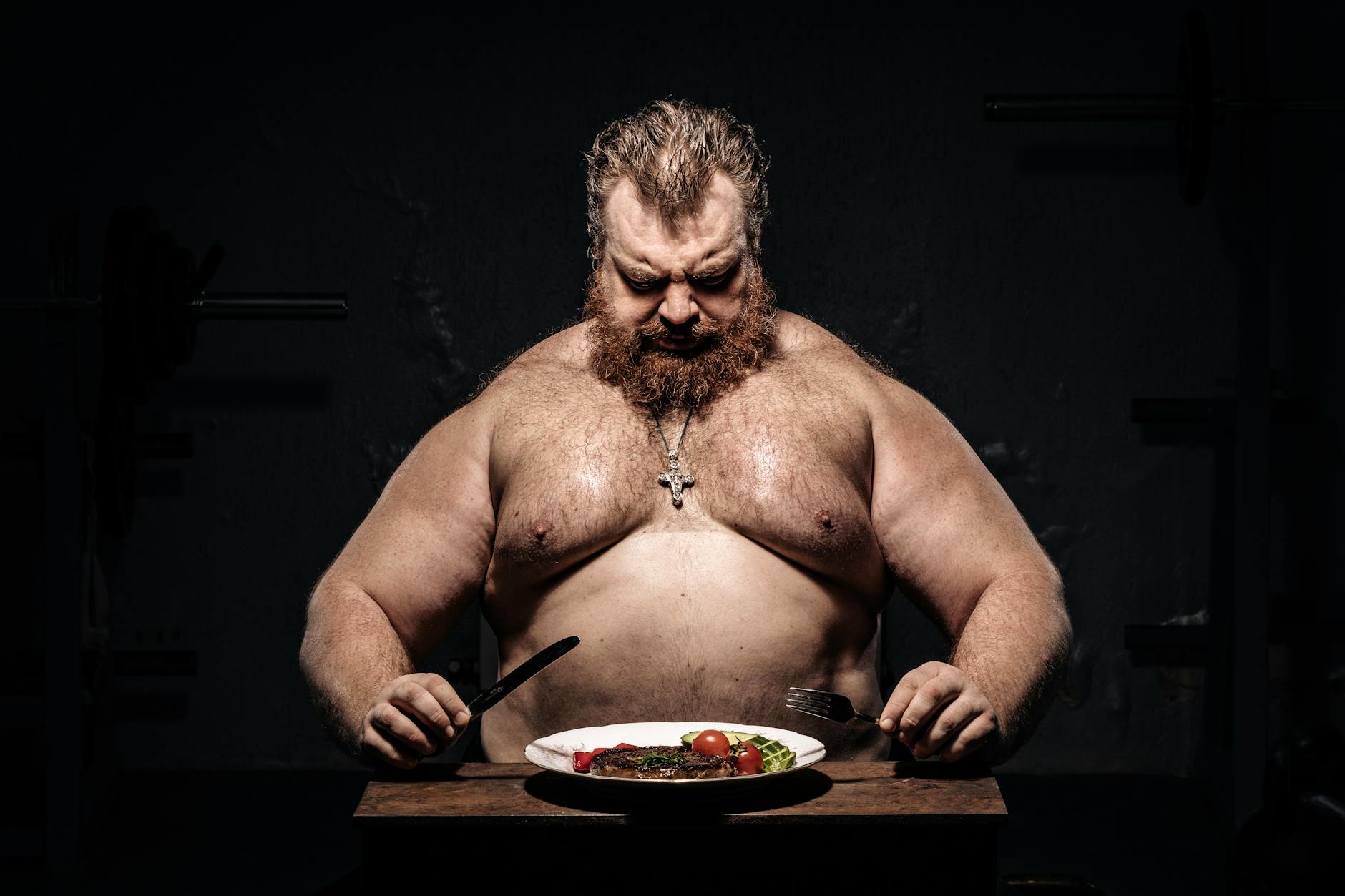
For muscle gain, the question is not whether a food is plant or animal. The real issue is whether each meal delivers enough essential amino acids to trigger muscle protein synthesis after training.
Leucine acts like a biochemical starter switch. Once enough leucine reaches the bloodstream, it helps signal the muscle-building machinery, including the mTOR pathway, to ramp up repair and growth after resistance exercise.
The Leucine Threshold Shapes Meal Size
Meat, eggs, dairy, and fish usually reach that threshold with smaller portions because they are dense and complete. Many plant foods can still get there, but you may need a larger serving or a smarter mix of foods to reach the same signal.
That difference is why plant protein vs animal protein for muscle gain often comes down to portion size and meal design, not willpower. A 30-gram serving from one source may hit the leucine threshold more easily than the same 30 grams from another.
| Protein Source | General Leucine Density | Meal Impact | Practical Take |
|---|---|---|---|
| Whey, dairy, eggs | High | Small servings can trigger muscle protein synthesis | Useful after lifting or during appetite dips |
| Chicken, turkey, fish | High | Dense per serving and easy to portion | Works well for lean mass goals |
| Soy foods | Moderate to high | Often strong enough with normal portions | Best plant option for building muscle |
| Beans, lentils, grains | Moderate or lower | Need larger portions or pairing | Useful across the day, less so in one small meal |
That gap does not stop vegan protein for building muscle from working. It changes the tactic, since you may need more total food, more total protein, or a blend of sources that improves amino acid balance and meal quality.
Training Stimulus Still Sets The Ceiling
A perfect protein plate cannot rescue a weak lifting plan. Progressive resistance work creates the signal that tells muscle tissue to adapt, and protein only supplies the raw material after that signal lands.
For that reason, plant protein vs animal protein for muscle gain is less about a food fight and more about logistics. Meat makes it easier to hit the target in fewer bites, while plant protein can get there with planning, repetition, and portions that fit your appetite.
University of Georgia nutrition educators often stress a useful point: the day matters as much as the meal. That matters because your muscles respond to repeated exposure to amino acids, not a single perfect plate.
Those trade-offs look different once digestibility and absorption start changing the numbers on the label.
Plant Proteins That Do The Heavy Lifting
Tofu on Tuesday, lentils on Wednesday, and seitan in a stir-fry can cover a lot of ground. The trick is knowing which foods are complete, which are limited, and which pair neatly enough that the missing amino acids stop mattering.
You can build a strong vegan pattern by treating soy, legumes, grains, and wheat gluten as a system instead of separate food islands. That approach gives you better coverage of essential amino acids without forcing every meal to be identical.
Soy Foods Carry The Most Weight
One cup of tofu can pack a surprisingly complete amino acid profile, making soy the closest plant-based stand-in for meat protein quality. Tofu, tempeh, edamame, and soy milk give you complete protein, and their texture makes them easy to plug into breakfast, lunch, or dinner.
Tempeh brings a firmer chew, tofu adapts to nearly any sauce, and edamame works well as a side or snack. Those details matter because your best protein source is the one you can repeat without hating the menu.
Legumes And Grains Work Best Together
- Beans plus rice bring lysine and methionine together in a practical, familiar meal.
- Lentils plus bread give you a fuller amino acid pattern at lunch or dinner.
- Peas plus grains work well in soups, salads, and grain bowls.
- Hummus plus pita helps snacks carry more protein than either food alone.
- Peanut butter plus oats adds a little more protein and useful calories for active days.
Seitan And High-Protein Grains Fill Gaps
Seitan is made from wheat gluten, so it is rich in protein but low in lysine. That makes it a strong base for a meal that also includes beans, soy, or lentils, because the combined amino acid pattern improves fast.
Quinoa, oats, and higher-protein pastas do not match meat gram for gram, yet they still help your total intake. A breakfast bowl with oats, soy milk, and nut butter can carry more protein than a plain cereal bowl and keeps you fuller longer.
Healthline and WebMD both frame plant protein and animal protein this way for a reason: the source matters, but the meal pattern matters more. That is where the health trade-offs become easier to judge.
What survives digestion matters most, and that same idea reshapes how protein quality affects health outside training.
Digestibility, Absorption, And Why Numbers Can Mislead
A food label shows protein grams, not how much your body can use after digestion. That matters because animal protein vs plant protein absorption differs in the gut, and fiber, structure, and processing all change the result.
Soaking, fermenting, blending, and cooking can change the outcome before the meal even reaches your stomach. Those small preparation steps matter because they can improve plant protein digestibility without changing the grocery list.
Absorption Happens In Steps
Stomach acid unfolds protein strands, then enzymes in the small intestine split them into amino acids and small peptides. Meat proteins are often easier to break down because they lack the fiber matrix that slows plant proteins.
That does not mean plant protein disappears into waste. It means digestion takes more work, and the usable share may be lower for some sources, especially when foods are minimally processed or very fibrous.
Cooking, soaking, fermenting, and blending can make plant protein easier to use because they change the food structure before digestion starts.
Processing Can Raise Usable Protein
Tofu, soy yogurt, textured soy, and protein-fortified pasta are useful because processing can improve digestibility. In contrast, intact beans and whole grains still deliver protein, but some of that protein arrives with more fiber and more chewing work.
A lower digestibility score does not make vegan protein ineffective. It means your margin for error shrinks, so total intake, food variety, and meal design matter more than they do in a meat-heavy pattern.
Protein Quality Scores Put The Difference Into Numbers
PDCAAS and DIAAS are lab tools that compare amino acid supply with digestibility. Meat often scores near the top because it supplies complete amino acids in a form the body can use efficiently, while several plant proteins land lower for predictable reasons.
That score helps explain why 30 grams of one food can act differently from 30 grams of another. The label says the same thing; your body does not always get the same result.
ScienceDirect reviews and randomized controlled trials keep pointing to the same mechanism: the source matters less than the usable amino acids that survive digestion. That leads directly to the real-life trade-offs outside the gym.
When the margin for error shrinks, food choice starts to depend on whether the goal is efficiency or flexibility.
Health Trade-Offs Beyond The Protein Count
Lean steak and lentils can both fit into a healthy menu, but they do not bring the same nutrient package. Plant-forward diets often bring more dietary fiber and less saturated fat, while meat can supply denser amounts of B12, heme iron, and zinc.
You may notice the trade-off most on busy weeks, because fiber improves fullness while meat often wins on convenience and compact protein delivery. That balance matters for weight control, blood lipids, and the foods you can actually repeat.
Plant Foods Change The Fat And Fiber Picture
Dietary fiber slows digestion and helps meals feel more filling, which can help with weight control or late-night snacking. Plant proteins also tend to carry less saturated fat than many meat choices, especially fatty cuts and processed meat products.
That mix can work in your favor during cutting, when satiety matters and calories need a tighter leash. It can also help with day-to-day cholesterol management, though a full diet pattern matters more than a single plate.
Meat Brings Certain Micronutrients More Directly
Vitamin B12 comes naturally from animal foods, and heme iron from meat is easier for the body to absorb than non-heme iron from plants. Zinc is also easier to secure from many meat choices, which is useful for anyone with narrow food options.
Those micronutrients matter because low intake can leave your meals looking protein-rich on paper while still missing key pieces. A vegan diet can meet those needs too, but it usually takes a wider mix of foods and more attention to planning.
Planning Demands Rise On Plant-Only Patterns
A vegan pattern can meet protein needs at most life stages, including adulthood and active training years, but the margin for variety is smaller. You have to think about soy, legumes, grains, seeds, and fortified foods as a system rather than as isolated items.
That system works well for many people, yet the downside of plant protein shows up as more planning, more volume, and more chances to miss a nutrient along the way. That pressure becomes clearer once the conversation turns to specific goals.
That balance works best when the week’s meals are built around what fits your appetite, budget, and routine.
| Nutrient Angle | Plant-Forward Pattern | Meat-Forward Pattern |
|---|---|---|
| Saturated fat | Usually lower | Depends on cut, often higher |
| Fiber | Usually higher | Very low |
| Vitamin B12 | Needs fortified foods or careful planning | Often present naturally |
| Heme iron | Absent | Present in animal foods |
| Zinc | Present, but absorption can vary | Often more accessible |
Where Vegan Protein Fits Best, And Where Meat Still Has An Edge
A bowl of lentils may fit one goal better than a steak, while a chicken breast may fit another. The best choice changes with heart health, weight management, bulking, endurance work, appetite, and kidney health.
You get the clearest answer by matching the protein source to the job, because plant protein vs animal protein for muscle gain is not the same question as which pattern feels easiest at dinner. Convenience, satiety, and cost all matter alongside nutrient density.
Goal-Based Choices Make The Decision Easier
| Goal | Better Fit Often | Why It Fits |
|---|---|---|
| Heart health | Plant protein | More fiber and less saturated fat can help the wider diet pattern |
| Weight management | Either, with plant meals often filling more | Fiber can improve satiety, while meat can control portions easily |
| Bulking | Meat or mixed meals | Protein density makes it easier to hit high totals without huge volume |
| Endurance training | Either | Total protein and total calories matter more than source alone |
| Healthy aging | Mixed pattern or carefully planned vegan pattern | Enough protein per meal matters more as appetite and intake can drop |
Convenience And Appetite Matter More Than Theory
Meat has an edge on busy days because a small serving can carry a lot of protein with little chewing and little volume. That can help older adults, hard gainers, or anyone with a small appetite reach a target without feeling stuffed.
Plant protein can be enough for many of those same goals, but the meal may need tofu, soy milk, beans, and grains working together. For some people, that is easy; for others, it means more planning than the week allows.
Kidney Health Needs Individual Guidance
Kidney health changes the picture because protein targets can differ for people with chronic kidney disease or reduced kidney function. A general protein comparison does not replace individualized guidance from a qualified clinician or renal dietitian.
That caution matters because a diet that suits a healthy lifter may not suit someone managing lab values or fluid limits. The same food can be fine for one person and poorly matched for another, so personal context beats internet rules.
Flexible diet patterns often work best here. Some meals can lean plant-based for fiber and satiety, while other meals can use meat for density, micronutrients, or convenience, and that mix leads naturally into daily planning.
Consistency usually wins over perfection, which is the simplest lesson to carry forward.
Building A Practical Protein Pattern For Real Life
Breakfast, lunch, dinner, and snacks each give you a different chance to cover amino acids. You do not need every meal to be perfect; you need the day to carry enough total protein and enough variety to fill the gaps.
You also get more control when you spread protein across the day instead of saving it for one huge dinner. That pattern matters because muscle protein synthesis responds better to repeated protein exposure than to a single spike.
Spread Plant Foods Across The Day
- Start with soy at breakfast, such as tofu scramble or soy yogurt with oats.
- Use legumes at lunch in bowls, soups, or wraps that also include grains.
- Add a grain pairing at dinner, such as rice with beans or pasta with lentils.
- Use snack protein from edamame, roasted chickpeas, or hummus with whole grains.
- Fill gaps with variety by rotating lentils, peas, tofu, tempeh, and seitan through the week.
Mixed Meals Work Well For Flexitarians
Some people want both plant protein and meat protein without leaning hard in one direction. In that case, a lunch of salmon with farro and greens or a dinner of chicken with beans and vegetables gives you density, fiber, and a wider amino acid spread.
That pattern also helps budget and taste fatigue. Meat becomes a tool instead of the whole plan, and plant foods stay in the mix for fullness, texture, and micronutrient variety.
A Simple Decision Path Keeps Choices Grounded
Choose the protein pattern that fits your training, appetite, budget, digestion, ethics, and cooking routine, then adjust the rest of the menu around it.
Vegan protein vs meat is not a contest with one permanent winner. Meat wins on density and ease, plant protein wins on fiber and lower saturated fat, and a mixed plan can borrow the strongest parts of both.
You can also use budget as a practical filter, because tofu, beans, eggs, chicken, and canned fish do not cost the same and do not serve the same role. That is why the smartest choice is usually the one you can repeat three or four times a week without friction.
What To Remember
The most useful comparison is not “plant good, meat bad” or the reverse. You get better results by matching protein source to the job in front of you, because amino acid profile, protein digestibility, and portion size all shape the real outcome.
That framework keeps the decision grounded in muscle gain, health, appetite, and convenience instead of internet slogans. It also sets up the final answers to the questions people ask most often.
FAQ
Is vegan protein as good as meat protein?
With enough total protein, variety, and a solid soy or legume foundation, a vegan diet can perform just as well in the kitchen and beyond. Meat still has an edge in completeness and digestibility per serving, so the easier choice depends on your goals and meal pattern.
Can you still build muscle with plant protein?
Yes, and the main keys are enough total protein, enough leucine, and hard resistance training. Soy foods, legumes with grains, seitan with complementary foods, and well-planned plant meals can all fit muscle gain, though portions may need to be larger than meat-based meals.
What is the downside of plant protein?
The main downside is planning. Many plant proteins bring lower digestibility, lower protein density, or a less complete amino acid pattern, so you may need larger portions, more food variety, and more attention to B12, iron, zinc, and total intake.
Which is better for muscle gain, plant protein or animal protein?
A chicken breast often gives athletes more protein and leucine in a smaller serving, which can make muscle-building meals easier to assemble. Plant protein can still work well, especially soy-based meals, but it often takes more planning to reach the same meal signal.
Is plant protein harder to absorb than meat protein?
In many cases, yes, because fiber and plant structure can slow digestion. That does not make it poor quality, only different, and cooking, soaking, fermenting, and blending can improve how much your body can use.
Is vegan protein okay if you have kidney disease?
Kidney health needs individualized guidance, since protein targets and mineral needs can change with diagnosis and lab results. A clinician or renal dietitian can help you judge whether a vegan pattern, a mixed pattern, or another protein target fits your situation.
