

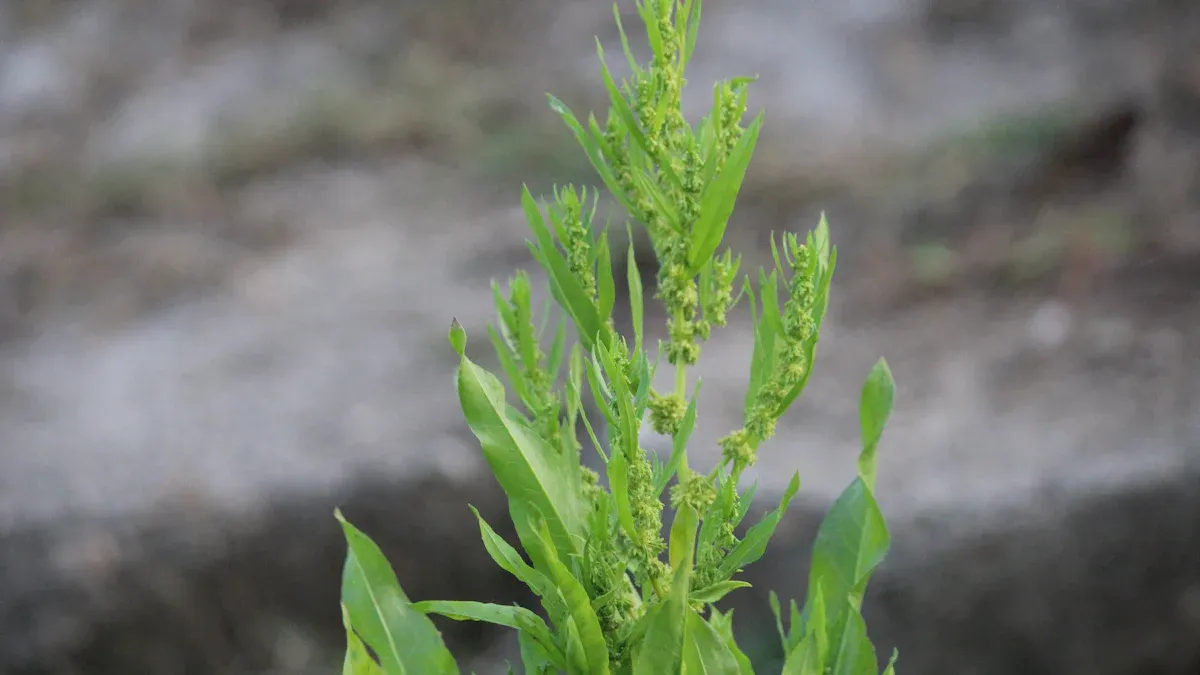
Epazote is a leafy herb known as Mexican tea. You find it in traditional Mexican dishes, including mole, tamales, and soups. The plant gives a strong aroma that stands out in recipes with beans. People value epazote for its unique taste and potential health benefits. Studies show that its essential oils help fight parasites and support your digestive system. You can also see moderate antioxidant effects when you use its leaves and stems.
Key Takeaways
Epazote is a nutrient-rich herb that supports digestion and reduces bloating, especially when added to bean dishes.
This herb contains essential vitamins and minerals, including calcium and iron, which help maintain bone health and prevent anemia.
Epazote has a unique flavor profile, combining citrus and herbal notes, making it a great addition to traditional Mexican recipes.
Use epazote in moderation to avoid potential toxicity; traditional infusions are safer than essential oils.
Growing epazote at home is easy; it thrives in well-draining soil and requires full sunlight for optimal growth.
Epazote Overview

History
Epazote has a long history in Central and South America. You find its roots in indigenous cultures, especially in southern Mexico and the Yucatan Peninsula. The name “epazote” comes from the Nahuatl language, showing its deep connection to native traditions. People have cultivated this herb for generations, using it in both cooking and medicine. You see epazote featured in ancient recipes and remedies, passed down through families.
Description
Epazote stands out in your garden with its unique look. The plant grows as a perennial in warmer zones and as an annual in cooler areas. You can expect it to reach heights of 2 to 4 feet and spread about 1.5 feet wide. The leaves are lance-shaped or narrowly ovate, measuring 1.5 to 4 inches long and 0.5 to 1 inch wide. Leaf margins often appear serrated, especially near the tip. The stems grow erect and branched, sometimes showing reddish or purplish hues. Flowers are small and clustered, usually greenish or whitish. Epazote can spread quickly, so you may notice it becoming invasive if left unchecked.
Tip: If you want to identify epazote, look for its dark green leaves with a matte finish and its strong, pungent aroma.
Characteristic | Description |
|---|---|
Scientific Name | Dysphania ambrosioides (formerly Chenopodium ambrosoides) |
Growth Habit | Perennial in zones 8 to 10; annual in zones 2 to 7 |
Height | 2 to 4 feet tall when mature |
Width | Spreads about 1.5 feet |
Leaf Shape | Lance-shaped or narrowly ovate |
Leaf Size | Length: 1.5 to 4 inches; Width: 0.5 to 1 inch |
Leaf Color | Dark green to reddish-green, often with a matte finish |
Flower Structure | Small, inconspicuous, clustered in small, axillary spikes, typically greenish or whitish |
Stem Characteristics | Erect, branched, can have reddish or purplish hues |
Invasive Nature | Can spread quickly and may become invasive in unmaintained gardens |
Culinary Uses | Used for flavoring, particularly in Mexican cuisine |
Traditional Uses
You find epazote in many traditional dishes from central and southern Mexico and Guatemala. People add it to black beans to boost flavor and reduce flatulence. You also see it in quesadillas, sopes, soups, and enchiladas. Medicinally, epazote helps with conditions like amenorrhea and dysmenorrhea. It acts as an anthelmintic, which means it fights intestinal worms.
Used in traditional cuisines of central and southern Mexico and Guatemala
Commonly added to black beans for flavor and to reduce flatulence
Included in dishes such as quesadillas, sopes, soups, and enchiladas
Medicinal uses include treatment for amenorrhea, dysmenorrhea, and as an anthelmintic
Epazote’s strong aroma and health benefits make it a staple in many households. You can appreciate its role in both food and folk medicine.
Nutrition
Nutrients
Epazote gives you a wide range of nutrients that support your body in many ways. When you add this herb to your meals, you get more than just flavor. You receive important minerals and vitamins that help your bones, immune system, and digestion. Here is a table showing the main nutrients in epazote and how they help your health:
Nutrient | Benefits |
|---|---|
Dietary Fiber | Stimulates smooth bowel movement and reduces health concerns like constipation and bloating. |
Calcium | Contributes to bone mineral density and helps ward off osteoporosis. |
Zinc | Supports immune function and overall health. |
Phosphorus | Important for bone health and energy production. |
Manganese | Plays a role in bone formation and metabolism. |
Copper | Essential for iron metabolism and cardiovascular health. |
Potassium | Acts as a vasodilator, helping to open blood vessels. |
B Vitamins | Improves metabolic activity; particularly high in folic acid. |
Vitamin A | Contributes to vision and immune function; contains carotenoids and antioxidants. |
📝 Note: The nutrients in epazote can support your daily needs and may add to the health benefits you get from a balanced diet.
Values
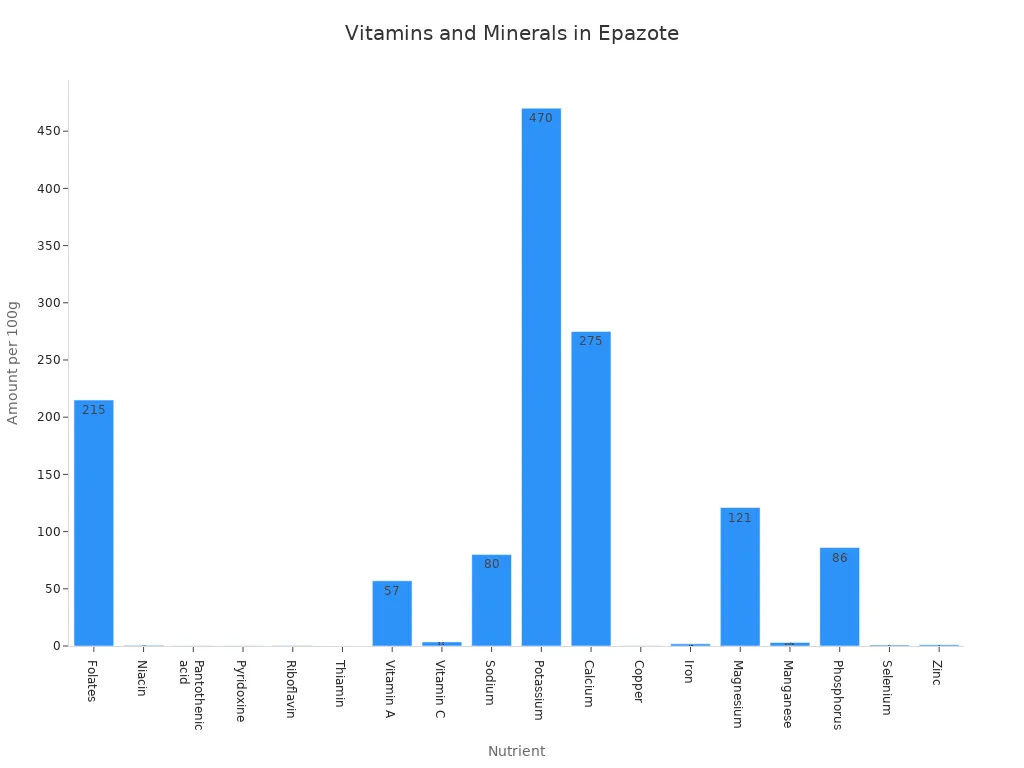
You can see the nutritional value of epazote by looking at the amount of each vitamin and mineral in 100 grams of fresh leaves. This herb is low in calories and fat, but it gives you a good amount of fiber, potassium, calcium, and folates. Here is a table with the specific values:
Nutrient | Value per 100g |
|---|---|
Energy | 32 Kcal |
Carbohydrates | 7.44 g |
Protein | 0.33 g |
Total Fat | 0.52 g |
Cholesterol | 0 mg |
Dietary fiber | 3.8 g |
Folates | 215 µg |
Niacin | 0.639 mg |
Pantothenic acid | 0.179 mg |
Pyridoxine | 0.152 mg |
Riboflavin | 0.348 mg |
Thiamin | 0.028 mg |
Vitamin A | 57 IU |
Vitamin C | 3.6 mg |
Sodium | 80 mg |
Potassium | 470 mg |
Calcium | 275 mg |
Copper | 0.190 mg |
Iron | 1.88 mg |
Magnesium | 121 mg |
Manganese | 3.098 mg |
Phosphorus | 86 mg |
Selenium | 0.9 µg |
Zinc | 1.10 mg |
Comparison
Epazote stands out when you compare it to other leafy herbs. You get more fiber and calcium than in many common greens. For example, epazote has more calcium than spinach and more folates than parsley. You also get a unique mix of minerals like manganese and copper, which are not as high in other herbs. If you want to boost your nutrient intake and enjoy extra health benefits, adding epazote to your meals is a smart choice.
Health Benefits
Digestive Support
Epazote supports your digestive system in several ways. You find this herb in many traditional recipes, especially those with beans. People use epazote to help reduce bloating and stomach discomfort. The plant contains natural compounds like ascaridole, which may help prevent gas buildup. Many cooks add epazote to bean dishes because it can make digestion easier and reduce stomach upset.
Epazote has a long history in cooking for relieving bloating and discomfort.
The herb contains carminative compounds that may help prevent gas.
Many people report less bloating when they use epazote in bean recipes.
Compound Type | Mechanism of Action |
|---|---|
Essential Oils | Antimicrobial and antiparasitic properties |
Antioxidants | Combat cell damage caused by free radicals |
Antiparasitic Agents | Effective against helminths and protozoa |
Other Bioactives | Potentially beneficial for digestive health, though more research is needed |
Tip: If you want to enjoy beans without discomfort, try adding a tablespoon of epazote to your pot.
Immune Boost
Epazote gives your immune system a boost. The plant contains active compounds that stimulate both innate and adaptive immune cells. Studies show that extracts from epazote can reduce inflammation and pain in animal models. You also see improved phagocyte activity, which helps your body fight bacteria and lower inflammation. These effects make epazote a valuable herb for supporting your overall health.
Epazote stimulates immune cells like macrophages and lymphocytes.
Extracts from the plant reduce inflammation and pain.
The herb enhances phagocyte activity, helping your body fight infections.
Weight Loss
Epazote can help you manage your weight. The leaves contain only 32 calories per 100 grams, making them a low-calorie choice. You get a rich supply of nutrients and organic compounds that help you feel full. The plant is high in B vitamins, especially folic acid, which supports your metabolism. If you want to lose weight or maintain a healthy weight, adding epazote to your meals is a smart option.
Epazote is low in calories and high in nutrients.
The herb helps you feel full, which can support weight management.
B vitamins in epazote improve metabolic activity.
Anemia Risk
Epazote contains important minerals that help reduce your risk of anemia. You get iron, copper, and folates from the leaves. Iron helps your body produce healthy red blood cells. Copper supports iron metabolism, and folates are essential for cell growth. Eating epazote can help you maintain healthy blood and lower your risk of anemia.
Nutrient | Role in Preventing Anemia |
|---|---|
Iron | Supports red blood cell production |
Copper | Helps with iron metabolism |
Folates | Essential for cell growth and division |
Gas Relief
You often hear about epazote’s ability to relieve gas and bloating. People recommend adding epazote to beans because it helps break down gas-producing fibers. Many cooks and gardeners share stories about how epazote prevents gas problems. The herb has a long history in traditional medicine for digestive issues.
Add a tablespoon of epazote to beans for gas relief.
The herb helps break down fibers that cause gas.
Many people report less bloating when they use epazote.
Note: If you struggle with gas after eating beans, epazote may help you enjoy your meals without discomfort.
Sedative Effects
Epazote offers mild sedative and pain-relieving effects. People use the plant in herbal teas to relax and ease pain. The herb is known for its antirheumatic, analgesic, and antipyretic properties. Some traditions use epazote to stimulate milk production and improve blood flow.
Epazote can help you relax and relieve mild pain.
The plant is used in teas for its calming effects.
It may improve blood flow and support overall wellness.
Anti-Parasitic
Epazote is famous for its anti-parasitic properties. The plant contains compounds that fight intestinal worms and other parasites. Research shows that epazote’s phytochemicals interfere with the function of parasites like Leishmania and protozoans. Essential oils from the plant can kill Schistosoma mansoni worms and reduce inflammation caused by Toxocara canis larvae.
Parasite | Evidence |
|---|---|
Leishmania | Phytochemicals reach mitochondria within minutes, disrupting function. |
Other protozoans | Effective against Entamoeba histolytica, Plasmodium falciparum, and Trypanosoma cruzi. |
Schistosoma mansoni | Essential oil kills worms and reduces worm eggs in the liver. |
Toxocara canis | Reduces inflammation and is effective against larvae. |
Epazote is valued for expelling parasitic worms.
The herb is used in folk remedies for digestive health.
You find epazote in many culinary traditions for its anti-parasitic effects.
Safety
You need to use epazote with care. The plant contains ascaridole, a compound that can be toxic in high doses. Ascaridole is a peroxide that may cause serious health problems, especially when consumed as essential oil. Some cases link high doses to human fatalities. Synthetic ascaridole can reduce contractions in smooth muscle, which may harm your digestive system. Traditional infusions of epazote are safer than the essential oil, as they do not affect muscle contraction at the doses used for parasite control.
Safety Concern | Description |
|---|---|
Toxicity of Ascaridole | High doses can cause serious health issues and have been linked to fatalities. |
Effects on Smooth Muscle | May reduce contractions in the digestive tract, causing harm. |
Safer Alternatives | Traditional infusions are safer than essential oils for consumption. |
Warning: Always use epazote in moderation. Avoid consuming the essential oil or large amounts of the plant.
Culinary Uses

Flavor
You notice epazote has a very distinctive flavor. When you taste it, you might pick up notes of citrus, anise, oregano, and pine. Some people describe its raw aroma as pungent, almost like gasoline or turpentine. You may also sense a medicinal or licorice-like quality. The flavor can remind you of a mix of mint, thyme, tarragon, and even mustard greens. When cooked, the sharpness softens, but the unique taste remains.
Citrus and anise notes
Oregano and pine undertones
Medicinal, licorice-like, or resinous flavors
Pungent aroma, sometimes compared to gasoline or turpentine
Minty, thyme-like, and lemony hints
Dishes
You find epazote in many traditional and modern dishes. It often appears in Mexican cuisine, especially with beans and hearty stews. Here is a table showing some common uses:
Dish Type | Examples |
|---|---|
Traditional Dishes | Black bean soup, Tamales, Pozole, Menudo |
Modern Dishes | Quesadillas, Enchiladas |
You also see epazote used to enhance the flavor of bean dishes, soups, and sauces. Some cooks add it as a garnish for quesadillas or tacos.
Preparation
You usually add epazote to dishes near the end of cooking. This method helps preserve its flavor and Health Benefits. When you cook beans, you can add a few fresh leaves or a spoonful of dried epazote during the last 10 minutes. This practice helps break down proteins that cause gas and gives the dish a savory, earthy taste. You can also use epazote in moles, soups, and sauces.
Add to beans, moles, and soups
Use near the end of cooking for best flavor
Common with black beans and sauces
Buying
When you shop for epazote, you can choose fresh or dried forms. Fresh epazote has a strong flavor but spoils quickly. Dried epazote lasts longer and is easier to find in specialty stores or online. Here is a quick comparison:
Factor | Fresh Epazote | Dried Epazote |
|---|---|---|
Market Share | Popular in traditional regions | Growing due to longer shelf life |
Perishability | Spoils quickly | Stores well |
Flavor | Fresh, vibrant | More concentrated |
Availability | Hard to find far from source | Easier to buy online or in stores |
Storage
You should store fresh epazote in a plastic bag in your refrigerator. It stays fresh for about one week. For dried epazote, keep it in an airtight container at room temperature. Place the container in a cool, dark spot. Dried epazote keeps its flavor for up to six months.
Refrigerate fresh epazote in a plastic bag
Store dried epazote in an airtight container away from heat and light
Substitutes
Epazote has no perfect substitute. If you cannot find it, try using Mexican oregano. You can also combine oregano, thyme, rosemary, and a little cumin to mimic its sharp, resinous notes. Some cooks add mint, cilantro, or lemon zest for extra brightness.
Growing
You can grow epazote at home if you have the right conditions. The plant prefers well-draining soil with organic matter. A mix of potting soil and compost works well. Keep the soil pH between 6.0 and 7.0. Epazote needs full sun, so choose a spot with at least six hours of sunlight each day. Water the plant to keep the soil moist but not soggy. Check the top inch of soil to decide when to water.
Aspect | Recommendation |
|---|---|
Soil | Well-draining, rich in organic matter |
Soil pH | 6.0 to 7.0 (slightly acidic to neutral) |
Light | Full sun, at least 6 hours daily |
Watering | Keep soil evenly moist, not waterlogged |
Epazote gives you a unique blend of nutrients that support your digestive health. You find its strong flavor in beans, soups, and moles, making it popular in Mexican and Central American cuisines. Modern chefs use epazote in new recipes because it adapts well to many dishes.
You can enjoy these benefits when you cook with epazote:
The herb adds a bold, lemony taste to foods like black beans and quesadillas.
It helps reduce gas and bloating, making meals easier to digest.
Epazote’s fiber keeps your bowels moving and supports overall gut health.
Try adding epazote to your kitchen. You may discover new flavors and better digestion with every meal.
FAQ
What does epazote taste like?
You taste a mix of citrus, mint, and pine when you eat epazote. The flavor stands out as pungent and earthy. Cooking softens the sharpness, but you still notice its unique aroma.
What are the health risks of eating epazote?
You must use epazote in small amounts. Large doses can cause nausea or headaches. The essential oil is toxic. Always avoid eating too much or using the oil in recipes.
What dishes use epazote most often?
You find epazote in black bean soup, tamales, and quesadillas. Many cooks add it to beans to help with digestion. You also see it in soups and sauces in Mexican cuisine.
What is the best way to store fresh epazote?
You keep fresh epazote in a plastic bag in your refrigerator. The leaves stay fresh for about one week. For longer storage, you can dry the leaves and use them later.