

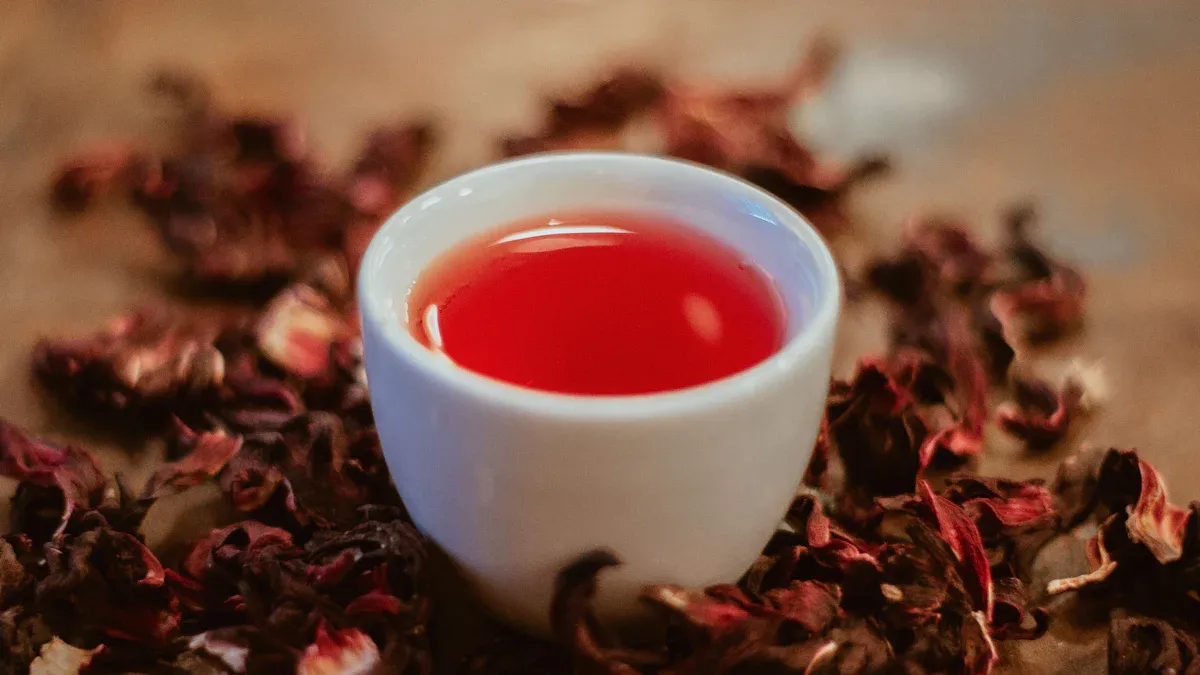
You might wonder if hibiscus and hibiscus tea truly offer science-backed health benefits. Studies show hibiscus can support heart health by lowering blood pressure and cholesterol. People around the world enjoy hibiscus for its flavor and wellness effects. The hibiscus flower appears in family drinks in Mexico, rituals in India, and celebrations in Egypt. The global demand for hibiscus tea keeps rising, with more consumers seeking its health and wellness benefits. You will find hibiscus used in skin care and traditional remedies, making it a versatile choice for those interested in Health Benefits.
Key Takeaways
Hibiscus tea can lower blood pressure and cholesterol, supporting heart health.
Rich in antioxidants, hibiscus tea helps protect your cells and boosts overall wellness.
Regular consumption of hibiscus tea may aid in weight management by reducing fat absorption.
Hibiscus tea enhances immunity and energy levels, making it a great addition to your daily routine.
Always consult your doctor before adding hibiscus tea to your diet, especially if you take medications.
Hibiscus Overview
What Is Hibiscus?
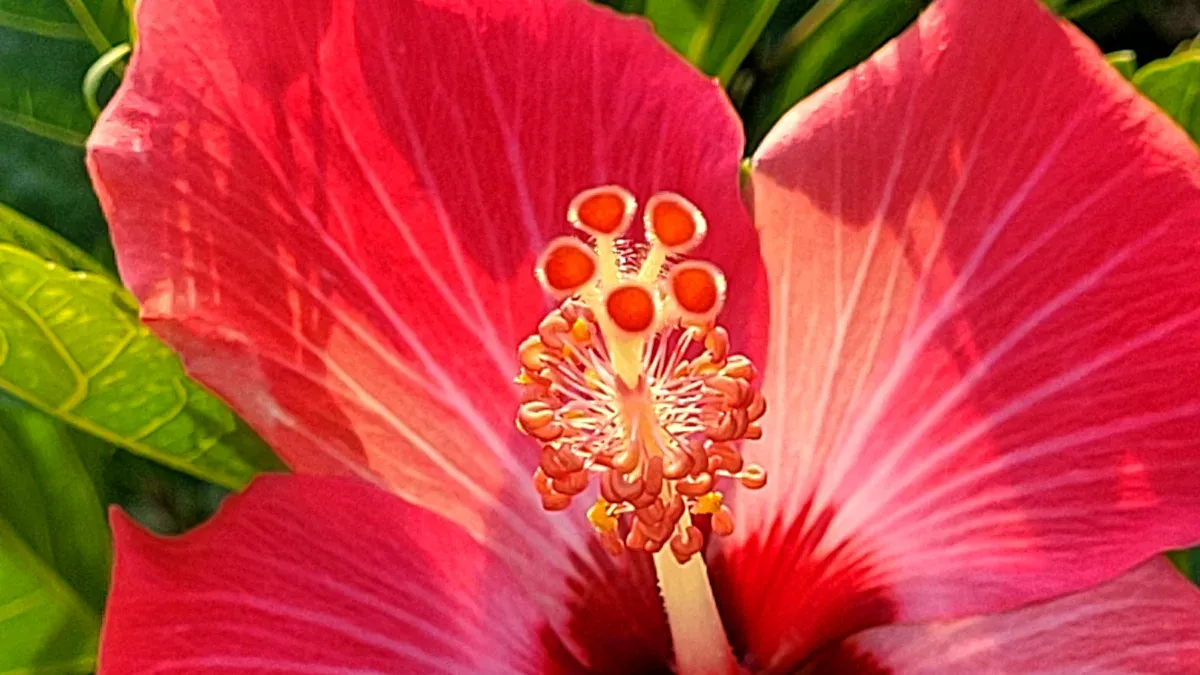
You may recognize hibiscus as a vibrant flower often seen in gardens and tropical landscapes. Hibiscus refers to a group of flowering plants known for their large, colorful blooms. People use different species for food, drink, and medicine. The most popular species for wellness is Hibiscus sabdariffa, also called roselle. Cultures around the world value roselle for its natural liver and kidney tonic properties. You will find it used as a traditional herb for weight loss. Another species, Hibiscus rosa-sinensis, also appears in some tea blends.
Did you know? The calyces, or the red pods of Hibiscus sabdariffa, give hibiscus tea its deep color and tangy flavor.
Here are the main species used for tea:
Hibiscus sabdariffa: Known for its flavorful calyx and medicinal uses.
Hibiscus rosa-sinensis: Sometimes used in herbal tea blends.
Hibiscus sabdariffa stands out for its white flowers with red centers. You will often see these flowers dried and sold for making hibiscus tea.
Hibiscus Tea
Hibiscus tea is a popular herbal drink made from the dried calyces of hibiscus flowers. You can enjoy it hot or cold. Many people choose hibiscus tea for its tart taste and bright red color. You may find it in cafes, health stores, and even homemade recipes.
The process for making hibiscus tea is simple:
Boil water in a pot or kettle.
Steep dried hibiscus flowers in the hot water for about 10 minutes, then strain.
Add lemon juice and your favorite sweetener. Serve hot or pour over ice for a refreshing cold tea.
Hibiscus tea contains natural compounds that offer diuretic properties, help lower blood pressure, and provide antimicrobial benefits. You can include hibiscus tea in your daily routine for both flavor and wellness. Many cultures use hibiscus tea as a traditional remedy and a refreshing beverage.
Nutrition and Key Compounds
Nutritional Profile
You may wonder what nutrition hibiscus provides. Hibiscus flowers and hibiscus tea offer a unique nutrition profile. You get a low-calorie drink with important vitamins and minerals. The following table shows the nutrition facts for hibiscus per serving:
Nutrient | Amount per Serving |
|---|---|
Calories | 28 |
Protein | 0.5 grams |
Fat | 0 grams |
Carbohydrates | 6.5 grams |
Calcium | Present |
Magnesium | Present |
Phosphorous | Present |
Potassium | Present |
Vitamin A | Present |
Vitamin C | Present |
Hibiscus tea also gives you a light nutrition boost. You get almost no fat or sodium. You can see the nutrition breakdown in the chart below:
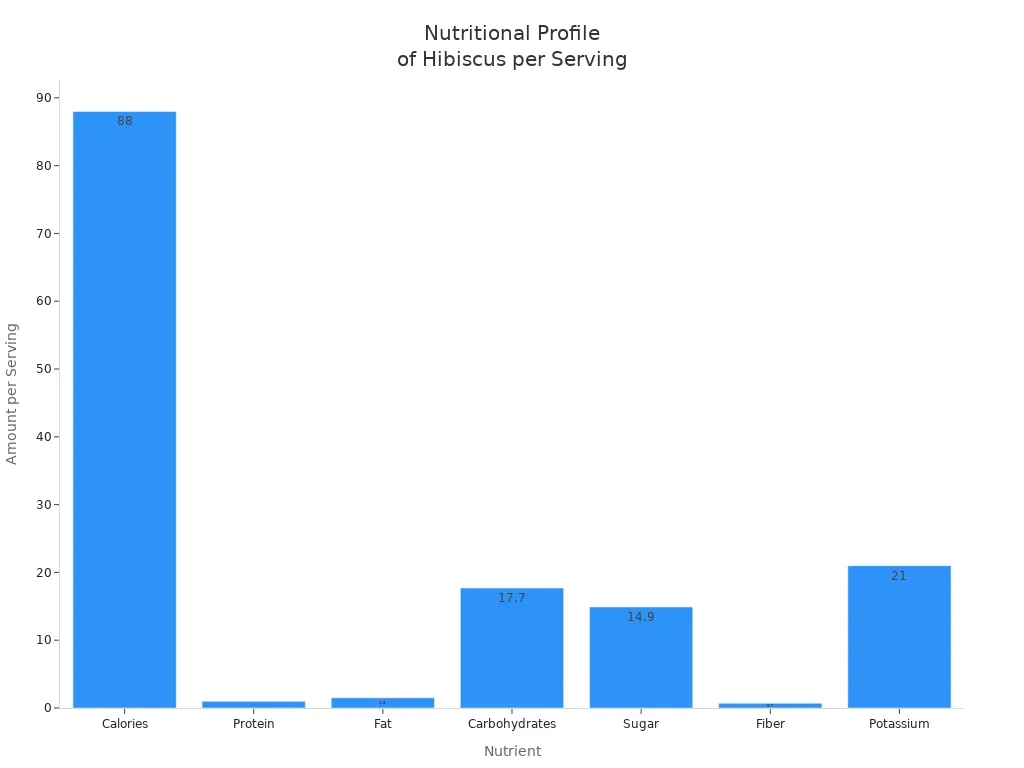
You find fiber, potassium, and vitamin C in hibiscus. These nutrients help your body stay healthy. Hibiscus tea fits well into your daily nutrition plan.
Tip: You can enjoy hibiscus tea as a low-calorie option that adds vitamins and minerals to your diet.
Antioxidants in Hibiscus
Hibiscus is loaded with antioxidants. You get a variety of antioxidants from hibiscus tea. These compounds help protect your cells. The main antioxidants in hibiscus include:
Tannins
Flavonoids
Flavonols
Anthocyanins
You find high levels of flavonoids and anthocyanins in hibiscus extracts. The table below shows the concentrations:
Antioxidant Type | Aqueous Extract (mg/100g) | Ethanolic Extract (mg/100g) |
|---|---|---|
Total Flavonoids | 2768.06 | 2155.39 |
Total Anthocyanins | 205.76 | 155.28 |
Hibiscus tea stands out among herbal teas for its antioxidant content. You get more antioxidants compared to many other herbal drinks. These compounds support your wellness and nutrition goals.
Health Benefits
Hibiscus Tea Benefits
You may wonder what hibiscus tea benefits you can expect. Hibiscus tea offers a wide range of health benefits supported by scientific research. You get antioxidants, which protect your cells from damage. You also receive support for better heart health, healthy cholesterol, weight management, immunity, energy, skin, and stress relief. Hibiscus tea contains compounds that help lower blood pressure and support your overall wellness. Many people choose hibiscus tea for its health benefits and refreshing taste.
Hibiscus tea stands out among herbal teas for its rich antioxidant content and its ability to support multiple aspects of your health.
Improves Heart Health
You can use hibiscus tea to improve heart health. Studies show hibiscus tea helps lower blood pressure in people with high blood pressure and diabetes. You may see reductions in both systolic and diastolic blood pressure after drinking hibiscus tea regularly. The following table shows results from clinical trials:
Study Title | Description |
|---|---|
Effect of hibiscus sabdariffa on blood pressure in patients with stage 1 hypertension | Patients received two cups of sour tea daily for one month. |
Clinical effects produced by a standardized herbal medicinal product of Hibiscus sabdariffa on patients with hypertension | Double-blind, lisinopril-controlled trial. |
Hibiscus sabdariffa L. Tea (tisane) lowers blood pressure in prehypertensive and mildly hypertensive adults | Demonstrated blood pressure-lowering effects. |
The effects of sour tea (Hibiscus sabdariffa) on hypertension in patients with type II diabetes | Studied impact on hypertension in diabetes patients. |
You can see the average reductions in blood pressure in the tables below:
Parameter | Reduction (%) |
|---|---|
Systolic Blood Pressure | 17.20 |
Diastolic Blood Pressure | 9.83 |
Parameter | Reduction (mm Hg) |
|---|---|
Systolic Blood Pressure | 7 |
Diastolic Blood Pressure | 3 |
Parameter | Reduction (points) |
|---|---|
Systolic Blood Pressure | 13.2 |
Diastolic Blood Pressure | 6.4 |
You get better heart health when you drink hibiscus tea. You may notice improvements in heart function and lower blood pressure. Hibiscus tea supports your heart and helps you manage high blood pressure.
Supports Healthy Cholesterol
You can use hibiscus tea to help manage cholesterol levels. Research shows hibiscus tea benefits people with diabetes by improving lipid profiles. Hibiscus tea may increase HDL (good) cholesterol and decrease LDL (bad) cholesterol. You can see these changes in the list below:
Hibiscus extract increases HDL cholesterol levels.
It decreases LDL cholesterol levels in patients with diabetes.
A study with 90 participants showed that drinking hibiscus tea twice a day for 15 days increased HDL cholesterol.
You may notice cholesterol-lowering effects after regular use. Hibiscus tea helps manage cholesterol levels and supports better heart health.
Aids Weight Management
You may want to know what hibiscus tea does for weight management. Hibiscus tea helps you control body weight and fat. Studies show hibiscus tea inhibits fat absorption and reduces fat cell size. You can see the findings in the table below:
Study Type | Findings |
|---|---|
Animal Study | Hibiscus tea inhibits fat absorption and reduces fat cell size. |
Human Study | A 2014 study showed reductions in body weight, body fat, BMI, and waist-to-hip ratio after 12 weeks. |
Hibiscus tea may help in weight loss by reducing fat cell size.
It lowers blood sugar levels, which helps manage diabetes and weight.
Hibiscus tea contains compounds that regulate fat digestion and boost metabolism.
You may experience reductions in body weight, body fat, and waist-to-hip ratio when you drink hibiscus tea regularly. Hibiscus tea benefits your weight management goals and helps manage diabetes.
You can also see how hibiscus tea works in your body:
Hibiscus tea reduces starch and glucose absorption.
It impairs digestive enzymes that break down starches and sugars.
This helps lower blood glucose levels and reduces fat absorption.
Study Type | Findings |
|---|---|
Clinical Study | Reduced serum free fatty acid levels in patients with fatty liver after hibiscus intake. |
In-vivo Study | Decreased triglycerides, fatty acid concentrations, and cholesterol in hamsters fed with hibiscus. |
Clinical Studies | Polyphenols in hibiscus linked to therapeutic effects in metabolic syndrome patients. |
Boosts Immunity and Energy
You can use hibiscus tea to strengthen immunity and elevate energy levels. A systematic review analyzed 27 studies on hibiscus and its effects on immune biomarkers. Hibiscus tea reduces levels of immune mediators like TNF-α, IL-6, and IL-1β. You may notice a stronger immune system after regular use.
Hibiscus tea is associated with increased energy levels. You get anthocyanins and flavonoids, which reduce inflammation and oxidative stress. The iron content in hibiscus tea helps relieve fatigue and elevates energy levels. You may feel more energetic and ready for daily activities.
Hibiscus tea supports your immunity and energy, making it a great choice for overall health.
Skin and Stress Relief
You may want to know what hibiscus tea does for your skin and stress levels. Hibiscus tea helps treat skin issues and supports skin health. You get potent antioxidants like anthocyanins and polyphenols, which combat free radicals and reduce fine lines and wrinkles. Hibiscus tea provides anti-inflammatory benefits, maintains a clear complexion, and reduces skin irritation. You also get antibacterial effects, which help treat skin issues and keep your skin healthy.
Hibiscus extract inhibits MMP activity, which is important for skin rejuvenation.
It protects against UV and pollution-induced oxidative stress.
Hibiscus stimulates collagen synthesis, enhancing skin hydration and elasticity.
You can use hibiscus tea to relieve stress and anxiety. Studies show that drinking hibiscus juice daily improves mood and increases relaxation. Participants reported decreased feelings of fear and heart palpitations. Hibiscus tea contains phytoestrogens that balance hormone levels and relieve stress and anxiety. This is especially helpful for people experiencing menopausal symptoms.
Anti-Inflammatory and Anti-Cancer Effects
You may wonder what anti-inflammatory and anti-cancer effects hibiscus tea offers. Hibiscus tea contains bioactive compounds like flavonoids and anthocyanins, which reduce inflammation. The table below shows how hibiscus tea works:
Mechanism/Compound | Description |
|---|---|
Reduction of oxidative stress | Decreases harmful oxidative agents in the body. |
Inhibition of NF-kB and MAPK pathways | Prevents inflammatory signaling pathways from being activated. |
Alterations of arachidonic acid pathway | Modifies metabolism of fatty acids involved in inflammation. |
Inhibition of iNOS enzyme | Reduces production of nitric oxide, a pro-inflammatory mediator. |
Reduction of PMN infiltration | Lowers number of inflammatory cells at the site of inflammation. |
Bioactive compounds | Flavonoids and anthocyanins contribute to anti-inflammatory effects. |
You get anti-cancer benefits from hibiscus tea. Hibiscus flower extract induces apoptosis in breast cancer cells and works well with common chemotherapeutic agents. The extract shows anticancer efficacy against prostate cancer, leukemia, gastric cancer, and squamous cell carcinoma. Hibiscus contains flavonoids, polyphenols, and phenolic acids, which help prevent and treat cancer.
Hibiscus manihot flower extract induces anticancer activity by modulating apoptosis and autophagy.
Hibiscus extract enhances the induction of apoptosis when combined with chemotherapy.
You can use hibiscus tea to support your health, reduce inflammation, and protect against cancer.
Safety and Side Effects
Possible Risks
You may wonder what side effects hibiscus tea can cause. Most people tolerate hibiscus well, but some experience mild reactions. You might notice gas, upset stomach, or constipation after drinking hibiscus tea. Some people report allergic reactions, though these are rare. The following table shows the most commonly reported side effects:
Side Effect | Description |
|---|---|
Upset Stomach | Commonly reported side effect. |
Gas | May occur in some individuals. |
Constipation | Can happen after consumption. |
Allergic Reaction | Some may have allergies to hibiscus. |
Certain groups should avoid hibiscus tea due to possible health risks. You should know what populations face higher risks:
Pregnant women: Hibiscus tea can induce menstruation and may lead to premature labor.
Nursing mothers: Safety remains unknown, so it is best to avoid hibiscus until nursing ends.
Individuals on blood pressure medications: Hibiscus may lower blood pressure too much.
Patients on diabetes medications: Hibiscus can enhance the effects of these drugs and lower blood sugar.
People taking chloroquine: Hibiscus reduces the absorption of this medication.
You should always check with your healthcare provider before adding hibiscus to your routine, especially if you belong to one of these groups.
Note: Hibiscus protects the liver from damage, but you should still use caution if you have liver conditions or take liver-related medications.
Medication Interactions
You may ask what medications interact with hibiscus tea. Hibiscus can change how your body absorbs and processes certain drugs. The table below lists common medications and their interactions:
Medication | Interaction Description |
|---|---|
High Blood Pressure | Hibiscus tea can lower blood pressure and may affect the clearance of blood pressure medications. |
Chloroquine | Hibiscus tea can reduce the absorption of chloroquine, decreasing its effectiveness. |
Captopril | Hibiscus may reduce the absorption of captopril due to its antioxidant content. |
Losartan | Hibiscus extracts may slow the clearance of losartan, increasing its blood levels. |
Simvastatin | Hibiscus may slow down the absorption and speed up the detoxification of simvastatin. |
Voltaren | Hibiscus can reduce detoxification enzymes, potentially increasing the effects and toxicity of Voltaren. |
Tylenol | Hibiscus affects liver detoxification enzymes, which may alter the metabolism of acetaminophen. |
Hibiscus tea can also change the speed at which your body eliminates certain drugs. For example, it may increase the elimination of acetaminophen, making it less effective. Hibiscus can decrease the serum concentration of chloroquine and simvastatin, which may reduce their effectiveness. You may see increased effects and side effects with losartan and erlotinib. Hibiscus sometimes interferes with lab tests for digoxin, causing false positives.
Tip: Hibiscus protects the liver from damage, but it also changes how your body handles medications. Always talk to your doctor if you take prescription drugs and want to drink hibiscus tea.
How to Use Hibiscus Tea
Preparing Hibiscus Tea
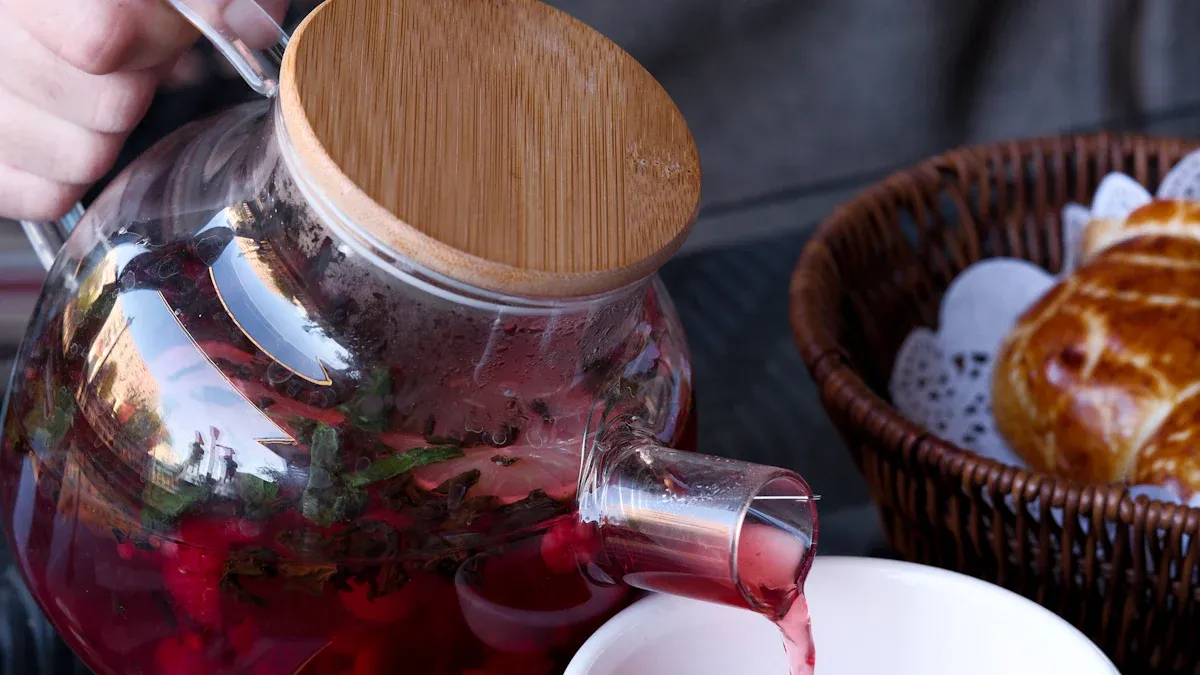
You can prepare hibiscus tea at home with simple steps. Start by choosing fresh or dried hibiscus flowers. If you use fresh flowers, dry them completely before brewing. Follow these steps for a flavorful cup:
Measure about 2 teaspoons of dried hibiscus flowers for each teapot.
Boil water until it reaches 80 °C. This temperature helps extract the highest antioxidant levels from hibiscus.
Pour the hot water over the flowers and let the tea steep for 5 to 10 minutes. Adjust the steeping time if you want a stronger or lighter flavor.
Strain the tea into your cup. Add sweeteners or lemon juice if you prefer.
For iced hibiscus tea, combine dried flowers with cold water and let them steep for 8 to 12 hours in the refrigerator.
Tip: Brewing hibiscus tea at 80 °C for 10 minutes gives you the most antioxidants and flavor.
You can enjoy hibiscus tea hot or cold. The process is easy and lets you control the taste and strength.
Tips for Daily Use
You can add hibiscus tea to your daily routine in many ways. Try these practical tips:
Start your morning with a hot cup of hibiscus tea to hydrate and get antioxidants.
Replace sugary drinks with iced hibiscus tea to lower your sugar intake.
Drink hibiscus tea instead of plain water for extra benefits.
Pair hibiscus tea with light lunches or snacks for a refreshing meal.
Create a relaxing evening ritual by sipping hibiscus tea before bed.
Experts recommend drinking hibiscus tea at least once a day. Regular use may help manage blood pressure and support healthy blood sugar levels. Hibiscus tea is affordable and easy to find, making it a smart choice for daily wellness.
Note: You can enjoy hibiscus tea every day for hydration, antioxidants, and overall health.
You now know what hibiscus can do for your health. Hibiscus supports your heart, helps manage cholesterol, and boosts your immune system. You get antioxidants from hibiscus tea, which protect your cells. You can enjoy hibiscus by making tea at home or adding it to your daily routine. Always check with your doctor before using hibiscus if you take medicine. Choose hibiscus for wellness and make informed choices for a healthier life.
FAQ
What is the best time to drink hibiscus tea?
You can drink hibiscus tea any time. Many people enjoy it in the morning for energy or in the evening for relaxation. Choose a time that fits your routine.
What does hibiscus taste like?
Hibiscus has a tart, fruity flavor. You may notice a cranberry-like taste. Some people add honey or lemon to balance the tangy notes.
What are the main health benefits of hibiscus?
You get antioxidants, support for heart health, and help with cholesterol. Hibiscus may also boost immunity and aid weight management. Many studies show these benefits.
What should you avoid when using hibiscus?
You should avoid hibiscus if you are pregnant or nursing. People taking blood pressure or diabetes medications need to check with a doctor before using hibiscus.
What is the safest way to prepare hibiscus tea?
Use dried hibiscus flowers. Steep them in hot water for 5 to 10 minutes. Strain and enjoy. You can add lemon or sweetener for taste.