

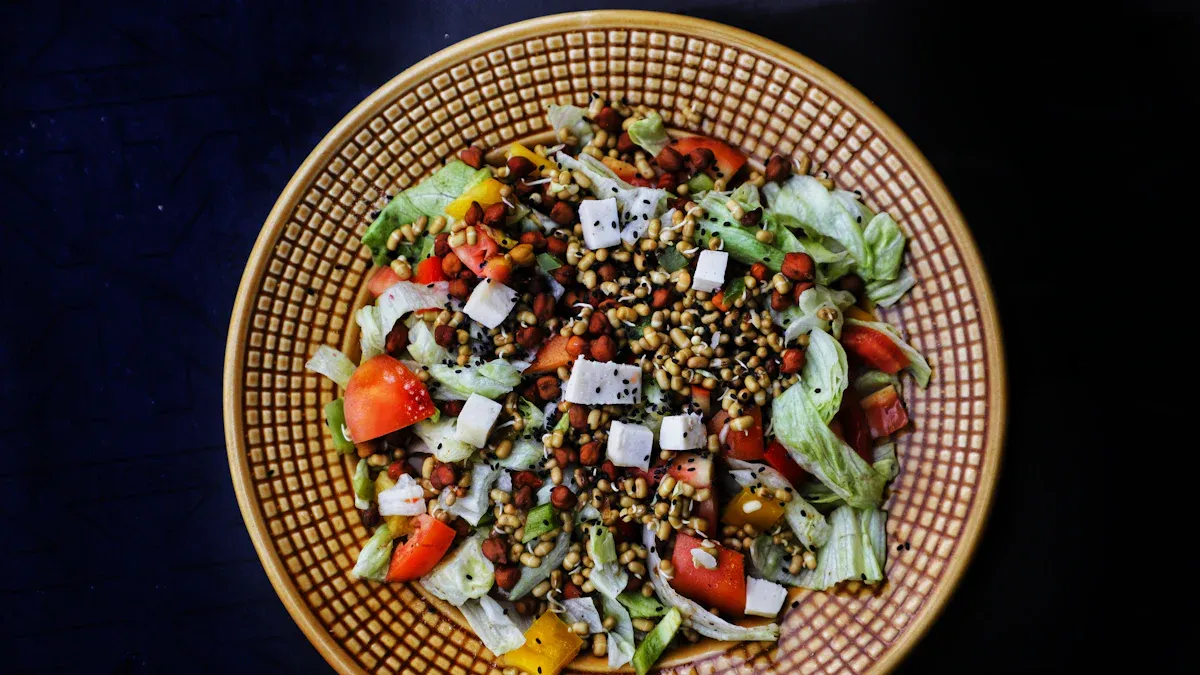
If you want a simple way to boost your meals, sprouted lentils make a smart choice. You get a crunchy texture that works in salads, soups, and sandwiches. Recent studies show sprouted lentils offer more nutrients than unsprouted ones.
You get up to 29% more zinc and 108% more manganese after sprouting.
The process breaks down antinutrients, so your body absorbs minerals better.
Nutritional Advantage | Description |
|---|---|
Improved Nutrient Content | Sprouting raises the level and availability of nutrients. |
Enhanced Amino Acid Profile | You get better protein quality for your meals. |
Key Takeaways
Sprouted lentils are packed with nutrients. They contain more zinc and manganese than unsprouted lentils, boosting your overall nutrition.
Eating sprouted lentils improves digestion. They are easier on your stomach and help you feel full longer due to their high fiber content.
Sprouting enhances nutrient absorption. This process breaks down anti-nutrients, allowing your body to absorb more vitamins and minerals.
Sprouted lentils support heart health. Their fiber helps lower cholesterol and maintain steady blood sugar levels.
You can easily sprout lentils at home. Just rinse, soak, and watch them grow for a nutritious addition to your meals.
Sprouted Lentils Nutrition
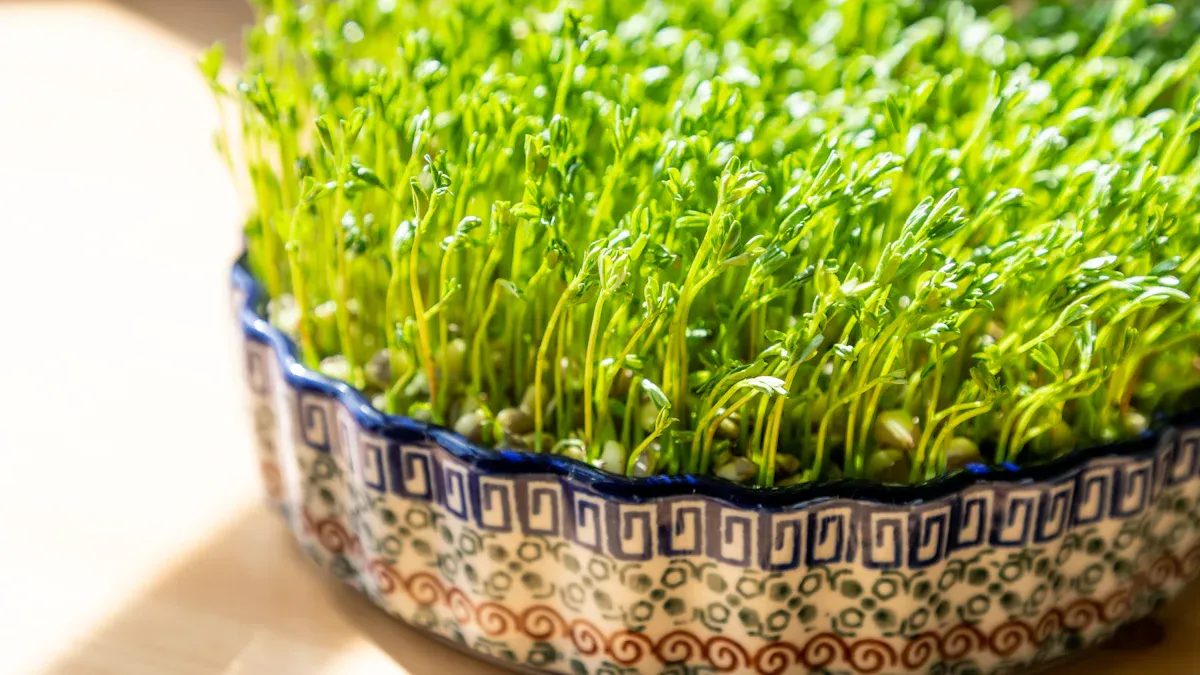
Vitamins and Minerals
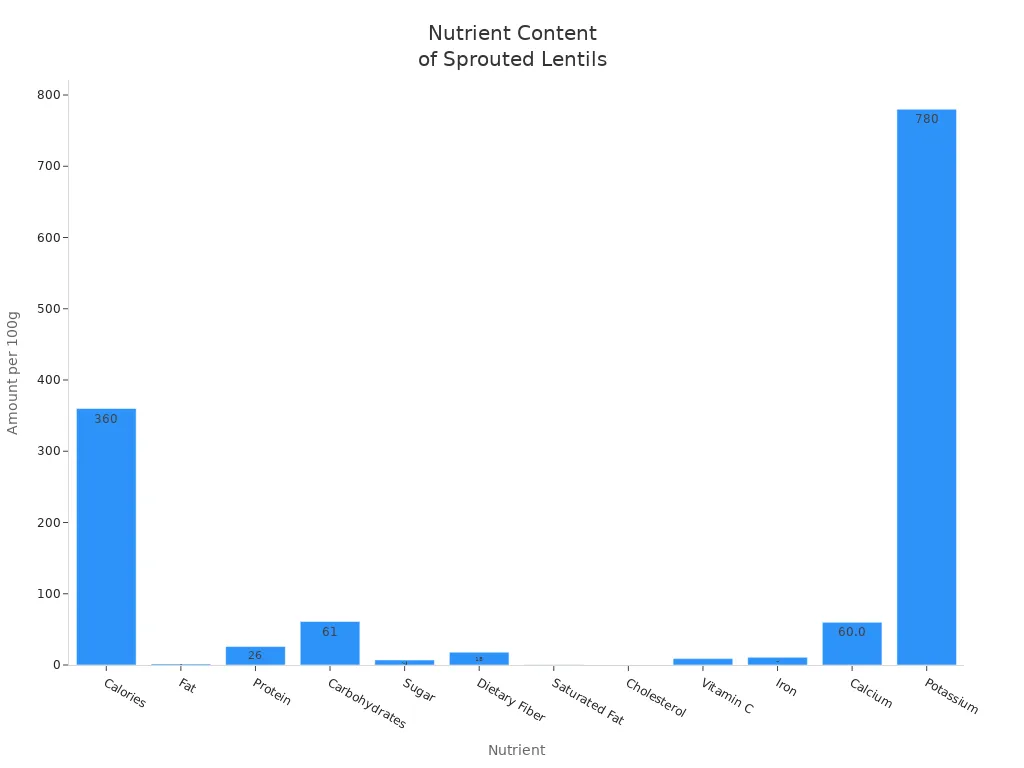
When you eat sprouted lentils, you get a big boost in vitamins and minerals. These tiny seeds pack a lot of nutrition into every bite. Here’s a quick look at what you get in 100 grams of sprouted lentils:
Nutrient | Amount per 100g |
|---|---|
Calories | 360 |
Fat | 1.5 g |
Protein | 26 g |
Carbohydrates | 61 g |
Sugar | 7 g |
Dietary Fiber | 18 g |
Saturated Fat | 0.3 g |
Cholesterol | 0 mg |
Vitamin C | 9.0 mg |
Iron | 10.80 mg |
Calcium | 60.00 mg |
Potassium | 780 mg |
You can see that sprouted lentils offer a strong nutritional value. You get a good amount of iron, calcium, and potassium. These minerals help your body stay strong and healthy. The vitamin C content also goes up when you sprout lentils. This makes them stand out from other sprouted grains and sprouted legumes.
Protein and Amino Acids
Sprouted lentils give you a lot of protein. In one cup of cooked lentils, you get almost 18 grams of protein. If you measure by 100 grams, you get between 24 and 30 grams of protein. This makes sprouted lentils one of the best plant-based protein sources. You can use them if you are vegetarian or vegan. They work well in many dishes, just like other sprouted legumes and sprouted grains.
Here’s what you get from sprouted lentils:
All essential amino acids for healthy muscles
Methionine and cysteine, which help build muscle and keep your body strong
You can count on sprouted lentils to give you a complete protein profile. This adds to their nutritional value and makes them a smart choice for anyone looking to eat more plant-based foods.
Nutrient Changes from Sprouting
Sprouting changes the nutritional value of lentils in many ways. When you sprout lentils, you unlock more nutrients and make them easier for your body to use. Here’s what happens during the sprouting process:
Nutrient Change | Description |
|---|---|
Increases in protein quality | Sprouting enhances the quality of proteins in lentils. |
Increases in crude fiber content | The fiber content is elevated, aiding digestion. |
Increases in essential fatty acids | Essential fatty acids are increased, contributing to overall health. |
Increases in vitamin content | The vitamin content, particularly B vitamins and carotene, is enhanced. |
Production of Vitamin C | Sprouting leads to the formation of Vitamin C, boosting nutritional value. |
Breakdown of phytic acid | Sprouting neutralizes phytic acid, improving mineral absorption. |
Breakdown of complex compounds | Complex compounds are simplified, making nutrients more accessible. |
Reduction of gas-producing sugars | Some sugars that cause intestinal gas are broken down during sprouting. |
You also see some nutrients increase and others decrease:
Vitamin C rises a lot, from 1.5 mg in cooked lentils to 16.5 mg in sprouted lentils.
Starch content drops as the lentils use it for energy during sprouting.
Fat content goes down because enzymes break down fats for seed growth.
Sprouted grains and sprouted legumes both show these changes, but sprouted lentils stand out for their high nutritional value and easy digestibility. You get more vitamins, better protein, and less starch in every bite.
Health Benefits
Sprouted lentils offer a range of health benefits that make them a standout choice for anyone looking to improve their diet. You might wonder what makes these tiny seeds so powerful. Let’s break down the main reasons why sprouted grains like lentils deserve a spot in your kitchen.
Digestibility
You may notice that sprouted grains feel lighter on your stomach. That’s because sprouted lentils are easier for your digestive system to handle than unsprouted ones. When you eat foods that are high in fiber, like sprouted lentils, you help your body move food through the gut more smoothly. This can mean less bloating and more regular bowel movements.
Sprouted grains contain more vitamin C, iron, and folate than their unsprouted forms.
The protein in sprouted grains is easier for your body to absorb.
The starch in sprouted grains becomes more digestible, making them gentler on your stomach.
You also get more fiber from sprouted lentils. This extra fiber supports your digestive system and helps you feel full longer. The soluble fiber in these lentils can even help lower cholesterol, which is great for your heart.
Tip: If you want to support your gut health, adding foods that are high in fiber, like sprouted grains, is a smart move.
Nutrient Absorption
Sprouted lentils do more than just fill you up-they help your body get the most out of every bite. When you sprout grains, you unlock nutrients that your body might miss in regular lentils. This is because sprouting breaks down phytic acid, an anti-nutrient that can block your body from absorbing important minerals.
Sprouting neutralizes phytic acid, so your body can take in more calcium, magnesium, iron, copper, and zinc.
The process boosts protein digestibility and increases the amount of bioactive compounds.
Antioxidant capacity jumps up, making it easier for your body to absorb and use nutrients.
You get more out of your food when you choose sprouted grains. Your body can use the vitamins and minerals better, which means you get more health benefits from every meal.
Note: Sprouted lentils are often called a superfood because they pack so many nutrients into a small serving.
Blood Sugar and Heart Health
What can sprouted lentils do for your blood sugar and heart? Quite a lot! These lentils are high in fiber, which helps slow down how fast sugar enters your bloodstream. This can help keep your blood sugar steady after meals.
In one study, adults who ate lentils for eight weeks had lower insulin resistance.
People who ate 300 to 600 grams of lentils each week saw better blood glucose control and felt fuller after eating.
The group that ate the most lentils had the biggest improvements in insulin resistance, which is good news for metabolic health.
Sprouted grains also support your heart. The fiber in sprouted lentils helps lower cholesterol. Clinical studies show that eating sprouted legumes and whole grains can lower blood pressure and cholesterol, reducing your risk of heart disease.
A 12-week study found that regular lentil consumption improved cholesterol levels.
Lentil sprouts helped overweight and obese people with type 2 diabetes by lowering triglycerides and raising HDL (good) cholesterol.
Research shows that people who eat more legumes, including sprouted grains, have a lower risk of heart disease.
Callout: Choosing foods that are high in fiber, like sprouted lentils, is a simple way to support both your heart and your blood sugar.
When you add sprouted lentils to your meals, you get a food that is high in fiber, easy to digest, and packed with nutrients. You also help your body absorb more minerals and support your heart and blood sugar. That’s what makes sprouted grains a true superfood.
Sprouting
How to Sprout Lentils
Sprouting lentils at home is easy and fun. You just need a few basic supplies and a little patience. Here’s what you do:
Rinse ½ cup of lentils under cool water. Place them in a clean sprouting jar or a large glass container.
Add water to cover the lentils by a few inches. Let them soak for 8 to 12 hours or overnight.
Drain and rinse the lentils thoroughly. Make sure you let air circulate by tilting the jar or using a mesh lid.
Repeat the rinsing and draining process 2 to 3 times each day. Keep the jar at room temperature, away from direct sunlight.
Watch for sprouts to appear. Most lentils will sprout in 2 to 5 days. When the shoots reach about 1 centimeter, they are ready to eat.
You can use these sprouted grains in salads, wraps, or even as a crunchy snack. The process is similar for other sprouted grains, so once you learn how to sprout lentils, you can try different seeds and legumes.
Tip: Always use lentils labeled for sprouting. These are tested for safety and give you the best results.
Safety Tips
Sprouting at home is simple, but you need to follow some safety steps. Warm, damp conditions help lentils sprout, but they also let bacteria grow. Here’s what you should do to keep your sprouted grains safe:
Use clean equipment and wash your hands before handling lentils.
Rinse lentils with fresh, potable water every time.
Check for any odd smells or slimy textures. If you notice anything strange, throw the batch away.
Store your sprouted grains in the fridge at temperatures below 40°F (4°C). Eat them within a few days.
Keep sprouts away from raw meat and poultry to avoid cross-contamination.
If you want extra safety, soak lentils in a diluted vinegar solution before sprouting.
Note: Raw sprouts can carry bacteria like Salmonella or E. coli. Children, pregnant women, and older adults should be extra careful when eating sprouted grains.
Sprouting lets you enjoy fresh, crunchy lentils at home. When you follow these steps, you get all the benefits of sprouted grains with less risk.
Culinary Uses
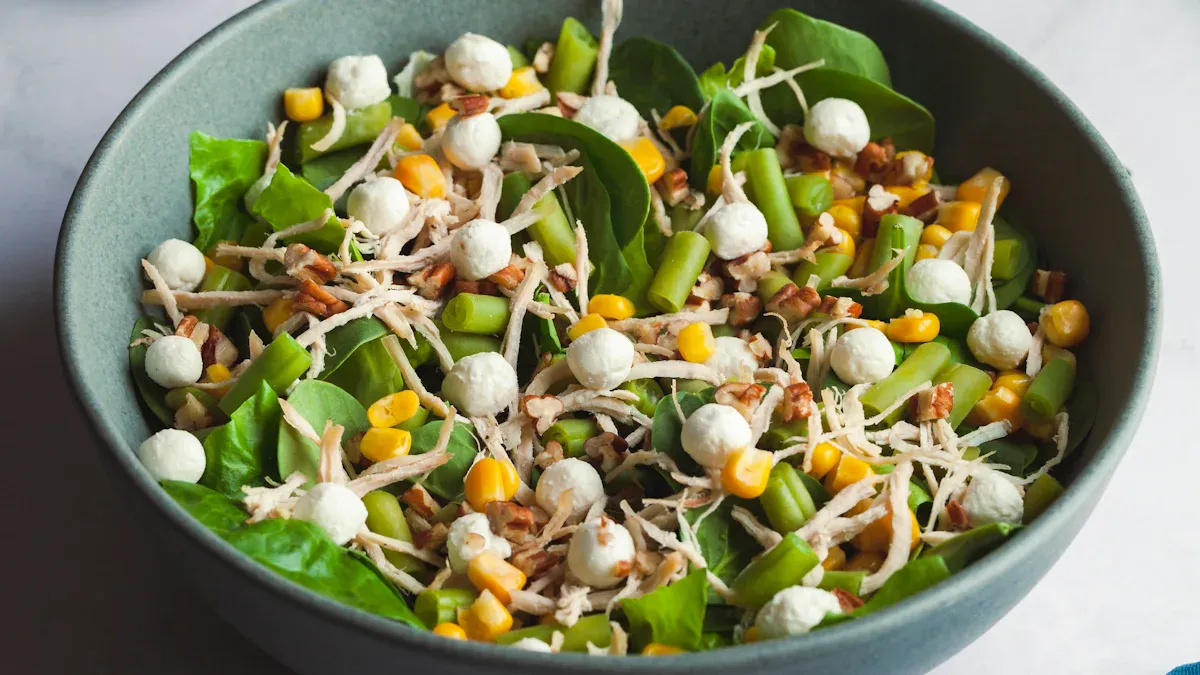
Raw and Cooked Dishes
You can use sprouted lentils in so many ways, both raw and cooked. If you want something quick and fresh, toss them into a salad or slaw. They add a crunchy texture and a nutty flavor that makes every bite interesting. Here’s a look at some popular raw dishes:
Dish Name | Description | Ingredients Overview | Prep Time | Servings | Calories |
|---|---|---|---|---|---|
Sprouted Lentil Slaw | A simple and delicious salad | Raw sprouted lentils, chopped veggies, salad dressing | 5 minutes | 5 | 565 |
Spicy Sprouted Lentils | A flavorful dish with spices | Sprouted lentils, olive oil, garlic, spices, lemon | 10 minutes | 4 | 298 |
You can also cook sprouted lentils. Brief cooking softens them a little but keeps their pleasant crunch. This means you get a different texture depending on how you prepare them. Germination boosts their nutrition, making protein and fiber easier to digest.
Tip: Try adding sprouted lentils to stir-fries, soups, or even baked goods for extra flavor and nutrition.
Meal Ideas
Sprouted lentils fit into many recipes from different cultures. In Ethiopia, you might find them in injera wraps. Indian cuisine uses them in vegetarian dishes, curries, and snacks like chaat. You can also spot them in salads like Sprouted Moong Salad.
Here are some creative ways to enjoy sprouted lentils:
Perfect Sprouted Lentil Fritters make a tasty snack or side.
Lentil Sprouts Quesadillas combine lentils with veggies and spices.
Sprouted Lentil Stew is a hearty vegan option for busy nights.
You can sprinkle sprouted lentils on top of soups or use them as a garnish for sandwiches and salads. They work well in stir-fries, adding crunch and nutrition. Some people blend them into smoothies or pancake batter, or grind them into a paste for spreads.
Dish Type | Usage Description |
|---|---|
Salads | Add sprouted lentils for a nutritious boost. |
Sandwiches | Include them for crunch and flavor. |
Stir-fries | Enhance texture and nutrition. |
Garnish | Use as an edible garnish for visual appeal and extra vitamins. |
Sprouted lentils are easy to add to almost any meal. You get a healthy snack, a crunchy topping, or a main ingredient-all in one tiny seed.
Sprouted lentils pack a punch with nutrients and health benefits. You get more protein, fiber, and antioxidants in every bite. Check out what makes them special:
Benefit | Why It Matters |
|---|---|
Enhanced Nutrient Density | Boosts vitamins and minerals |
Digestive Health | Easier on your stomach |
Antioxidant Power | Fights free radicals |
You can toss sprouted lentils into salads, soups, or sandwiches. Their crunch and fresh taste fit almost any meal.
Eating healthy can be simple and fun. Try sprouted lentils and discover a new way to enjoy nutritious food! 🥗
FAQ
What do sprouted lentils taste like?
You get a mild, nutty flavor with a fresh crunch. Sprouted lentils taste less earthy than cooked lentils. They add a crisp bite to salads and wraps.
Tip: Try them raw for the best crunch!
What types of lentils can you sprout?
You can sprout green, brown, black, or red lentils. Green and brown lentils work best because they hold their shape. Red lentils sprout quickly but may get mushy.
Lentil Type | Sprouting Success |
|---|---|
Green | ⭐⭐⭐⭐ |
Brown | ⭐⭐⭐⭐ |
Red | ⭐⭐ |
Black | ⭐⭐⭐ |
What is the best way to store sprouted lentils?
You should keep sprouted lentils in a sealed container in the fridge. Eat them within three days for the freshest taste. Always check for any odd smells before using.
What can you do if your lentils don’t sprout?
If your lentils don’t sprout, check the age of your seeds. Old lentils may not sprout. Rinse them well and keep them at room temperature. Try a different batch if needed.
What dishes can you make with sprouted lentils?
You can toss sprouted lentils into salads, stir-fries, sandwiches, or wraps. They work well as a crunchy topping for soups. You can even blend them into dips or spreads.