

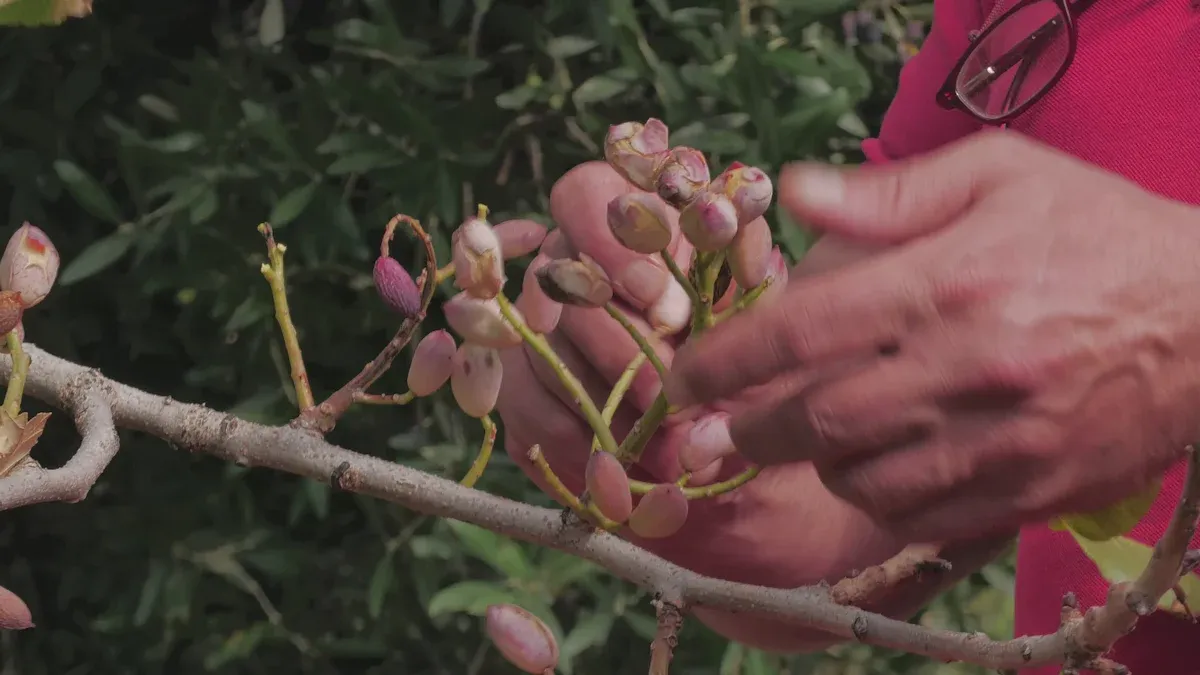
Pistacia Integerrima, also called zebrawood or kakad-sindhi, stands out in herbal medicine. You find it used for asthma, digestive problems, and skin issues.
Health Condition | Description |
|---|---|
Digestive Disorders | Helps with indigestion, loss of appetite, and ulcers. |
Respiratory Disorders | Eases asthma, bronchitis, and clears airways. |
Inflammatory Conditions | Reduces pain and swelling in joints. |
Many people trust this plant for its antioxidant and antimicrobial effects.
Key Takeaways
Pistacia Integerrima supports respiratory health. Use it for coughs and asthma by mixing its powder with honey.
This plant aids digestive health. It helps with diarrhea and indigestion. Mix the powder with water or curd for relief.
Always consult a healthcare provider before using Pistacia Integerrima, especially if pregnant, breastfeeding, or taking other medications.
About Pistacia Integerrima
Botanical Profile
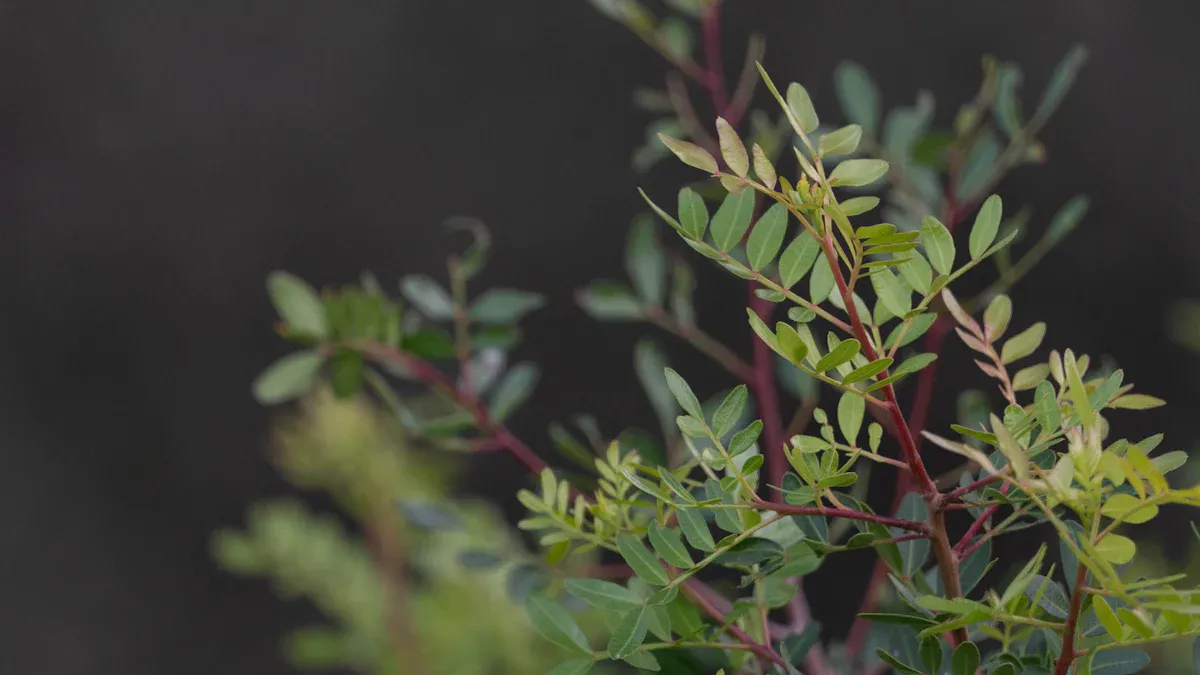
You may know Pistacia Integerrima by its scientific name or by the name Karkatashringi. This plant belongs to the genus Pistacia. People often call it zebrawood or kakad-sindhi. You can find it growing in parts of South Asia, especially in India and Pakistan. The plant produces leaf galls, which look like small, woody growths on the leaves. These galls are important because you use them in many herbal remedies.
Pistacia Integerrima stands out in herbal medicine for its unique leaf galls. These galls help you prepare traditional medicines for several health problems.
Traditional and Modern Uses
You see Pistacia Integerrima used in Ayurveda and Unani medicine. These systems trust the plant for treating many ailments. Here are some common uses:
Respiratory issues such as coughs, colds, sore throat, and bronchitis
Digestive problems like diarrhea, dysentery, and vomiting
Fever and infections
Liver disorders
Asthma
Snake bites
You often find Pistacia Integerrima sold as leaf galls in herbal markets. People use these galls to make kakadshringi, a remedy for diarrhea and other stomach troubles. Modern herbalists also use the plant for its antimicrobial and anti-inflammatory effects. You may see it prescribed for cough, asthma, and fever.
Pistacia Integerrima Health Benefits
Respiratory Support
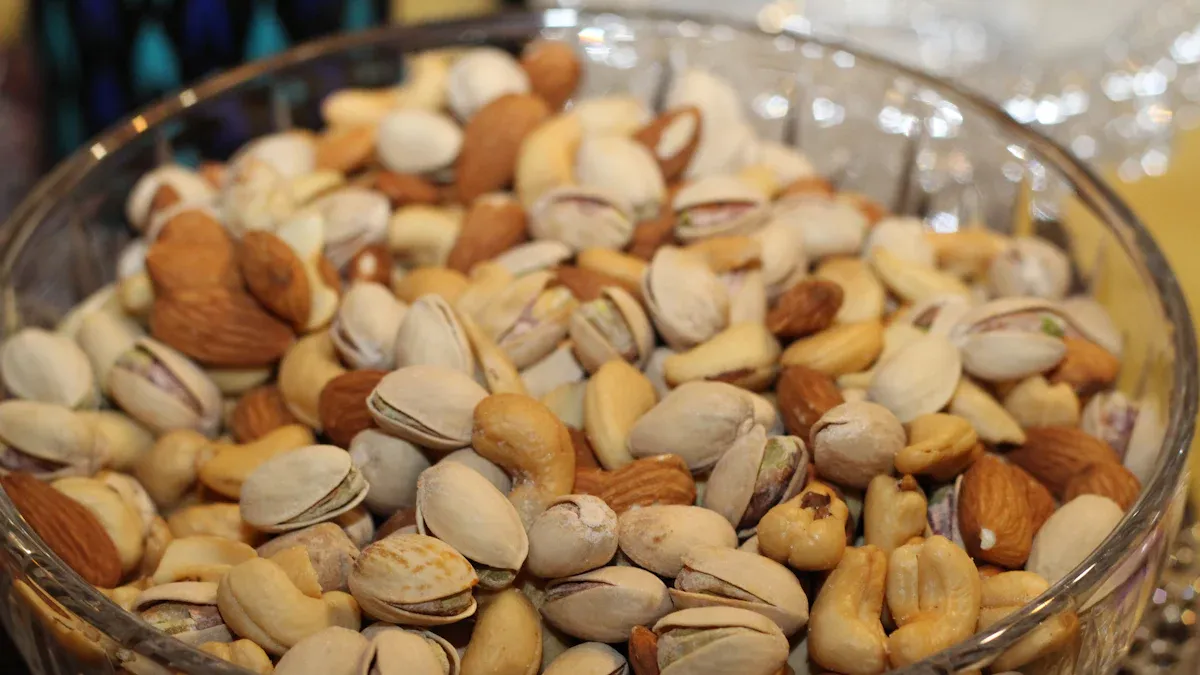
You can use Pistacia Integerrima to help with breathing problems. Many people rely on it for coughs, asthma, and bronchitis. The leaf galls are often ground into powder and mixed with honey. You may take this mixture to soothe a sore throat or calm a cough. Some people prepare a gruel from the galls to help with asthma symptoms.
Tip: You can find Pistacia Integerrima powder in herbal stores. Mix a small amount with honey for a natural cough remedy.
Scientists have studied how Pistacia Integerrima works for respiratory health. The following table shows what they found:
Study Type | Findings |
|---|---|
Laboratory Studies | Extracts from galls show anti-inflammatory, antitussive, and bronchodilatory properties. |
Animal Studies | Antitussive effects observed in mice, showing potential for cough suppression. |
Antimicrobial Activity | Galls fight respiratory pathogens. |
In Vitro Studies | Extracts show anti-inflammatory, antispasmodic, and antioxidant activities. |
Mouse Model Study | Reduced airway inflammation and pulmonary edema. |
You see that Pistacia Integerrima may help open airways, reduce swelling, and fight germs that cause respiratory infections.
Digestive Health
You may use Pistacia Integerrima for stomach problems. People often take it for diarrhea, indigestion, and loss of appetite. The leaf galls are used to make remedies for children and adults. You can mix the powder with water or curd to help with diarrhea.
Here is a table showing what researchers found about its digestive benefits:
Study Focus | Methodology | Key Findings |
|---|---|---|
Antidiarrheal effects of Pistacia Integerrima | In vivo assay with castor-oil-induced diarrhea in mice | Ethyl acetate extract showed 100% protection against diarrhea at 400 mg/kg p.o.; isolated compounds also gave full protection. |
Note: You should always check with a healthcare provider before using herbal remedies for digestive problems.
Immune and Antioxidant Effects
Pistacia Integerrima helps your body fight illness. The plant contains compounds that protect your cells from damage. Scientists found that extracts from the plant can lower inflammation and reduce oxidative stress. These effects may help your immune system work better.
Ethyl gallate, a compound from Pistacia Integerrima, can block cell adhesion molecules. This action helps lower inflammation in your body. The plant also contains quercetin and pyrogallol. These compounds act as antioxidants and help remove harmful free radicals.
Quercetin and pyrogallol are the main antioxidants in Pistacia Integerrima.
The ethyl acetate fraction of the plant fights DPPH and ABTS free radicals.
Pistacia Integerrima may help you stay healthy by supporting your immune system and protecting your cells.
Sexual Health
You may find Pistacia Integerrima used for sexual and reproductive health. Traditional medicine uses it for conditions like gonorrhea and gynecological disorders. Some people use it to help with bacterial vaginosis.
Used in traditional medicine for treating gonorrhea.
Mentioned for gynecological disorders.
Shown to help with bacterial vaginosis.
Always talk to a doctor before using herbal remedies for sexual health concerns.
Pistacia Integerrima also shows strong antimicrobial and anti-inflammatory effects. Studies found that extracts from the leaves and galls can reduce pain and swelling. The galls are more potent than the leaves. The extracts block enzymes that cause inflammation, such as cyclo-oxygenase (COX) and lipo-oxygenase. No acute toxicity was found when taken by mouth.
Precautions and Safe Use
Side Effects and Contraindications
You may find Pistacia Integerrima safe for most people when used in traditional amounts. Some people report mild stomach upset or allergic reactions. You should watch for symptoms like nausea, rash, or itching. If you notice any of these, stop using the herb and talk to a healthcare provider.
Pistacia Integerrima may interact with other medicines. You should tell your doctor if you use prescription drugs or have chronic health conditions.
Special Populations
You need to take extra care if you are pregnant, breastfeeding, or giving this herb to children. Experts say there is limited information about safety for these groups. You should always check with a doctor before using Pistacia Integerrima in these cases.
Pregnant women should not use Pistacia Integerrima without medical advice.
Children need a doctor’s approval before taking any herbal remedy.
People with chronic illnesses should consult their physician before use.
Dosage and Preparation
You can use Pistacia Integerrima in several ways. Traditional medicine uses infusions, decoctions, and topical applications. The leaf galls are most common for remedies. You may find powder or whole galls in herbal stores.
Preparation Method | Common Use |
|---|---|
Infusion | Cough, fever |
Decoction | Asthma, diarrhea |
Topical application | Skin problems |
You should follow package instructions or ask an herbalist for the right dose. Always look for products with proper labeling, food safety certification, and organic standards if possible.
Tip: Choose products that list the manufacturer, lot number, and allergen information for safety.
You find Pistacia Integerrima valued for its traditional and modern uses.
Supports respiratory and digestive health
Shows antimicrobial and anti-inflammatory effects
Contains beneficial phytochemicals
Safety Tip | Recommendation |
|---|---|
👩⚕️ Consult a healthcare provider | Especially if you are pregnant, have allergies, or take medications |
Always use Pistacia Integerrima wisely to balance tradition and safety.
FAQ
What is Pistacia Integerrima?
You find Pistacia Integerrima as a plant used in herbal medicine. People use its leaf galls for cough, asthma, digestive issues, and skin problems.
What side effects should you watch for?
You may notice mild stomach upset, rash, or itching. If you see these symptoms, stop using the herb and talk to your doctor.
Tip: Always check with your healthcare provider before starting any herbal remedy.
What is the best way to take Pistacia Integerrima?
You can use powder, infusion, or decoction. Mix powder with honey for cough. Use decoction for asthma or diarrhea. Always follow package instructions.
Form | Common Use |
|---|---|
Powder | Cough relief |
Decoction | Asthma, diarrhea |