


Wild garlic, also known as ramson, offers impressive health benefits that you won’t want to miss. Here are nine key benefits of wild garlic:
Rich in vitamins and minerals
Strong antioxidant effects
Supports heart health
Lowers blood pressure
Reduces cholesterol
Boosts immune function
Eases joint pain
Aids digestion
Promotes skin health
Scientists have discovered that this detoxifying spring herb, wild garlic, contains more magnesium, manganese, iron, and sulfur compounds than common garlic. The sulfur compounds found in wild garlic help regulate cholesterol and protect your heart. Additionally, wild garlic exhibits antioxidant, antimicrobial, and immune-boosting effects that contribute to disease prevention. Explore how incorporating the benefits of wild garlic into your meals can enhance your overall wellness.
Key Takeaways
Wild garlic is packed with nutrients like vitamin C, iron, and magnesium, which support overall health and boost immunity.
Incorporating wild garlic into your meals can help lower blood pressure and cholesterol, promoting heart health.
Wild garlic has strong antioxidant properties that protect your cells from damage and may reduce the risk of chronic diseases.
Using wild garlic can improve digestion by promoting gut health and balancing gut bacteria.
Wild garlic can enhance skin health by treating rashes and providing antifungal benefits.
Health Benefits of Wild Garlic
Rich in Nutrients
You can find a wide range of nutrients in wild garlic. This spring herb contains high levels of vitamin C, iron, potassium, and magnesium. These nutrients help your body fight infections, build strong bones, and keep your muscles working well. The health benefits of wild garlic start with its impressive nutritional profile. Take a look at the table below to see what you get in every 100 grams:
Nutrient | Amount per 100g |
|---|---|
Water | 91.0 g |
Fiber | 2.2 g |
Carbohydrates | 3.0 g |
Fat | 0.0 g |
Protein | 0.0 g |
Vitamin C | 150 mg |
Iron | 2.9 mg |
Potassium | 330 mg |
Magnesium | 20 mg |
Phosphorus | 50 mg |
Calcium | 75 mg |
Zinc | 0.3 mg |
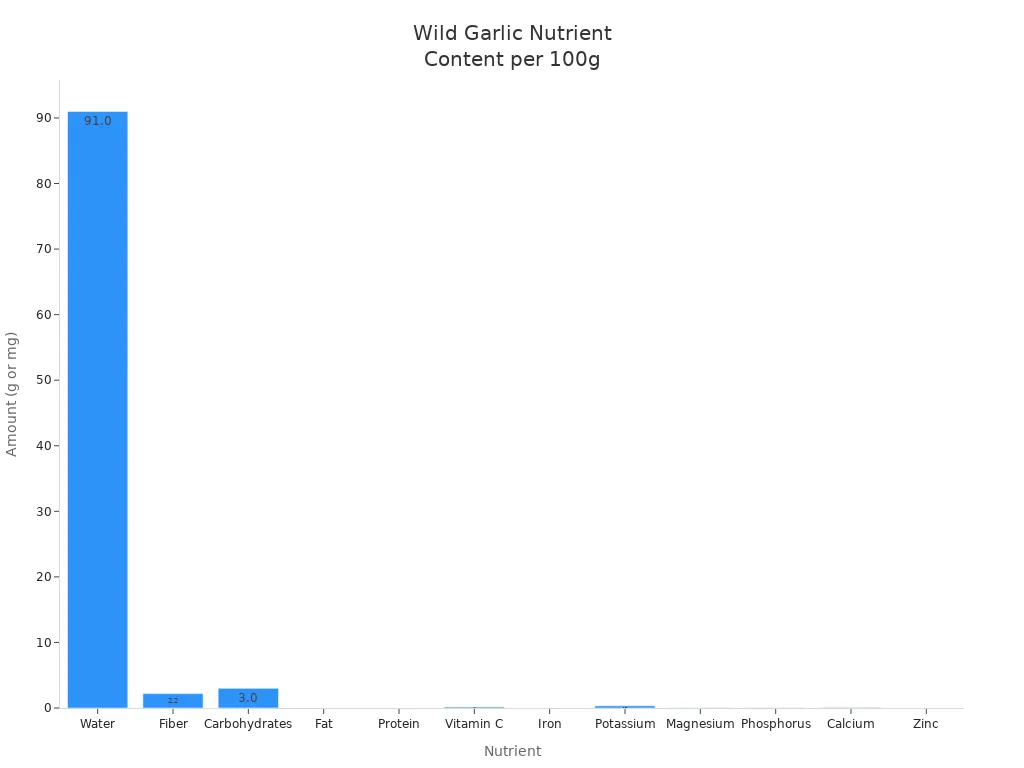
You get more vitamin C from wild garlic than from oranges. Iron and magnesium support your blood and nerves. The healing properties of ramson make it a smart choice for boosting your daily nutrition.
Tip: Add wild garlic leaves to salads or soups to increase your vitamin and mineral intake.
Antioxidant Effects
Wild garlic offers strong antioxidant effects. These antioxidants protect your cells from damage and lower your risk of chronic diseases. Research shows that the leaves and flowers of wild garlic have higher antioxidant activity than the bulbs of cultivated garlic or onions. This means you get better disease-preventing properties when you eat wild garlic. The health benefits of wild garlic include fighting free radicals, which may help lower your risk of heart problems and even support studies on wild garlic and cancer.
You can enjoy these health benefits by using wild garlic in your meals. Antioxidants help your body stay healthy and may slow down aging.
Supports Heart Health
Wild garlic improves heart health in several ways. You can find strong support for its role in protecting your heart in both clinical trials and observational studies. The health benefits of wild garlic include lowering blood pressure and reducing cholesterol, which are key factors for a healthy heart.
Study Type | Sample Size Range | Key Findings |
|---|---|---|
Clinical Trials | 5 to 49 | Beneficial impacts on blood lipid levels, blood pressure, and antioxidant enzyme activity observed. |
Observational Studies | 865 to 28,958 | Associated with reduced risks of chronic diseases and improved health metrics like insulin homeostasis. |
Lowers Blood Pressure
You can use wild garlic to help lower your blood pressure. Studies show that wild garlic has a greater effect than regular garlic on blood pressure in hypertensive rats. Garlic preparations work better than placebo for people with high blood pressure. Aged garlic extract also lowers systolic blood pressure in patients with uncontrolled hypertension.
Wild garlic shows a stronger effect than regular garlic in animal studies.
Garlic supplements help lower blood pressure in people with hypertension.
Aged garlic extract reduces systolic blood pressure in patients who do not respond to other treatments.
Tip: You can add wild garlic to your meals to support healthy blood pressure levels.
Reduces Cholesterol
Wild garlic helps reduce cholesterol levels. Research shows that garlic can lower total cholesterol and LDL, which are important for heart health. Compounds in wild garlic, such as ajoene, 2-vinyl-4H-1,3-dithiin, and allicin, play a role in this effect.
Compound | IC50 Value (M) |
|---|---|
Ajoene | 6.4 × 10⁻⁴ |
2-vinyl-4H-1,3-dithiin | 7.2 × 10⁻⁴ |
Allicin | 9.4 × 10⁻⁴ |
A Stanford study found that allicin can block cholesterol production in lab tests, but results in humans are not always consistent. You may still benefit from adding wild garlic to your diet, as it supports healthy cholesterol levels and improves heart health.
Boosts Immune Function
Antibacterial and Antiviral
Wild garlic helps your body fight off germs and viruses. You get this protection from special compounds found in the plant. These include S-allyl-L-cysteine sulfoxide (alliin), diallyl disulfide (DADS), and organosulfur compounds like allicin and ajoene. Fructooligosaccharides (FOS) in wild garlic also help your immune system by activating cells that attack harmful invaders.
S-allyl-L-cysteine sulfoxide (alliin)
Diallyl disulfide (DADS)
Allicin and ajoene
Fructooligosaccharides (FOS)
These compounds work together to keep your immune system strong. Pre-clinical studies show that organosulfur compounds in wild garlic can fight viruses such as influenza and coronaviruses. In one clinical trial, people who took allicin capsules had fewer colds than those who took a placebo. Allicin also acts as a powerful antimicrobial agent. It helps protect the plant from pests and can help you stay healthy by fighting bacteria.
Note: The health benefits of wild garlic include a detoxifying effect. It removes toxins from the body and supports your immune defenses.
Natural Antibiotic
Wild garlic acts as a natural antibiotic. Scientists have tested wild garlic extracts against harmful bacteria. The results show that wild garlic can stop the growth of bacteria that cause stomach and gut infections. Salmonella enteritidis, a common cause of food poisoning, is especially sensitive to wild garlic. The ethanolic extract of wild garlic works better than other types. This makes wild garlic a useful choice for natural remedies.
You can use wild garlic as an antimicrobial agent in your diet. Many people value the medicinal uses of wild garlic for its ability to fight infections. The benefits of wild garlic go beyond flavor. You support your immune system and help your body stay strong against illness.
Anti-Inflammatory Properties
Reduces Chronic Disease Risk
You can support your body’s fight against chronic diseases by adding wild garlic to your meals. This plant contains bioactive compounds such as sulphur-based compounds, phenolic compounds, and flavonoids. These substances help reduce inflammation in your body. Scientists have found that extracts from wild garlic leaves show strong anti-inflammatory effects in laboratory studies.
You may notice several positive changes when you eat wild garlic regularly:
Lower blood pressure
Improved cholesterol levels
Better insulin sensitivity
These changes help you manage inflammation and protect your heart. Garlic can lower total cholesterol by reducing LDL-C, which decreases your risk of cardiovascular diseases. Garlic oil also helps your liver by regulating inflammatory cytokines and gene expression. If you have diabetes, garlic may improve kidney function by reducing urinary protein levels. Garlic preparations show positive effects on cardiovascular disease indicators and do not cause serious side effects. The bioactive compounds in garlic, especially allicin, have antioxidative properties. They lower reactive oxygen species and stimulate the production of protective substances like glutathione.
Tip: You can add wild garlic leaves to salads or soups to boost your body’s defenses against chronic diseases.
Eases Joint Pain
You may find relief from joint pain when you use wild garlic. Researchers have studied garlic and its effects on arthritis and joint discomfort. The table below shows what scientists discovered about garlic and joint pain:
Study Title | Findings | Link |
|---|---|---|
The effects of garlic (Allium sativum) supplementation on inflammatory biomarkers, fatigue, and clinical symptoms in patients with active rheumatoid arthritis | Significant decrease in CRP, TNF-a, pain intensity, tender joint count, and disease activity score in the garlic group compared to placebo. | PubMed |
Does garlic supplementation improve rheumatoid arthritis symptoms? | Garlic supplementation improved RA symptoms and inflammation, but long-term effects are unknown. | Medivizor |
Validation of traditional claims of anti-arthritic efficacy of trans-Himalayan snow mountain garlic (Allium ampeloprasum L.) extract | SMG extract showed preventive anti-inflammatory and anti-arthritic activities comparable to dexamethasone. | ScienceDirect |
The effect of 12-week garlic supplementation on symptom relief in overweight or obese women with knee osteoarthritis | Stiffness significantly lower in garlic group; improvements in WOMAC total score and pain subscale noted. | PubMed |
You can see that garlic supplementation helps reduce pain, stiffness, and inflammation in people with arthritis. These health benefits make wild garlic a smart choice for anyone looking to ease joint discomfort.
Aids Digestion
Promotes Gut Health
You support your digestive system when you eat wild garlic. This plant contains fiber and organosulfur compounds that help your gut work well. You get several benefits for your gut health:
Garlic helps your body absorb nutrients better.
Allicin fights harmful bacteria and keeps your gut flora balanced.
Fiber in garlic helps you have regular bowel movements and prevents constipation.
Garlic supports the growth of good bacteria in your intestines.
Recent studies show that garlic can increase the diversity of your gut microbiome. You may notice more beneficial bacteria, such as Bifidobacterium, and fewer harmful ones, like Prevotella. When your gut has more good bacteria, you feel better and your digestion improves. Garlic fermentation also produces H2S gas, which may help regulate your appetite and support gut health.
Tip: You can add wild garlic leaves to salads or soups to help your gut stay healthy.
Wild Garlic Vinegar
You may find wild garlic vinegar helpful for your digestion. People have used it for many years to relieve stomach problems. Here are some ways wild garlic vinegar supports your digestive system:
It helps with bloating and constipation.
Vinegar in warm water before meals can stimulate digestion.
You may notice less heartburn and discomfort after eating.
Wild garlic vinegar gives your body natural support for digestive health. You can use it in salad dressings or take a small amount before meals. Many people enjoy its fresh taste and gentle effect on the stomach.
Manages Blood Sugar
Improves Insulin Sensitivity
You can support your blood sugar levels by adding wild garlic to your meals. Many people want to know what makes this plant helpful for managing diabetes and keeping glucose in check. Scientists have studied garlic and found that it can improve blood sugar control and help with insulin sensitivity.
Take a look at the table below. It shows what researchers discovered about garlic and blood sugar management:
Study Title | Findings | Duration | Forms of Garlic Used |
|---|---|---|---|
Effect of garlic supplement in the management of type 2 diabetes mellitus (T2DM) | Garlic significantly improved blood glucose control and had positive effects on lipid regulation | 1-24 weeks | Garlic powder tablet, aqueous homogenate of garlic |
Effects of Garlic on Glucose Parameters and Lipid Profile: A Systematic Review and Meta-Analysis on Randomized Controlled Trials | Garlic significantly improved fasting blood glucose (FBG) and HbA1c levels | 3 weeks to 1 year | Raw garlic, aged garlic extract, garlic powder tablets |
You may notice better fasting blood sugar and lower HbA1c when you eat garlic regularly. These changes help you keep your blood sugar stable and reduce the risk of diabetes complications.
Wild garlic works in several ways to improve insulin sensitivity. The table below explains what happens inside your body:
Mechanism | Description |
|---|---|
Insulin Secretion | Enhances insulin secretion from pancreatic β-cells. |
Oxidative Stress | Reduces oxidative stress, which can damage pancreatic β-cells. |
Liver Glycogen Synthesis | Increases liver glycogen synthesis, improving glucose metabolism. |
Tip: You can add wild garlic leaves to salads, soups, or smoothies to help your body use insulin better.
You get more than just flavor when you choose wild garlic. You support your body’s ability to manage blood sugar and improve insulin sensitivity. Many people find that including this herb in their diet helps them feel more energetic and balanced.
Skin Health Benefits
Treats Rashes
You may wonder what wild garlic can do for your skin. Many people use this plant to help with rashes and other skin problems. Studies show that garlic can treat conditions like psoriasis, alopecia areata, and keloid scars. You may notice better wound healing when you use garlic on your skin. Researchers found that garlic improves your skin’s immune response and blood flow. This can help your skin recover faster from irritation.
Garlic helps with psoriasis and alopecia areata.
You may see improvement in keloid scars and wound healing.
Garlic supports skin aging and protects against sun damage.
People have used garlic as a home remedy for warts and corns. You should know that garlic can sometimes cause skin irritation or allergic reactions. Always test a small area first if you try garlic on your skin.
Note: Garlic may help your skin look younger and heal faster, but you should use it with care to avoid irritation.
Antifungal Effects
Wild garlic contains special compounds that fight fungi. You get protection from alliin and allicin, which stop the growth of harmful fungi. Scientists tested these compounds and found strong antifungal activity against strains like Cryptococcus neoformans and A. fumigatus. Other bioactive substances in wild garlic also help keep your skin healthy by fighting germs.
Alliin and allicin target fungal infections.
Wild garlic works against common skin fungi.
Other compounds add to its antimicrobial power.
If you want to protect your skin from fungal problems, you can use wild garlic as a natural option. Many people find that it helps keep their skin clear and healthy.
Respiratory Support
Eases Breathing
You may wonder what wild garlic can do for your breathing. People have used this plant for centuries to help with respiratory problems. Wild garlic contains natural compounds that may help clear your airways and make breathing easier. Many believe it works as an expectorant, which means it helps loosen mucus in your lungs. You might notice relief from coughing or chest congestion when you use it.
Researchers and herbalists mention several properties that support respiratory health:
Bear garlic (Allium ursinum) has a history of use for asthma and lung cleansing.
Historical texts describe its role in easing breathing difficulties.
The plant shows anti-inflammatory and antimicrobial effects, which may help fight infections in your airways.
Some people use it to soothe symptoms of colds and flu.
You should know that scientific studies on wild garlic and asthma are limited. Most claims come from traditional medicine and historical records. Still, many people find comfort in using wild garlic for mild breathing issues.
Tip: You can add wild garlic leaves to soups or teas to enjoy their fresh flavor and possible benefits for your lungs.
Traditional Uses
Wild garlic and its close relative, garlic (Allium sativum), have a long history in folk medicine. People in many cultures use these plants to treat respiratory disorders. You may see wild garlic mentioned in old remedies for pneumonia, coughs, and influenza.
Here are some traditional uses for respiratory health:
Treating pneumonia with garlic preparations
Easing coughs and chest discomfort
Supporting recovery from asthma attacks
Reducing symptoms of influenza
You can find stories and records of wild garlic helping people breathe easier. Herbalists often recommend it for its gentle action and natural support. You may want to explore these traditional methods, but always check with a healthcare provider before trying new remedies.
How to Use Wild Garlic
Culinary Tips
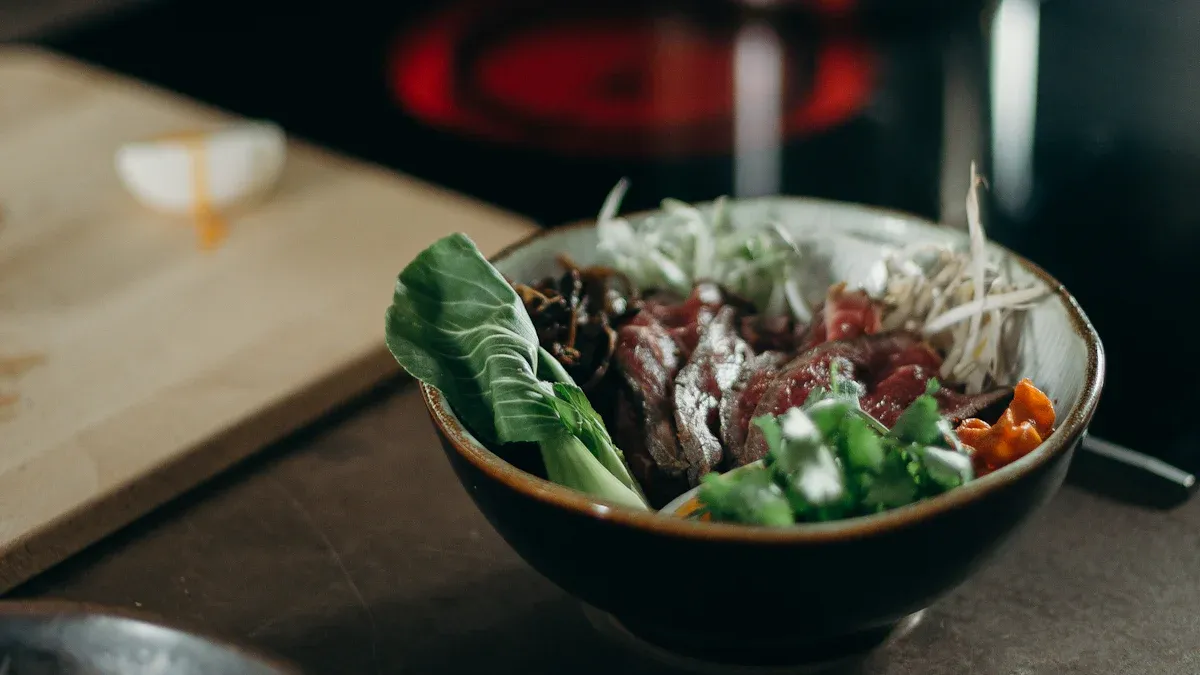
You can find many ways to enjoy the culinary uses of wild garlic. This plant brings a fresh, mild garlic flavor to your meals. You can use both the leaves and flower buds. Many cuisines use wild garlic in creative ways:
Wild garlic chilli sauce adds a spicy kick to toast or pasta.
Wild garlic chilli oil gives noodles and eggs a bold taste.
Pickled wild garlic flower buds make salads tangy.
Wild garlic capers offer a preserved, zesty option for dishes.
No-knead wild garlic focaccia creates a unique bread with a garlic aroma.
You can blend wild garlic leaves into butter for sauces or fish. You can swap wild garlic for leeks in potato soup for extra flavor and color. You can also dry the leaves and mix them with salt for a homemade seasoning. Some people pack wild garlic leaves in vinegar to use in salads and dressings.
Eating wild garlic raw gives you the most vitamins and minerals, such as iron, potassium, and vitamin C. Raw wild garlic acts as a natural immune booster, especially during cold and flu season. Cooking wild garlic still gives you its high sulfur content, which supports antibacterial and antiviral effects.
Tip: You can add chopped wild garlic to salads, omelets, or sandwiches for a burst of flavor and nutrition.
Simple Wild Garlic Recipe
You can make a quick wild garlic salt at home. This recipe keeps the fresh taste and health benefits of ramson.
Recipe Name | Ingredients | Method |
|---|---|---|
Wild Garlic Salt | 2 cups wild garlic leaves, 1kg natural salt | Blend wild garlic and salt, mix, bake at 80℃, dry overnight, store in jars. |
You can sprinkle wild garlic salt on eggs, roasted vegetables, or popcorn. This recipe for wild garlic pesto is also popular. You blend wild garlic leaves, olive oil, nuts, and cheese for a bright green spread. Wild garlic kimchi is another option. You massage wild garlic with salt, add leeks and apple, and let it ferment for a tangy side dish.
Note: Wild garlic and clove garlic both have antibacterial and antifungal effects, but wild garlic may lower blood pressure even more.
Foraging Ramson Safely
Identification Tips
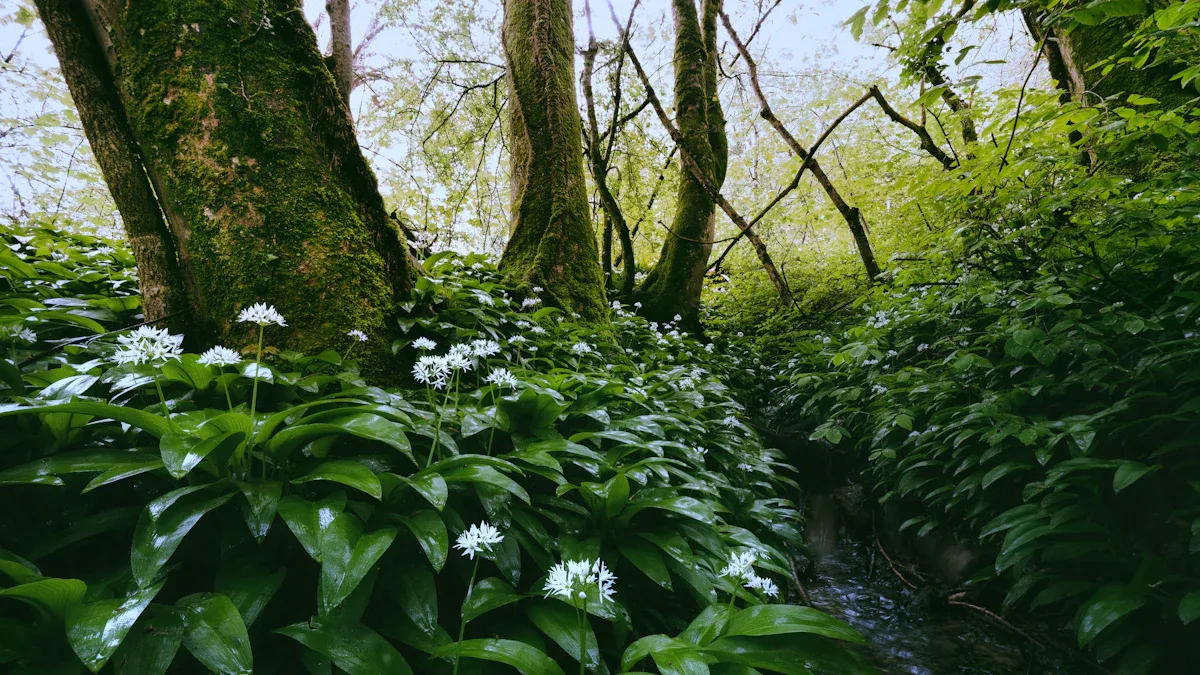
You want to feel confident when you search for ramson in the wild. Wild garlic identification starts with your senses. The first thing you notice is a strong garlic scent when you rub a leaf between your fingers. The leaves grow wide, pointed, and bright green, each tapering to a single stem. At the base, you find a small white bulb. Flowers appear in clusters and look star-shaped with six pointed petals, usually blooming in April and May.
Here is a quick checklist to help you recognize ramson:
Smell the leaf-does it have a garlic or chive scent?
Look for single leaves per stem, not multiple.
Check for star-shaped white flowers in spring.
Find a tiny white bulb at the base.
Tip: Always use your nose and eyes together. The garlic scent is the most reliable clue.
Avoiding Lookalikes
You need to know what plants look similar to ramson. Some lookalikes can be dangerous. Lily-of-the-valley and autumn crocus often grow near wild garlic and can cause serious poisoning if eaten. Lily-of-the-valley has two leaves per stem and no garlic smell. Autumn crocus has several upright leaves and blooms violet flowers later in the year.
Plant | Flowering Period | Flower Type | Odor | Leaf Characteristics |
|---|---|---|---|---|
Ramson | April to June | Small, white, star-shaped | Garlic scent | Leaves from base, matte underside, strong scent when crushed |
Lily-of-the-Valley | May to June | Small, white, bell-like | No garlic smell | Two leaves per stem, same color on both sides |
Autumn Crocus | Late summer to autumn | Crocus-like, violet | No garlic smell | Several upright leaves per stem |
⚠️ Note: Never eat a plant unless you are sure it is ramson. Misidentification can lead to severe health risks, especially in spring.
Safe Harvesting
You help protect nature when you harvest ramson responsibly. Take only what you need and leave enough for the plants to thrive. Thin out abundant patches instead of stripping large areas. Avoid cutting whole clumps at the base so bulbs stay healthy. Tread lightly, especially early in the season, to protect new shoots.
Follow these best practices:
Stick to paths and avoid uprooting plants.
Seek permission before foraging on private land.
Move around to avoid over-harvesting one spot.
Use buds and flowers sparingly to protect the plant’s life cycle.
Watch for other foragers and avoid heavily picked areas.
Tip: You support the environment when you harvest ramson with care. Responsible foraging keeps wild garlic available for everyone.
You discover many benefits of wild garlic when you add ramson to your meals. This plant supports your heart, boosts your immune system, and helps your body fight inflammation. You get vitamins, minerals, and natural compounds that aid digestion and protect your skin. Always check for the garlic scent and harvest only what you can identify. Try wild garlic in your recipes and see what it can do for your health. 🌱
FAQ
What does wild garlic taste like?
Wild garlic tastes fresh and mild. You get a gentle garlic flavor with a hint of sweetness. The leaves taste less sharp than regular garlic cloves. You can enjoy them raw or cooked.
What parts of wild garlic can you eat?
You can eat the leaves, stems, flower buds, and flowers. Most people use the leaves in salads, soups, or pesto. The bulbs are edible, but you should leave them in the ground to help the plant grow back.
What is the best way to store wild garlic?
You should keep wild garlic in the fridge. Wrap the leaves in a damp paper towel and place them in a plastic bag. They stay fresh for up to one week. You can also freeze or dry the leaves for longer storage.
What are the main risks of eating wild garlic?
You must avoid lookalike plants like lily-of-the-valley. These can be poisonous. Always check for the garlic smell before eating. Some people may get stomach upset or skin irritation from wild garlic.
What makes wild garlic different from regular garlic?
Wild garlic grows wild in forests and fields. You eat the leaves, not the bulbs. The flavor is milder and fresher. Wild garlic contains more vitamin C and some unique plant compounds that support your health.