

A strong immune system is crucial, especially in today’s world. Your body constantly defends against threats. Zinc is a vital mineral for immune function and overall health, playing a key role in providing Immune Support. Did you know an estimated 17.3% of the global population faces inadequate zinc intake? This highlights the importance of sufficient zinc. People are increasingly interested in natural, herbal sources for nutritional support. The herbal supplement sector is growing significantly, with a projected CAGR exceeding 11.80%. This blog explores herbs high in zinc and how they can naturally contribute to boosting immunity and offering robust Immune Support.
Key Takeaways
Zinc is very important for a strong immune system. It helps your immune cells work well and protects your body.
Many common herbs like Holy Basil, Satavari, and Fenugreek seeds have zinc. You can add them to your food or drinks.
You can also get zinc from seeds, nuts, legumes, and whole grains. Eating these foods helps your body get enough zinc.
To get more zinc from your food, eat it with Vitamin C. Soaking and sprouting legumes also helps your body absorb zinc better.
Always talk to a doctor before taking zinc supplements. They can tell you the right amount to take.
Zinc’s Role in Immune Support
Zinc and Immune Cell Function
Zinc is a vital mineral. Many people call it the ‘gatekeeper’ of your immune system. It is crucial for all your immune cells to work correctly. For example, zinc helps your B cells. When B cells activate, their zinc levels increase. This process helps them multiply. If you do not get enough zinc, you can lose many B cells. This weakens your immune response. Zinc also helps B cells make antibodies. These antibodies fight off infections. Zinc ions help B cells grow. They do this through important cell pathways. Zinc also stops B cells from dying too soon. This keeps your immune system strong. A lack of zinc can also stop your body from making enough regulatory B cells. These cells help control your immune response.
Antioxidant and Anti-inflammatory Benefits
Zinc also acts as a powerful antioxidant. It helps protect your cells from damage. This damage comes from harmful molecules called free radicals. Zinc is also an anti-inflammatory agent. It helps calm down inflammation in your body. This is good for your overall immune health. Studies show zinc can lower specific markers of inflammation. These include C-reactive protein (CRP) and interleukin-6 (IL-6). It also reduces tumor necrosis factor-α (TNF-α). Zinc can decrease malondialdehyde (MDA) and lipid peroxidation. These are signs of cell damage. By reducing these, zinc helps keep your body healthy.
Overall Health Benefits of Zinc
Beyond supporting the immune system, zinc offers many other important health benefits of zinc. It helps prevent chronic diseases. As an antioxidant, zinc protects your cells. This protection can reduce your risk of diseases like cancer and heart disease. Zinc also helps repair your DNA. This keeps your genetic material safe. For your heart, zinc supports healthy inflammation. This prevents plaque buildup in your arteries. It lowers your risk of heart problems. Zinc also helps regulate your blood sugar. It is involved in making and using insulin. This helps prevent and manage diabetes. Furthermore, zinc is essential for hormonal balance. It helps produce and regulate hormones. These include thyroid hormones, testosterone, and estrogen. Zinc supports thyroid function. It helps convert hormones. It also aids testosterone production in men. For women, zinc helps manage hormonal changes. This can ease PMS symptoms. These diverse roles highlight how vital zinc is for your well-being.
Identifying Zinc Deficiency
Common Signs of Low Zinc
You might wonder if you have enough zinc. Your body shows several common signs if you lack this important mineral. You may experience frequent head colds or a lowered immune system. You might notice blurry vision or unexplained weight loss due to changes in appetite. Other signs of zinc deficiency include unexplained hair loss and wounds that heal slowly. You could also find yourself more prone to diarrhea. Your senses of smell and taste might decrease. Children with low zinc often show slow growth. You might also feel frequent brain fog or have memory problems. Drops in blood sugar can also occur. Look for brittle nails with white spots or poorly shiny teeth that chip easily. You might also have a white tongue coating or be prone to mouth ulcers. Skin problems like acne or scaly skin that heals slowly are also indicators.
Who is at Risk
Certain groups of people are more likely to have low zinc levels. Older individuals, especially those aged 80 and above, often face this issue. About 47.8% of males and 44.4% of females in this age group have a zinc deficiency. Males aged 50 and older consistently show higher rates of zinc deficiency than females their age. However, females in their 20s and 30s have higher rates compared to males in the same age group. People staying in hospitals, known as inpatients, also have a much higher chance of zinc deficiency. About 50.3% of inpatients experience this, compared to 23.1% of outpatients. If your BMI is under 25, you also have a higher chance of low zinc.
When to Seek Medical Advice
You should talk to a doctor if you notice severe or persistent symptoms. Critical signs include a slowing or stopping of growth and development, especially in children. Delayed sexual maturation also warrants medical attention. Look out for characteristic skin rashes or chronic, severe diarrhea. If you have immune system deficiencies or wounds that do not heal, consult a professional. A diminished appetite or impaired taste sensation are also reasons to seek advice. Other serious symptoms include night blindness, swelling or clouding of the cornea, and behavioral changes. If you experience significant hair loss, brittle nails, or frequent infections, speak with your doctor. They can test your zinc levels and recommend the right supplements or dietary changes.
Herbs High in Zinc
You can find many natural sources of zinc in the plant world. These herbs high in zinc offer a great way to get this important mineral. They also provide other benefits for your health. Let’s explore some of these amazing herbs.
Holy Basil (Tulsi)
Holy Basil, also known as Tulsi, is a revered herb. People often call it the “Queen of Herbs.” It is famous for its adaptogenic properties. This means it helps your body handle stress. Tulsi is rich in minerals like zinc. This mineral helps your immune system stay strong. Holy basil contains about 7.1 mg of zinc. This amount meets 47% of your recommended daily allowance (RDA). Even a small amount adds up. For example, 2 tablespoons (5.3 grams) of chopped basil give you 0.04 mg of zinc. You can enjoy Tulsi in teas or add fresh leaves to your meals. It is a wonderful natural source for boosting immunity.
Brahmi (Indian Pennywort)
Brahmi is another powerful herb. People use it often in traditional medicine. It is known for supporting brain health. Brahmi also offers benefits for your immune system. It contains various nutrients, including zinc. This makes it a valuable addition to your diet. You can find Brahmi in powdered form. You can add it to smoothies or make a tea.
Satavari (Asparagus Racemosus)
Satavari is a type of wild asparagus. It is famous for its ability to support women’s health. However, it also provides great immune support. Satavari roots are a rich natural source of zinc. In fact, Asparagus racemosus roots contain an impressive 53.15 mg/g of zinc. This makes it one of the most potent herbal sources. You can use Satavari powder in drinks or capsules.
Fenugreek Seeds
Fenugreek seeds are small but mighty. People use them in cooking and for their health benefits. They help with digestion and blood sugar control. These seeds also contain zinc. This mineral helps your body fight off sickness.
Nutrient | Amount |
|---|---|
Serving Size | 1 tsp (4g) |
Zinc (Zn) | 0.09mg |
You can add fenugreek seeds to curries, stews, or sprout them.
Nettle Leaf
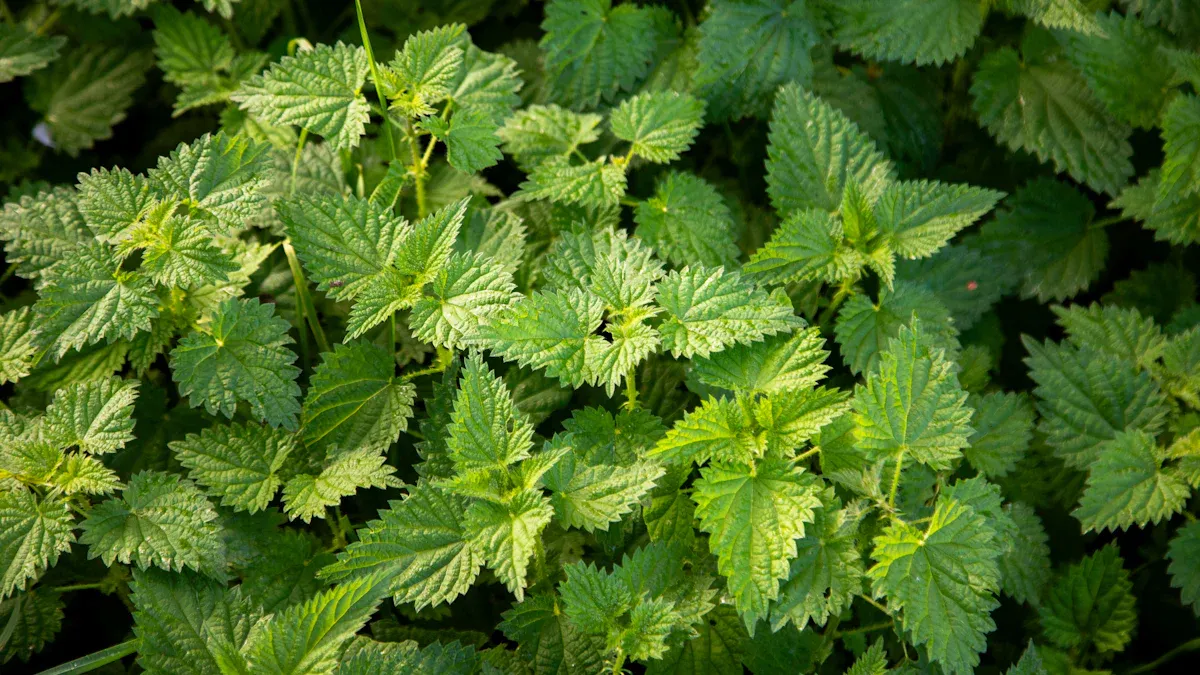
Nettle leaf is a common plant. It is full of vitamins and minerals. These include iron, magnesium, and zinc. Nettle leaf helps reduce inflammation. It also supports your immune system. You can make nettle tea or add cooked nettle leaves to dishes.
Dandelion Root
Dandelion root is more than just a weed. It is a powerful herb. It helps cleanse your liver and supports digestion. Dandelion root also contains zinc. This helps keep your immune system healthy. You can roast dandelion root to make a coffee substitute. You can also use it in herbal teas.
Parsley
Parsley is a popular herb. You often use it as a garnish. It is also packed with nutrients. Parsley contains vitamins K, C, and A. It also provides a good amount of zinc.
Nutrient | Quantity |
|---|---|
Zinc | 1.07 mg |
You can add fresh parsley to salads, soups, and sauces. It is an easy way to boost your zinc intake.
Thyme
Thyme is a fragrant herb. You use it in many dishes. It has strong antioxidant properties. Thyme also contains zinc. This helps protect your cells and supports your immune system.
Serving Size | Nutrient | Value |
|---|---|---|
100 g | Zinc, Zn | 1.81 mg |
You can use fresh or dried thyme in your cooking. It adds flavor and health benefits. These herbs high in zinc are excellent natural choices.
Other Natural Zinc Sources
Seeds and Nuts
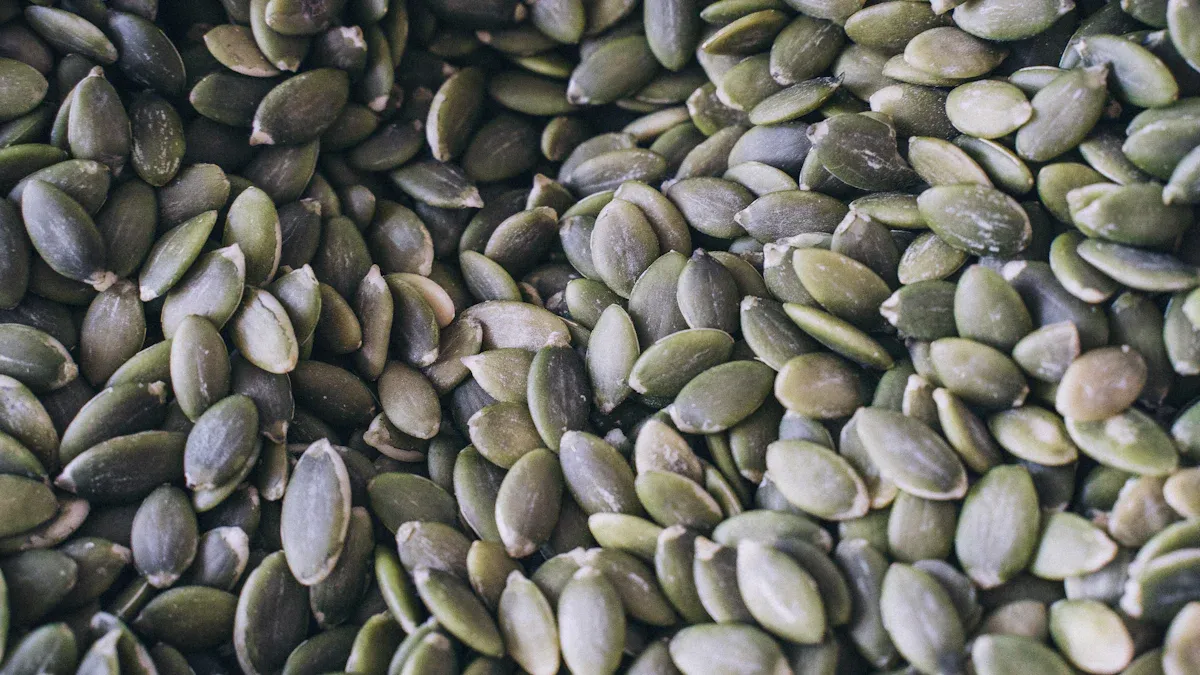
Beyond herbs, many other natural food sources can boost your zinc intake. Seeds and nuts are excellent options. They offer a convenient way to get this vital mineral. Look at this table to see how much zinc you can get from just one ounce:
Seed/Nut | Zinc per 1 oz Serving |
|---|---|
Squash and Pumpkin Seeds | 3mg (27% DV) |
Hemp Seeds | 3mg (26% DV) |
Pine Nuts | 2mg (17% DV) |
Cashews (Dry Roasted) | 2mg (14% DV) |
Sunflower Seeds | 2mg (14% DV) |
Pecans (Dry-Roasted) | 1mg (13% DV) |
Chia Seeds | 1mg (12% DV) |
Flax Seeds | 1mg (11% DV) |
Brazil Nuts | 1mg (10% DV) |
Almonds | 1mg (9% DV) |
Pumpkin seeds and hemp seeds lead the list. You can easily add them to your diet.
Legumes
Legumes are another great category of food rich in zinc. These include chickpeas, lentils, and black beans. They have a high mineral content. However, legumes also contain phytate. Phytate can stop your body from absorbing zinc well. You can improve zinc absorption by soaking or sprouting legumes. These methods break down the phytate. This makes legumes better sources of zinc for you.
Whole Grains
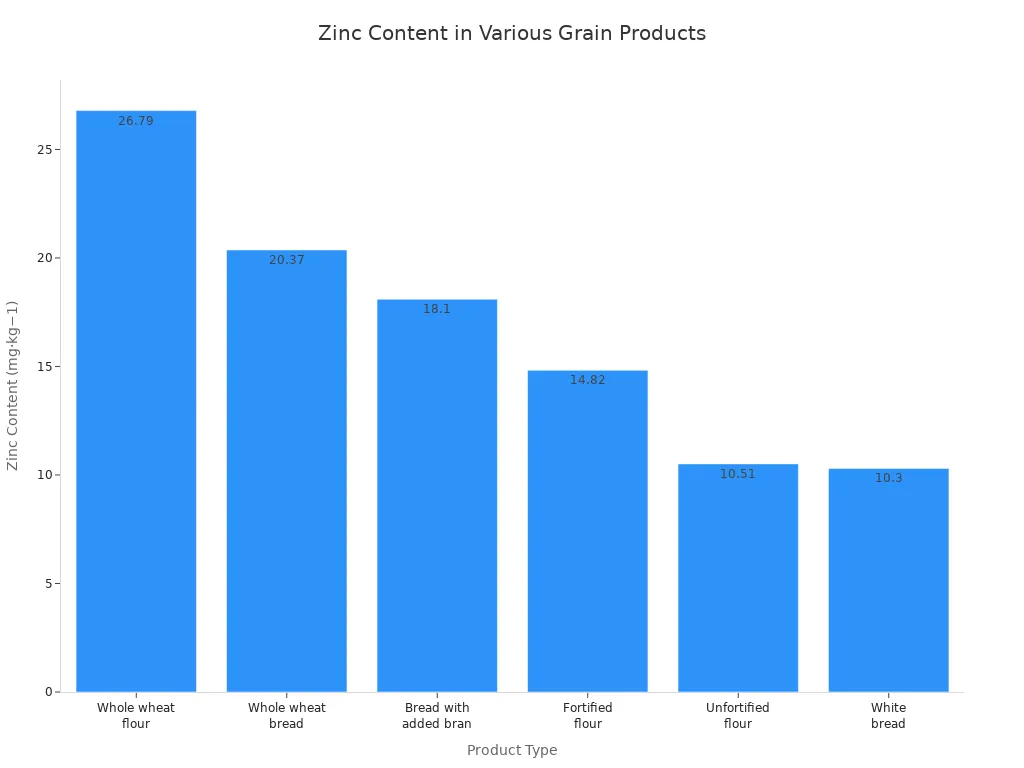
Whole grains also provide zinc. Whole wheat bread, for example, has much more zinc than white bread. A slice of whole-wheat bread gives you 3.5 milligrams of zinc. White bread only has 0.4 mg. Wheat is a major global grain. Eating wheat-derived foods can help you get more zinc. However, whole grains also contain phytic acid. This can affect zinc absorption. You should balance your intake of whole grains with other natural food sources of zinc.
Zinc-Rich Vegetables
You can also find zinc in many vegetables. Potatoes offer about 1 mg of zinc per potato. This gives you 9% of your daily need. Green beans and kale provide about 3% of daily needs per 100 grams. Other vegetables like mushrooms, spinach, broccoli, and garlic also contain zinc. You can easily add these to your meals.
Maximizing Zinc Absorption
You want to get the most out of the zinc you eat. Understanding how your body uses this mineral is important. You can take steps to help your body absorb more zinc from your food.
Understanding Bioavailability
Bioavailability means how well your body can absorb and use a nutrient. For zinc, some things in plant foods can make it harder for your body to absorb it. Phytates, also called phytic acid, are a big factor. You find them in common plant foods like cereals, corn, rice, and legumes. They bind tightly to zinc. This stops your body from absorbing the zinc. However, you can reduce phytate content. Techniques like leavening, fermentation, germination, and milling help. Adding protein to your meal also helps. Animal protein, in particular, can lessen the bad effects of phytates.
Pairing with Vitamin C
You can also boost your zinc absorption by pairing it with vitamin C. Vitamin C helps your body absorb many minerals better. When you eat foods rich in zinc, try to include foods high in vitamin C. For example, you can add bell peppers to a lentil soup. Or you can have a glass of orange juice with your zinc-rich meal. This simple step helps your body get more of the vital zinc it needs.
Soaking and Sprouting
Soaking and sprouting are great ways to improve zinc absorption from plant foods. These methods reduce the phytate content. Phytates are those inhibitors that stop mineral absorption. Soaking can reduce zinc content by 12.5% to 27.6%. It can also increase zinc bioavailability by 38.4% to 44.2%. Sprouting is even more effective. It reduces zinc content by 24.5% to 29.2%. It increases bioavailability by 49.3% to 58.7%. These processes activate enzymes that break down phytates. This makes more zinc available for your body to use. A lower phytate-to-zinc ratio means your body can absorb more zinc.
Zinc is vital for a strong immune system and your overall well-being. It provides crucial immune support. We explored many natural zinc sources, including beneficial herbs. Incorporate these into your daily diet for natural immune support. A nutrient-rich diet strengthens your body’s immune system. Always consult a healthcare professional before major dietary changes or new supplements.
FAQ
Can you get too much zinc from herbs?
You generally do not get too much zinc from herbs alone. Herbs provide zinc in smaller, natural amounts. Your body absorbs these forms well. It is difficult to reach toxic levels through diet. Always follow recommended serving sizes for herbal preparations.
How long does it take for zinc-rich herbs to improve immunity?
You will not see immediate changes. Boosting your immune system takes time. Consistent intake of zinc-rich herbs supports your body’s defenses. You build stronger immunity over weeks or months. A balanced diet and healthy lifestyle also help.
Are there any side effects from consuming these herbs?
Most zinc-rich herbs are safe for regular use. Some people may experience mild digestive upset. Always start with small amounts. You should consult a healthcare professional if you have allergies or medical conditions. They can offer personalized advice.
Can you combine different zinc-rich herbs?
Yes, you can combine different zinc-rich herbs. This often provides a wider range of nutrients. You can mix them in teas or meals. Ensure you do not overconsume any single herb. Listen to your body’s response.