

Discover butterfly pea flower tea, a vibrant blue herbal infusion. It comes from the Clitoria ternatea plant. This natural, caffeine-free beverage is gaining popularity. You will enjoy its beautiful look and potential health benefits. What makes butterfly pea flower tea truly special? It is a color-changing tea. Watch its amazing color changing property transform your drink.
Key Takeaways
Butterfly pea flower tea is a blue drink from the Clitoria ternatea plant. It changes color when you add lemon.
This tea has many health benefits. It helps your body fight bad cells and reduces swelling.
The tea can make your brain work better. It also helps your skin and hair look good.
You can use butterfly pea flowers in many ways. You can drink it, color food, or use it in beauty products.
What Is Butterfly Pea Flower Tea
The Clitoria Ternatea Plant
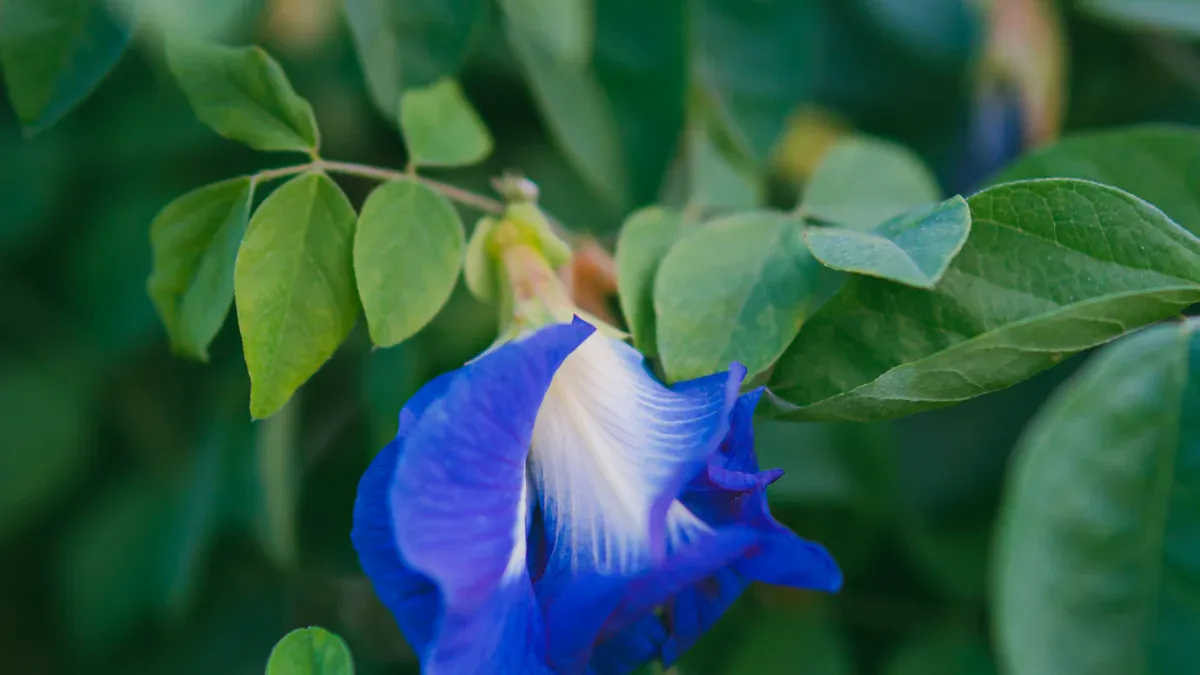
The Clitoria ternatea plant is the source of your vibrant blue tea. This perennial herbaceous plant grows as a beautiful vine or creeper. You will notice its elliptic, obtuse leaves. The plant produces vivid deep blue flowers, though some varieties also yield white or pink blooms. These solitary flowers are about 4 cm long by 3 cm wide and often have light yellow markings. After flowering, the plant forms flat pods, 5–7 cm long, each containing six to ten seeds.
This plant is a slender climbing legume. It has short, soft hairs on its stem and deep roots. Its foliage consists of alternately-arranged pinnate leaves with 5-7 elliptic or ovate leaflets. These leaflets are typically 2.5-5 cm long and 1.5-3.5 cm wide. The plant grows rapidly, reaching heights of 10 to 15 feet.
For optimal growth, Clitoria ternatea thrives in full sun, needing six to ten hours of sunlight daily. It prefers rich, well-drained soil with moderate moisture. You should plant it in early spring after the danger of hard frost has passed. The plant grows best in temperatures from 65°F to 82°F. It requires a trellis or other support for climbing. This also improves air circulation and makes harvesting easier. You can easily grow it from seed. Scarify the seeds and soak them in warm water for 12-24 hours to improve germination. This plant is also fairly resistant to garden pests.
The deep blue color of butterfly pea flower tea comes from special compounds. These are anthocyanins, especially delphinidin. These compounds also give the tea its amazing color-changing ability. When you add something acidic, like lemon, the color shifts from blue to purple or pink. The flowers also contain quercetin, a powerful antioxidant. Quercetin helps with anti-inflammatory and antibacterial properties.
Traditional Origins and History
The Clitoria ternatea plant has a rich history. Its specific name, ternatea, might come from the island of Ternate in Indonesia. However, many believe its true origin lies around the Indian Ocean, with India often recognized as its birthplace. Michael Gomez Selvaraj, a leading researcher, supports India as its place of origin.
People have brewed butterfly pea flower tea for centuries in Southeast Asia. It has been a key ingredient in herbal teas and cooking across the region. This plant holds significant cultural meaning, symbolizing natural beauty, purity, and harmony. You find it integrated into various cultural practices, including rituals, ceremonies, and wedding customs.
Traditional healers in Southeast Asia and China have long used this plant for its healing properties. It has roots in Ayurvedic medicine, where ancient doctors recommended it for health issues. Historically, elite and royal people consumed this tea. Religious texts mention the flower as Aparajita, linking it to emotions, protection, affection, and peace. You can see it offered to various Hindu gods as part of daily worship.
How It’s Made
Making a cup of butterfly pea flower tea is simple. You can use either fresh or dried flowers. If you use fresh flowers, remove the green stalks and stems first. Rinse them thoroughly.
Here is how to make butterfly pea tea using a traditional brewing method:
Heat water in a pot until it is just about to boil.
Turn off the heat and add the butterfly pea flowers to the hot water.
Cover the pot with a lid and let the flowers steep for 3-5 minutes. The water will turn a deep blue.
Strain the tea to remove the flowers. You can then discard the flowers.
For a quick method, you can also use an Instant Pot. Add the flowers and water to the inner pot. Close the lid and pressure cook for 1 minute. Release the pressure immediately. Strain the tea once the valve goes down.
You can serve your butterfly pea flower tea hot or cold. For hot tea, pour it into a cup and add sweetener or lemon juice to taste. For cold tea, fill a glass with ice cubes, then pour in the tea. Add sweetener and lemon juice if you like. You can also add mint leaves, blueberries, or raspberries for extra flavor. This traditional brewing method ensures you get all the benefits and the beautiful color. Enjoy brewing butterfly pea flower tea and watching its magical transformation!
Benefits of Butterfly Pea Flower Tea
You will find many impressive health benefits in butterfly pea flower tea. This vibrant drink offers more than just beauty. It provides a range of wellness advantages for your body and mind. The health benefits of butterfly pea tea come from its unique compounds. These include phenolic compounds and anthocyanins. These compounds give the tea its therapeutic potential. They help reduce cardiovascular risks. They also show anti-cancer and anti-diabetic properties. You can enjoy these benefits with every cup.
Antioxidant Properties
This tea is rich in antioxidants. These powerful compounds protect your body. They fight against harmful molecules called free radicals. Free radicals can damage your cells. This damage leads to aging and various diseases.
The main antioxidants in butterfly pea flowers are ternatin, kaempferol, quercetin, and myricetin. These phenolic compounds contribute to many health benefits. They work by reducing inflammation. They also protect your cells from damage. For example, anthocyanins in the tea increase blood flow to your eyes. This supports eye health. It helps treat conditions like glaucoma and retinal damage. It also enhances night vision.
Anti-Inflammatory Effects
Butterfly pea flower tea also has strong anti-inflammatory effects. Inflammation is your body’s response to injury or infection. However, chronic inflammation can harm your health. The tea helps reduce this inflammation.
Many compounds in the tea contribute to this effect. These include anthocyanin (especially ternatins), flavonoids, kaempferol, quercetin, and myricetin glycosides. Gallic acid and p-coumaric acid also play a role. These phytochemicals reduce the synthesis of inflammatory mediators. They also reduce inflammatory enzymes.
Studies show these anti-inflammatory benefits. For example, laboratory tests found that butterfly pea flower extract significantly inhibited hemolysis. This is a marker of inflammation. Its effect was similar to aspirin. Animal studies also showed promising anti-inflammatory activity. They found that the extract reduced inflammation markers like TNF-α and IL-6. This means this tea can help your body heal and reduce swelling. It also contributes to healthy digestion by soothing stomach muscles. This can alleviate nausea and indigestion.
Brain Health Support
You can also support your brain health with this tea. This tea is known as a nootropic. Nootropics are substances that help improve cognition, memory, and learning.
Traditional Ayurvedic medicine calls butterfly pea a ‘medhya rayasana’. This means it is a brain tonic. It helps your memory and cognitive function. The tea positively impacts acetylcholine levels in your hippocampus. Acetylcholine is a neurotransmitter crucial for learning and memory.
Studies suggest that butterfly pea flower extracts can enhance memory and learning. This is due to their antioxidant and anti-inflammatory properties. They also inhibit acetylcholinesterase. This enzyme breaks down acetylcholine. By inhibiting it, the tea helps keep acetylcholine levels higher. This leads to improved mental clarity and focus. For example, root extract improved memory performance in rats. It also enhanced synaptic function. This suggests it could help with cognitive decline.
Skin and Hair Enhancement
This tea offers benefits for your skin and hair too. Its antioxidants, polyphenols, and flavonoids stimulate collagen and elastin production. Collagen and elastin are vital for healthy, youthful skin.
When applied topically, butterfly pea flower can increase skin hydration by 70% within an hour. Its anti-glycation properties may slow skin aging. Its anti-inflammatory nature helps treat skin irritation. This includes redness, itching, and allergies. Quercetin in the tea also helps moisturize your skin.
For your hair, anthocyanin increases blood flow to your scalp. This strengthens hair follicles. It promotes hair growth. It can also naturally darken your hair. These benefits help you achieve glowing skin and stronger hair.
Stress and Relaxation
If you need to relax, this tea can help. It reduces stress and anxiety. Traditional medicine, like Ayurveda and Thai medicine, uses it as a brain tonic. It helps alleviate stress and anxiety.
The tea’s calming properties come from its ability to modulate neurotransmitter levels. It also works through antioxidant pathways. Preliminary animal studies show that butterfly pea extracts have anxiolytic effects. This means they reduce anxiety. They also have adaptogenic effects. This means they help your body cope with stress.
Compounds like cyclotides in the extract may help reduce bedtime anxiety. They can also calm racing thoughts that disrupt sleep. Enjoying a warm cup of butterfly pea flower tea can bring you a sense of calm.
Blood Sugar Management
This tea can also help manage your blood sugar. This is especially helpful for people with diabetes. The tea has antidiabetic effects. It can reduce blood glucose levels.
Studies on rats with diabetes showed that butterfly pea flower extract decreased glucose levels. This effect comes from its rich phytochemicals. These include flavonoids, phenols, inositol, and catechin. These compounds have antioxidant and anti-inflammatory actions. They contribute to lower blood glucose.
The tea also inhibits key digestive enzymes. These enzymes break down carbohydrates into simple sugars. By inhibiting them, the tea prevents a rapid rise in blood sugar levels. This helps manage hyperglycemia. It also helps with hyperinsulinemia. These conditions are linked to type 2 diabetes and obesity.
Heart and Immune System
This tea offers benefits for your heart and immune system. It improves blood vessel function. This can lower blood pressure. It reduces your risk of heart diseases. Its antioxidants contribute to these effects. Regular consumption helps regulate blood pressure. It relaxes blood vessels. This promotes better circulation.
Animal studies show the extract can lower blood pressure. It widens blood vessels. It also enhances blood flow. It has antithrombotic effects. This means it can prevent blood clot formation. Blood clots are a risk factor for stroke. The tea can also improve high concentrations of blood lipids. This is a predictor of heart disease.
For your immune system, this tea modulates its function. It contains Vitamin E, which supports immune function. Its antioxidants reduce inflammation. Chronic inflammation is linked to many diseases. By reducing inflammation, the tea helps your immune system work better. It also contains EGCG catechin, flavonoids, tannins, and polyphenols. These compounds boost your immune system.
Color Transformation

You will find the unique visual characteristics of butterfly pea flower tea truly captivating. This herbal infusion offers a stunning display of colors. Its vibrant color properties make it a favorite for both drinks and food.
Natural Blue Hue
Butterfly pea flower tea naturally boasts a deep, rich blue color. This beautiful shade comes from specific plant pigments. Phenolic pigments, anthocyanins, and especially delphinidin give the tea its stunning blue. You see this natural blue as the base for all its magical transformations.
pH-Sensitive Changes
The tea’s color changes because of its sensitivity to pH levels. This is what makes it a true color-changing tea. Ternatins, a type of anthocyanin found in Clitoria ternatea, cause this. These natural plant pigments change their structure when pH varies. This structural change alters how they interact with light. You then see distinct colors in acidic, neutral, and basic solutions. Ternatins are quite stable. Their color changes are pronounced and last longer. The normal pH range for butterfly pea flower tea is between 6.0 and 8.0. Adding ingredients shifts this pH. This shift causes the tea’s color to change dramatically.
Creating New Shades
You can easily create new shades with this tea. Adding acidic ingredients causes the blue to transform. Lemon juice and hibiscus petals are common acidic ingredients. When you add lemon juice, the tea turns purple. Add more lemon, and it becomes a vibrant pink. These vibrant color properties allow you to experiment. You can make a rainbow of drinks.
Visual Appeal
The vibrant color properties of butterfly pea flower tea make it a true visual treat. Its ability to change color adds excitement to any beverage. You can create layered drinks with different shades. This makes it a popular choice for special occasions. The tea’s striking appearance also enhances culinary creations. It turns food into a visual treat. You will enjoy both its beauty and its taste.
Uses of Butterfly Pea Flower
Butterfly pea flower has many diverse applications. You can find it in various industries. These include food and beverages, natural colorants, cosmetics, pharmaceuticals, nutraceuticals, and traditional medicine.
As a Beverage
You can enjoy butterfly pea flower tea as a refreshing drink. It is caffeine-free. Many people drink it hot or cold. This herbal infusion offers a unique taste and beautiful blue color. It is a functional beverage, often enjoyed for its health benefits.
Culinary Applications
The flower also appears in many culinary dishes. You can use it to make vibrant blue rice. It adds a striking hue to desserts like cakes, puddings, and pastries. Its natural coloring ability makes food visually appealing. You can also find it in health-oriented smoothies and lattes.
Natural Food Coloring
Butterfly pea flower serves as an excellent natural food coloring. It is a healthy alternative to artificial dyes. Health-conscious consumers appreciate this. You can use it to color pasta, bread, or even ice cream. Its ability to change color makes it a fun ingredient for creative dishes. This natural dye is a key feature of the color-changing tea.
Cocktails and Mocktails
This flower is a star in mixed drinks. It is a popular tea and cocktail ingredient. Bartenders use it to create stunning, color-changing beverages. Add lemon juice to your cocktail, and watch it turn from blue to purple. This makes it a popular tea and cocktail choice for special events and unique presentations.
Cosmetic Applications
You will also find butterfly pea flower in cosmetics and personal care products. It is in vegan makeup and skincare items. Its antioxidants benefit your skin. Many use it in hair care products too. It helps promote healthy skin and hair.
You have now discovered butterfly pea flower tea, a truly remarkable herbal infusion. It offers beauty, benefits, and versatility. Its unique color-changing property captivates you. From a calming beverage to a natural food dye, you can use it in many ways. Explore its potential and enjoy its vibrant appeal.
FAQ
What does butterfly pea flower tea taste like?
You will find butterfly pea flower tea has a mild, earthy flavor. Some describe it as slightly woody or vegetal. It often has a subtle sweetness. Many people enjoy it plain. You can also add honey or lemon to enhance its taste.
What causes the color change in butterfly pea tea?
The tea changes color due to its pH sensitivity. Anthocyanins, natural pigments in the flowers, react to acidity. When you add an acidic ingredient like lemon juice, the pH level drops. This causes the tea to transform from blue to purple or pink.
What are the main health benefits of drinking butterfly pea tea?
You gain many health benefits from this tea. It is rich in antioxidants. It also has anti-inflammatory properties. The tea supports brain health. It can enhance skin and hair. It helps reduce stress. You may also find it aids blood sugar management.
What are some common uses for butterfly pea flower?
You can use butterfly pea flower in many ways. People drink it as a refreshing tea. You can use it as a natural food coloring. It adds vibrant hues to culinary dishes. Bartenders use it in cocktails and mocktails. You also find it in cosmetic products.
What is the best way to store dried butterfly pea flowers?
You should store dried butterfly pea flowers in an airtight container. Keep them in a cool, dark place. This protects them from light and moisture. Proper storage helps maintain their vibrant color and potency. You can keep them fresh for up to a year.