

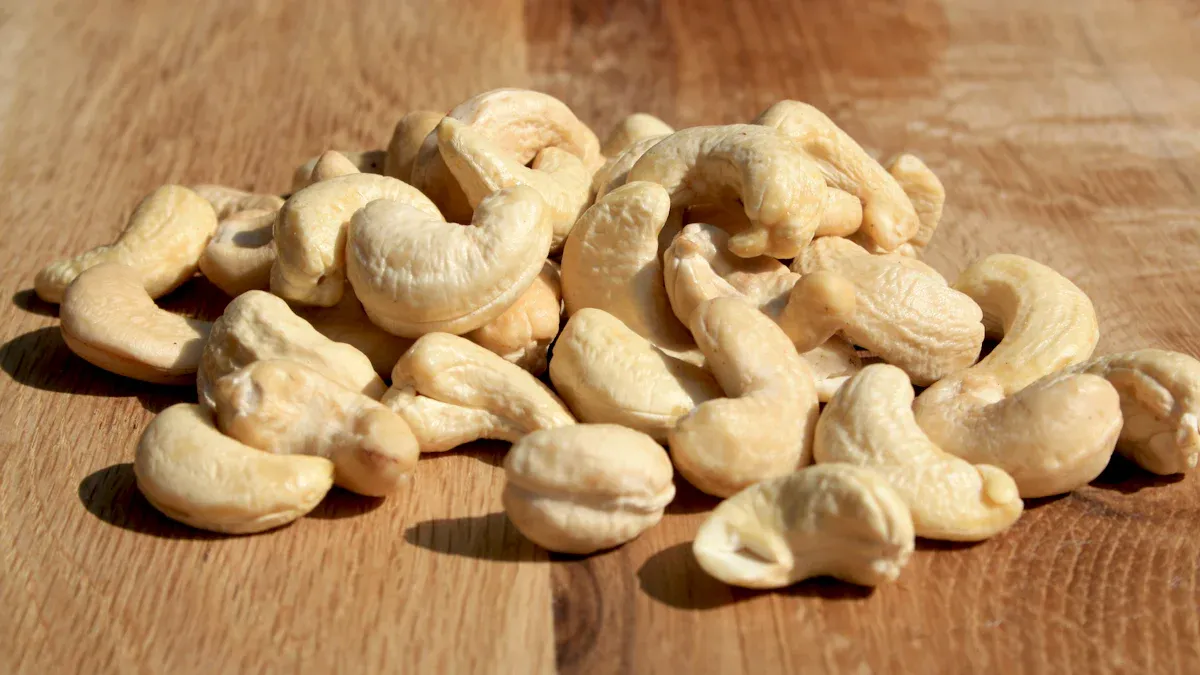
Are cashews good for you? Many people ask this question. Cashews are popular nuts, enjoyed globally. Their consumption shows strong growth, driven by health consciousness. Consumers choose cashews for their taste and health benefits. These versatile nuts have a reputation for healthy fats, essential minerals, and beneficial vitamins. This blog explores cashew nuts nutrition benefits, detailing their health benefits and important considerations for you.
Key Takeaways
Cashews are good for your heart. They have healthy fats that lower bad cholesterol and help blood pressure.
Cashews make your bones strong. They have minerals like magnesium and copper that help build healthy bones and joints.
Cashews help control blood sugar. Their fats, protein, and fiber keep blood sugar steady and prevent spikes.
Cashews boost your body’s defenses. They have zinc and other nutrients that make your immune system stronger.
Eat cashews in small amounts. They are healthy but have many calories. A small handful is a good serving size.
Cashew Nutrition Facts
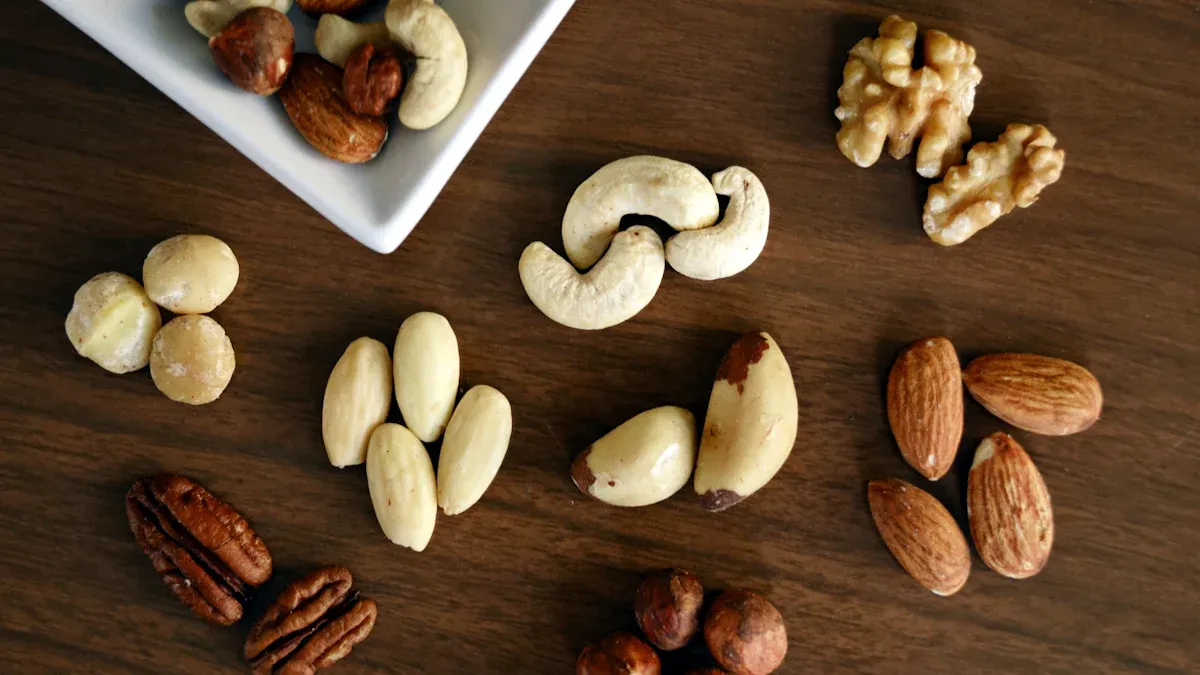
You might wonder what makes cashews so good for you. This section breaks down the nutritional value of cashews. You will learn about their calories, macronutrients, and important micronutrients. Cashews are a great source of fiber, protein, and healthy fats. These include both monounsaturated and polyunsaturated types.
Healthy Fats Profile
Cashews are well-known for their healthy fats. These fats are good for your heart. Most of the fats in cashews are monounsaturated fats. These are the same healthy fats you find in olive oil. A 100-gram serving of cashews contains 43.85 grams of total fat. Most of this is monounsaturated fat. One serving of cashews can give you 8 grams of monounsaturated fat. These healthy fats are important for your overall nutrition.
Protein and Fiber Content
Cashews also provide good amounts of protein and fiber. Protein helps build and repair your body’s tissues. Fiber is important for digestion. An ounce of cashews, which is about 28 grams, gives you around 4 to 5.2 grams of protein. This makes cashews a good plant-based protein source.
When it comes to fiber, cashews offer valuable amounts. One ounce (28 grams) of cashews contains about 0.9 to 1 gram of fiber. For every 100 grams, you get 3.3 grams of fiber. This dietary fiber helps your digestive system work well. It promotes regular bowel movements and helps prevent constipation. Cashews also contain prebiotics. These are special fibers that help good gut bacteria grow. This leads to better digestion, improved nutrient absorption, and a stronger immune system. Soluble dietary fibers in cashews can even help your gut lining grow stronger. This improves how well your body absorbs and digests nutrients.
Essential Minerals
Cashews are packed with essential minerals. These minerals play many important roles in your body.
Copper: Cashews are an excellent source of copper. Copper is vital for energy production, brain health, and forming red blood cells. It also helps your body use iron. Adults aged 19 and older need about 900 micrograms of copper each day. Pregnant women need 1,000 micrograms, and breastfeeding women need 1,300 micrograms.

Magnesium: You will find a good amount of magnesium in cashews. Magnesium is important for muscle and nerve function, blood sugar control, and blood pressure regulation. A 1-ounce (28-gram) serving of cashews provides about 18% to 20% of your Daily Value for magnesium.
Zinc: Cashews also contain zinc. Zinc is crucial for your immune system. It helps your body fight off infections. Zinc is also important for cell growth, wound healing, and your senses of taste and smell. It helps over 300 enzymes work correctly. Zinc is also vital for bone health and hormone production, including insulin.
Iron: Cashews provide iron, which is important for carrying oxygen in your blood. Iron from plant foods, like cashews, is called non-heme iron. Your body absorbs non-heme iron less effectively than heme iron, which comes from animal sources. While cashews have good iron content, you might need to eat more plant-based iron sources. You can also pair them with vitamin C-rich foods to help your body absorb the iron better.

Key Vitamins
Beyond minerals, cashews offer several key vitamins that support your health. These nutrients contribute to the many benefits of cashews.
Vitamin K: This vitamin is essential for blood clotting and bone health. It helps your body make proteins needed for blood to clot properly when you get a cut. Vitamin K also helps build strong bones.
Thiamin (Vitamin B1): Cashews contain thiamin. Thiamin helps your body turn food into energy. It supports nerve function and can help your heart work well. Thiamin may also improve memory and help manage blood sugar levels.
Vitamin B6: You will also find vitamin B6 in cashews. This vitamin is a co-factor in over 140 biochemical reactions in your body. It is important for protein and amino acid metabolism. Vitamin B6 also helps make neurotransmitters, which are chemicals that send messages in your brain.
These cashew nuts nutrition benefits show you why these nuts are a valuable addition to your diet.
Key Cashew Benefits
You now understand the impressive nutritional profile of cashews. These cashew nuts nutrition benefits translate into many positive impacts on your body. You gain significant cashew benefits from these delicious nuts. Let’s explore the specific health benefits of cashews. These nutrients work together to support your overall well-being.
Heart Health Support
Eating cashews can greatly support your heart health. They contain healthy fats, like monounsaturated and polyunsaturated fats. These fats are known for promoting heart health. Studies show that including cashews in your diet can lead to reduced cholesterol. One study found that eating cashews daily significantly decreased total cholesterol by 3.9% and LDL cholesterol by 4.8%. This happens when you replace high-carbohydrate snacks with cashews. This makes cashews a smart choice for managing cholesterol levels.
Cashews also help regulate your blood pressure. They are a good source of magnesium and potassium. Both minerals contribute to better blood pressure control. Magnesium helps maintain a healthy heartbeat and regulates blood pressure. Potassium is also crucial for healthy blood pressure. It helps balance sodium levels in your body. This balance is important for heart disease prevention and stroke prevention. A study in ‘Current Development in Nutrition’ showed that cashew consumption can help reduce blood pressure. It also lowered triglyceride levels, which are fats that increase your risk of heart attack and heart disease. These benefits mean you can enjoy a lower risk of heart disease by adding cashews to your diet.
Bone and Joint Health
Cashews offer important benefits for your bones and joints. They contain several minerals vital for strong bones. Magnesium helps your body absorb calcium and converts vitamin D into its active form. Both are essential for bone density. Phosphorus forms the main structure of your bones. Calcium is also a key part of strong bones. Copper supports the creation of collagen and elastin. These proteins are important for bone flexibility and strength. Vitamin K works with calcium to help your bones absorb minerals. This helps maintain bone mineral density and prevents fractures.
Cashews also protect your joints. Their anti-inflammatory properties can reduce pain. They decrease cartilage damage and lower levels of substances that cause inflammation. This means cashews can help keep your joints healthy and reduce discomfort.
Blood Sugar Management
Cashews can help you manage your blood sugar levels. They contain healthy fats, protein, and fiber. These nutrients work together to stabilize blood sugar. The healthy fats in cashews slow down how fast sugar enters your bloodstream. Protein helps keep your blood sugar steady. Fiber aids in gradual sugar absorption, preventing blood sugar spikes. Cashews have a low glycemic index of 25. This means they cause minimal blood sugar changes.
Research shows cashews can benefit people with type 2 diabetes. A 2018 study found that cashew consumption improved blood sugar control in people with type 2 diabetes. Another study showed that eating cashews for eight weeks reduced insulin levels and improved insulin resistance in people with type 2 diabetes. This suggests cashews can improve insulin sensitivity over time. However, some studies indicate more research is needed to fully understand the long-term effects of cashews on blood sugar. Still, including cashews in your diet can be a good strategy for diabetes prevention and managing type 2 diabetes.
Antioxidant Effects
Cashews are a good source of antioxidants. These powerful compounds protect your body from damage. You get antioxidants like Vitamin E and selenium from cashews. These nutrients combat oxidative stress. Oxidative stress happens when harmful molecules called free radicals damage your cells.
Cashew antioxidants work by activating specific pathways in your body. These pathways help your body produce its own antioxidant enzymes. These enzymes, like superoxide dismutase and catalase, neutralize free radicals. This process protects your cells from damage. By eating cashews, you help your body fight off oxidative stress and keep your cells healthy.
Immune System Boost
Cashews also help boost your immune system. They contain important nutrients that support immune cell function. Zinc is vital for the development, function, and communication of your immune cells. It helps your white blood cells fight infections. Zinc also helps your body heal wounds and reduces inflammation. Copper also plays a crucial role in producing immune cells and maintaining a healthy immune system. Selenium supports the production of immune cells and helps maintain healthy inflammation levels. These nutrients in cashews help strengthen your body’s natural defenses.
Weight Management
Cashews can be a helpful tool for weight management. They contain plant-based protein and dietary fiber. These components contribute to feelings of fullness. The protein helps regulate your appetite and supports muscle maintenance during weight loss. The fiber improves digestion and makes you feel full. This can help you eat less overall and support your weight loss goals.
While some studies on acute intake of nuts, including cashews, did not show an immediate increase in satiety, the overall nutritional profile supports weight loss benefits. The combination of protein, fiber, and healthy fats helps you feel satisfied. This can prevent overeating and contribute to successful weight loss.
Incorporating Cashews
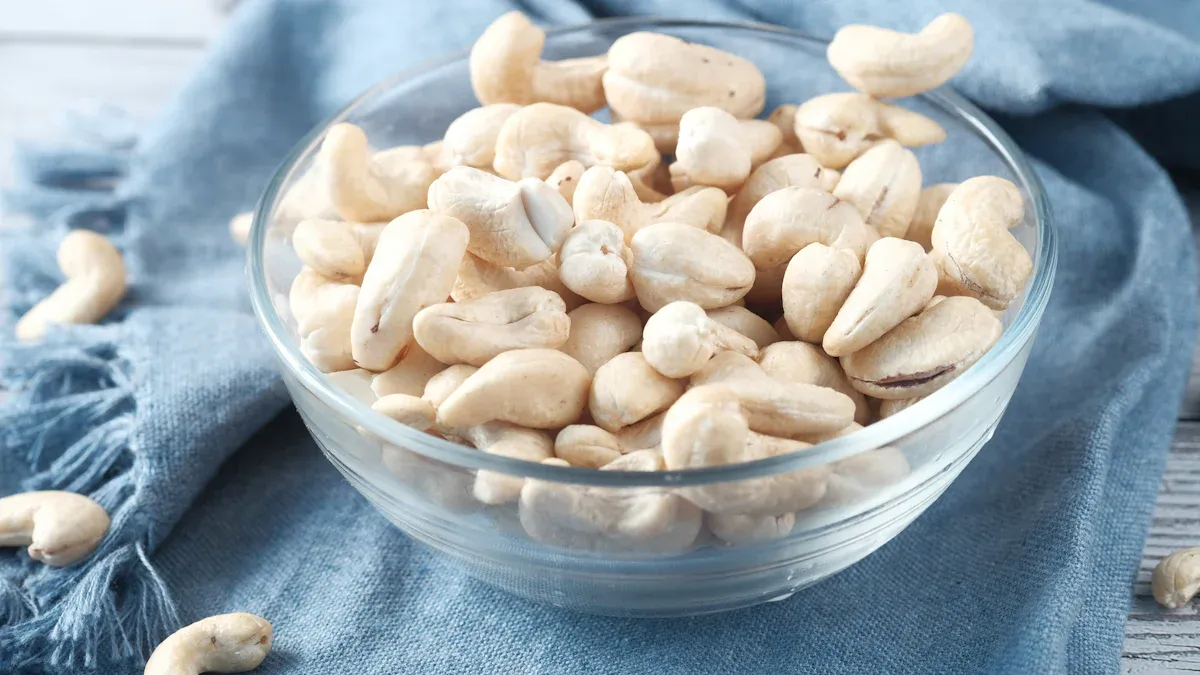
You now know the many benefits of cashews. You might wonder how to include cashews in the diet. It is easy to add these versatile nuts to your daily meals. You can enjoy them in many ways.
Smart Snacking
Cashews make an excellent snack. You can eat them raw or roasted. A handful of cashews provides quick energy. They also help you feel full between meals. This can prevent overeating. Keep a small bag of cashews with you for a healthy snack option.
Culinary Versatility
Cashews are incredibly versatile in the kitchen. You can use them in many dishes. They add a creamy texture and rich flavor. Many people use cashews to create dairy-free alternatives. You can make cashew milk, cheese, and cream. These are great for vegans or those with lactose intolerance.
You can also enhance savory dishes with cashews. Add them to Asian stir-fries, curries, and salads for crunch and richness. Crushed cashews make a great coating for meats or vegetables. Blended cashews create creamy sauces for pasta or soups. You can also make cashew butter. This is a delicious spread for fruits or toast. For desserts, cashews are perfect. They go into baked goods, energy bars, cookies, and raw vegan cheesecakes. This shows you how to include cashews in the diet in many creative ways.
Cashew Alternatives
Sometimes you might need an alternative to cashews. If you have an allergy or simply want variety, other nuts can work. Almonds, walnuts, or pecans offer similar healthy fats and nutrients. Sunflower seeds or pumpkin seeds are also good choices. They provide a different flavor and texture.
Cashew Considerations
While cashews offer many health benefits, you should also be aware of some important considerations. These include potential allergy risks, how cashews are processed, the toxicity of truly raw cashews, and the need for portion control.
Allergy Risks
Cashews can cause allergic reactions in some people. Cashew allergy is a serious concern. If you have a cashew allergy, you might experience various symptoms. These can include:
Abdominal pain, cramps, nausea, and vomiting
Diarrhea
Difficulty swallowing
Itching of the mouth, throat, eyes, skin, or other areas
Nasal congestion, runny nose
Shortness of breath
Anaphylaxis, which can be life-threatening
The prevalence of tree nut allergies varies by region. Cashew allergy is common in countries like the USA and Australia. For example, a study in Melbourne, Australia, found that 1.49% of 12-month-old infants had a cashew allergy. This shows you that cashew allergies are a real concern, especially for young children.
Processing Concerns
You might buy cashews labeled “raw.” However, these cashews are not truly raw. Manufacturers process cashews to make them safe for you to eat. This processing involves steaming or roasting the nuts. This step removes a toxic substance found in the cashew shell. This process ensures the cashews you buy are safe and delicious.
Raw Cashew Toxicity
Truly raw cashews contain a substance called urushiol. This is the same toxic oil found in poison ivy. Urushiol can cause skin rashes and other allergic reactions. You will not find truly raw cashews in stores. The processing steps, like steaming, remove this harmful compound. This makes the cashews safe for consumption. So, the “raw” cashews you purchase have already undergone processing to eliminate any toxicity.
Portion Control
Cashews are nutrient-dense, but they are also high in calories. You should practice portion control when you eat cashews. A small handful, about one ounce (28 grams), is a good serving size. This amount gives you the benefits without adding too many extra calories to your diet. Enjoy cashews in moderation as part of a balanced eating plan.
Cashews offer impressive cashew nuts nutrition benefits. They provide healthy fats, essential minerals, and vital vitamins. These benefits support your heart and overall well-being. You can enjoy cashews as part of a balanced diet. Remember to consume cashews in moderation. Be aware of processing and potential allergies. Incorporate these delicious cashews for improved health.
FAQ
What are the main health benefits of eating cashews?
Cashews offer many health benefits. They support your heart with healthy fats. You get minerals for strong bones and joints. Cashews also help manage blood sugar and boost your immune system. They provide antioxidants to protect your cells.
What is the best way to eat cashews?
You can enjoy cashews in many ways. Eat them as a smart snack, either raw or roasted. You can also add them to stir-fries, salads, or use them to make creamy sauces. Cashews are great in desserts too.
What is the difference between “raw” and truly raw cashews?
“Raw” cashews you buy are not truly raw. Manufacturers steam or roast them. This process removes a toxic substance called urushiol from the shell. Truly raw cashews contain this harmful compound. You will not find them in stores.
What is a healthy serving size for cashews?
Cashews are nutrient-dense, so portion control is important. A healthy serving size is about one ounce. This is roughly a small handful. This amount gives you the benefits without adding too many calories to your diet.