

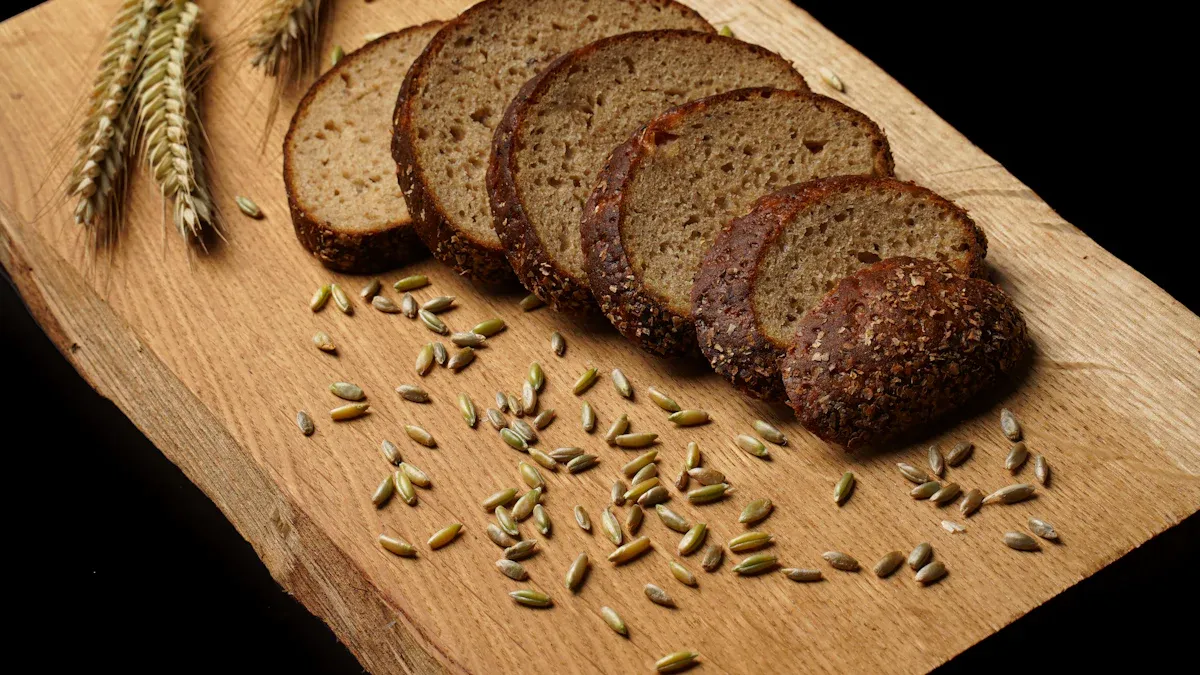
When you’re on a low-carb or keto diet, you might really miss bread. But giving up bread doesn’t mean you have to sacrifice satisfaction or flavor. This guide will help you discover delicious, versatile, and healthy Low Carb Bread Alternatives. With these swaps, you’ll stay in ketosis and enjoy better health. The global market for low-carb bread alternatives was valued at USD 1.82 billion in 2024, which clearly shows how many people are seeking these options. Explore these options to satisfy your keto cravings and add variety to your meals.
Key Takeaways
Low-carb bread alternatives help manage blood sugar and support a keto diet.
Traditional bread can cause health issues like blood sugar spikes and insulin resistance.
Many tasty low-carb options exist, such as cloud bread, almond flour bread, and lettuce wraps.
Always check food labels carefully for hidden carbs and sugars in store-bought low-carb products.
You can enhance flavors and prepare low-carb alternatives in advance for easy meals.
Why Choose Low-Carb Swaps
Traditional Bread’s Impact on Health
You might wonder why you should choose low-carb options over regular bread. Traditional bread, especially types made with refined flour, can significantly impact your health. Eating these breads often causes rapid blood glucose rises. This can lead to insulin resistance, obesity, and metabolic syndrome. It also increases your risk for type 2 diabetes. High consumption of refined carbohydrates also links to chronic diseases. These include heart disease, high blood pressure, and elevated cholesterol. Some studies even suggest a connection to various cancers, like breast, esophageal, gastric, and colorectal. You also face potential issues like cognitive impairment, including Alzheimer’s and dementia. For some people, gluten in refined flour can cause problems.
Benefits of Low-Carb Options
Choosing low-carb bread alternatives offers many health benefits. These options help you manage your blood sugar levels effectively. Regular bread, especially white flour varieties, contains many carbs that spike your blood sugar. Refined grains in traditional bread lack fibers. These fibers slow down glucose release. This leads to blood sugar spikes and crashes. In contrast, low-carb bread alternatives have far fewer carbohydrates. They typically contain 1.5 to 15 grams per slice, compared to 22 grams in popular white bread. Their high fiber and protein content helps regulate blood sugar. This macronutrient combination gives them a low glycemic index. It keeps your blood sugar levels stable. This also helps you feel full longer. These alternatives are crucial for maintaining ketosis. They help you achieve a metabolic state called ketosis, where your body burns fat for fuel. This makes low-carb choices a smart move for your health.
Top Low-Carb Bread Alternatives for Your Keto Diet
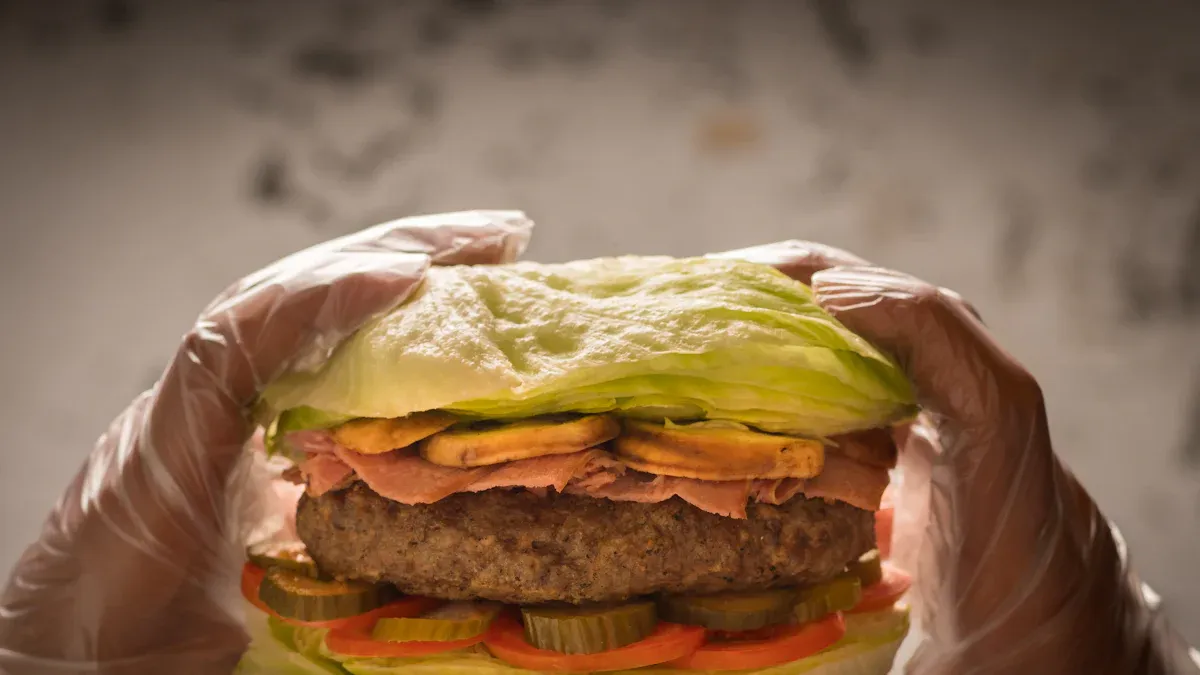
You do not need to give up the joy of bread-like foods on your keto journey. Many delicious low-carb bread alternatives exist. These options help you stay on track with your keto diet while enjoying satisfying meals. You will find many keto-friendly bread alternatives to explore.
Cloud Bread
Cloud bread is a light and airy replacement for traditional bread. It has a unique, fluffy texture.
Key Ingredients: You make cloud bread with simple ingredients. These include eggs, cream cheese, baking powder, and baking soda. Some recipes use Greek yogurt instead of cream cheese.
Texture and Versatility: This bread is incredibly light and airy. It is not chewy or dense. Its delicate texture makes it versatile.
Best Uses: You can use cloud bread for many things. It makes excellent burger buns or low-carb sandwich bread. You can also use it for cheese sandwiches, or even for PB and J if you crisp it in a toaster. It works well as a base for pizza, Arabic pizza, garlic bread, or Sloppy Joes. You can also toast it or dip it in soup.
Recipe Overview: Making cloud bread is straightforward. You whip egg whites until stiff, then gently fold in a mixture of egg yolks and cream cheese. Then you bake it.
Almond Flour Bread
Almond flour bread is a popular low-carb option. It offers a satisfying texture and neutral taste.
Key Ingredients: The main ingredient is almond flour. You can use whole or blanched almonds. Other ingredients include eggs, apple cider vinegar, refined coconut oil, and baking soda.
Texture and Versatility: This bread is light and fluffy. It has a nutty taste and a cake-like texture, but it is lighter. It is not chewy, claggy, or dry. It holds together well. Its neutral taste makes it perfect for both savory and sweet toppings.
Best Uses: You can use almond flour bread for sandwiches or as a snack. For breakfast, try it with avocado and poached eggs. For lunch, use cream cheese and smoked salmon. A healthy snack could be nut butter and sliced bananas. You can also add garlic powder, oregano, and thyme for a savory version that pairs well with soups and salads. For a sweet treat, add stevia, vanilla extract, and cinnamon.
Recipe Overview: You combine the wet ingredients, then mix in the dry ingredients. Then you bake it in a loaf pan.
Coconut Flour Bread
Coconut flour bread is another excellent low-carb choice. It has unique properties due to coconut flour’s high absorbency.
Key Ingredients: Coconut flour is the primary ingredient. Recipes often require a larger number of eggs to compensate for the flour’s absorbency. You also use butter and baking powder. You can add flavorings like rosemary, garlic, and onion powder for savory breads. For sweet breads, you might add bananas, chocolate chips, or pumpkin.
Texture and Versatility: Coconut flour gives baked goods a gorgeous crumb and a tender, cake-like texture.
Best Uses: You can make sweet breads for breakfast or dessert. Savory bread recipes can be a meal on their own. It works well as sandwich bread alternatives for breakfast sandwiches or lunch boxes. Specific recipes include banana bread, zucchini bread, pumpkin bread, biscuits, ciabatta buns, and flatbread.
Recipe Overview: Be sure to follow recipes carefully. Coconut flour absorbs a lot of liquid. This means you will need more eggs than you might expect.
Flaxseed Meal Wraps
Flaxseed meal wraps are thin, flexible, and nutritious. They are a great replacement for tortillas or bread.
Key Ingredients: You need golden flax seeds (or flaxseed meal), boiling water, and a pinch of Himalayan salt. Powdered nutritional yeast is optional for a cheesy flavor.
Texture and Versatility: These wraps are flexible and can be used for both savory and sweet fillings.
Best Uses: For savory wraps, fill them with fresh or steamed vegetables, stir-fried tofu, or vegan mushroom meatballs. You can also wrap them around grilled tempeh and cooked rice. For sweet wraps, try them with homemade toasted hazelnut butter and sugar-free jam.
Recipe Overview: Grind whole flax seeds finely. Mix with salt and nutritional yeast. Pour boiling water over the mixture and stir quickly until it forms a dough. Flatten into tortillas and cook on a dry non-stick pan.
Cauliflower Thins
Cauliflower thins are a clever way to enjoy bread-like items without the carbs. They are a fantastic cauliflower bread option.
Key Ingredients: These thins use fresh cauliflower, whole cage-free liquid eggs, Parmesan cheese, and nutritional yeast.
Texture and Versatility: You can eat them straight from the bag. You can also heat them in an air fryer, toaster oven, or conventional oven for a crispier texture.
Best Uses: Use them as low-carb bread alternatives for sandwiches. They also work as tortillas or mini pizza crusts. This cauliflower bread is a versatile choice.
Egg Wraps
Egg wraps are incredibly simple and versatile. They are a quick low-carb solution.
Key Ingredients: The main component is eggs. You can use liquid egg whites, whole eggs, or fresh egg whites. You also need a little oil for greasing the pan, plus salt and pepper. Some recipes add a gluten-free flour blend and olive oil.
Texture and Versatility: These wraps are flexible and can be used for sweet or savory dishes.
Best Uses: You can make sweet cinnamon breakfast quesadillas with dark chocolate hummus and bananas. Create a handheld breakfast parfait with Greek yogurt and berries. For savory options, make a deli delight with cream cheese and smoked salmon. Use them as a toast substitute with avocado and egg. You can also stuff them with kale, chicken, and cheese for a makeshift quesadilla. They work well for burritos, tacos, or even as a lasagna noodle substitutes.
Lettuce and Collard Wraps
Using lettuce and collard greens as wraps is a fresh and healthy choice. These are excellent gluten-free bread alternatives.
Key Ingredients: You use large leaves from lettuce (like Napa cabbage or butter lettuce) or collard greens.
Texture and Versatility: Lettuce offers a crisp texture, while collard greens are sturdier. Both are fresh and light.
Best Uses: For lettuce wraps, try Asian-inspired fillings like minced tofu or chicken with shredded vegetables and peanut sauce. Collard wraps are great with hummus bean dip, cashew cheese, or various raw, steamed, or roasted vegetables. You can also fill them with chicken salad or turkey with hummus.
Benefits: These wraps are highly nutritious. They increase your vegetable intake and provide vitamins. They are also free of refined carbs and help stabilize blood sugar. Swapping a collard leaf for a flour tortilla saves about 24 grams of carbohydrates.
Cheese Crisps
Cheese crisps are a savory, crunchy low-carb option. They are easy to make and full of flavor.
Key Ingredients: You only need sliced cheese, such as cheddar, Colby-Jack, provolone, or pepper jack. You can add seasonings like smoked paprika or Everything But The Bagel.
Texture and Versatility: These crisps are crunchy and savory.
Best Uses: Enjoy them as a snack on their own. You can crumble them as a topping for soups or chili. Use them as low-carb croutons on salads. You can even stack them on burgers for extra flavor and crunch.
Recipe Overview: Cut cheese slices into small squares. Place them on a baking sheet and bake until crispy and golden. Sprinkle with seasonings while still hot.
Eggplant and Mushroom Buns
For a hearty burger experience, consider using eggplant or mushroom slices as buns.
Key Ingredients: You will use thick slices of eggplant or large Portabella mushroom caps.
Texture and Versatility: Eggplant slices can be seasoned, breaded, and shallow-fried for a crispy exterior and tender inside. Alternatively, you can sear them. Portabella mushrooms offer a meaty texture.
Best Uses: These are perfect as burger buns. You can also use them for sandwiches where you want a substantial, savory base.
Recipe Overview: For eggplant, season slices, dredge in flour, egg, and panko, then shallow-fry. For a simpler method, blot eggplant slices dry, season, and sear on a hot skillet. Portabella mushroom caps can be grilled or roasted.
Store-Bought Low-Carb Breads
Many companies now offer low-carb bread alternatives in stores. You need to be a smart shopper.
Label Reading: Always read the ingredient list carefully. Be wary of “net carb” claims. Manufacturers sometimes exclude sugar alcohols like maltitol, which can still raise blood sugar. Look for ingredients like almond flour, coconut flour, and psyllium husk powder. Avoid modified wheat starch, inulin, oat fiber, and soluble corn fiber. These often indicate a lack of whole grains. Also, avoid tapioca, arrowroot, potato, and cassava starches. These are high in carbs, even if the product claims to be “low-carb.” Watch out for hidden sugars and highly processed vegetable oils.
Hidden Carbs: Front-of-package claims can be misleading. Ingredients like wheat protein isolate, vital wheat gluten, and chickpea flour are grain sources. They can have high glycemic indicators despite low net carb claims. Even if a product lists cauliflower bread as the first ingredient, check for brown rice flour or corn starch further down the list. These can cause blood sugar spikes.
Reputable Brands: Some brands offer genuinely low-carb options. Examples include Ezekiel Bread (look for their sprouted whole grain varieties), Dave’s Killer Bread (their thin-sliced options), Alvarado St. Bakery (sprouted flax & chia), and UDI’s Gluten-Free Delicious Whole Grain Sandwich Bread. These brands often provide better nutritional profiles.
Tips for Incorporating Low-Carb Bread Swaps

You can make your low-carb journey more enjoyable and sustainable. Learning how to enhance flavors, prepare efficiently, and pair your low-carb bread alternatives with meals helps you achieve this. These tips ensure you get the most out of your low-carb choices.
Flavor Enhancements
Flavor is key to enjoying your replacement bread options. You can easily boost the taste of homemade low-carb breads.
Herbs and Spices: Fresh herbs add a vibrant taste. Cilantro offers a citrusy, fragrant note. It works well as a garnish for baked dishes. Parsley is another potent herb. You can mix it into your bread dough or sprinkle it on top. Both herbs significantly augment the flavor of your dishes. Consider adding garlic powder, onion powder, or Italian seasoning to savory breads. For sweet breads, cinnamon, nutmeg, or vanilla extract work wonders.
Cheeses and Fats: Incorporate grated Parmesan or cheddar cheese into your dough for a savory kick. A little olive oil or melted butter brushed on top before baking adds richness and a golden crust.
Toppings and Spreads: Think beyond the bread itself. Sugar-free jams, nut butters, avocado, or cream cheese can transform a plain slice into a delicious treat.
Storage and Preparation
Efficient preparation and proper storage make incorporating low-carb bread alternatives into your daily routine simple.
Batch Cooking: Prepare larger batches of items like cloud bread or almond flour bread. You can then store them for quick use throughout the week. Cloud bread, for example, is a cost-effective homemade option. You make it from eggs, cream cheese, baking powder, sweetener, and salt. You whip egg whites, mix them with yolks and cream cheese, then bake.
Texture Techniques: You can improve the texture of your homemade breads.
For Almond Flour Recipes: Psyllium husk enhances oven spring and structure.
For All Low-Carb Breads: Fresh baking powder contributes to better oven spring when used in moderation with other leavening agents. Flaxseed meal also helps with oven spring. It combines with psyllium husk for better structure. Make sure it hydrates properly. Combine it with eggs to lighten the dough and help retain moisture.
For Cloud Bread: Whip egg whites to stiff peaks. Gently fold them into the cottage cheese mixture. This creates a light, spongy texture and delicate crumb. It results in a cloud-like texture. Use a blender, food processor, or immersion blender for cottage cheese. This ensures a smooth consistency. It prevents dense spots and allows even distribution without deflating whipped egg whites.
Troubleshooting Texture:
Dense Cloud Bread: Ensure egg whites reach stiff peaks. Use ingredients at room temperature.
Gummy Texture: Ensure proper baking. Allow sufficient cooling before storage.
Crumbly Results: This may mean overbaking or an improper ratio of cottage cheese to eggs.
Prevent Collapse: Whip egg whites to stiff peaks. Fold ingredients gently. Avoid opening the oven door during the initial baking phase.
Storage Tips: Most homemade low-carb breads store well in an airtight container in the refrigerator for 3-5 days. You can also freeze slices for longer storage. Wrap them individually before freezing.
Quick Swaps: Keep simple swaps on hand. Lettuce leaves work as a substitute for flatbread or tortillas in wraps. Portobello mushroom caps serve as a low-carb alternative to burger buns after light grilling. Grilled and seasoned eggplant slices can replace bread in sandwiches or become a cheesy snack.
Meal Pairing Ideas
You can use low-carb bread alternatives in many creative ways beyond a simple sandwich.
Breakfast:
Almond flour pancakes are perfect for those craving baked sweets on a keto diet. Serve them warm with your favorite sugar-free toppings.
Use cloud bread as a base for avocado toast or a breakfast sandwich.
Lunch and Dinner:
Eggplant disks, about 1-inch thick, contain around 2g carbs. Grill or bake them. Use them as a base for burgers or sandwiches. For deli-style sandwiches, cut eggplant lengthwise.
Cloud bread, with about 0.4g carbs per slice, is protein-rich. It makes an excellent base for a low-carb sandwich. It is popular among keto dieters.
Portobello mushroom caps, about 3g carbs per large cap, can be grilled. They make a heavier, flavorful alternative for burger buns.
Bell pepper halves can become containers for various fillings. Try ground beef and low-carb rice for an Italian-style dish. You can also use thin-sliced steak, mushrooms, and cheese for a healthier Philly ‘cheese steak’. They can even hold fried rice.
Transform any sandwich into a deconstructed pasta bowl. Use low-carb pasta or rice shapes. Top with protein, cheese, and sauces. This offers a versatile base for meals and helps satisfy keto cravings.
You do not need to miss bread on your low-carb journey. Many delicious low carb bread alternatives exist. These options help you stay in ketosis and enjoy great food. You found many versatile replacements. They support your health goals and maintain ketosis. Experiment with these low-carb choices to find your favorites. You can achieve your health goals without sacrificing taste. Share your best low-carb bread alternatives or recipes below!
FAQ
What are net carbs?
Net carbs are the total carbohydrates in food minus fiber and sugar alcohols. You count these carbs because they affect your blood sugar. Fiber and most sugar alcohols do not raise blood sugar. This calculation helps you stay in ketosis.
What makes a bread alternative “keto-friendly”?
A keto-friendly bread alternative contains very few net carbohydrates. It helps you maintain ketosis. These options often use ingredients like almond flour or coconut flour. They provide fiber and healthy fats. This supports your low-carb diet goals.
What are common ingredients in low-carb bread alternatives?
Common ingredients include almond flour, coconut flour, and psyllium husk. Eggs, cream cheese, and various seeds like flaxseed also appear often. These ingredients provide structure and nutrients. They keep the carb count low.
What are the main benefits of choosing low-carb bread alternatives?
You gain several benefits. They help you manage blood sugar levels. They support weight loss by promoting satiety. You can also maintain ketosis more easily. These alternatives offer variety in your diet without sacrificing your health goals.