

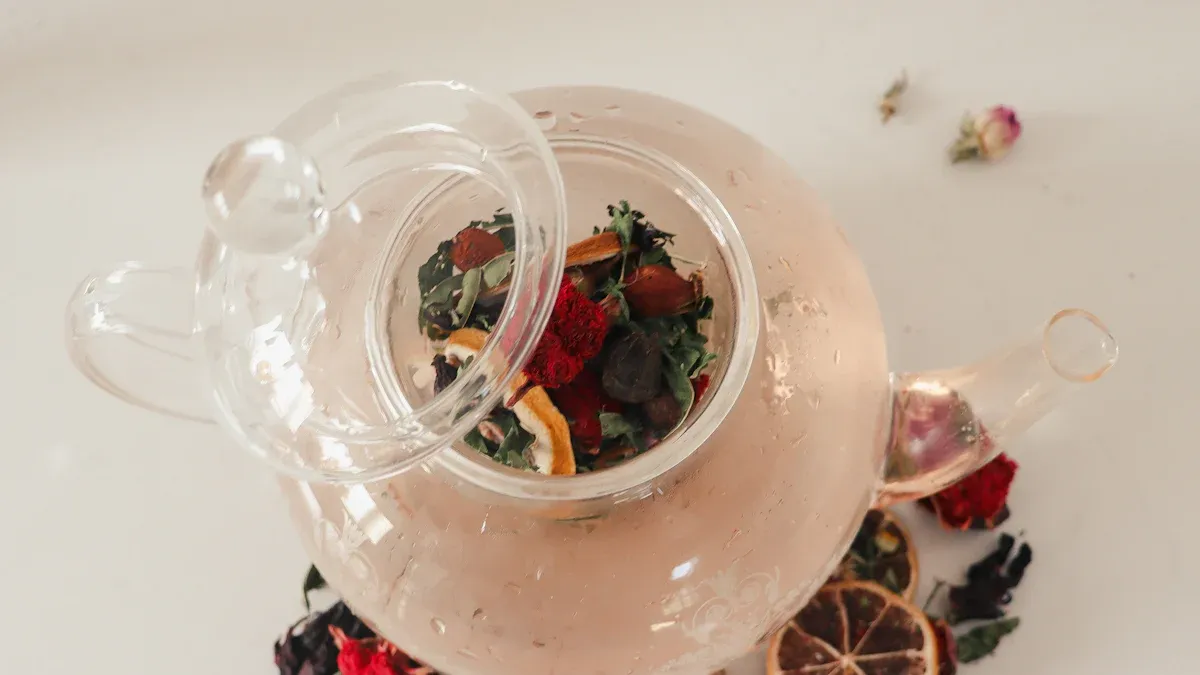
Imagine a drink that captivates your senses and offers wellness. This is rose tea. People make this fragrant brew from the petals or hips of roses. Its delicate aroma and potential health benefits make it a popular choice. The herbal tea market, valued at USD 4.01 billion in 2024, shows a growing interest in natural infusions. What is rose tea, and what wonders does it hold for your well-being? This article explores its unique properties.
Key Takeaways
Rose tea is a fragrant drink. People make it from rose petals or hips. It has a delicate floral taste.
Rose tea has many antioxidants. These help protect your body’s cells. It can boost your immune system.
Drinking rose tea can help your digestion. It can also make you feel calmer. It may ease menstrual pain.
You can easily make rose tea at home. Use dried rose petals or hips. Steep them in hot water for a few minutes.
Rose tea is usually safe. Check for caffeine if it is a blend. Talk to a doctor if you take medicine or are pregnant.
What Is Rose Tea
<<>>
What Is Rose Tea
Rose tea is a fragrant drink. People make it from the petals or hips of rose plants. This herbal tea offers a delicate flavor and many potential health benefits. Understanding what is rose tea involves looking at its history, how people make it, and its different forms.
Rose Tea Origin
Rose tea has a long history. Rose plants belong to the Rosa genus in the Rosaceae family. Over 300 species exist. People use petals from species like Rosa damascena, Rosa centifolia, and Rosa gallica for tea. Other common sources include R. alba and Rosa rugosa. Ancient civilizations like Egypt, Persia, and China valued roses for their beauty and medicine. Ancient Egyptians used roses for oils. Persians and Chinese used them in food and for healing. Traditional Chinese Medicine first used rose petals in tea. They believed roses helped with energy, stomach issues, sleep, and mood. Rose cultivation spread from Persia to China, then to the Middle East. During the Renaissance, Europe also embraced roses as a symbol of luxury.
Rose Tea Preparation
Making rose tea is simple. People use dried rose petals or rose hips. To prepare rose tea, they steep these parts in hot water. The optimal water temperature is 208°F. Steep the tea for about 5 minutes. For a stronger cup, steep it for a few more minutes. Rose tea does not become bitter with longer steeping, unlike some other teas. This makes it easy to adjust to personal taste.
Types of Rose Tea
Different forms of rose tea offer unique experiences. Each type uses a different part of the rose plant or combines it with other ingredients.
Type of Rose Tea | Characteristics |
|---|---|
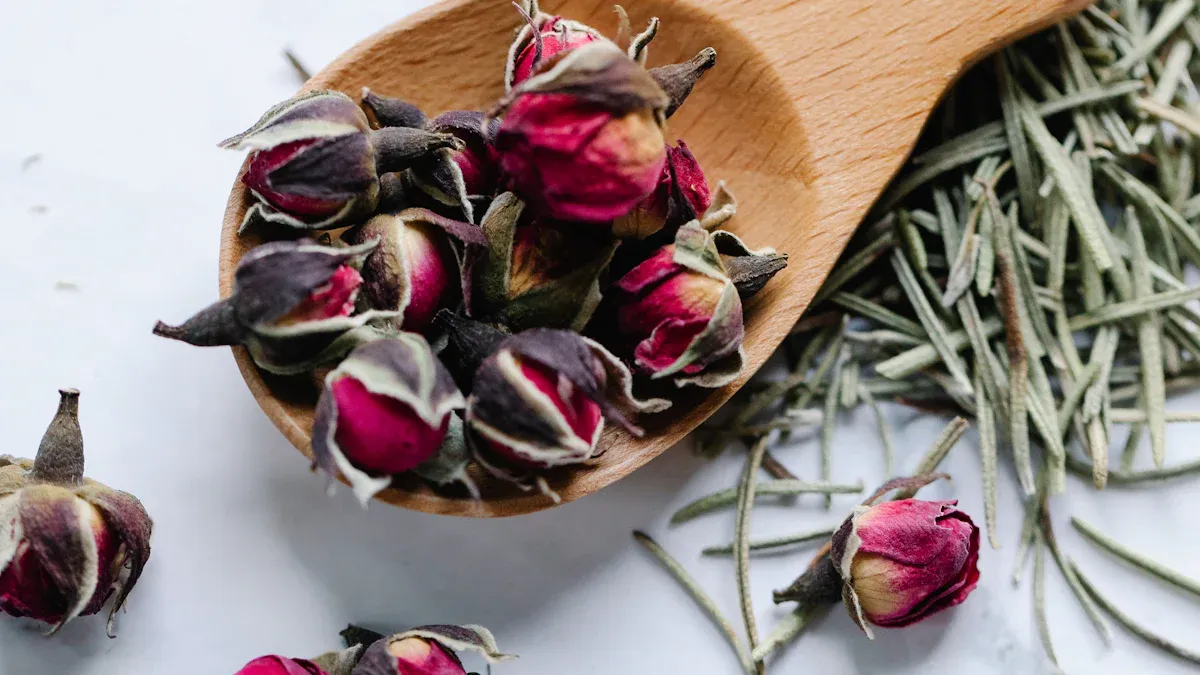
Rose Bud Tea | Made from dried rose buds; offers a subtle floral flavor and gentle sweetness; known for calming effects, making it a soothing bedtime drink. |
Rose Petal Tea | Created using dried rose petals; boasts a fragrant aroma and slightly tart flavor; rich in vitamin C, supporting immune health and radiant skin. |
Rosehip Tea | Derived from the rose plant fruit (not petals); rich in antioxidants, nutrients, and vitamin C; renowned for immune-boosting properties, often consumed to ward off colds and flu. |
Blended Rose Teas | Incorporates rose petals or rosehip into other teas (e.g., green, black, herbal infusions); adds a floral note and additional health benefits; offers a diverse range of flavors and profiles. |
<<>> |
Rose Tea Flavor Profile
Rose Tea Aroma
Rose tea has a captivating smell. Several compounds create this unique fragrance. 2-phenylethanol forms the main part of rose’s scent. It gives a characteristic floral sweetness. Other compounds add complexity. Damascenones, even in small amounts, add fruity and slightly apple-like undertones. They are very potent. Monoterpenes, like citronellol and geraniol, bring fresh, slightly citrusy notes. These are similar to lemon or orange scents. Other alcohol compounds, such as (2E)-3,7-dimethylocta-2,6-dien-1-ol and phenylmethanol, also contribute. A ketone compound, 6,10,14-trimethylpentadecan-2-one, plays a role. An aldehyde compound, (2E)-3,7-dimethylocta-2,6-dienal, also adds to the rose fragrance.
Rose Tea Taste
Many people wonder, what does rose tea taste like? Rose tea offers a gentle sweetness. It is never too strong. A delicate floral essence defines its flavor. It has a light, almost jam-like quality. Subtle fruitiness complements the floral notes. Honeyed notes often appear, leaving a pleasant sweetness. This unique blend makes rose tea a delightful drink. So, what does rose tea taste like? It tastes like a soft, sweet floral embrace.
Flavor Variations
The flavor of rose tea can change. Different rose species and processing methods affect it. For example, Damask Rose tea is intensely fragrant. It has a vibrant floral character with citrus and subtle berry notes. Rosa Gallica tea is more robust. It has a slightly spicier, deeper, and earthier taste. Cabbage Rose tea offers a gentle sweetness and a softer flavor. Apothecary’s Rose tea has soothing, slightly medicinal properties. It includes a subtle herbal note.
Processing also changes the flavor. Low-temperature drying (LTD) gives roses a distinct floral and sweet aroma. Vacuum freeze-drying (VFD) roses show a fruity and woody aroma. VFD rose corollas have the highest content of amino acids, organic acids, soluble sugars, flavonoids, and volatile organic compounds (VOCs). The developmental stage of the flowers also matters. It influences the content of metabolites. This affects the quality and flavor of rose tea. Different forms, like corollas, buds, or petals, and drying processes create specific sensory characteristics. These include sweetness, sourness, astringency, freshness, and smoothness. VOCs, such as alcohols, esters, aldehydes, and terpenes, contribute to floral and fruity aromas. Non-volatile compounds mainly affect taste. LTD samples contain more esters. VFD samples contain more aldehydes.
Rose Tea Antioxidant Power
Antioxidant Definition
Antioxidants are molecules. They protect your body from harmful substances called free radicals. Free radicals are unstable atoms. They can damage cells, leading to illness and aging. Antioxidants neutralize these free radicals. They donate electrons to them. This process stabilizes the free radicals. It prevents them from causing cellular damage.
Rose Tea Antioxidants
Rose tea is rich in antioxidants. It contains many beneficial compounds. These include polyphenols, flavonoids, and other phytonutrients. Rose hips, for example, contain vitamin C, carotenoids, and various polyphenols. Rose leaves offer flavonoids, phenols, and hydroxycinnamic acids. Rose flowers, especially from Rosa damascene, provide flavonoids, terpenes, and anthocyanins. These specific antioxidants include gallic acid, kaempferol, and quercetin. Rose tea is high in antioxidants. It also contains pigments like chlorophyll and carotenoids. These compounds contribute to its powerful health benefits.
Antioxidant Benefits
The antioxidants in rose tea offer significant benefits. They neutralize free radicals. This action protects DNA and cell membranes from damage. By counteracting oxidative stress, these antioxidants help reduce inflammation. They support overall cellular health. They also boost immune function. Antioxidants, such as the polyphenols in rose tea, work in two ways. Directly, they react with reactive oxygen species. This stops harmful auto-oxidation. Indirectly, they regulate enzyme activities. They inhibit enzymes like xanthine oxidase. They also boost enzymes such as SOD. This dual action protects cells from oxidative damage. It promotes cellular health throughout the body.
Comprehensive Health Benefits of Rose Tea
Rose tea offers many advantages for well-being. Its rich composition provides a range of health benefits. People value rose tea for its ability to support various bodily functions.
Immune Support
Rose tea helps strengthen the body’s defenses. It contains important compounds that boost the immune system. Flavonoids and triterpenoids, found in rose extracts, have antioxidant properties. These properties can contribute to better immune health. Rose hips are especially rich in nutrients. They contain beta carotene and lycopene, which support eye and skin health. Vitamin C is also abundant in rose hips. This vitamin plays a major role in boosting the immune system. Other substances like quercetin, catechins, and ellagic acid in rose hips reduce oxidative stress and inflammation. Rose tea also provides Vitamins E and C. These vitamins promote healthy skin and contribute to overall health. Polyphenols, powerful antioxidants in rose tea, protect the body from cell damage.
Anti-Inflammatory Effects
Rose tea has strong anti-inflammatory properties. These properties help reduce swelling and pain in the body. Compounds in rose tea decrease pro-inflammatory cytokines like IL-6 and TNF-α. They also increase the anti-inflammatory cytokine IL-10. Rose tea extracts can reduce the expression of cyclooxygenase-2 (COX-2) and nitric oxide synthase. Polyphenolic compounds, such as flavonoids, contribute to this anti-inflammatory activity. They likely work through their antioxidant properties. Rosebud extracts stop inflammatory mediators like nitric oxide (NO) and prostaglandin E2 (PGE2). These effects involve blocking pathways that cause inflammation. Certain terpenes in rose tea can also reduce inflammation. They decrease the release of pro-inflammatory cytokines. Research on Taif rose (Rosa damascena) extract showed its ability to prevent inflammation in liver and heart tissues in rats. It suppressed inflammatory mediators like TNF-α and IL-6. These anti-inflammatory actions contribute to pain relief throughout the body.
Menstrual Pain Relief
Many women experience menstrual discomfort. Rose tea can offer relief. Drinking rose tea before and during menstruation may help reduce pain and psychological symptoms. A systematic review noted the traditional use of rose tea for menstrual problems in Taiwan. Women there use it to regulate hormones and manage painful or irregular periods. A study on adolescents with primary dysmenorrhea showed positive results. Participants who drank rose tea reported less menstrual pain, distress, and anxiety. They also showed improved well-being over several months. This suggests rose tea can be a safe and simple treatment for dysmenorrhea. This is one of the notable health benefits of rose tea.
Digestive Aid
Rose tea has a long history as a digestive aid. People in the Middle East have used rose petals for centuries to improve digestion and soothe stomach issues. When consumed as a tea, rose petals have a mild laxative effect. This helps promote smooth digestion. Rose petals contain antioxidants, vitamins, and minerals that support digestion. Combining rose petals with green tea can further alleviate digestive discomfort. Rose tea helps with indigestion, bloating, and constipation. Natural compounds in rose tea have mild laxative and diuretic properties. These properties help eliminate toxins and support a healthy digestive system. Rose tea also has antispasmodic properties. These relax gastrointestinal muscles, fighting cramps and spasms. Its mild diuretic effect helps remove excess water, reducing bloating. The warmth of the drink also soothes and protects the stomach and intestinal lining.
Skin and Hair Health
Rose tea offers benefits for skin and hair. Rose petals contain vitamins and minerals essential for healthy hair. Vitamin C in rose petals strengthens hair follicles and promotes hair growth. Rose tea is rich in Vitamin C, which is vital for collagen production. Collagen is essential for healthy skin and hair. Vitamin C also acts as a powerful antioxidant. Rose tea contains polyphenols, which are micronutrients with antioxidant properties. It also includes Vitamin A and various minerals. Compounds like nerol, geraniol, myrcene, and quercetin are released when the whole flower infuses. These contribute to skin and hair health. Vitamins C and E in rose tea work together to promote healthier skin. They can help lessen wrinkles and treat sunburn. These are important potential health benefits.
Stress and Mood Enhancement
Rose tea can positively affect mood and reduce stress. It offers antidepressant effects and promotes relaxation. Research suggests rose may have a slightly hypnotic effect. This can contribute to relaxation and potentially aid in sleep. Rose essential oil supports normal nervous system function, including dopamine levels. Dopamine is a “feel-good” neurotransmitter linked to pleasure and happiness. This suggests a mechanism for mood enhancement. Flowers, including roses, can trigger the release of “happy chemicals” in the brain. Drinking rose tea could help reduce stress and promote overall happiness. Traditional wellness systems, like Iranian herbalism and Traditional Chinese Medicine, have used rose preparations for nervous stress and sleep. Rose tea can also deepen practices like meditation, offering spiritual support. These are significant potential health benefits.
Potential Health Benefits for Chronic Diseases
The compounds in rose tea may help reduce the risk of several chronic diseases. Polyphenols and flavonoids contribute to these protective effects. These antioxidants can reduce the risk of heart disease, diabetes, obesity, and cognitive diseases. Rose tea may improve insulin resistance and support heart health. It has also been suggested for treating liver conditions. Its anti-inflammatory and anti-arthritic properties can help manage conditions like arthritis. Some studies even show potential anticancer effects. These potential health benefits highlight the broad protective actions of rose tea. The health benefits of rose tea extend to long-term well-being.
Rose Tea Nutritional Information
Rose tea offers more than just a pleasant taste. It also provides important nutrients. Understanding its nutritional profile helps people appreciate its health benefits.
Vitamins and Minerals
Rose tea contains vitamins and minerals. It also has antioxidants that benefit well-being. Specifically, rose tea provides:
Vitamin C
Vitamin E
These vitamins are important for overall health. Vitamin C supports the immune system. Vitamin E acts as an antioxidant.
Calorie and Caffeine Content
Many people wonder about the calorie and caffeine content of rose tea. Pure rose tea generally has very few calories. For example, a 240 fl oz serving of rose tea can have about 25 kcal. Some organic white rose teas or sparkling rose teas have 0 kcal. A cup of Hibiscus & Rose Ice Tea might contain 60 kcal. A Tulsi Sweet Rose Tea bag has about 2.23 kcal. These numbers show that rose tea is a low-calorie drink.
Rose tea can contain caffeine, but this depends on its ingredients. Pure rose petal or rose hip tea does not naturally contain caffeine. However, many blends combine rose with other teas. For example, ITO EN’s ‘Unsweetened Rose Green’ tea mixes green tea with rose petals. This blend contains about one-third the caffeine found in coffee. LUPICIA’s ‘ROSE TEA’ blends rose petals with black tea. This product explicitly states it contains caffeine. Always check the label if you want to know the exact caffeine content.
Potential Risks and Side Effects
Rose tea offers many benefits. However, people should know about its possible risks and side effects. Some individuals may experience adverse reactions.
Allergic Reactions
Some people are sensitive to rose tea. They may experience allergic reactions. Individuals with allergies to the rose plant should avoid rose tea. Studies suggest rose hip allergens can contribute to asthma development. Symptoms might include skin rashes, itching, or breathing difficulties. If you notice any allergic signs, stop drinking rose tea.
Medication Interactions
Rose tea can interact with certain medications. This is an important concern. Rose tea components, like those in hibiscus and rose tea, may interact with drugs for high blood pressure and diabetes. Rose hips, a common part of rose tea, have serious interactions with several medications. These include specific antibiotics like demeclocycline, doxycycline, and tetracycline. They also interact with eltrombopag and mycophenolate. Rose hips also have moderate interactions with at least 38 different drugs. They have mild interactions with at least 113 different drugs. Always talk to a healthcare provider if you take any medications. This ensures no potential adverse effects or interactions occur.
Pregnancy and Breastfeeding Concerns
There is currently no research confirming the safety of rose tea for pregnant women. The same applies to breastfeeding mothers. Because of this lack of information, pregnant and breastfeeding individuals should avoid rose tea. It is always best to consult a doctor before consuming any herbal teas during these periods. Excessive consumption of rose tea can also lead to indigestion or mild laxative effects due to its diuretic properties.
How to Make Rose Tea
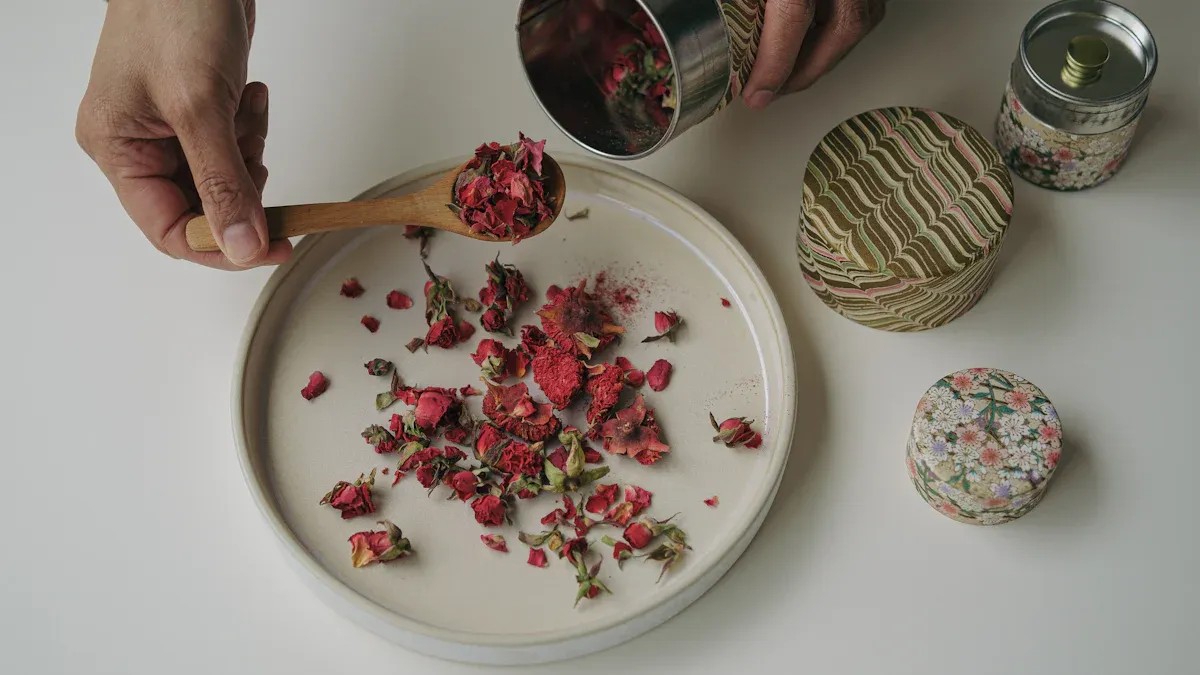
Making this fragrant drink is a simple and rewarding process. People can easily prepare it at home. This section explains how to choose ingredients, brew the tea, and enhance its flavor.
Choosing Ingredients
Selecting high-quality ingredients ensures the best brew. For rose hip tea, choose certified organic rose hips. These should come from plants grown away from pollutants, like major roads. This guarantees purity and safety. When selecting rose petals for rose petal tea, look for “premium handpicked rose flowers.” The product should also be USDA certified organic. This means it is 100% pure, natural, and free from artificial ingredients. High-quality ingredients make a delicious rose petal tea.
Brewing Guide
Brewing is straightforward. Use about one to two teaspoons of dried rose petals or hips per cup of hot water. The water should be around 208°F. Steep the ingredients for about 5 to 7 minutes. This duration allows the flavors to fully develop. Adjust steeping time based on desired strength. The brew does not become bitter with longer steeping.
Enhancing the Experience
Many additions can enhance the flavor and experience. For a richer rose flavor, add dried organic, culinary food grade pink rose buds and petals to the pitcher. Fresh fruits like strawberries, raspberries, or cherries can infuse flavor. Add them whole or sliced. Fresh mint leaves offer a refreshing aroma and taste. Liquid Stevia provides an optional touch of sweetness. Allowing the brew to infuse longer in the fridge, perhaps for two days, significantly enhances its flavor.
For different preparations, consider other enhancements. Add lemon juice to make a refreshing lemonade. Mix it with honey and serve over ice. Natural sweeteners like honey, sugar, or agave syrup complement the brew’s sweetness. Use them in rose milk tea, iced tea, or lemonade. Steamed milk, or plant-based milk, creates a creamy rose milk tea. Fresh mint leaves add a refreshing twist to iced tea. Always allow brewed tea to cool before mixing it with other ingredients for iced drinks.
Rose tea offers a unique flavor, rich antioxidants, and diverse health benefits. It provides immune support, aids digestion, and enhances mood. This delightful beverage makes a beneficial addition to any wellness routine. Enjoy this infusion responsibly. Consider potential side effects and consult professionals if needed. Explore the world of rose tea and discover its many wonders.
FAQ
Is rose tea caffeinated?
Pure rose tea, made from petals or hips, contains no caffeine. However, some rose tea blends combine rose with black or green tea. These blends will contain caffeine. Always check the product label for caffeine content.
What are the main health benefits of rose tea?
Rose tea offers several health benefits. It supports the immune system and provides anti-inflammatory effects. It also aids digestion and helps reduce stress. Additionally, rose tea contributes to healthier skin and hair.
Can rose tea help with sleep?
Rose tea can promote relaxation. Its calming properties may help improve sleep. Rose essential oil supports normal nervous system function, which contributes to mood enhancement and potential sleep aid.
Should you drink rose tea every day?
Drinking rose tea daily is generally safe for most people. However, individuals with allergies or those taking medications should consult a healthcare provider. Excessive consumption might lead to mild laxative effects. So, should you drink rose tea every day? Most people can, but listen to your body.
What does rose tea taste like?
Rose tea has a delicate floral essence. It offers a gentle sweetness. Subtle fruity and honeyed notes often complement the flavor. This creates a light, pleasant, and aromatic drinking experience.