

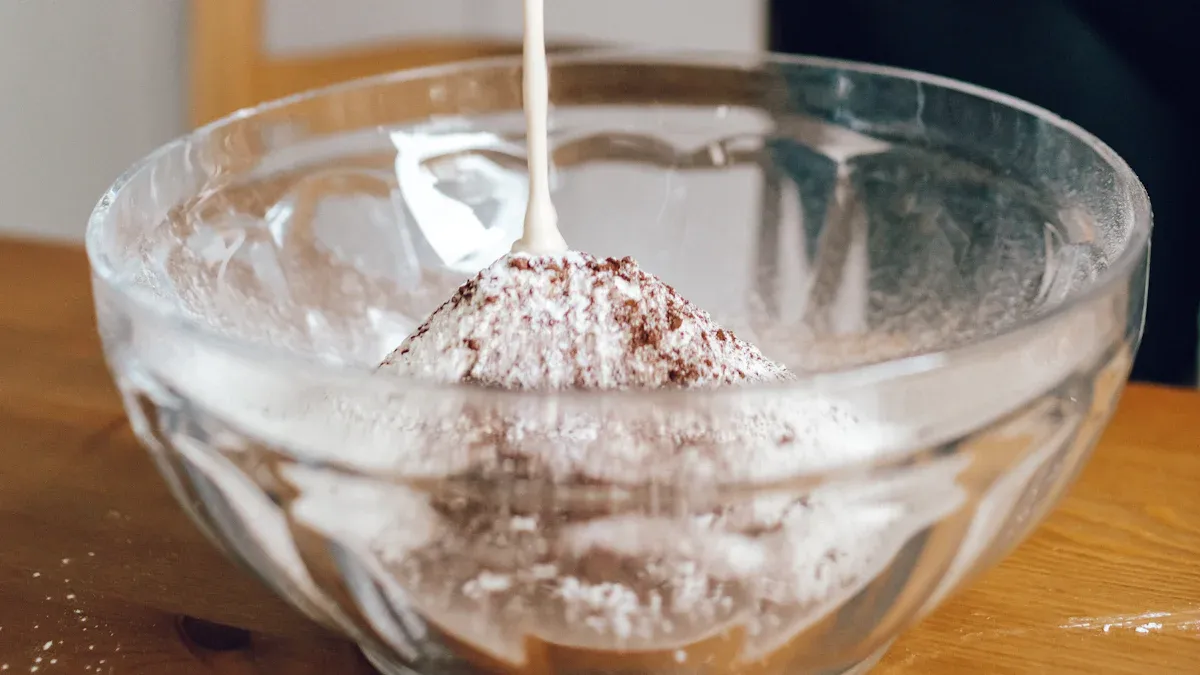
Many people hold misconceptions about buttermilk, often believing it is high in fat. However, this is not always the case. What is buttermilk? It is a tangy liquid, distinct from heavy cream. We find two main types: traditional buttermilk, a byproduct of butter-making, and cultured buttermilk, a fermented dairy product made by adding bacteria to milk. This often-overlooked dairy product is experiencing a resurgence in popularity, reflecting its growing recognition in various culinary and health contexts. This article explores its definition, nutrition, health benefits, and versatile uses.
Key Takeaways
Buttermilk is a tangy dairy liquid. It comes in two types: traditional and cultured. Traditional buttermilk is a leftover from making butter. Cultured buttermilk is made by adding good bacteria to milk.
Buttermilk is good for you. It has protein, vitamins, and minerals. It is low in fat and calories. It helps your digestion and makes your bones strong.
Buttermilk can help your heart. It may lower blood pressure. It also has good fats that can reduce bad cholesterol.
Buttermilk is great for cooking and baking. It makes baked goods soft and fluffy. It also tenderizes meat and adds flavor to dressings. You can even make a simple substitute at home.
What Is Buttermilk
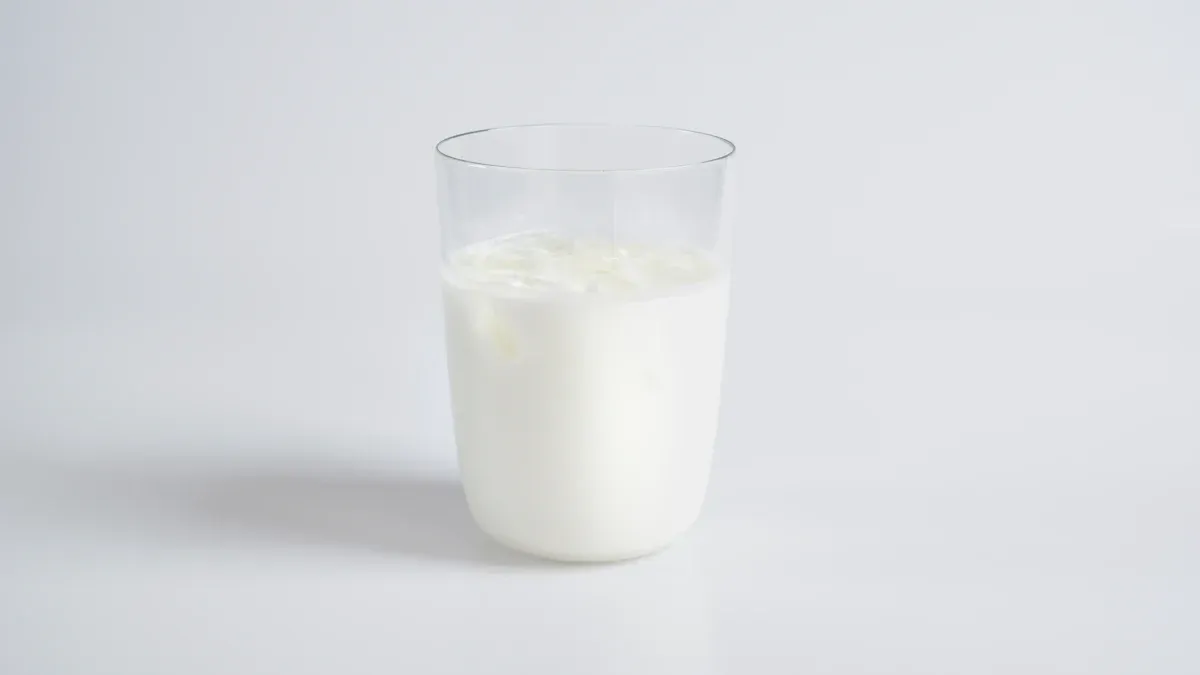
Many people wonder, “what is buttermilk?” Buttermilk is a dairy liquid with a distinct tangy flavor. It comes in two main forms: traditional and cultured. Understanding the differences between these types helps clarify its uses and origins.
Traditional Buttermilk
Traditional buttermilk is a historical byproduct of making butter. Before refrigeration, milk would naturally sour. Farmers would skim this soured cream and churn it into butter. The liquid left behind after the butter formed was traditional buttermilk. This liquid contained natural lactic acid bacteria. It could be sweet or sour, depending on whether fresh or soured cream was used to start. Farmers and enslaved people historically consumed this liquid. They also used it in baking, especially after baking soda became common in the 1800s.
When butter churning day arrived, the liquid separating from the solid butter was traditional buttermilk. This process explains why traditional buttermilk was naturally “cultured.” It came from the fermentation of cream before churning. This churn buttermilk is the watery end-product of butter making. It is not high in fat, despite its name.
Here are some characteristics of traditional buttermilk:
Characteristic | Sweet Cream Buttermilk | Sour Cream Buttermilk |
|---|---|---|
Source | Churning fresh, unfermented sweet cream | Churning naturally soured or deliberately fermented cream |
Flavor | Mild, slightly sweet, less tangy | Pronounced tanginess, slight thickness |
Fat Content | Low (0.5% to 2%) | Low (0.5% to 2%) |
Protein Content | Substantial (around 3-4 grams per cup) | Substantial (around 3-4 grams per cup) |
Micronutrients | Riboflavin (B2), B12, calcium, phosphorus | Riboflavin (B2), B12, calcium, phosphorus |
Traditional buttermilk is the liquid remaining after cream or fermented milk is churned to make butter. During churning, fat globules separate to form butter. This leaves behind a thin, slightly acidic liquid. This process has been key to traditional butter-making for thousands of years. Nutritionally, buttermilk has very low fat content, usually 0.5% to 2%. Most fat is removed during butter formation. It keeps a good amount of protein, typically 3-4 grams per cup. These proteins are complete and may be easier to digest. Buttermilk also provides important nutrients like riboflavin (B2), vitamin B12, calcium, and phosphorus. These support bone health, energy, and nerve function.
Cultured Buttermilk
Cultured buttermilk is the type most people find in stores today. Manufacturers make it by adding specific bacteria cultures to milk, usually skim or low-fat milk. These bacteria ferment the milk, producing lactic acid. This acid gives cultured buttermilk its characteristic tangy taste and slightly thicker texture. It is a fermented dairy product.
How Buttermilk Is Made
The production of buttermilk differs between traditional and cultured varieties.
Traditional buttermilk production is a natural result of butter making. Cream is churned, and the butterfat separates. The remaining liquid is traditional buttermilk.
Cultured buttermilk production involves a more controlled industrial process:
Preparation: Manufacturers ferment milk with specific bacterial cultures. This creates a sour, mildly thick liquid.
Pasteurization: Milk undergoes pasteurization before culturing. This kills harmful bacteria.
Fermentation: Lactic acid bacteria culture is added to the pasteurized milk. This causes the milk to sour and thicken.
Ingredients: Key ingredients include skim milk, low-fat milk, cream, and specific cultures like Streptococcus lactis. Sometimes, salt is added.
Optional Additives: Manufacturers might add sodium citrate for flavor, butter flakes, sweeteners, or stabilizers. They may also add vitamins A and D.
Equipment: Factories use pasteurizers, fermentation vessels, and homogenizers. Homogenizers help create a smooth texture and consistent flavor.
Packaging: Aseptic packaging or carton fillings are used. This helps the product last longer during transport and storage.
Buttermilk Nutrition
Buttermilk offers impressive nutrition information, especially considering its low-fat content. It is packed with nutrients that contribute to overall health. Understanding the nutritional value of buttermilk helps people appreciate its role in a balanced diet.
Macronutrients
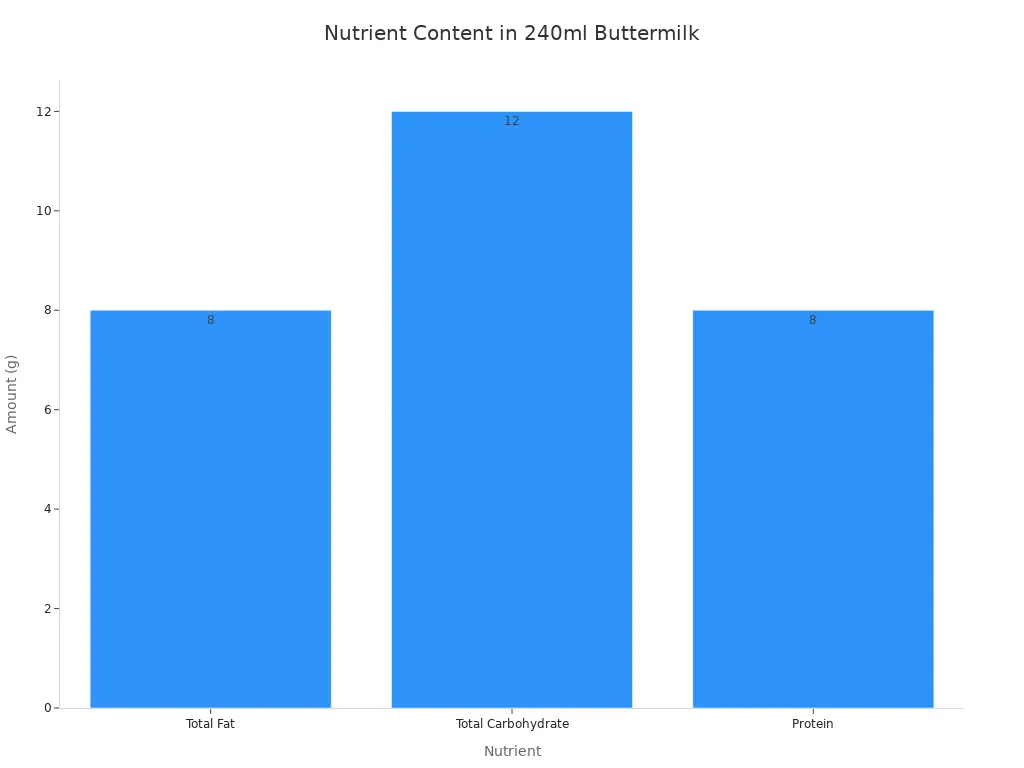
Buttermilk provides a good balance of macronutrients. A typical 240ml serving of buttermilk contains about 8 grams of protein. It also has approximately 12 grams of total carbohydrates. The total fat content is around 8 grams. This includes about 1.3 grams of saturated fat. This makes buttermilk an excellent source of protein.
Here is a breakdown of macronutrients in a 240ml serving:
Vitamins and Minerals
Buttermilk is rich in essential vitamins and minerals. It is high in calcium, which supports strong bones. It also provides important B vitamins. These include riboflavin (Vitamin B2) and Vitamin B12. These vitamins are crucial for energy production and nerve function.
A single serving of buttermilk can contribute significantly to daily nutrient needs:
Nutrient | Daily Value (%) |
|---|---|
Vitamin B2 (Riboflavin) | 36 |
Vitamin B12 | 28 |
Calcium | 12 |
This nutrition information highlights buttermilk’s role as a nutrient-dense food.
Calorie Count
Buttermilk is a relatively low-calorie dairy option. A 1-cup (245g) serving of low-fat buttermilk contains approximately 98 calories. This means 100ml of buttermilk has about 40 calories. This makes buttermilk a lighter choice compared to other dairy beverages. For example, a 245 ml serving of cultured buttermilk has 98 calories, while the same amount of milk can have around 157 calories.
Beverage | Calories (per 245 ml) |
|---|---|
Cultured Buttermilk | 98 |
Milk | 157 |
This low-calorie profile, combined with its rich nutrition, makes buttermilk a smart addition to many diets.
Health Benefits of Buttermilk
Buttermilk offers numerous health benefits, making it a valuable addition to many diets. This fermented dairy product provides essential nutrients and beneficial compounds that support various bodily functions. Understanding the health benefits of buttermilk helps people make informed dietary choices.
Digestive Health
Buttermilk is well-known for its positive impact on digestive health. As a fermented dairy product, it contains probiotics, which are beneficial bacteria. These probiotics help maintain a healthy balance of gut flora. They promote healthy digestion and can alleviate common issues like bloating, constipation, and indigestion. For example, strains like Pediococcus pentosaceus OBK05, isolated from buttermilk, show strong tolerance to acidic stomach conditions and bile, allowing them to survive and thrive in the intestinal tract. Other beneficial bacteria found in buttermilk include Lactococcus Lactis, Lactobacillus acidophilus, and Bifidobacterium bifidum.
These healthy bacteria aid in food breakdown and nutrient absorption. Buttermilk can also be easier to digest for some individuals with lactose intolerance. The fermentation process breaks down much of the lactose, making it a gentler alternative to regular milk. The benefits of drinking buttermilk regularly include improved gut function and a stronger digestive system.
Bone Health
Buttermilk is a good source of calcium and phosphorus, both crucial for strong bones and teeth. Regular consumption supports bone density and helps prevent conditions like osteoporosis. The calcium in buttermilk is readily absorbed by the body, contributing to overall skeletal health. These health benefits are particularly important for growing children and older adults.
Blood Pressure
Research suggests that buttermilk may help manage blood pressure levels. A clinical trial investigated the impact of buttermilk consumption on blood pressure in men and women. Participants consumed buttermilk daily for four weeks. The study found that buttermilk consumption significantly reduced systolic blood pressure and mean arterial blood pressure compared to a placebo. This effect is likely due to bioactive peptides formed during the fermentation process. These peptides act as ACE inhibitors, which help relax blood vessels. The benefits of drinking buttermilk extend to cardiovascular health.
Other Health Aspects
Buttermilk offers several other health benefits. Its components can contribute to cardiovascular health. Research shows that polar lipids found in buttermilk can reduce cardiovascular risk. These lipids form a complex with cholesterol in the small intestine, preventing its absorption and leading to its excretion. This mechanism helps lower blood levels of LDL-cholesterol and triglycerides. A study involving overweight postmenopausal women demonstrated that consuming a buttermilk concentrate enriched with milk polar lipids significantly reduced cardiometabolic risk markers.
Buttermilk also supports the immune system. Probiotics enhance gut-associated lymphoid tissue, improving resistance to infections. The presence of vitamin B12 and riboflavin supports immune cell production and function. This may reduce the frequency and severity of respiratory infections. Buttermilk also contains bioactive compounds with anti-inflammatory and antioxidant properties. These compounds help lower systemic inflammation markers and protect cells from oxidative damage. This is attributed to its selenium and vitamin E content. These health benefits may reduce the risk of chronic inflammatory conditions.
Potential Downsides
While buttermilk offers many benefits, some potential downsides and risks exist. Individuals with dairy allergies should avoid buttermilk entirely. It can cause symptoms like vomiting, wheezing, hives, and even anaphylaxis. The Food Allergen Labeling and Consumer Protection Act (FALCPA) requires clear labeling for milk products.
People with lactose intolerance might find buttermilk easier to digest than regular milk due to its lower lactose content. However, those who are particularly sensitive should still exercise caution. Buttermilk is not a low-calorie food, so calorie-conscious individuals should monitor their intake.
Buttermilk can also contain a high sodium content, sometimes 300–500 mg per cup. High sodium intake is linked to an increased risk of high blood pressure, especially in salt-sensitive individuals. People with high blood pressure or kidney issues should consult a doctor before consuming buttermilk, especially if it contains added salt. Consuming cold buttermilk at night might also worsen throat infections for some individuals. These considerations help ensure safe consumption of buttermilk.
What Is Buttermilk Used For
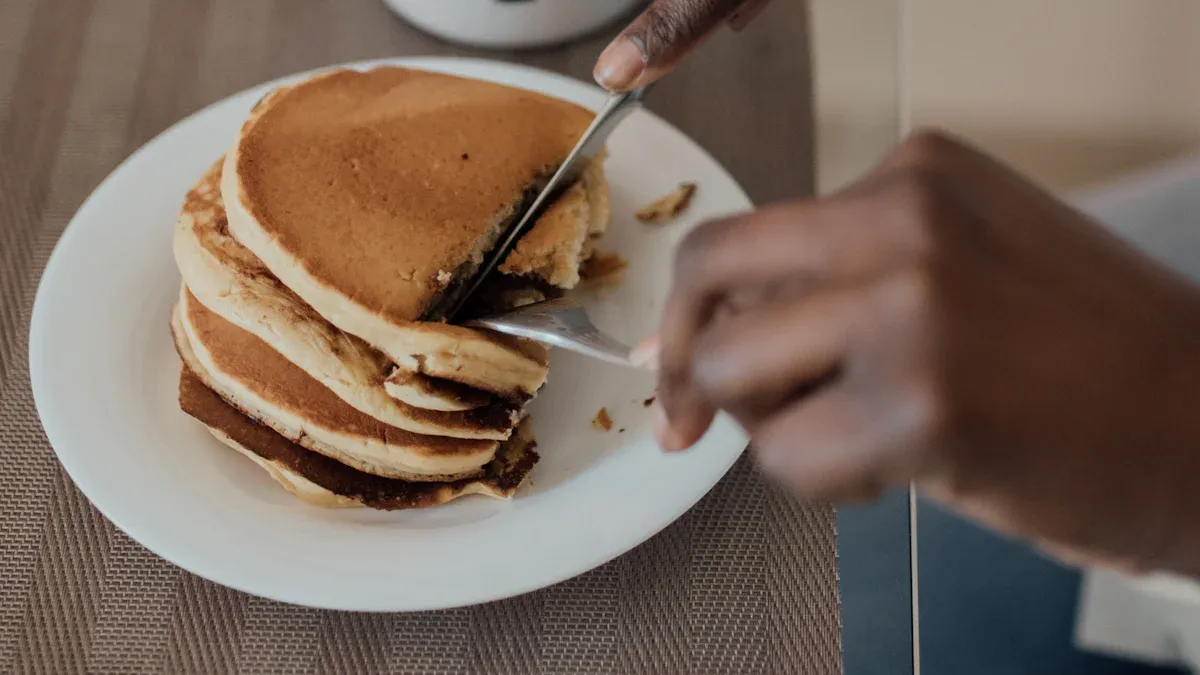
Buttermilk is a versatile ingredient in many kitchens. People use it for various culinary and practical applications. This section explores what is buttermilk used for in different ways.
Baking Uses
Buttermilk is a key ingredient in many baked goods. It adds moisture, tenderness, and a tangy flavor. People use it in pancakes, waffles, buttermilk biscuits, cornbread, and cakes. The acidity in cultured buttermilk reacts with baking soda. This reaction produces carbon dioxide gas. This gas acts as a leavening agent. It makes items like biscuits, scones, and quick breads rise. Buttermilk also contains phospholipids. These improve the texture and crumb of baked goods. Proteins in buttermilk add nutritional value. Lactose caramelizes during baking. This helps form a brown crust. Many popular recipes feature buttermilk. These include Brian Hart Hoffman’s Buttermilk Biscuits and Vanilla Buttermilk Cake. Buttermilk makes these items lighter, fluffier, and more tender. Buttermilk brownies are soft and cakey because of this ingredient. This makes buttermilk recipes a favorite for many bakers.
Cooking Uses
Buttermilk also shines in savory cooking. It works well as a marinade for meats. For example, people use it for fried chicken and fish. It tenderizes the meat and helps create a crispy crust. Buttermilk-brined pork chops use buttermilk as a brine. This adds flavor and helps form a complex crust. Buttermilk also enhances mashed potatoes. It adds a savory tang and prevents blandness. People use it in batters for crispy coatings. This includes fried chicken, fish, and onion rings. Buttermilk also forms the base for creamy sauces and soups. A good buttermilk recipe can transform simple ingredients.
Beverages and Dressings
Buttermilk is a key ingredient in many beverages and dressings. It adds creaminess and tang to dressings like ranch and blue cheese. Globally, fermented milk products similar to buttermilk are staples. These include Laban in the Middle East and Lassi in India. Kefir is popular in the Caucasus. Eastern Europe has Zsiadłe mleko and Rjaženka. Ireland uses Bainne Clabair in baking and as a drink. Homemade buttermilk ranch dressing is a versatile condiment. It uses buttermilk, mayonnaise, sour cream, lemon, chives, and dried herbs. This recipe offers a tangy and creamy flavor.
Homemade Buttermilk
Sometimes, a recipe calls for buttermilk, but you do not have any. You can easily make a homemade buttermilk substitute. This is how to make buttermilk at home. Combine 1 tablespoon of lemon juice or vinegar with 1 cup of milk. Let it sit for 5-10 minutes until it slightly curdles. This simple method creates a functional substitute. Other options for how to make buttermilk include using cream of tartar with milk. You can also use plant-based milks like almond, soy, or oat milk with lemon juice or vinegar. Vegan sour cream mixed with water also works. Even blended tofu with water and lemon juice can serve as a substitute. Knowing how to make buttermilk at home ensures you always have it for your recipes.
Buttermilk is a versatile dairy product. It offers significant nutritional value of buttermilk and many health benefits. Its uses span baking, cooking, and beverages. This healthy ingredient provides numerous benefits. Readers should explore buttermilk in their cooking and baking. Incorporate buttermilk into a healthy diet for its many advantages.
FAQ
Is buttermilk dairy-free?
Buttermilk is not dairy-free. It is a dairy product derived from milk. It originates either as a byproduct of butter production or through culturing milk with bacteria. Individuals with dairy allergies should avoid consuming it.
Can people drink buttermilk straight?
Yes, many people drink buttermilk straight. It possesses a tangy, slightly sour taste. Some cultures consume it as a refreshing beverage. People also use it in smoothies or as a base for savory drinks.
What is the difference between buttermilk and regular milk?
Buttermilk is thicker and tangier than regular milk. It undergoes fermentation, which gives it a distinct flavor and texture. Regular milk is unfermented and has a sweeter, milder taste. What is buttermilk? It is a fermented dairy product.
Does buttermilk taste like butter?
No, buttermilk does not taste like butter. It has a tangy, slightly sour flavor because of lactic acid. Butter is a fatty solid. Buttermilk is a thin, acidic liquid.