

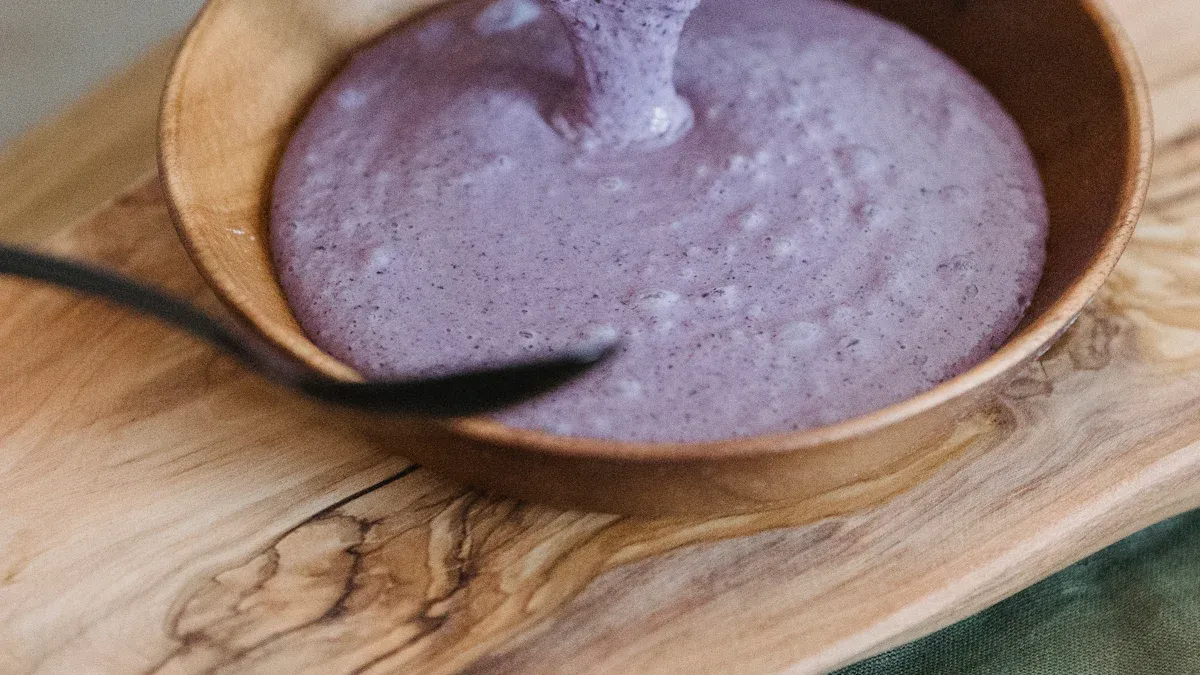
Purple sweet potatoes captivate with their striking, vibrant color. Their popularity is rapidly growing. The global market for these tubers was valued at USD 1.42 billion in 2024. Experts project it to reach USD 2.82 billion by 2033. This growth highlights increasing consumer interest in the unique root. Purple sweet potato offers unique health benefits beyond its common relatives. This nutritional powerhouse contains powerful antioxidants and complex carbohydrates. These components provide significant health advantages. Understanding purple sweet potatoes nutrition unlocks their full potential.
Key Takeaways
Purple sweet potatoes are a superfood. They have a lot of antioxidants called anthocyanins. These make them purple and help your body stay healthy.
These potatoes are good for your heart and can help fight swelling in your body. They may also help protect against some cancers.
Purple sweet potatoes have complex carbohydrates and fiber. This helps keep your blood sugar steady and gives you lasting energy.
They have more antioxidants than blueberries. This makes them a powerful food for boosting your immune system and protecting your cells.
What is a Purple Sweet Potato

Distinctive Features
Purple sweet potatoes are a unique root vegetable. They stand out with their intense purple color in both their skin and flesh. This vibrant hue comes from anthocyanins. Anthocyanins are powerful antioxidants. They are the most important group of phenolics in these tubers. One variety, JS1, shows very high anthocyanin content. It has 2–8 times more than other varieties. This high content gives it a deeper color. Purple sweet potatoes also contain more phenolic compounds than red, yellow, and white sweet potato varieties. This makes them an excellent source of edible anthocyanins. For example, Stokes Purple® sweet potatoes have purple-tinted skin and deep purple flesh. This color intensifies when cooked. Okinawan sweet potatoes feature creamy, beige skin with bluish-purple flesh. They offer a mildly sweet flavor with honey notes. Their texture is dry and very starchy. Compared to orange sweet potatoes, purple sweet potato varieties are typically dryer and denser. They often need longer cooking times.
Origins and Varieties
Sweet potatoes, including their purple varieties, originated in South-Central America. People first domesticated them over 5000 years ago. Explorers later introduced them to other parts of the world. Columbus brought them to Spain and Europe. Portuguese explorers carried them to Africa, India, Southeast Asia, and the Philippines between the 14th and 16th centuries. Intensive cultivation began in Asia approximately 630 years ago. In Africa, it started in the 1960s. Linguistic and genetic evidence supports a Peruvian origin. This evidence also suggests human transfer to Polynesia. Today, many different purple sweet potato varieties exist. Each offers unique flavors and textures.
Purple Sweet Potato Nutritional Profile
Purple sweet potatoes offer a robust nutritional profile. This makes them a valuable addition to any diet. Understanding purple sweet potatoes nutrition reveals their health-boosting components.
Calories and Macronutrients
Purple sweet potatoes provide a good source of energy. They are primarily composed of carbohydrates. They contain minimal fat. Here is a breakdown of their macronutrient content per 100 grams:
Nutrient | Value (per 100g) |
|---|---|
Calories | 136.36 kcal |
Carbohydrates | 30.91 g |
Protein | 1.82 g |
Fat | 0 g |
This data shows purple sweet potatoes are a calorie-dense food. They offer substantial carbohydrates for energy. Their protein content is modest, and they are naturally fat-free.
Fiber Content
Purple sweet potatoes are an excellent source of dietary fiber. Fiber is crucial for digestive health. Sweet potato nutrition highlights its fiber benefits. Sweet potatoes contain 1.1g more dietary fiber per 100g serving compared to potatoes. Both are root vegetables. However, sweet potatoes are richer in dietary fiber and simple sugars. Potatoes are higher in starch. Purple sweet potatoes, along with orange varieties, are known for being high in fiber. They also have a low glycemic index compared to other carbohydrate-rich foods. This includes potatoes.
Vitamins and Minerals
Purple sweet potatoes are packed with essential vitamins and minerals. They contribute significantly to daily nutrient needs. This rich sweet potato nutrition supports overall health.
Nutrient | % Daily Value (DV) |
|---|---|
Vitamin A | 213% |
Vitamin C | 44% |
Manganese | 43% |
Copper | 36% |
Pantothenic acid | 35% |
Vitamin B6 | 34% |
Potassium | 20% |
Niacin | 19% |
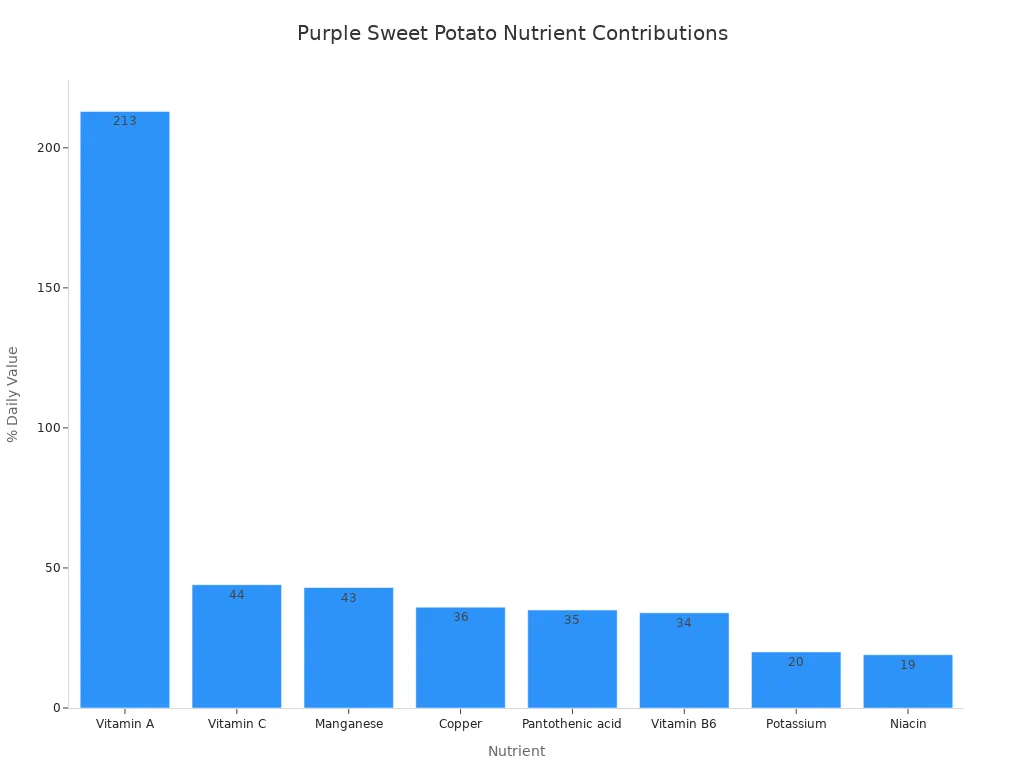
Purple sweet potatoes are notable for being a rich source of anthocyanin pigments. These pigments function as antioxidants. They contribute to the reduction of inflammation and boost the immune system. They contain approximately three times more anthocyanins than the average blueberry.
Antioxidant Power of Purple Sweet Potatoes
Purple sweet potatoes are famous for their high levels of antioxidants. These powerful compounds protect the body from damage. They play a key role in promoting overall health. The vibrant color of these vegetables signals their rich antioxidant content.
Anthocyanins and Carotenoids
Anthocyanins are the main reason for the deep purple color in these sweet potatoes. These pigments are also powerful antioxidants. Scientists have identified many specific types of anthocyanins in purple sweet potatoes. Peonidin and cyanidin are major types. Many anthocyanins are 3-sophoroside-5-glucosides. They have different levels of acylation. Researchers also found small amounts of petunidin, pelargonidin, and delphinidin-derived anthocyanins. Three acyl groups observed include feruloyl, p-hydroxybenzoyl, and caffeoyl. One specific example is cyanidin 3-caffeoyl-p-hydroxybenzoyl sophoroside-5-glucoside. A total of 18 high-confidence anthocyanins were identified. Scientists structurally explained 17 of them.
Purple sweet potatoes also contain carotenoids. Carotenoids are another type of antioxidant. However, their concentration is lower than in orange sweet potato varieties. Orange-fleshed sweet potato varieties have total carotenoid content from 0.38 to 12.85 mg/100 g FW. In contrast, light yellow and purple flesh samples have much lower β-carotene content. This ranges from 0.1 to 0.6 mg/100 g FW.
Antioxidant Action
The antioxidants in purple sweet potato work in several ways to protect the body. They directly fight harmful molecules called free radicals. This process is called direct free radical scavenging. Purple sweet potato anthocyanins show strong scavenging activities against various free radicals. These include DPPH, ABTS, and hydroxyl radicals. They also stop lipid peroxidation. This protects cell membranes from damage.
These compounds also boost the body’s own defense system. Anthocyanins activate important antioxidant enzymes.
Superoxide Dismutase (SOD): Anthocyanins increase SOD activity. SOD changes harmful superoxide radicals into less dangerous forms.
Catalase (CAT): Anthocyanin-rich extracts improve CAT activity. CAT breaks down hydrogen peroxide into oxygen and water. This protects cells from its harmful buildup.
Glutathione Peroxidase (GPx): Anthocyanins raise GPx activity. GPx neutralizes harmful lipid hydroperoxides and hydrogen peroxide.
Flavonoids in purple sweet potatoes also neutralize free radicals. They stop lipid peroxidation by activating peroxidase. They do this by giving hydrogen ions to lipid peroxyl radicals. This stops harmful radical reactions. Anthocyanins also increase superoxide dismutase (SOD) levels in the blood. They act as free radical scavengers. Anthocyanins can also activate the Nrf2 pathway. This pathway turns on many antioxidant genes and protective enzymes. This further strengthens the body’s defense against stress.
Antioxidant Comparison
Purple sweet potatoes offer impressive antioxidant activity. They stand out when compared to other well-known superfoods. The Okinawan sweet potato is a type of purple sweet potato. It has a much higher antioxidant capacity than blueberries. It contains 150 percent more antioxidants. This makes it a very strong source of these beneficial compounds. It surpasses a commonly recognized superfood. Dr. Oz recognized Okinawan sweet potatoes as one of the top Superfoods in 2010. This further confirms their superfood status. Purple sweet potatoes, including the Okinawan variety, contain 150 percent more antioxidants than blueberries. This positions them as a nutritionally dense superfood.
Carbohydrates and Blood Sugar
Purple sweet potatoes offer a unique carbohydrate profile. This profile impacts energy levels and blood sugar regulation. Understanding these aspects reveals more health benefits.
Complex Carbs
Purple sweet potatoes are rich in complex carbohydrates. These carbohydrates are different from simple sugars. Complex carbohydrates break down slowly in the body. This slow breakdown provides a steady release of glucose into the bloodstream. This process ensures a sustained energy supply. It prevents sudden spikes and crashes in blood sugar. The fiber content in purple sweet potatoes also contributes to this slow digestion. This makes them an excellent food choice for consistent energy.
Glycemic Impact
The complex carbohydrates and fiber in purple sweet potatoes give them a favorable glycemic impact. Foods with a lower glycemic index cause a slower, more gradual rise in blood sugar. This helps manage blood glucose levels effectively. Research supports the antidiabetic potential of sweet potatoes. A comparative study looked at three sweet potato varieties. These included Orange-Fleshed Sweet Potato (OFSP), Purple-Peel White-Fleshed Sweet Potato (PPWSP), and White-Peel White-Fleshed Sweet Potato (WPWSP). Researchers used streptozotocin-induced diabetic rat models. This research shows the broader antidiabetic properties of sweet potatoes. They are rich in nutrients and bioactive compounds. People recognize them for potential health benefits. These include antiobesity, antidiabetic, antilipidemic, and antioxidant effects.
Purple sweet potato contains special compounds called acylated anthocyanins. These are different from the nonacylated anthocyanins found in other berries like elderberry, blackberry, and blackcurrant. A study showed that diabetic mice had significant reductions in blood glucose levels. They also had improved insulin insensitivity. This happened when researchers fed them acylated anthocyanin extracts from purple sweet potato. The daily dose was 500 mg/kg body weight for four weeks. These acylated anthocyanins also positively influence the gut microbiome. They help beneficial bacteria grow. They stop harmful bacteria. They also increase the production of short-chain fatty acids. All these actions improve gut health and glycemic control. This makes purple sweet potato a valuable food for fighting diabetes.
Athletic Benefits
Athletes can greatly benefit from the carbohydrate profile of purple sweet potatoes. The complex carbohydrates provide a sustained energy source. This is crucial for endurance activities. The steady release of glucose helps maintain stable blood sugar levels during prolonged exercise. This prevents fatigue and supports performance. The fiber content also aids in digestive health. This is important for athletes who need efficient nutrient absorption. The antioxidants present also help reduce exercise-induced oxidative stress. This supports faster recovery.
Comprehensive Health Benefits
Purple sweet potatoes offer many health benefits. Their unique nutritional makeup contributes to overall well-being. These purple sweet potato benefits extend to several body systems.
Heart Health
Purple sweet potatoes support a healthy heart. Bioactive compounds like anthocyanins, flavonoids, and phenolic acids contribute to these health benefits. These compounds have antioxidant and anti-inflammatory properties. Research shows purple sweet potato consumption can help lower blood pressure. A beverage made from purple-fleshed sweet potato lowered systolic blood pressure in studies. This happened in both Caucasian participants and mildly hypertensive Japanese volunteers. Studies on rats also showed a significant decrease in systolic blood pressure. This effect lasted over 8 hours after giving anthocyanin-rich extracts. Long-term intake also showed an antihypertensive effect. A study also showed a hypocholesterolemic effect from biscuits made with purple sweet potato flour. This suggests a potential for cholesterol reduction.
Anti-Inflammatory Effects
Purple sweet potatoes possess strong anti-inflammatory properties. Compounds called carbon dots (CPP-CDs) from purple sweet potatoes reduce inflammation. They lower pro-inflammatory cytokines like IL-1β, IL-6, and TNF-α. They also lessen oxidative stress. CPP-CDs stop the NLRP3 inflammasome activation. This blocks the NF-κB signaling pathway. It also prevents the release of IL-1β. These compounds also stop calcium influx. This disrupts the inflammation cycle.
Compound | Correlation with Anti-inflammatory Factors | Correlation with Pro-inflammatory Factors |
|---|---|---|
Mytilin A | Positive | Negative |
Diosmetin | Positive | Negative |
Desipramine | Negative | Positive |
Cancer Protection
Purple sweet potatoes show promise in cancer prevention. Cyanidin and peonidin, found in these potatoes, inhibit human colon cancer cell growth. Anthocyanins from purple sweet potato extracts also stopped the growth of breast (MCF-7), colon (WiDr), and stomach (SNU-1) cancer cells. This effect depended on the concentration and time.
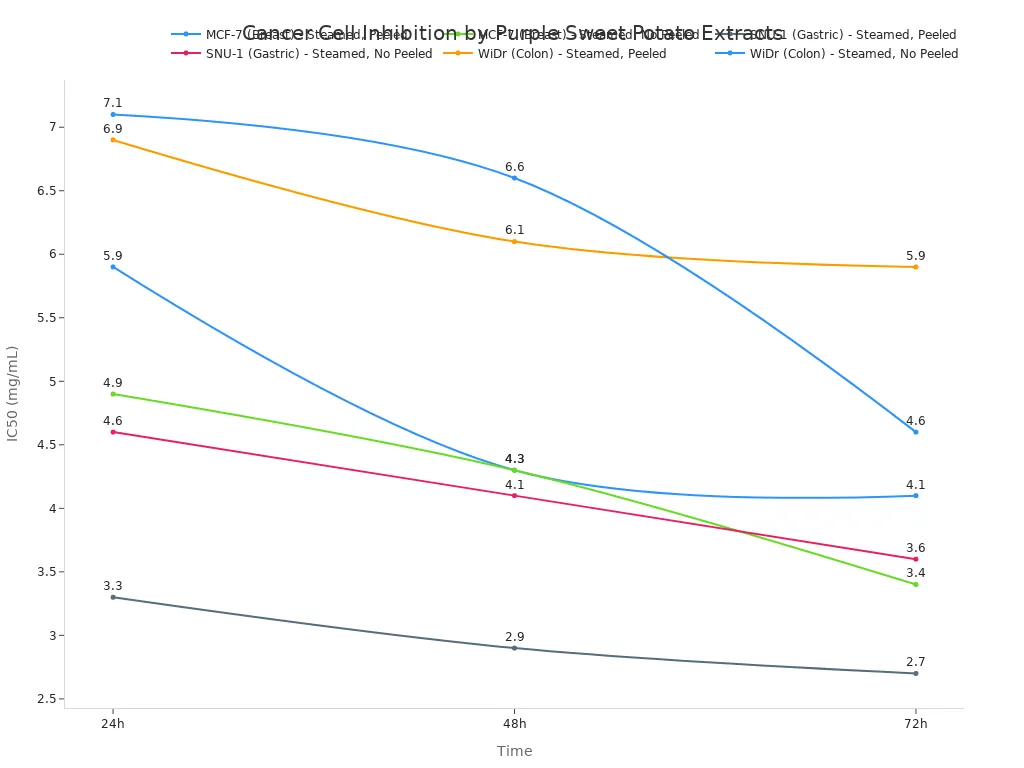
Purple sweet potato anthocyanin also has an antitumor effect in bladder cancer. Leaf extracts from the All-Purple sweet potato cultivar significantly inhibited lung (A549) and breast (BT549) cancer cell viability.
Immune Support
The rich antioxidant content in purple sweet potatoes boosts the immune system. Anthocyanins and other compounds help protect cells from damage. This strengthens the body’s defenses against illness.
Vision and Gut Health
Purple sweet potatoes also support vision and gut health. Anthocyanins have vision-protective effects. They help prevent or treat age-related eye conditions. For gut health, purple sweet potato polyphenols (PSP) improve the colonic microbiota. They increase beneficial bacteria and decrease harmful ones. This reduces harmful byproducts. Dietary fiber from sweet potato peels also boosts beneficial bacteria like Bifidobacterium and Lactobacillus. It promotes short-chain fatty acid production. These acids are vital for intestinal health.
Incorporating Purple Sweet Potatoes
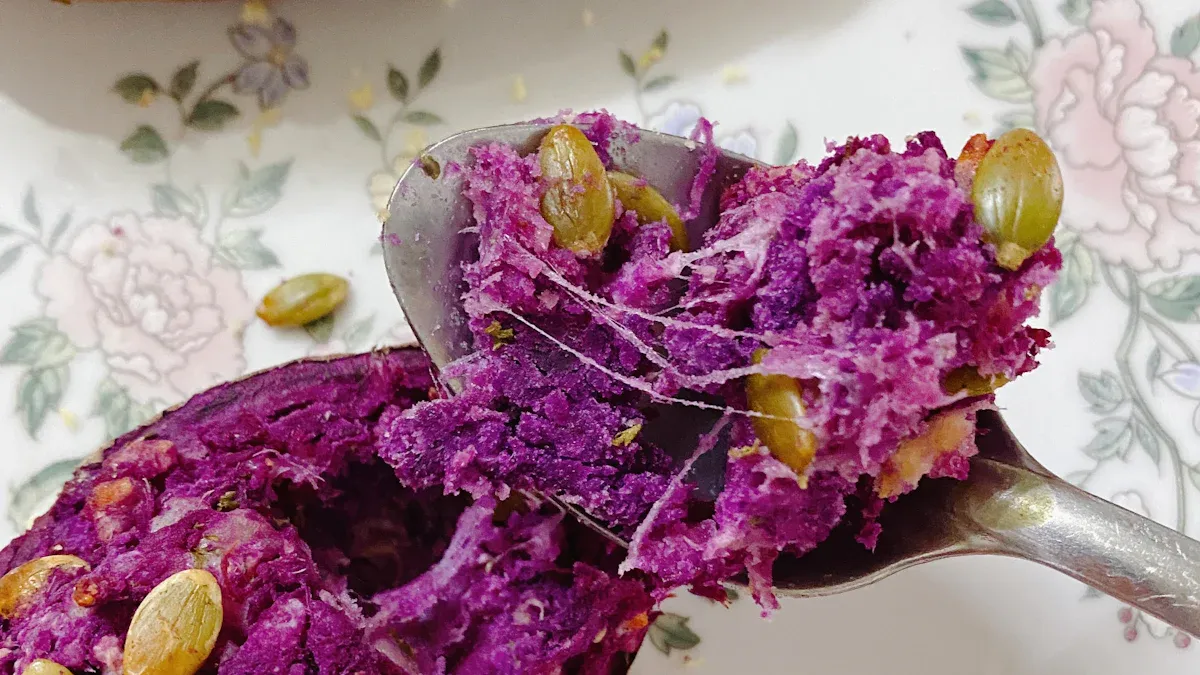
People can easily add purple sweet potatoes to their diet. They offer both unique flavor and significant health benefits. Knowing how to prepare and store them helps maximize their nutritional value.
Cooking Methods
Different cooking methods affect the nutrient content of purple sweet potato. Combined cooking and ethanol pretreatment (CEP) is very effective. This method preserves polyphenols and anthocyanins. It also makes them more available to the body. Blanching (BP) is especially good for keeping flavonoids. CEP pre-treatment significantly increases total phenolic content. It also boosts total tannins and anthocyanins. This method shows the highest antioxidant capacity in laboratory tests. Cooked purple sweet potato prepared this way contains more beneficial compounds. These include procyanidin A2, kaempferol, hesperidin, petunidin 3-glucoside, and chlorogenic acid.
Recipe Ideas
Purple sweet potato works well in many dishes. People can make oven-baked purple sweet potato fries. These are crispy, delicious, and visually appealing. They pair well with a simple Greek yogurt sauce. Stuffed purple sweet potatoes with turmeric tahini offer a comforting meal. They feature crispy Tandoori Masala seasoned chickpeas. Mashed purple sweet potatoes make an eye-catching side dish. They are suitable for cookouts or special occasions. Other ideas include loaded purple sweet potatoes with Thai spinach curry. People also enjoy purple sweet potato pie. This pie has a natural color and is often gluten-free. Baked healthy sweet potato chips can include purple varieties. Ube steamed buns are a cute sweet potato recipe. Vibrant purple sweet potato doughnuts with ginger glaze are also popular. Purple sweet potato gnocchi with tahini parsley offers a delicious whole food option. A warming purple sweet potato and purple carrot soup provides comfort.
Selection and Storage
Proper selection and storage ensure the best quality. After harvesting, sweet potatoes need curing. This means drying them in a warm, humid place for 10-14 days. Store cured sweet potatoes in a cool, dark, and well-ventilated area. The ideal temperature is between 55-60°F (13-16°C). Avoid refrigeration. Cold temperatures can harm their taste and texture. Traditional sand storage can extend shelf life. Layer clean sand and sweet potatoes in a container. Keep it in a cool, dry place. This method helps them last for several months. For longer storage, cook and mash or dice sweet potatoes before freezing. Store them in airtight containers. Canning is another option for puree or slices. Follow safe canning procedures for longevity and safety.
Purple sweet potatoes offer exceptional purple sweet potatoes nutrition. They stand out as a true superfood. Their vibrant color comes from powerful anthocyanins, which are key antioxidants. These compounds provide significant health benefits, from heart health to immune support. The unique purple sweet potatoes nutrition, rich in anthocyanins and other antioxidants, makes them invaluable. We encourage you to explore their unique flavor and enjoy these benefits in your cooking. Choose these colorful vegetables for a healthier diet.
FAQ
What gives purple sweet potatoes their distinct color?
Anthocyanins give purple sweet potatoes their vibrant color. These powerful antioxidants are responsible for the deep purple hue. They also provide many health benefits.
What are the primary health benefits of purple sweet potatoes?
Purple sweet potatoes offer heart health, anti-inflammatory effects, and cancer protection. They also support immune function, vision, and gut health. Their rich antioxidant content drives these benefits.
How do purple sweet potatoes impact blood sugar levels?
Purple sweet potatoes contain complex carbohydrates and fiber. These components lead to a slow, steady release of glucose. This helps regulate blood sugar levels. They have a favorable glycemic impact.
Do purple sweet potatoes have more antioxidants than blueberries?
Yes, purple sweet potatoes, especially the Okinawan variety, contain significantly more antioxidants than blueberries. They offer 150 percent more antioxidants. This makes them a very strong source of these beneficial compounds.