

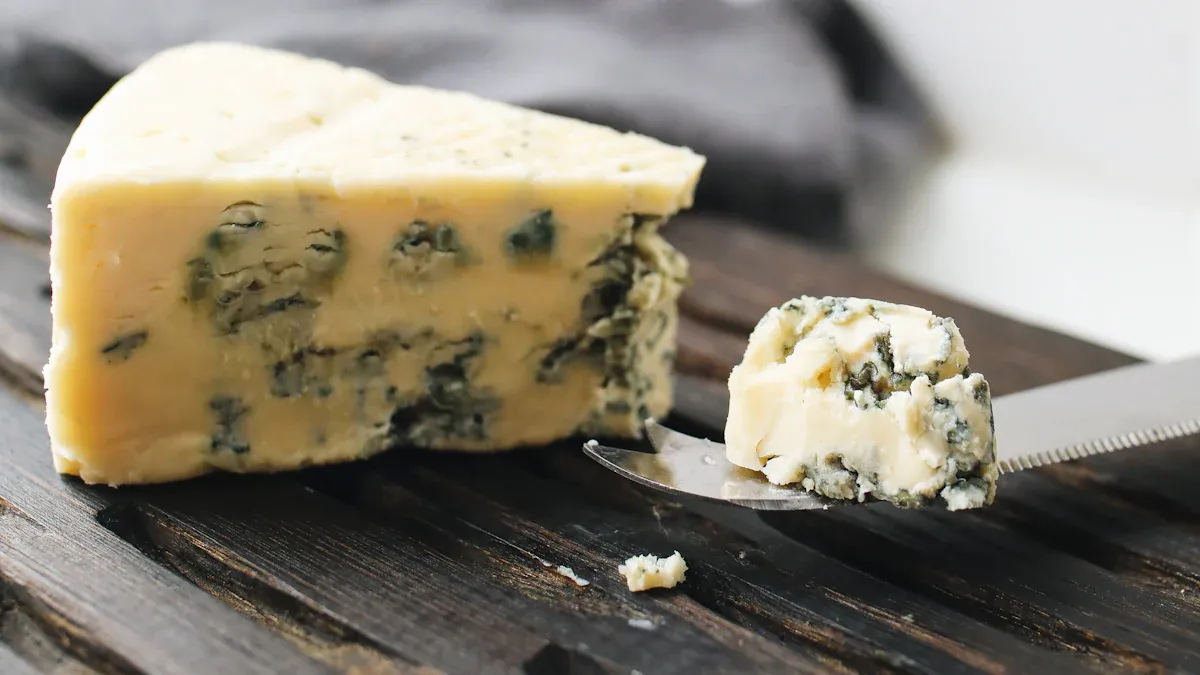
Stilton cheese holds an iconic place among British cheeses. This remarkable cheese offers a truly unique experience. Many people recognize Stilton cheese for its bold character. This blog provides a complete guide to understanding and appreciating Stilton. It explores the distinctive taste of this famous cheese. It also presents comprehensive nutrition facts for Stilton cheese. Finally, it discusses its notable health benefits. This exploration helps readers understand the full scope of this celebrated cheese.
Key Takeaways
Stilton cheese comes in two types: Blue Stilton has a strong, tangy taste with blue veins, while White Stilton is milder and creamy.
Stilton cheese provides good amounts of protein and calcium, which are important for strong bones and muscles.
Stilton cheese is low in lactose, making it a good choice for many people who have trouble digesting dairy.
Pregnant women can safely eat Stilton cheese because it is a hard cheese, which means it has a low risk of harmful bacteria.
Enjoy Stilton cheese in small amounts because it is high in fat and salt, even though it offers many health benefits.
Stilton Cheese Taste Profile
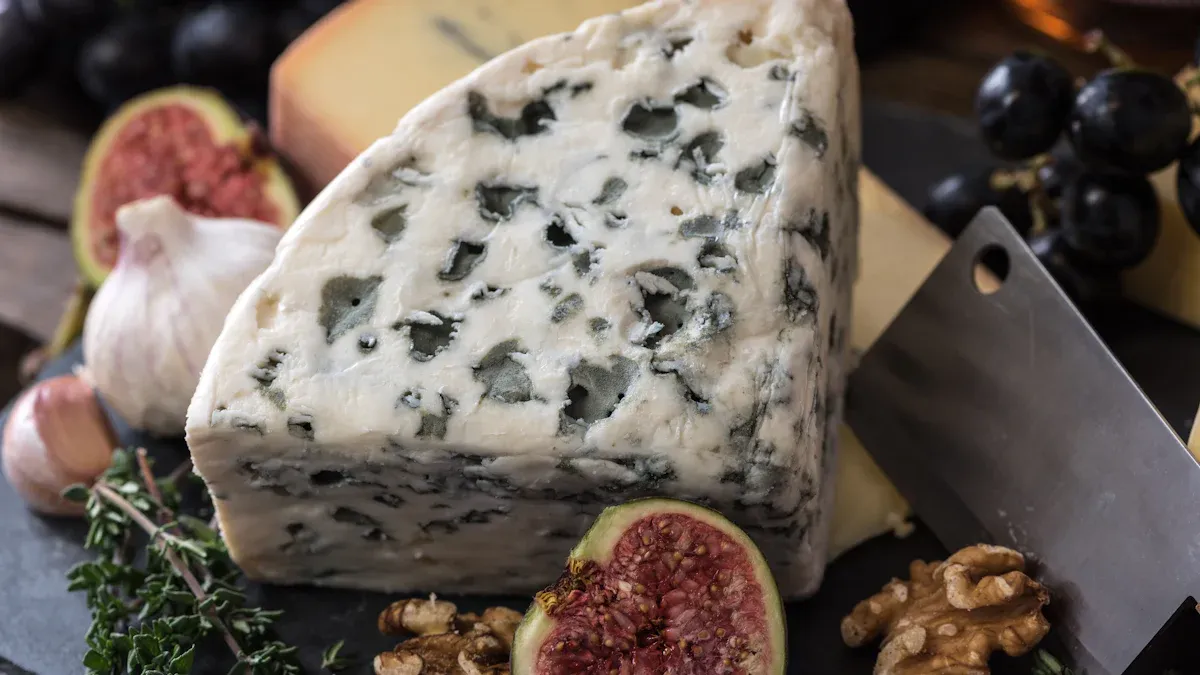
Stilton cheese is a well-known British blue cheese. It offers a distinctive, complex, and slightly tangy taste. This cheese also has a creamy, crumbly texture. Understanding its unique characteristics helps appreciate this famous dairy product.
Blue Stilton Flavor
Blue Stilton presents a rich and complex flavor. Its taste is often described as fresh and creamy. Many find it tangier than other blue cheeses, like Gorgonzola Dolce. The main aroma compounds are ketones, which make up 55-75% of its total aroma profile. Primary and secondary alcohols contribute another 10-30% of volatile compounds. These include 3-methyl butanol and 2-heptanol. Esters, such as ethyl butanoate, add fruity, floral, and spicy notes. These compounds also help soften the pungent taste of methyl ketones. The overall flavor of this stilton cheese is robust and memorable.
Blue Stilton Texture and Aroma
Blue Stilton has a unique texture. It is both creamy and crumbly. This texture comes from its full cream pasteurized cow’s milk and high milk fat content. The aroma of stilton is also very distinct. Butyric (C4) and caproic (C6) acids are major compounds. They create a strong, piquant flavor. 2-heptanone is another key compound responsible for this strong, piquant flavor. Methyl ketones, including 2-heptanone and 2-nonanone, are the most abundant aroma compounds. They contribute up to 70% of the total volatile flavor compounds. Alcohols like 2-heptanol and 2-nonanol are also significant. They make up 15–30% of the total volatile compounds, adding to the characteristic aroma of this blue cheese.
White Stilton Taste
White Stilton offers a different taste experience compared to its blue counterpart. It shares the characteristic creaminess of Blue Stilton. However, White Stilton notably lacks the tanginess found in Blue Stilton. This difference occurs because White Stilton does not contain Penicillium roqueforti. This specific mold creates the blue veins and tangy flavor in Blue Stilton. Therefore, the taste of stilton in its white form is milder and less pungent. It still provides a rich, creamy cheese experience without the sharp bite.
Stilton Cheese Nutrition Facts
Stilton cheese offers a rich flavor and a notable nutritional profile. Understanding these nutrition facts helps consumers make informed dietary choices. This section provides detailed nutrition facts about Stilton, covering its calorie count, macronutrients, and essential vitamins and minerals. These facts highlight the robust nutrition Stilton provides.
Calorie and Macronutrient Data
Stilton cheese is a calorie-dense food. A 100-gram serving of Stilton cheese contains 366 calories. This provides significant energy. For a more detailed look at its nutrition facts, consider the following breakdown per 100 grams:
Nutrient | Amount per 100g |
|---|---|
Energy | 410 calories |
Protein | 23.7g |
Carbs | 0.1g |
Fat | 35g |
Smaller servings also provide substantial nutrition. A 28-gram serving of Stilton cheese contains 100 calories. It also has 8.1 grams of total fat, 21 milligrams of cholesterol, 325 milligrams of sodium, 0.7 grams of carbohydrates, and 6.1 grams of protein. A 1-ounce serving of Stilton provides 110 calories. It contains 10 grams of total fat, 6 grams of saturated fat, 0 grams of trans fat, 0 grams of total carbohydrate, 0 grams of dietary fiber, 0 grams of total sugars, and 7 grams of protein.
Different serving sizes show varying nutrition facts:
Serving Size | Calories | Protein | Carbs | Fat |
|---|---|---|---|---|
10g (1 Tablespoon grated) | 41 | 2.4g | 0g | 3.5g |
30g (Small chunk) | 123 | 7.1g | 0g | 10.5g |
40g (Medium chunk) | 164 | 9.5g | 0g | 14g |
50g (Average sandwich portion) | 205 | 11.9g | 0.1g | 17.5g |
These nutrition facts show Stilton is a good source of energy and protein.
Fat Content
Stilton cheese has a high fat content. A 100-gram serving of Stilton cheese contains approximately 30-35 grams of total fat. The high fat content in Stilton cheese is primarily saturated fat. This is an important aspect of its nutrition facts.
Nutrient | Amount per 100g |
|---|---|
Total Fat | 32.4 g |
Saturated Fat | 21.1 g |
Consumers should consider this fat content when planning their diet. The cholesterol content is also notable. A 28-gram serving contains 21 milligrams of cholesterol. This cholesterol content contributes to the overall richness of the cheese.
Protein Content
Stilton cheese is an excellent source of protein. This makes it a valuable addition to many diets. According to prospre.io, 100 grams of Blue Stilton cheese contains 25 grams of protein. This high protein content supports muscle health and satiety. A 28-gram serving provides 6.1 grams of protein. A 40-gram serving offers 9 grams of protein. These protein content facts highlight Stilton’s role in a balanced diet.
Sodium Content
Stilton cheese has a significant sodium content. A 28-gram serving contains 325 milligrams of sodium. This contributes to its distinct flavor. The salt content per 100 grams is also high.
Nutrient | Per 100 g |
|---|---|
Salt | 1.98 g |
High consumption of salt can raise blood pressure. This increases the risk of heart disease and stroke. Consumers should enjoy Stilton in moderation due to its sodium content. These nutrition facts are crucial for those monitoring their salt intake.
Vitamins and Minerals
Stilton cheese provides several important vitamins and minerals. It is particularly rich in calcium. A 28-gram serving contains 80 milligrams of calcium. This calcium content supports bone health.
Nutrient | Value per 28g |
|---|---|
Calcium | 80mg |
Phosphorus | – |
Zinc | – |
Stilton also contains Vitamin D. For example, 240 grams of Stilton cheese contains 57.6 micrograms of Vitamin D. This accounts for 288% of the daily value. However, specific quantities for Vitamin A or B vitamins per 100 grams are not readily available in all nutrition facts. Stilton is high in calcium and protein. However, it is also high in fat and salt. These nutritional benefits make Stilton a flavorful and nutrient-dense cheese.
Health Benefits and Considerations
Stilton cheese offers more than just a rich flavor. It also provides several health benefits. However, consumers should consider some aspects when including it in their diet. This section explores the positive impacts of Stilton and important consumption guidelines.
Bone Health Benefits
Stilton cheese is a good source of calcium. Calcium is essential for strong bones and teeth. Regular consumption of calcium-rich foods helps maintain bone density. This can lower the risk of osteoporosis. A long-term study in older Finnish women showed that higher cheese consumption linked to a lower risk of hip fracture. This finding aligns with two systematic reviews. These reviews also found a decreased risk of hip fractures in people who ate the most cheese. Stilton also contains phosphorus, another mineral vital for bone health.
Protein Benefits
Stilton cheese provides a significant amount of protein. Protein is crucial for building and repairing tissues in the body. It supports muscle growth and helps maintain a healthy immune system. The protein in Stilton also contributes to satiety. This means it helps people feel full and satisfied after eating. This can be helpful for weight management.
Gut Health
Some research suggests that blue cheese, including Stilton, may offer benefits for gut health. The unique molds and bacteria in blue cheese can contribute to a diverse gut microbiome. A healthy gut microbiome supports digestion and overall well-being. While more specific research on Stilton is ongoing, the general properties of blue cheese suggest potential positive effects.
Antioxidant Properties
Stilton contains various vitamins and minerals that act as antioxidants. These include vitamin A and zinc. Antioxidants protect the body’s cells from damage caused by free radicals. This damage can contribute to aging and various diseases. Blue cheese also contains spermidine. Researchers are studying spermidine for its potential role in delaying aging and promoting cellular health. These properties add to the overall health benefits of Stilton.
Lactose Content
Many people worry about lactose in dairy products. Stilton cheese has a very low lactose content. It contains less than 1 milligram of lactose per 100 grams. Aging generally reduces lactose levels in cheese. The milk sugar (lactose) in aged cheeses has more time to break down. Bacterial cultures perform this breakdown. This makes Stilton a suitable option for many individuals with lactose sensitivity.
Stilton and Pregnancy
Pregnant individuals often have questions about eating certain cheeses. The NHS advises that all hard cheeses, including Stilton, are safe for consumption during pregnancy. This safety applies even if producers make them with unpasteurized milk. Hard cheeses have a low risk of Listeria bacteria. Hard blue cheeses like Stilton can be eaten without cooking. Other mold-ripened soft blue-veined cheeses, such as Gorgonzola or Roquefort, should be avoided unless cooked. Stilton cheese is considered an acceptable option during pregnancy. This is because it is a hard cheese. This significantly reduces the likelihood of Listeria bacteria being present.
Cheese – made with pasteurised milk | Safe or not? |
|---|---|
Stilton | ✓ |
Moderation in Consumption
While Stilton offers several health benefits, it is also high in fat and salt. A 28-gram serving of Stilton contains 110 calories and 10 grams of fat, with 6 grams of saturated fat. It also provides 30 milligrams of cholesterol and 7 grams of protein.
Nutrient | Amount per 28g serving |
|---|---|
Calories | 110 |
Fat | 10 g |
Protein | 7 g |
Carbohydrate | 1 g |
Saturated Fat | 6 g |
Cholesterol | 30 mg |
Calcium | 89.88 mg |
A serving of blue Stilton cheese is defined as 28 grams. Consumers should enjoy Stilton in moderation as part of a balanced diet. This helps them gain the benefits without excessive intake of fat and sodium.
White Stilton Versus Blue Stilton
Key Production Differences
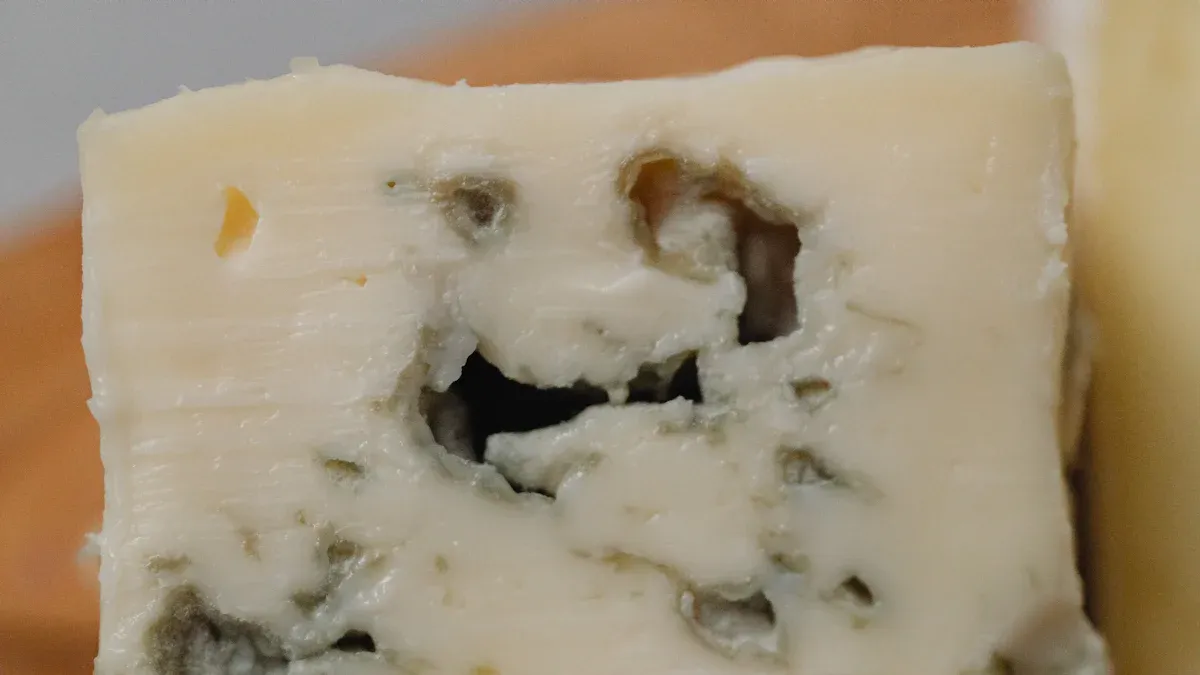
Blue stilton and White stilton cheese share a common origin. However, their production methods diverge significantly. The main difference lies in the introduction of Penicillium roqueforti. This specific mold is crucial for blue stilton. Producers introduce spore suspensions of Penicillium roqueforti to create blue mold cheeses. This fungal starter culture gives blue stilton its characteristic blue veins and strong flavor. White stilton does not use this mold. Therefore, it lacks the blue veining and pungent blue cheese flavor. The aging process also differs considerably between the two types of stilton. White stilton typically ages for about four weeks. Blue stilton requires a much longer aging period to develop its full character. Standard blue stilton ages for 6–12 weeks. Mature versions can age for 10–15 weeks. Vintage blue stilton ages for 15+ weeks. During blue stilton production, stainless steel needles pierce the cheese. This introduces oxygen, which encourages the growth of Penicillium roqueforti throughout the cheese. Aging rooms for blue stilton have controlled environments. They maintain optimal temperature and humidity for mold development and maturation. These factors ensure consistent quality for this distinctive cheese.
Distinct Culinary Uses
White stilton and blue stilton cheese also have different culinary applications. White stilton is an ideal dessert cheese. Its crumbly texture makes it suitable for adding fruits. Producers often blend it with ginger, apricots, blueberries, lemon, or cranberries. White stilton with fruit creates a light and sweet dessert cheese. It is suitable for any time of the day. The blue variety, with its strong, powerful taste, is often eaten in smaller amounts. People enjoy this cheese on its own or as part of a cheese board. Its robust flavor pairs well with rich foods or sweet wines. The distinct characteristics of each stilton make them versatile ingredients in different dishes.
Stilton cheese offers a unique taste, robust nutrition, and various health benefits. This distinctive cheese provides a complex flavor profile. Its comprehensive nutrition facts show it is rich in protein and calcium. Stilton also offers potential gut health advantages. People can enjoy this versatile cheese in many culinary applications. It fits well into a balanced diet. The detailed nutrition facts help consumers make informed choices about this delicious cheese. This cheese is a truly special food. Explore and enjoy stilton responsibly. This remarkable cheese adds value to many meals. Understanding its nutrition facts helps appreciate this special cheese.
FAQ
What is Stilton cheese?
Stilton cheese is a famous British cheese. It comes in two main types: Blue Stilton and White Stilton. Blue Stilton has a strong, tangy flavor and blue veins. White Stilton is milder and crumbly. These are important facts about its identity.
What makes Blue Stilton blue?
Penicillium roqueforti mold gives Blue Stilton its blue veins. Producers introduce this mold during cheesemaking. They also pierce the cheese to allow oxygen inside. This helps the mold grow. These production facts explain its unique appearance.
Is Stilton cheese healthy?
Stilton cheese offers protein and calcium. It also has a low lactose content. However, it is high in fat and sodium. Consumers should enjoy it in moderation. These nutritional facts help guide consumption.
Can pregnant women eat Stilton?
Yes, pregnant women can eat Stilton cheese. It is a hard cheese. Hard cheeses have a low risk of Listeria bacteria. The NHS confirms its safety. These are reassuring facts for expectant mothers.