

Imagine a single food that fuels your body, supports your health, and fits effortlessly into any meal. That food is quinoa, a true nutritional powerhouse. You can easily add this ancient seed to your diet. Many people, including 61% of U.S. adults, actively seek gluten-free options, and quinoa offers a perfect solution. This versatile quinoa is also packed with nutrients. This blog explores quinoa nutrition facts, its impressive health benefits of quinoa, and simple ways to boost your overall nutrition. Discover the many benefits of this grain and learn how to power up your plate easily now.
Key Takeaways
Quinoa is a seed, not a grain, and it is naturally gluten-free.
It is a complete protein, meaning it has all nine essential amino acids your body needs.
Quinoa is rich in fiber, vitamins, and minerals, which help with digestion and overall health.
It contains antioxidants and helps manage blood sugar and heart health.
You can easily cook quinoa and add it to many meals, from breakfast to dinner.
What is Quinoa
Quinoa’s Identity
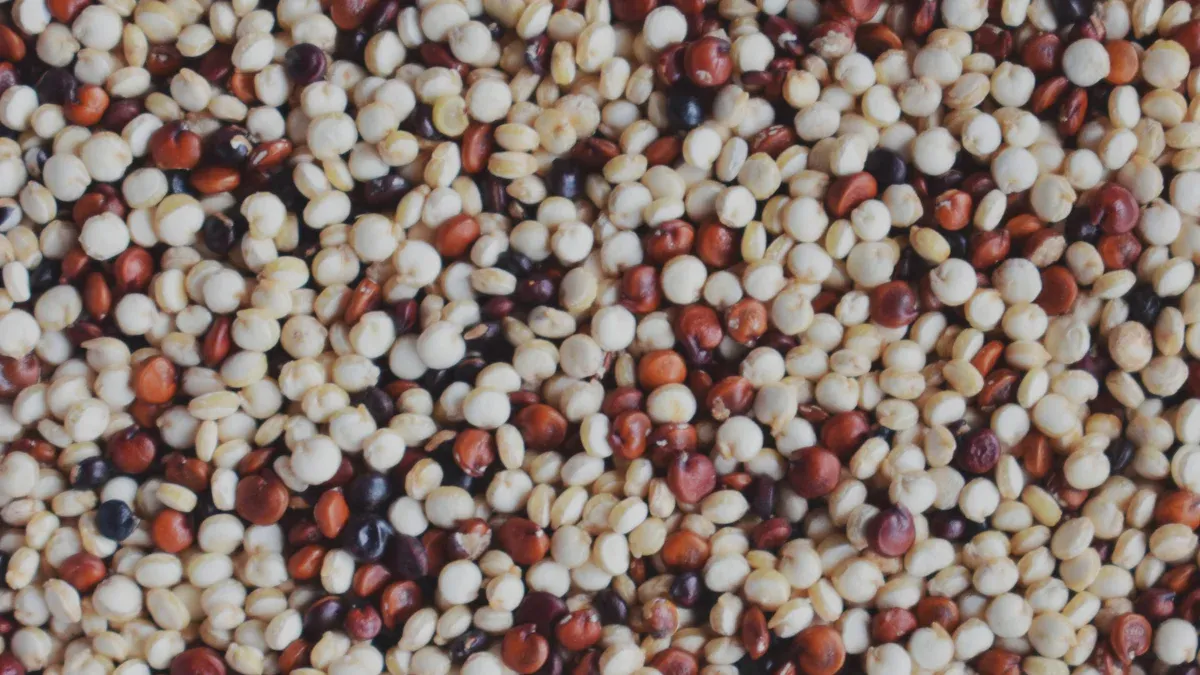
You might think quinoa is a grain, but it is actually a seed. People call it a “pseudocereal.” This means you prepare and eat it like a grain. Quinoa comes from a plant related to spinach and beets. It has been a food staple for thousands of years. Scientists classify quinoa in a specific way:
Kingdom: Plantae
Family: Amaranthaceae
Genus: Chenopodium
Species: C. quinoa
This ancient seed is a true nutrient-dense food. It offers you a complete protein source. This makes it special among plant foods. Quinoa is also naturally gluten-free, which is great if you avoid gluten.
Quinoa Nutrition Facts Overview
Quinoa offers impressive nutrition. It provides many essential nutrients your body needs. You get a lot of goodness in each serving. Let’s look at the quinoa nutrition facts for one cup (185g) of cooked quinoa:
Macronutrient | Value (per 1 cup / 185g serving) |
|---|---|
Calories | 222 |
Total Fat | 3.6g |
Saturated Fat | 0.43g |
Total Carbohydrate | 39.4g |
Dietary Fiber | 5.2g |
Total Sugars | 1.6g |
Protein | 8.1g |
You can see that quinoa gives you a good amount of protein and fiber. This nutritional value helps you feel full and supports your digestion. The fiber content is especially notable. This makes quinoa an excellent choice for your daily nutrition. It is a versatile and healthy food. You can easily add this gluten-free option to your meals.
Health Benefits of Quinoa
You gain many advantages when you add quinoa to your diet. The health benefits of quinoa come from its rich nutrition profile. This section details how quinoa helps your body.
Protein and Fiber Content
Quinoa stands out as a good source of protein. You get 8 grams of protein from one cup of cooked quinoa. This provides 16% of your daily protein needs. It is also a great source of protein because it contains all nine essential amino acids. These are amino acids your body cannot make on its own. For example, quinoa has more lysine than many other grains. It contains lysine, threonine, and methionine. These are crucial for your health.
You also get a lot of fiber from quinoa. One cup of cooked quinoa gives you 5 grams of fiber. This is 18% of your daily fiber needs. Adults should aim for 25 to 35 grams of fiber each day. A single cup of cooked quinoa provides 5.2 grams of dietary fiber. This fulfills 20% of the recommended daily intake. This high fiber content helps your digestion. It also helps you feel full longer. This makes quinoa a great source of fiber.
Essential Vitamins and Minerals
Quinoa is packed with nutrients. It provides many essential vitamins and minerals. These are important for your body’s functions. For instance, one cup of cooked quinoa gives you 58% of the recommended daily amount of Manganese. You also get 30% of Magnesium and 28% of Phosphorus.
Here are some other important nutrients you find in quinoa:
Nutrient | Daily Value Percentage (per serving) |
|---|---|
Fiber | 20% |
Thiamin (vitamin B1) | Not specified |
Riboflavin (vitamin B2) | Not specified |
Vitamin B6 | Not specified |
Folate | Not specified |
Iron | Not specified |
Magnesium | Not specified |
Phosphorus | Not specified |
Manganese | Not specified |
These benefits show you how much quinoa supports your overall health.
Antioxidants and Anti-Inflammatory Properties
Quinoa contains antioxidants. These compounds protect your cells from damage. They fight harmful molecules called free radicals. Quinoa has many types of antioxidants.
Polyphenols: Quinoa has at least 23 phenolic compounds. These include ferulic acid and kaempferol. They work by stopping oxidative stress. They also help control cell growth.
Bioactive Peptides (BAPs): These small protein parts also act as antioxidants.
Polysaccharides: These complex sugars contribute to antioxidant activity.
Phytosterols: These plant compounds are high in black quinoa seed oil. They have antioxidant effects.
Flavonoids: Quinoa roots and sprouts have many flavonoids. These give strong antioxidant power. Darker quinoa types often have more of these compounds. They help by cleaning up free radicals.
Beyond antioxidants, quinoa also has anti-inflammatory properties. A study in Nature Communications looked at young green quinoa leaves. It found they have strong anti-inflammatory effects. These leaves contain flavonoids like Quercetin and Kaempferol. They also have triterpenoids like saponins. These compounds stop the body from releasing substances that cause inflammation. This research shows quinoa can help reduce inflammation in your body.
Blood Sugar and Heart Health
Quinoa can help manage your blood sugar. It has a low glycemic index (GI) of about 53. This means it causes a slower rise in blood sugar. High-GI foods cause quick spikes. Quinoa‘s glycemic load (GL) is around 11.3 per 100g. This shows its moderate effect on blood sugar. This low GI and moderate GL make quinoa a good choice for stable energy. It is especially helpful if you manage blood sugar levels. A study in Nutrients showed that a quinoa-based diet can help normalize glucose in older adults. This helps stabilize blood sugar. Its fiber and protein content also help regulate blood sugar. They make you feel full.
Quinoa also supports your heart health. Animal studies show that eating quinoa can lower bad cholesterol (LDL-C) and triglycerides. A review of clinical trials found that quinoa can reduce triglyceride levels. This was especially true with more than 50g per day for over 6 weeks. Other studies show quinoa improves blood lipid levels. It can also lower the risk of metabolic syndrome.
Quinoa contains compounds like phytosterols, dietary fiber, and vitamin E. These have antioxidant and anti-inflammatory properties. These properties are key for reducing heart disease risk. Quinoa also has a good balance of omega-6 to omega-3 fatty acids. This ratio is six to one. This contributes to its heart-healthy benefits. It can improve your diet and lower heart disease risk.
How to Cook Quinoa
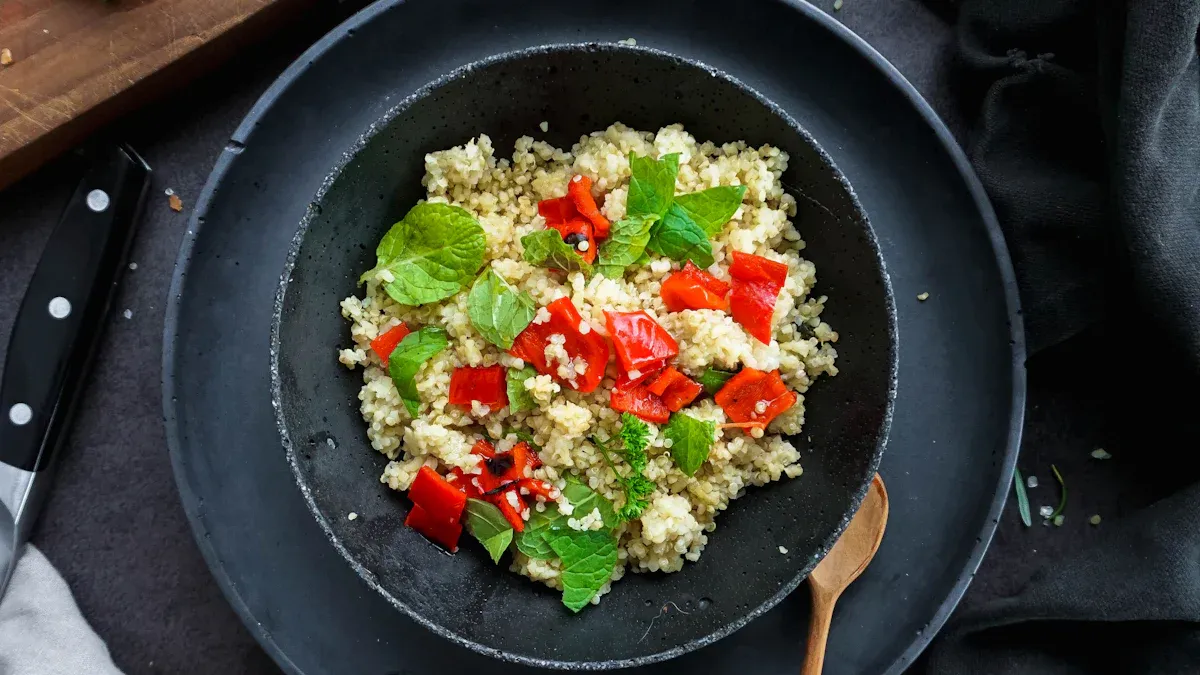
You now know the amazing benefits of quinoa. Next, you need to learn how to cook quinoa. Cooking this superfood is simple. You can easily add it to your meals. Follow these steps for perfect results every time.
Rinsing Quinoa
Before you cook quinoa, you must rinse it. This step is very important. Quinoa has a natural coating called saponin. This coating gives quinoa a bitter taste. It acts as a defense for the plant. It keeps animals and microbes away. While saponins are not harmful in small amounts, they can make your quinoa taste unpleasant. Rinsing removes this bitter flavor. It also prevents any digestive discomfort. So, always rinse your quinoa well under cold water before cooking.
Basic Cooking Instructions
Cooking quinoa on the stovetop is straightforward. You need the right ratio of water to quinoa. For perfectly fluffy quinoa, use a 2:1 water-to-quinoa ratio. This means two cups of water for every one cup of quinoa. Some people find that 1 3/4 cups of water for 1 cup of quinoa works even better. This helps the water absorb fully before the grains stick.
Combine: Put your rinsed quinoa and water into a pot.
Boil: Bring the mixture to a boil.
Simmer: Reduce the heat to low. Cover the pot tightly.
Cook: Let it simmer for about 15 minutes. Cook until the water is absorbed. You will see small, translucent “tails” around the grains.
Rest: Remove the pot from the heat. Let it sit, covered, for 5 minutes.
Fluff: Use a fork to fluff the quinoa. Serve it warm.
Tips for Flavorful Quinoa
You can make your quinoa even more delicious. Do not just use plain water. Instead, cook your quinoa in broth. You can use vegetable, chicken, or beef broth. This adds a lot of flavor. You can also add spices. Think about what kind of meal you are making. For example, you can make Spanish Quinoa with onion and salsa. Or try Lemon Turmeric Quinoa for a bright, tangy taste. You can also add salt and pepper. These simple additions make your quinoa a star in any meal. You can find many great quinoa recipes to try.
Quinoa Recipes and Uses
You know how to cook quinoa. Now, explore the many ways you can enjoy this versatile food. Quinoa fits into any meal. You can make delicious and healthy dishes. These quinoa recipes show its adaptability.
Breakfast Ideas
Start your day with a boost. Quinoa makes a great breakfast. It provides lasting energy. You can prepare many quick and easy quinoa recipes for breakfast.
Quinoa Porridge: Cook quinoa with milk or water. Add cinnamon and apples.
Blueberry Lemon Breakfast Quinoa: This offers a fresh, tangy start.
Rice and Quinoa Breakfast Pudding: A comforting and filling option.
Quinoa Prune Breakfast Porridge: This provides natural sweetness.
Mediterranean Breakfast Quinoa: A savory choice with herbs and vegetables.
Apple Cinnamon Breakfast Quinoa: A classic flavor combination.
Steel-Cut Oats and Quinoa Breakfast: Combine two healthy grains.
Quinoa Breakfast Cereal: A simple and nutritious bowl.
Quinoa Breakfast Pudding: You can prepare this ahead of time.
These recipes are simple. They add protein and fiber to your morning diet.
Salads and Main Dishes
Quinoa shines in salads and main courses. It adds texture and nutrition. You can make a complete meal with quinoa.
Consider the “Favorite Quinoa Salad.” This salad is refreshing and crisp. It includes fresh cucumber, red bell pepper, red onion, chickpeas, and parsley. A garlicky olive oil and lemon dressing ties it all together. This dish is substantial and flavorful. It makes a great lunch or light dinner.
You can also try these other tasty recipes:
Taco Quinoa Bowl: This bowl is full of goodness. It has ground chicken, beans, and vegetables.
Black Bean Quinoa Salad: Enjoy this as a meal or a side. It is simple, full of fresh vegetables, and loaded with flavor.
Southwest Quinoa Bowl with Cilantro Dressing: This grain bowl features corn, black beans, roasted red pepper, avocado, and red onion.
Chicken and Quinoa Salad: This dish packs tender, marinated chicken, juicy tomatoes, crisp cucumbers, and fluffy quinoa. It is fresh and satisfying.
Shredded Kale + Quinoa Salad with Creamy Tahini Dressing: This salad is filling and flavorful. Serve it with chicken or fish for a complete meal. You can also add chickpeas for extra protein.
Mediterranean Cucumber Salad: Add quinoa to make this a complete salad. It is a great main dish for warm days.
Greek Quinoa Salad: This is perfect for meal preparation. It is a gluten-free, vegetarian salad. It has fresh vegetables, roasted red pepper, kalamata olives, feta cheese, and peperoncinis.
Kale Salad with Quinoa and Chickpeas: This includes Brussels sprouts, cranberries, and pecans. It is perfect for meal prep.
Butternut Squash Quinoa Salad: This is delicious and nutritious. Make it a side dish or a main for lunch.
Mediterranean Quinoa Salad: This is filling and tasty. It pairs wonderfully with fresh ingredients. Enjoy it as a side dish or a main course.
Beyond salads, you can use quinoa in many main dishes.
Stuffed vegetables: Use quinoa in stuffed peppers or zucchini. It absorbs flavors from vegetable stock and sauces. This adds protein to your meal.
Stir-Fry Dishes: Incorporate quinoa into your favorite stir-fries.
Binder: Quinoa acts as a binder. It holds together patties, replacing breadcrumbs.
Thickener: Quinoa flour works as a gluten-free thickener in soups.
Soups: Use quinoa in soups instead of noodles or rice. It adds heartiness and texture.
Side dishes: Quinoa makes a quick-cooking side dish. Cook it with bouillon or orange juice to enhance flavor.
Side Dishes and Snacks
Quinoa is also great for side dishes and snacks. It offers healthy options throughout your day.
Quinoa Pizza Bites: These are quick and easy. They are plant-based meatballs that taste like pizza. They need cooked quinoa, breadcrumbs, tomatoes, spinach, cheese, and an egg. Mix ingredients, roll into balls, and bake. You can customize them with pizza toppings. Serve them with hummus or marinara sauce.
Crunchy High-Protein Quinoa Bites: These bites use puffed quinoa and almond butter. They offer a satisfying crunch and plant-based protein. They are high in fiber, vegan, and gluten-free. They are easy to prepare.
Quinoa Crispies: Bake cooked quinoa for 30 minutes until crispy. Enjoy them on their own. Add them to smoothie bowls, yogurt, or granola. Use them in recipes like Sea Salt + Dark Chocolate Quinoa Energy Balls. A serving provides 111 calories, 4 grams of protein, and 2 grams of fiber.
You now understand the impressive quinoa nutrition facts. This ancient seed, quinoa, provides essential nutrients, protein, and fiber. It boosts your overall health. The benefits of quinoa are clear. You can easily cook and enjoy quinoa in many dishes. From breakfast to dinner, quinoa fits your diet. Make this superfood a regular part of your diet. Power up your plate now. Embrace a healthy diet that is simple and delicious for better health and nutrition.
FAQ
Is quinoa a grain?
No, quinoa is not a true grain. It is a seed. People call it a pseudocereal. You prepare and eat it like a grain. This makes quinoa a unique food.
Does quinoa have gluten?
No, quinoa is naturally gluten-free. This makes it a great choice. You can eat it if you avoid gluten. Many people choose quinoa for this reason.
How does quinoa help my health?
Quinoa offers many benefits for your health. It provides protein and fiber. It also gives you essential vitamins and minerals. These nutrients support your overall well-being.
Can I eat quinoa every day?
Yes, you can eat quinoa every day. It is a nutritious food. It adds variety to your diet. Enjoy quinoa as part of a balanced eating plan.
What is the best way to store cooked quinoa?
Store cooked quinoa in an airtight container. Keep it in the refrigerator. It stays fresh for up to 3-4 days. You can also freeze it for longer storage.