

Adzuki beans vs black beans is a comparison of two distinct legumes: adzuki beans are smaller, mildly sweet Vigna angularis, while black beans are earthier Phaseolus vulgaris. Both provide dietary fiber and protein, but black beans contain slightly more of each per 100 grams cooked and stay firmer in savory dishes.
For your pantry and meal planning, the details below compare taste, nutrition, cooking behavior, health considerations, and the recipes where each bean performs best.
Botany and labeling explain the first difference
Before flavor enters the decision, the two beans come from separate species. Adzuki beans are Vigna angularis, while black turtle beans belong to Phaseolus vulgaris, the same species that includes kidney beans and pinto beans. They are separate ingredients, not two names for the same bean.
Color gives a reliable visual clue
Adzuki beans are small and reddish-brown, usually with a pale line along one side. Their warm color remains visible after cooking, so your rice dishes, porridges, and soups develop a russet-speckled look. A cooked adzuki bean also softens more readily than a typical black bean.
Black beans have nearly ink-colored skins and cream-colored interiors. Their dark skins contain anthocyanins, pigment compounds also found in blueberries and black rice. That skin color gives your finished dish a darker, more savory appearance even before you add cumin, garlic, or chile.
American package names can cause confusion
Store labels may use adzuki or azuki, and both names identify the same bean. In the United States, packages may also say “red beans,” but that broader label can refer to several varieties. Check the ingredient name when your recipe depends on the mild sweetness of true adzuki beans.
The distinction matters most in Asian grocery aisles and dessert ingredients, where dried beans may sit beside sweetened canned red bean paste. Once you have the right bean, its flavor and texture tell you whether it belongs in chili, porridge, or a dessert filling.
Beyond identification, each bean’s character determines how comfortably it fits sweet or savory dishes.
Flavor and texture create different kitchen roles
With the botanical split clear, the pot reveals the more practical difference. Adzuki beans taste mild, nutty, and faintly sweet, while black beans taste earthy, savory, and deeper. Your seasoning can move either bean in a new direction, but their original character still comes through.
| Kitchen trait | Adzuki beans | Black beans |
|---|---|---|
| Flavor | Mild, nutty, faintly sweet | Earthy, savory, deeper |
| Cooked texture | Softens readily and can turn creamy | Stays more intact and substantial |
| Strongest fit | Porridge, rice, desserts, gentle soups | Tacos, chili, salads, bowls, stews |
| Seasoning direction | Ginger, coconut, sesame, mild broth | Cumin, garlic, chile, lime, smoked paprika |
Adzuki beans become soft and creamy
Long simmering gives adzuki beans a tender interior that crushes easily against the side of a pan. That behavior explains sweet red bean paste, where cooked beans are mashed with sweetener into a smooth or textured filling. Your savory options include rice with ginger and scallions, a mild soup, or a bowl with roasted vegetables.
Because adzuki beans absorb flavor without bringing much earthiness, gentle seasonings work especially well. Coconut milk, sesame, cinnamon, and ginger complement their nutty sweetness without covering it. A heavily smoked or chile-forward sauce can make that subtle character harder to notice.
Black beans retain a sturdier bite
Black beans hold more shape under repeated stirring and bold seasoning. In smoky chili, they act as small anchors among tomatoes, peppers, and broth instead of dissolving into the sauce. Your tacos, burritos, and grain bowls gain contrast from that firmer texture.
For everyday savory meals, black beans fit familiar American and Latin American-inspired dishes with little adjustment. Adzuki beans can cross between sweet and savory cooking, but their softer texture feels less natural in a burrito. That culinary difference becomes more useful once you compare the numbers behind each serving.
Texture guides the recipe, while serving-level nutrition clarifies the smaller differences between the two.
Cooked nutrition differences are small but useful
After taste and texture, serving data helps you choose for your nutritional priorities. Dry beans, canned beans, and cooked beans contain very different amounts of water, so the figures below use 100 grams of cooked, unsalted beans, roughly a modest half-cup. FoodData Central provides these standardized estimates, while canned products may contain more sodium before rinsing.
| Nutrient per 100 g cooked | Adzuki beans | Black beans |
|---|---|---|
| Calories | 128 | 132 |
| Protein | 7.5 g | 8.9 g |
| Total carbohydrates | 25.0 g | 23.7 g |
| Dietary fiber | 7.3 g | 8.7 g |
| Sugars | 0.3 g | 0.3 g |
| Total fat | 0.1 g | 0.5 g |
Black beans lead slightly in protein and fiber
Black beans provide 8.9 grams of protein and 8.7 grams of dietary fiber per 100 grams cooked. Adzuki beans provide 7.5 grams of protein and 7.3 grams of fiber in the same serving. Your adzuki beans vs black beans nutrition choice therefore has a modest numerical winner, but the gap is not large enough to outweigh the recipe.
Calories remain close at 128 for adzuki beans and 132 for black beans. Toppings, cooking oil, tortillas, rice portions, cheese, and sauces can shift your full meal far more than 4 calories between the beans. Black beans contain 0.5 grams of fat per 100 grams, while adzuki beans contain 0.1 grams.
Minerals can influence a specific meal choice
Both beans supply iron, folate, potassium, magnesium, and zinc. Black beans tend to provide more folate and magnesium per cooked serving, while adzuki bean entries may show more potassium. Your body absorbs plant-based non-heme iron more effectively alongside vitamin C-rich foods such as bell peppers, tomatoes, citrus, or strawberries.
Cooking water, cultivar, soaking time, and database method can shift mineral values. FoodData Central offers a useful baseline, while the label on your can reflects the product in your cupboard. Those close figures point toward a practical meal decision rather than an absolute nutrition champion.
Because the nutrient gap is narrow, the surrounding ingredients often matter more than the bean itself.
Health value depends on the meal around the beans
Because the nutrition gap is narrow, meal structure carries more weight than bean rivalry. Both varieties provide protein, dietary fiber, and very little saturated fat, which can help make a meal feel more substantial. The Dietary Guidelines for Americans include beans and peas among nutrient-dense foods that can fit healthy eating patterns.
Blood sugar response depends on portions and pairing
Beans generally produce a gentler post-meal glucose response than refined grains because their starch sits within plant cell walls and comes with dietary fiber. Their glycemic index is typically lower than foods such as white bread or instant rice, although a specific meal response changes with serving size and preparation. Your blood sugar may respond differently to a half-cup of beans with vegetables than to the same beans folded into a large tortilla with heavy sauces.
Pair beans with vegetables, a whole grain, and another protein food for a balanced plate. Black beans, brown rice, roasted squash, and tofu create a different nutritional result from beans served with chips, cheese sauce, and sweetened drinks. Your usual pattern matters more than choosing one bean once.
Inflammation claims need a careful interpretation
Adzuki beans are not known to be inflammatory for most people. Both beans contain antioxidant compounds, while black bean skins contain anthocyanins that contribute to their dark color. These plant compounds are part of normal food chemistry, not a stand-alone treatment for inflammatory disease.
New digestive discomfort, persistent abdominal pain, or major bowel changes deserve discussion with a qualified healthcare professional rather than self-directed food restriction.
Some digestive systems react to a sudden increase in fermentable fiber. Gut microbes break down part of that fiber and produce gases, which explains bloating after a larger-than-usual serving. Your preparation method and serving size can change that experience as much as the bean variety.
Digestion also depends on handling, since soaking, cooking, and portions can shape how beans feel afterward.
Bean soaking and cooking affect texture and digestion
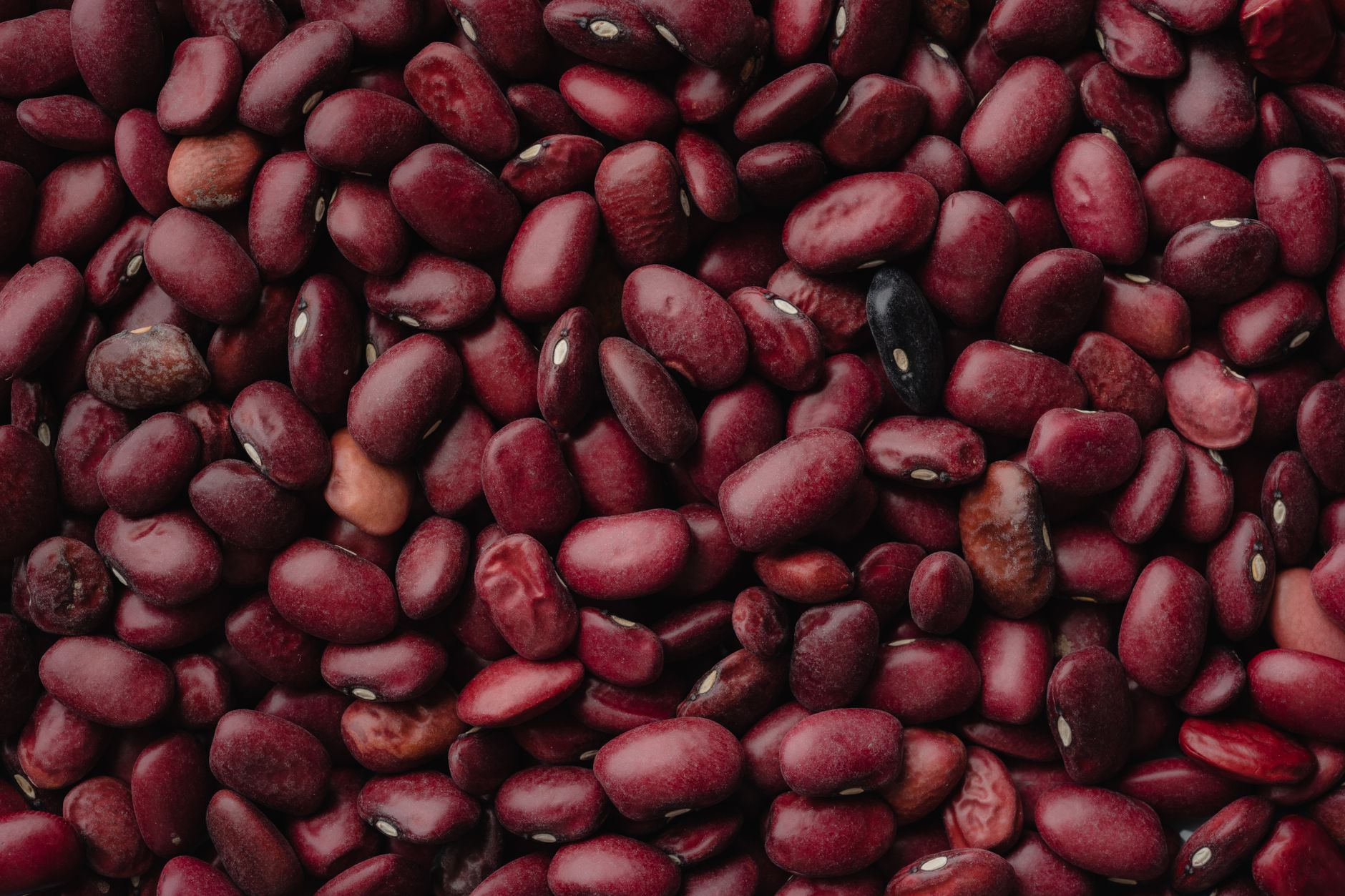
That digestion point leads directly to preparation. Dried adzuki beans may become tender sooner than dried black beans, but older pantry beans and mineral-heavy water can keep either variety firm beyond a recipe estimate. Judge doneness by the center of the bean rather than relying only on the clock.
Dried beans need water and steady heat
Rinse dried beans, remove stones or damaged pieces, then soak them for several hours or overnight when time allows. Cover them with fresh water and simmer until the center is fully tender. Neither black beans nor adzuki beans belong in raw dishes.
- Sort dry beans Remove small stones, broken skins, and shriveled pieces before the beans enter the soaking bowl.
- Use fresh water Discard soaking water, then cover the beans with clean water before simmering.
- Salt with care A modest amount of salt can season the interior without preventing a fresh batch from becoming tender.
- Delay acidic ingredients Add tomatoes, vinegar, citrus, wine, or tamarind after the beans have begun to soften.
- Test the center Bite a bean or press it between your fingers; a chalky center needs more simmering.
Acid slows softening because it affects pectin, the cement-like material that holds plant cell walls together. Hard water can add calcium and magnesium, which may strengthen those walls. A pinch of baking soda can speed cooking, but your beans may turn overly soft and develop an altered flavor.
Canned beans shorten the timeline
Canned beans provide a fast route to soups, salads, and weeknight rice bowls. Drain and rinse them under running water to remove some packing liquid and added sodium. Your finished dish may need less salt after rinsing.
Start with a smaller serving while increasing fiber in your diet, then allow several meals for your digestive system to adjust. Adzuki beans appear less often in cans than black beans, so dried adzuki beans may be your most practical choice for porridge, rice dishes, and desserts. That availability difference matters when you are deciding whether a substitution will work.
Practical preparation considerations help reveal when swapping one bean for the other will preserve a recipe’s intent.
Recipe substitutions work best with clear limits
Once cooking behavior is clear, you can substitute more confidently. Black beans work well where savory depth and intact shape support the recipe, including burritos, tacos, chili, bean soup, cold corn salad, rice bowls, and stews. Their flavor tolerates smoky, spicy, and bright seasonings without getting lost.
Adzuki beans suit mild and sweet preparations
Adzuki beans fit sweet red bean paste, Japanese-style desserts, rice dishes, porridge, and lightly seasoned soups. Their faint sweetness pairs well with coconut milk, ginger, cinnamon, and sesame. Your bowl will feel softer and less earthy than one made with black beans.
For a savory example, fold cooked adzuki beans into a farro bowl with roasted carrots, tahini, parsley, and lemon. Farro adds chew, while the carrots echo the bean’s mild sweetness. Keep the seasonings restrained enough for the adzuki flavor to remain clear.
Selective swaps protect the finished dish
- Soups and stews Use adzuki beans in place of black beans, reduce smoky spices, and expect a softer result.
- Grain bowls Swap either bean into rice, farro, or quinoa bowls, then adjust salt, acid, and herbs to match.
- Cold salads Choose black beans for a firmer bite, while adzuki beans suit tender grains and roasted vegetables.
- Burritos and tacos Keep black beans where their earthy taste is central to the Mexican-style flavor profile.
- Red bean paste Do not use black beans because their color, earthiness, and skin texture change the intended filling.
How to substitute adzuki beans for black beans depends less on calories than on the bean’s job in the dish. Use adzuki beans in gentle soups and tender grain bowls, not where your recipe needs a dark, firm, savory bean. That final tradeoff makes the everyday choice fairly simple.
With those limits in mind, choosing the better everyday option comes down to the dish you plan to make.
Bottom line for everyday meals
The stronger choice is the bean that suits your dish rather than one assigned a universal health crown. Black beans bring earthy strength to tacos, chili, salads, and burritos; adzuki beans bring a softer, faintly sweet character to porridge, rice, and dessert fillings. Both add fiber, plant-based protein, folate, iron, potassium, and other minerals.
Choose black beans when your meal needs a firm texture, savory depth, or a slight edge in protein and fiber. Choose adzuki beans when your recipe benefits from a creamier texture and mild sweetness. Your cooking method, seasoning, sodium level, and portion size shape the result more than the small difference in adzuki beans vs black beans calories.
FAQ
Are adzuki beans the same as black beans?
Their size, color, and flavor profiles differ enough to make them separate legumes. Adzuki beans are Vigna angularis, while black beans are Phaseolus vulgaris. Your recipe will show the difference through adzuki beans’ mild sweetness and softer texture versus black beans’ earthier flavor and firmer bite.
What is the American name for adzuki beans?
In the United States, adzuki beans may be labeled azuki beans or red beans. “Red beans” is less exact because that term can also describe other varieties, including small red beans used in Creole-style dishes. Your safest choice is a package that names adzuki or azuki beans clearly.
What are the main nutrition differences between adzuki beans and black beans?
Per 100 grams cooked, adzuki beans provide 128 calories, 7.5 grams of protein, and 7.3 grams of dietary fiber. Black beans provide 132 calories, 8.9 grams of protein, and 8.7 grams of fiber. Your broader meal ingredients will usually affect the total nutrition more than those small differences.
Which has more protein and fiber: adzuki beans or black beans?
USDA FoodData Central cooked-bean entries give black beans a modest lead in protein and dietary fiber. They provide 8.9 grams of protein and 8.7 grams of fiber per 100 grams, compared with 7.5 grams of protein and 7.3 grams of fiber for adzuki beans. Your serving size still determines the practical difference on the plate.
Which is healthier, adzuki beans or black beans?
Neither bean wins for every health goal. Black beans show slightly more protein, fiber, folate, and magnesium in many cooked-food entries, while adzuki beans bring similar calories, carbohydrates, and useful minerals. Your portion, sodium level, meal pattern, and digestive tolerance matter more than a small nutrient difference.
Are adzuki beans inflammatory?
For most people, these small red legumes are not considered inflammatory and supply antioxidant plant compounds. They are still a food, not a medical intervention for inflammatory conditions. Your individual tolerance can vary, especially during a rapid increase in fiber intake.
