

Red-brown adzuki beans stay firmer and suit sweet pastes, while green mung beans taste milder and cook faster; both are distinct Vigna legumes. Your best choice depends on the dish, texture, color, and cooking time you need.
This comparison covers labels, bean nutrition, taste, soaking, cooking methods, sprouting, and recipe swaps for your soups, desserts, grain bowls, and Asian cuisine staples.
Two Separate Vigna Species Behave Differently in the Kitchen
That recipe choice starts with the botanical name. Adzuki beans are Vigna angularis, a small red-brown legume with a pale seam along one side. You may see them labeled adzuki or azuki, but both names describe the same bean.
Mung beans are Vigna radiata, usually sold as olive-green whole beans with pale interiors. Stores also carry split yellow mung beans, mung flour, mung starch, and sprouted mung beans. Each form changes how quickly your dish cooks and how soft the final texture becomes.
Related beans have distinct traits
Both plants belong to the Vigna genus, which also includes cowpeas and black-eyed peas. They are not interchangeable names for one ingredient. Whole adzuki beans stay rounded after simmering, while whole mung beans soften more readily and can thicken broth.
The seed coat explains part of that difference. Mung bean starch gels well and supports the springy texture of cellophane noodles, while adzuki skins help the beans remain visible in rice dishes and broths. Those physical traits lead directly to the label confusion you may encounter at the store.
Those visual cues matter most when overlapping market names make two distinct beans easy to confuse.
Red Bean Labels Can Lead to the Wrong Purchase
Because the beans are red-brown, grocery labels sometimes blur important distinctions. In American stores and East Asian dessert settings, “red beans” may mean adzuki beans, especially beside sweet bean paste ingredients. Your recipe can still go off course because red bean is a market term, not a precise botanical name.
Red kidney beans are much larger, darker, and kidney-shaped than adzuki beans. Small red beans are another separate legume with denser skins and a different simmering pattern. Neither creates the mellow flavor or smooth mash associated with traditional adzuki paste.
Package details identify the correct bean
- Find adzuki labels. Choose packages marked “adzuki,” “azuki,” or Vigna angularis for Japanese-style sweets and red bean paste.
- Avoid kidney beans. Their large size and earthy flavor can overwhelm delicate desserts and rice dishes.
- Check the pale seam. A light ridge against red-brown skin is a useful visual sign of adzuki beans.
- Read the bean form. Whole green mung beans, split mung dal, mung starch, and bean sprouts each cook differently.
For a recipe that calls for red bean paste, choose adzuki beans instead of relying on color alone. A package labeled “small red beans” may produce a noticeably different texture.
Once your package is identified, the cooked nutrition comparison becomes more useful.
With the name sorted out, their cooked nutrient profiles offer a clearer basis for comparison.
Cooked Nutrition Shows Small but Useful Differences
With the label settled, a 100-gram cooked serving provides the clearest comparison. That amount equals a little more than one-half cup for most home-cooked beans. Both legumes provide plant-based protein, dietary fiber, folate, potassium, iron, magnesium, and complex carbohydrates.
| Nutrient per 100 g cooked | Adzuki beans | Mung beans |
|---|---|---|
| Calories | 128 kcal | 105 kcal |
| Protein | 7.5 g | 7.0 g |
| Carbohydrates | 25.0 g | 19.2 g |
| Dietary fiber | 7.3 g | 7.6 g |
| Folate | 121 mcg | 159 mcg |
| Potassium | 532 mg | 266 mg |
| Iron | 2.0 mg | 1.4 mg |
| Magnesium | 52 mg | 48 mg |
For adzuki beans vs mung beans nutrition, cooked adzuki beans provide more potassium in this comparison, while mung beans provide more folate and slightly more fiber. FoodData Central values can shift with absorbed water, drained liquid, added salt, and serving size. Your usual preparation matters as much as the database number.
Meal pairing affects protein quality
Legumes contain essential amino acids, though methionine is lower than in animal foods. Rice, corn, wheat, nuts, and seeds broaden the amino acid profile across your meal. You do not need to combine every food in the same bite for that pattern to work.
Mineral absorption adds another practical layer. Both beans contain phytate, a natural phosphorus-storing compound that can bind iron and zinc during digestion. Soaking, sprouting, and fermentation activate phytase enzymes that break down some phytate, which can make more minerals available from your meal.
Those nutrition differences are real, but they do not crown one bean as universally better. Your health goal and digestion determine how much those numbers matter.
Still, modest differences on paper matter only when matched to your own dietary needs and tolerance.
Health Goals Matter More Than a Single Winner
Because the nutrient gap is narrow, your overall meal carries more weight than a ranking. Fiber and protein slow digestion, so a bean-based bowl can feel more filling than a refined-grain side dish. For adzuki beans vs mung beans for weight loss, serving size, oil, sugar, and toppings matter more than a 23-calorie difference per 100 grams.
Mung beans may fit your plan when you want a softer texture and fewer calories per cooked portion. Adzuki beans may suit meals where potassium or a firmer bite is useful. Medical conditions, food tolerance, and prescribed diets should guide your choice more than a social-media claim.
Digestive comfort improves with gradual preparation
Beans contain galacto-oligosaccharides, carbohydrates that reach the large intestine without full digestion. Gut microbes ferment them and produce gas along with short-chain fatty acids. A sudden large serving can feel rough, while gradual portions give your digestive system time to adapt.
- Start with one-half cup. A modest cooked serving gives your digestive system a gentler introduction to more fiber.
- Soak dry beans. Drain and rinse soaked beans before cooking to remove soaking water and surface residue.
- Cook until tender. A firm center can be harder to digest and leaves the bean texture unpleasant.
- Add acids later. Tomatoes or vinegar added early may keep bean skins firm during simmering.
Persistent pain, severe bloating, or food reactions need medical guidance rather than repeated kitchen experiments. Comfort is only one part of the choice, though, because flavor decides which bean belongs in your finished dish.
Beyond comfort and nutrition, each bean’s taste and structure shape how it performs on the plate.
Flavor and Texture Point Each Bean Toward Different Dishes
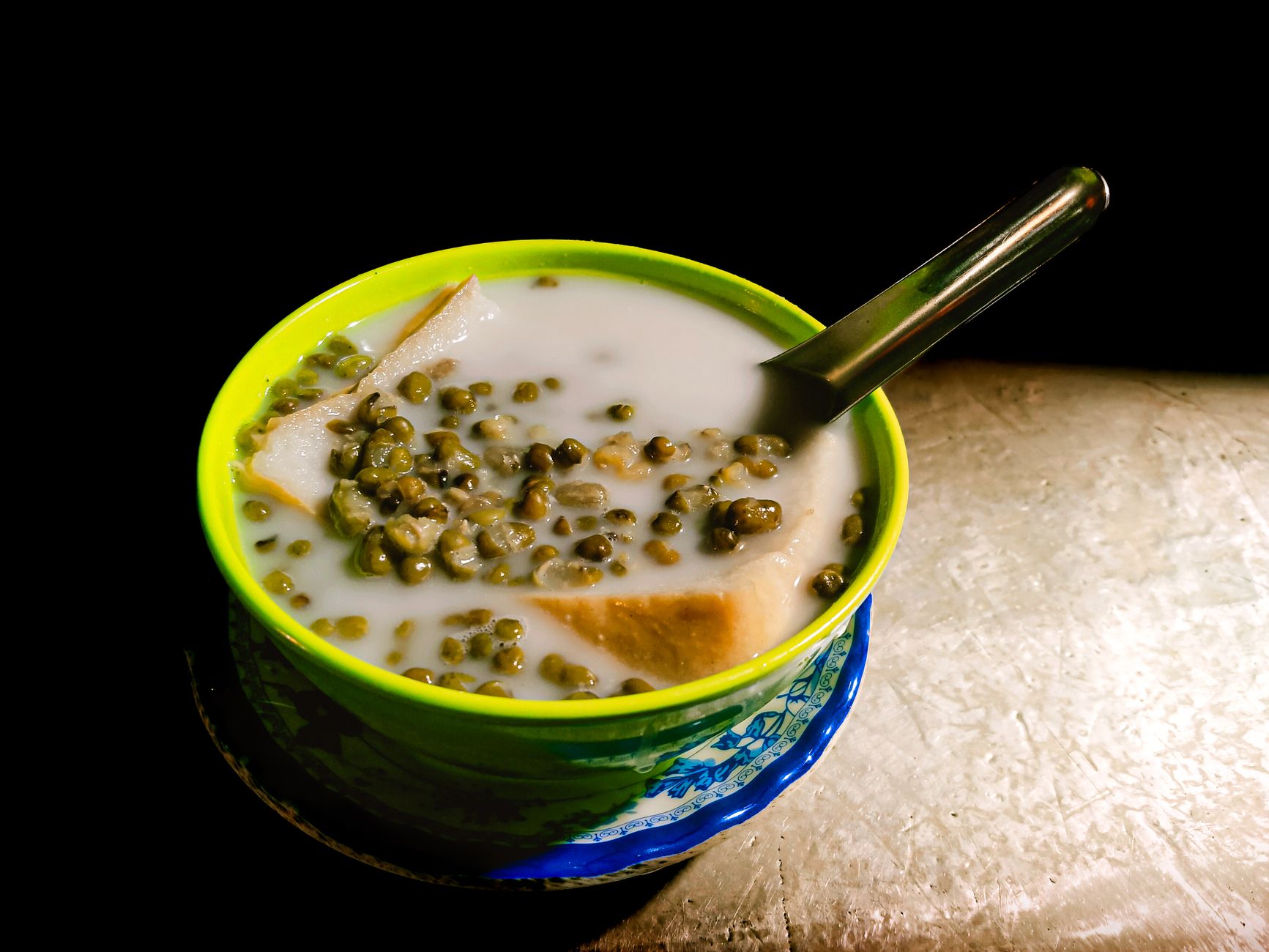
With digestion considered, the taste difference becomes easy to notice. Cooked mung beans are mild, lightly sweet, and soft, with skins that loosen as the centers turn creamy. Their gentle flavor works in soups, porridges, dal-like dishes, salads, and coconut curries where ginger, lime, or garlic should lead.
Adzuki beans taste nuttier and slightly sweeter, with a more defined shape after cooking. Their firmer structure adds contrast to grain bowls, stews, rice dishes, and cold bean salads. Your farro bowl can stay textured when adzuki beans sit beside roasted squash, scallions, and sesame dressing.
Dish style reveals the stronger match
| Meal or preparation | Stronger choice | Kitchen reason |
|---|---|---|
| Light soup or porridge | Mung beans | They soften into the broth and carry aromatics without heaviness. |
| Grain bowl or bean salad | Adzuki beans | They hold their shape and add a nutty, faintly sweet contrast. |
| South Asian dal | Split mung beans | They cook down quickly into a smooth, starchy texture. |
| Rice with simmered beans | Adzuki beans | The red-brown beans remain distinct beside rice and savory seasonings. |
For adzuki beans vs mung beans taste, use mung beans for soft and mild dishes, while adzuki beans fit recipes that need a firmer, nuttier bean. That contrast becomes even clearer in desserts, sprouts, and specialized Asian cuisine preparations.
That difference extends beyond everyday meals, especially where sweetness, sprouting, or regional techniques set the standard.
Desserts, Sprouts, and Savory Cooking Need Different Beans
That texture gap matters most in traditional sweet dishes. Sweet red bean paste depends on adzuki’s red color, mild sweetness, and ability to break down into a smooth mash after a long simmer. You will find it in mochi, filled buns, dorayaki pancakes, shaved ice, and sesame pastries.
Sugar changes the final flavor, but it cannot turn green mung beans into familiar red filling. Mung beans can make sweet fillings and puddings, yet they produce a pale yellow or green-tinted result rather than classic red bean paste. Your dessert will look and taste different even with the same sweetener.
Mung beans are the familiar choice for crisp sprouts. Soaked whole beans produce pale shoots for stir-fries, noodle bowls, and raw salads, where clean crunch matters more than the flavor of fully cooked beans. A pad thai-style plate benefits from that snap rather than the soft texture of cooked adzuki.
Regional dishes show practical patterns
Split mung beans appear in Indian khichdi and dal, while whole mung beans feature in Southeast Asian soups and sweet puddings. Adzuki beans are common in Japanese and Chinese sweets, but they also hold up well in chili-style braises with cumin and smoked paprika. Cuisine gives your cooking a useful starting point without limiting experimentation.
Both beans can cross categories. Adzuki beans can sprout, though their sprouts are less common and their darker seed coat changes the appearance. Once you know the target dish, cooking time becomes the next deciding factor.
Recipe choice also determines whether the beans need quick simmering, advance soaking, or careful sprouting.
Soaking, Cooking Times, and Sprouting Affect Your Meal Plan
After the dish is chosen, dry-bean timing becomes practical. Soaked whole mung beans usually reach tenderness in 25 to 40 minutes at a quiet simmer. Soaked whole adzuki beans commonly need 40 to 60 minutes, so your dinner schedule may favor mung beans on a busy night.
Split hulled mung beans cook faster still. They usually turn soft in 15 to 25 minutes without an overnight soak. Bean age, mineral-heavy water, altitude, and burner heat can extend either cooking range.
For adzuki beans and mung beans cooking time, whole adzuki beans reward planning with a stronger shape, while split mung beans offer speed and a creamier finish. Rinse either bean before cooking, then keep the simmer gentle enough that skins do not burst too aggressively.
Safe sprouting requires clean handling
- Sort dry beans. Remove cracked beans and rinse whole mung beans to clear dust before soaking.
- Drain completely. Keep the beans damp rather than submerged because standing water can support unwanted microbial growth.
- Rinse twice daily. Cool water clears surface residue while sprouts grow over roughly two to four days.
- Refrigerate finished sprouts. Store them promptly in a clean container and use them within several days.
- Cook high-risk servings. Heat sprouts in soups or stir-fries during pregnancy or immune suppression because raw sprouts carry added food-safety uncertainty.
Warm, moist sprouting conditions can also favor bacteria, which makes raw sprouts a different food-safety decision than dry cooked beans. A substitution should account for that risk as well as color and texture.
Preparation methods introduce practical trade-offs that become especially important when considering a substitute.
Thoughtful Swaps Protect a Recipe’s Character
With timing and texture clear, substitutions become easier to judge. Mung beans can replace adzuki beans in soups, curries, and grain bowls where a softer texture and green or yellow color suit the dish. Check your pot earlier because mung beans lose their shape faster.
Adzuki beans can replace mung beans in braises, rice dishes, and salads where a firmer bite adds value. Allow extra simmering time and expect a red-brown finish rather than muted green or yellow. Your seasonings may need less added sweetness because adzuki beans have a naturally sweeter, nuttier character.
Specialized recipes need the original bean
- Red bean paste. Keep adzuki beans for the expected color, flavor, and smooth mash used in traditional desserts.
- Crisp sprouts. Choose mung beans for stir-fries and salads because cooked adzuki cannot copy a fresh sprout’s snap.
- Starch noodles. Use mung bean starch for cellophane noodles, whose clear and springy texture depends on its starch behavior.
- Quick dal. Select split mung beans for a fast-cooking, creamy base rather than intact whole beans.
- Hearty bowls. Favor adzuki beans where separate beans should remain visible beside grains, greens, and roasted vegetables.
Can mung beans replace adzuki beans in every recipe. No, because red bean paste, sprouted dishes, and starch noodles depend on properties that a simple bean swap cannot reproduce. The more a dish relies on red color, smooth paste, or crisp sprouts, the less flexibility your recipe has.
Flexibility narrows as a recipe depends more heavily on qualities the other bean cannot convincingly replace.
Bottom Line
After comparing flavor, nutrition, and cooking behavior, the choice is straightforward. Choose adzuki beans for red bean paste, sturdy salads, rice dishes, and meals where a nutty bean should stay intact. Choose mung beans for fast dal, soft soups, cellophane noodles, and sprouts.
Neither bean outranks the other on bean nutrition alone. Your recipe’s texture, color, cooking time, and personal tolerance determine which pantry staple will serve you better. A bag of each gives you useful range without treating either legume as a substitute for every purpose.
FAQ
Those kitchen choices answer the common label, nutrition, and substitution questions directly. Your package wording and intended recipe remain the two details worth checking first.
Are adzuki beans and mung beans the same thing?
No. Adzuki beans are Vigna angularis, while mung beans are Vigna radiata. You can tell them apart by color, texture, cooking time, and their best uses in sweet or savory dishes.
What is the difference between adzuki beans and red beans?
On dessert labels, adzuki beans are often called red beans, although “red bean” is not a precise botanical name. Your package may instead contain small red beans or red kidney beans, which are separate legumes with different cooking behavior.
Which is healthier: adzuki beans or mung beans?
Neither bean is healthier in every situation. Cooked mung beans provide more folate and slightly more fiber per 100 grams in the listed data, while cooked adzuki beans provide more potassium. Your portion size, preparation method, tolerance, and wider eating pattern matter more than a single label.
What do adzuki beans and mung beans taste like?
Mung beans taste mild, lightly sweet, and soft after cooking. Adzuki beans taste nuttier and slightly sweeter, with a firmer texture that you will notice in salads, rice dishes, and grain bowls.
Can you substitute mung beans for adzuki beans in recipes?
In soups, curries, and grain bowls, mung beans can replace adzuki beans when a softer texture and pale color work well. They are a poor replacement for classic red bean paste because their color, flavor, and cooked texture differ.
Which bean is better for sweet red bean paste and other desserts?
A familiar red color and smooth, mildly sweet mash make adzuki beans the best choice for sweet red bean paste. Mung beans can make pale sweet fillings, but they do not reproduce the traditional result.
