

Per ounce, peanuts deliver slightly more protein at a lower cost, while almonds offer more dietary fiber, vitamin E, and magnesium. Your best choice depends on portion size, preparation, budget, and allergy needs.
Below, you can compare plain and processed forms, build satisfying snacks, manage portions, and choose the option that fits your meals and grocery spending.
Botanical Differences Affect Allergy Labels and Food Choices
That nutrition trade-off starts with a basic distinction: almonds grow on trees, while peanuts grow underground. An almond is the edible seed inside a drupe fruit, which resembles a small green peach before harvest. A peanut is a legume related to beans, lentils, and peas, even though it is used like a nut in cooking.
Your grocery aisle may group both foods together, but botanical categories matter most for allergy labeling and crop production. They do not determine whether a food belongs in your snack routine. Protein, dietary fiber, monounsaturated fats, sodium, and portion size have a larger effect on the nutrition you get.
Almonds Grow Inside Stone Fruit
Almond trees produce a green hull around a hard shell, and the kernel inside becomes the almond sold whole, sliced, roasted, ground, or blended into butter. California supplies much of the United States almond crop, which helps explain the wide availability of almond flour, almond milk, and packaged snack almonds.
Whole almonds provide plant protein, dietary fiber, monounsaturated fats, vitamin E, and magnesium in a compact serving. Your choice of form matters, though. Whole almonds require chewing, while almond flour can disappear quickly into muffins, pancakes, and baked goods without creating the same visual portion boundary.
Peanuts Mature in Underground Pods
Peanut plants flower above the soil, then send a stem called a peg into the ground where the pod develops. That growing pattern is why peanuts are legumes rather than tree nuts. The National Peanut Board identifies peanuts as a source of plant protein, and peanut butter remains a common staple in sandwiches, sauces, and snacks.
Both foods contain unsaturated fat, fiber, protein, and minerals. The difference is gradual rather than dramatic, especially at a matched one-ounce serving. Your hand can easily pour two or three ounces from a jar, so a consistent serving creates a more useful comparison than a loose handful.
That serving-size reality leads directly to the numbers that matter most at the table.
Serving size turns those botanical distinctions into measurable trade-offs for everyday eating.
One-Ounce Nutrition Shows the Practical Differences
A 1-ounce serving weighs about 28 to 30 grams and looks like roughly 23 whole almonds or a small handful of shelled peanuts. Plain almonds and dry-roasted unsalted peanuts contain nearly the same calories. The key gaps appear in protein, fiber, vitamin E, and magnesium rather than total energy.
| Nutrient per 1 ounce | Plain almonds | Dry-roasted, unsalted peanuts |
|---|---|---|
| Calories | About 164 | About 166 |
| Protein | About 6 g | About 7 g |
| Total fat | About 14 g | About 14 g |
| Saturated fat | About 1 g | About 2 g |
| Dietary fiber | About 3.5 g | About 2.5 g |
| Vitamin E | About 7 mg | About 2 mg |
| Magnesium | About 76 mg | About 49 mg |
| Sodium | About 0 mg | About 2 mg |
These almonds vs peanuts nutrition values apply to plain products, not flavored snack mixes or sweetened spreads. FoodData Central entries support the close calorie comparison and the small protein advantage for peanuts. Your label may differ slightly by brand, roasting method, and added ingredients.
Peanuts Provide Slightly More Protein
At about 7 grams per ounce, the legume edges out almonds, which provide roughly 6 grams of protein. That 1-gram difference is small, but peanut vs almond protein can matter when your snack already includes carbohydrate and needs a little more protein. Peanuts work especially well with Greek yogurt, milk, soy foods, eggs, or whole-grain crackers.
Protein supplies amino acids used throughout your body. Neither food works as a complete meal by itself, and neither replaces a varied diet with beans, dairy, fish, poultry, eggs, soy foods, grains, fruits, and vegetables. Your full-day eating pattern determines whether a snack fills a real gap.
Almonds Supply More Fiber and Vitamin E
Each ounce of almonds adds about 1 extra gram of dietary fiber and several times more vitamin E than peanuts. Their vitamin E includes alpha-tocopherol, the form most readily used in the human body. You may prefer almonds on days when meals have been light on fiber-rich foods or when a crunchy topping would add texture without much preparation.
Almonds also provide about 76 milligrams of magnesium per ounce, compared with about 49 milligrams from dry-roasted unsalted peanuts. Magnesium supports normal muscle and nerve function. That nutrient edge does not make almonds universally healthier, but it gives you a clear reason to choose them for a specific meal.
Calories remain nearly tied. Almonds vs peanuts calories differ by only about 2 calories per ounce, while an unmeasured second serving adds roughly 160 more calories. The American Heart Association includes nuts in eating patterns centered on unsaturated fats, yet heart health still depends on the whole diet and your usual portions.
Those base numbers become less useful once oil, sugar, salt, or flavor coatings enter the package.
Yet the plain-nut comparison can shift quickly when processing adds ingredients beyond the nut itself.
Preparation Methods Can Change Sodium and Added Ingredients
Plain foods make the cleanest comparison because roasting and flavoring can change the label more than the base ingredient does. Dry roasting uses heat to remove moisture and develop toasted flavor. Oil roasting can add oils, while honey-roasted, barbecue, ranch, and candy-coated products may add sodium, sugar, or both.
Your first label check should be the ingredient list, not the front-of-package claim. Raw almonds, dry-roasted unsalted almonds, raw peanuts, and dry-roasted unsalted peanuts provide the closest like-for-like comparison. A product with five flavor ingredients serves a different purpose than a bag containing only nuts or legumes.
- Choose plain options. Raw or dry-roasted unsalted products make it easier for you to see the nutrition of the base food.
- Check sodium first. Salted nuts can add meaningful sodium when your meals already include soup, deli meat, restaurant food, or packaged sauces.
- Review added sugar. Honey-roasted and candy-coated products can turn a snack into a dessert-style food with a different nutrition profile.
- Watch added oils. Oil-roasted products may include extra oils beyond the naturally occurring monounsaturated fats in almonds and peanuts.
- Read serving counts. A 6-ounce bag may contain six servings, even when you could easily finish it during a movie or workday.
Salt, fat, and crunch can make repeated grabbing feel automatic. Portion one ounce into a bowl before you begin eating, especially with flavored products. Your appetite gets a clearer signal from a defined serving than from a package sitting within arm’s reach.
Nut Butters Need Separate Portion Awareness
Peanut butter and almond butter can fit the same eating pattern as whole nuts, but their spreadable texture changes how quickly you can overserve them. Two tablespoons is a common serving, yet a large spoonful or thick layer on toast can exceed that amount. Measure a few times so your usual serving becomes easier to recognize.
Natural butters may separate because peanut or almond oil rises to the top of the jar. No-stir versions may contain palm oil or stabilizers, while sweetened varieties may contain added sugar. Blue Diamond Almonds sells whole kernels, sliced almonds, flour, and butter, and each form creates a different portion-control challenge for you.
Choose the product before making a nutrition judgment. A sweetened, salted peanut butter is not nutritionally identical to plain dry-roasted peanuts.
Once the label is clear, your daily goal becomes the most useful tie-breaker.
Because those additions change the equation, the best option depends on what you want from it.
Specific Goals Make the Choice Easier
No single option wins every snack situation. Peanuts fit protein-focused eating and lower-cost grocery plans, while almonds raise fiber and vitamin E intake. Your hunger level, meal timing, food budget, and preference for crunch or creaminess all shape the stronger choice.
| Your priority | Stronger fit | Practical use |
|---|---|---|
| More protein per ounce | Peanuts | Mix a measured handful into trail mix with whole-grain cereal. |
| More dietary fiber | Almonds | Pair about 23 almonds with an apple for an afternoon snack. |
| More vitamin E | Almonds | Scatter sliced almonds over oatmeal, yogurt, or a grain bowl. |
| Lower food cost | Peanuts | Use unsalted peanuts or peanut butter in lunches, sauces, and snacks. |
| Heart-health eating pattern | Either, minimally processed | Use a measured portion with vegetables, beans, whole grains, and unsaturated fats. |
| Everyday snacking | Either, portioned | Pair with fruit, yogurt, or whole grains instead of eating from a bag. |
Peanuts Work Well in Protein-Focused Snacks
For muscle gain or higher-protein snacks, peanuts hold a narrow numerical advantage at about 7 grams per ounce. That amount will not replace a full meal after exercise, but it can round out yogurt, milk, soy foods, or eggs. Your post-workout meal also needs enough carbohydrate and total food to replace energy used during training.
Peanut butter on whole-grain toast with sliced banana provides a defined snack with carbohydrate, fat, and protein. The bread and fruit add volume that a spoonful from the jar does not provide. That structure can help you stop at a satisfying amount rather than returning for repeated tastes.
Almonds Raise Fiber and Vitamin E Intake
Adding a 1-ounce serving can boost vitamin E while contributing dietary fiber to meals. Their skins contain much of the dietary fiber, so blanched almond flour does not match whole almonds exactly. You can add sliced almonds to oatmeal or a grain bowl without needing a second processed snack.
For heart health, both foods fit an eating pattern rich in vegetables, fruits, beans, whole grains, and unsaturated fats. A Mediterranean diet-style meal might include lentil soup, salad, olive oil dressing, and a measured almond topping. The beneficial pattern comes from the combination, not from unlimited handfuls of any single food.
Weight Management Relies on Portions and Pairings
A measured 1-ounce serving and filling pairings matter more for weight loss than any special fat-loss effect. A one-ounce portion can feel satisfying because it contains fat, protein, and some fiber. Three ounces eaten while driving can add close to 500 calories before your next meal begins.
Build a snack with volume and texture instead of relying on nuts alone. A pear with almonds, plain yogurt with chopped peanuts, or oatmeal with a measured spoonful of almond butter gives you more food structure. Your setting matters too: eating from a small bowl at a table is different from eating from a large bag beside a screen.
That same portion discipline matters at checkout, where price can strongly influence the food you buy repeatedly.
Budget adds another practical lens, especially when protein is a regular part of your shopping list.
Peanuts Usually Offer More Protein Value for the Money
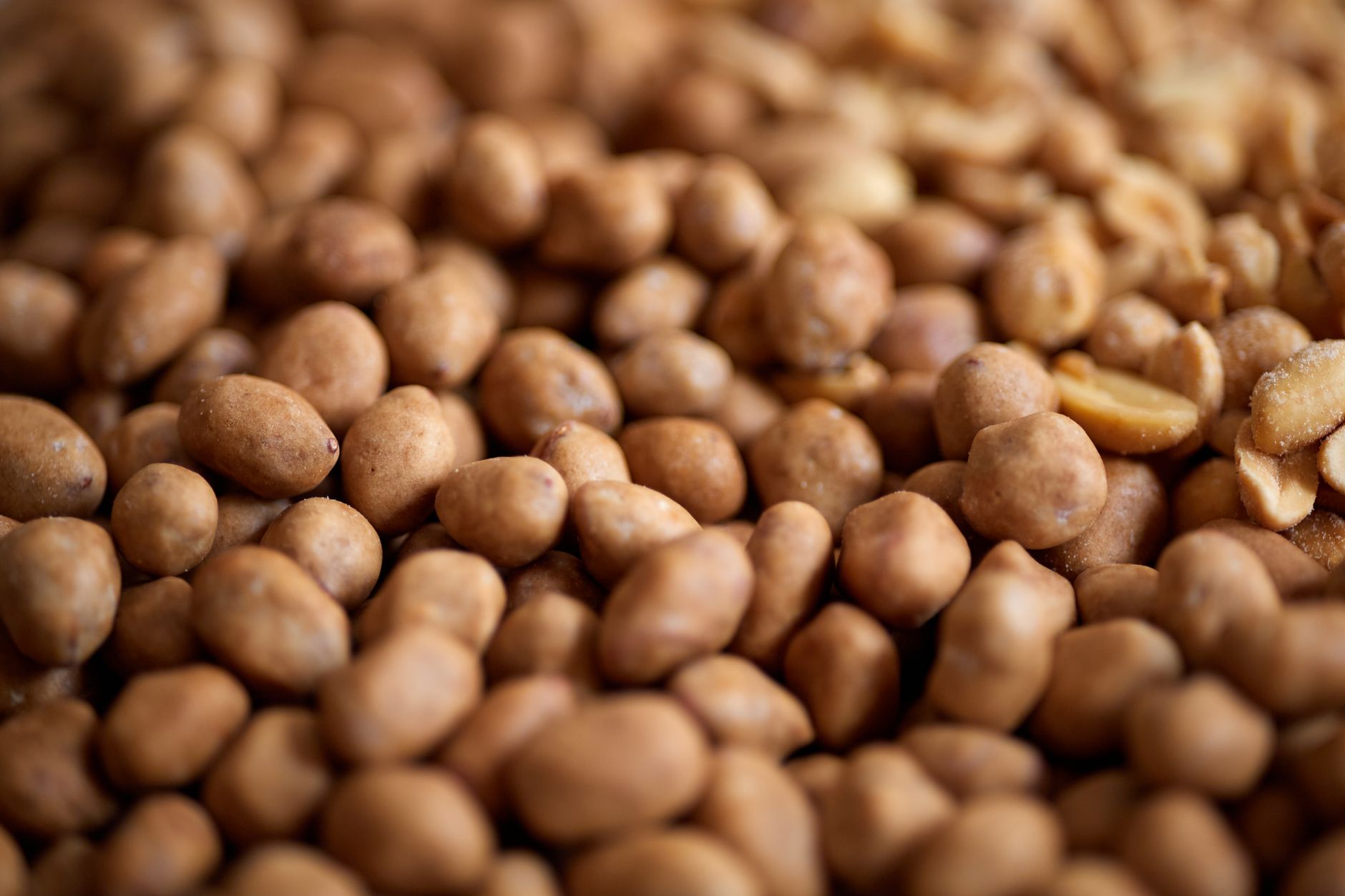
Peanuts commonly cost less per ounce than almonds while providing similar calories and slightly more protein. Store-brand roasted peanuts may cost a fraction of the per-ounce price of whole almonds, although package size, location, organic certification, and flavored products can change the gap. Your grocery budget can stretch further with peanuts without losing protein, unsaturated fat, or magnesium.
| Product form | Cost pattern | What your money buys |
|---|---|---|
| Bulk or large-bag peanuts | Lower per-ounce cost in many stores | Protein-rich snacks, cooking use, and peanut butter ingredients. |
| Whole almonds | Higher per-ounce cost | More dietary fiber and vitamin E in a ready-to-eat form. |
| Peanut butter | Lower cost per serving in many brands | A spreadable staple for snacks, sauces, and lunches. |
| Almond butter | Higher cost per jar | A creamy almond option with vitamin E. | Almond flour | Higher cost per pound | A baking ingredient that can be used quickly in recipes. |
| Single-serve packs | Higher cost per ounce | Built-in portion boundaries for travel or desk drawers. |
Lower Cost Can Improve Consistency
Because peanuts usually cost less and provide about 7 grams of protein per ounce, their cost per gram of protein is often lower. That difference matters in a household serving nuts or legumes several times each week. You can use a large container of unsalted peanuts for snack bowls, salad toppings, stir-fries, and homemade trail mix.
Almond products add expense at several points. Almond butter requires more almonds per jar, almond flour uses finely ground kernels, and single-serve packs add packaging costs. A practical compromise is to use peanuts as an everyday staple and save almonds for oatmeal, salads, or days when extra fiber and vitamin E fit your menu.
Price is only useful when the food also fits your habits, which makes storage and portioning the next practical step.
Even a strong value loses its advantage when larger packages encourage mindless repeat servings.
Portion Habits Prevent Extra Servings
A one-ounce serving is roughly 23 almonds or a small handful of shelled peanuts. Measuring once with a kitchen scale, tablespoon, or measuring cup teaches your eye what about 160 to 170 calories looks like. A standard cereal bowl can hold several servings before it appears full.
Your daily routine can include almonds or peanuts, provided the product and amount fit your total diet. About 20 to 23 almonds is close to one ounce, while a small closed handful of shelled peanuts is a practical visual cue. Activity level, medical history, meal size, and sodium intake can change the portion that works best for you.
- Use a small bowl. Pour one serving before sitting down instead of eating directly from a bag or jar.
- Pair with produce. Add an orange, apple, grapes, carrots, or berries for more volume and a clear snack boundary.
- Store bags away. Keep large packages in a cabinet instead of beside your desk, sofa, or car seat.
- Portion after shopping. Divide a large package into five containers while your attention is on the task.
- Choose whole forms. Whole almonds and peanuts create more chewing and clearer visual cues than flour or butter.
- Eat without screens. A 10-minute snack break makes it easier for you to notice fullness than background eating during a show.
Portion control also supports safety because packaged foods can contain ingredients or cross-contact warnings that deserve attention before the first bite.
Beyond fullness, careful handling matters when labels signal possible allergens or manufacturing cross-contact.
Allergy Safety Requires Individual Medical Guidance
Peanut allergy and tree-nut allergy are distinct conditions, and either can cause a severe reaction. Peanuts are legumes, while almonds are tree nuts. An allergy to one does not automatically mean an allergy to the other, but you should never use that fact as a reason to self-test a suspected trigger.
Food manufacturers may process almonds, peanuts, cashews, walnuts, and other ingredients on shared equipment. Read the ingredient list and cross-contact statement on every packaged product because recipes and production lines can change. Your safest plan comes from a qualified allergy clinician who knows your diagnosis and reaction history.
- Avoid diagnosed triggers. Keep foods linked to a confirmed peanut allergy or tree-nut allergy out of your meals and snacks.
- Check every label. Review ingredients and cross-contact statements even on familiar brands because formulations can change.
- Skip home testing. Trying a suspected allergen at home can be dangerous, particularly after a previous reaction.
- Plan shared spaces. Schools, camps, restaurants, and shared kitchens need clear communication about the specific allergen.
- Follow clinical advice. Use the emergency plan and medications prescribed for your situation by a qualified clinician.
For a diagnosed peanut or tree-nut allergy, avoid the triggering food and take cross-contact warnings seriously, even in products that appear unrelated to nuts.
With safety addressed, the final choice can stay simple and specific to the meal in front of you.
Ultimately, matching the choice to your immediate purpose keeps the decision straightforward.
Final Choice Depends on Your Main Priority
Peanuts make sense for lower-cost, protein-focused snacks, while almonds stand out for dietary fiber, vitamin E, and magnesium. Neither choice needs a universal health label. Your most useful option is the minimally processed food that fits your budget, appetite, portion size, and allergy needs.
Keep both in rotation where safe. Use peanuts in lunches, sauces, trail mix, and higher-protein snacks. Choose almonds for oatmeal, yogurt, salads, and meals that benefit from extra fiber, vitamin E, and crunch.
FAQ
These direct answers help you match almonds and peanuts to your nutrition goals, grocery budget, and safety needs.
Which is healthier, peanuts or almonds?
Neither food is healthier in every situation. Almonds supply more fiber, vitamin E, and magnesium per ounce, while peanuts supply slightly more protein and often cost less. Your stronger choice depends on whether your priority is fiber, protein, budget, flavor, portion control, or an existing food allergy.
Do peanuts or almonds have more protein?
Dry-roasted, unsalted peanuts provide about 7 grams of protein per ounce, while almonds provide about 6 grams. That difference is small, yet peanuts can support your protein-focused snack plan, especially paired with yogurt, milk, soy foods, eggs, or whole-grain foods.
Are almonds better than peanuts for heart health?
Unsaturated fats in both foods can support a heart-healthy eating pattern. Almonds offer more fiber and vitamin E, while peanuts provide similar calories and slightly more protein. Your overall pattern matters most, including vegetables, fruit, beans, whole grains, and measured portions.
Which has fewer calories and more fiber: almonds or peanuts?
Almonds and dry-roasted unsalted peanuts have nearly identical calories, at about 164 to 166 calories per ounce. Almonds provide more fiber, with about 3.5 grams per ounce compared with about 2.5 grams from peanuts. Your portion size has a much larger calorie effect than the small difference between them.
Are peanuts actually nuts or legumes?
Botanically, peanuts belong to the legume family rather than the tree-nut group. They grow in underground pods and are related to beans, lentils, and peas. Almonds are tree-nut seeds that grow inside a drupe fruit, although both foods are commonly sold beside each other as snack nuts.
Can you eat almonds or peanuts every day?
Daily almonds or peanuts can fit many balanced diets when your portion is measured and the product is plain or lightly processed. About 20 to 23 almonds is close to one ounce. Your calorie needs, medical history, sodium intake, and allergy status still shape the right routine for you.
