

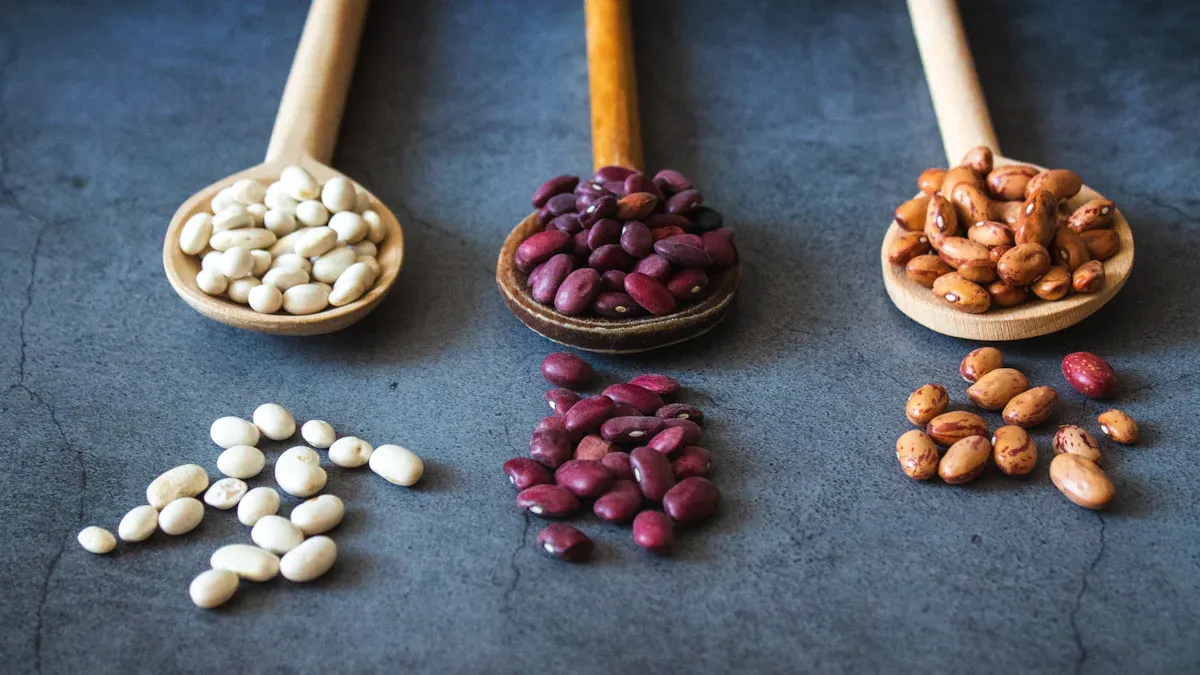
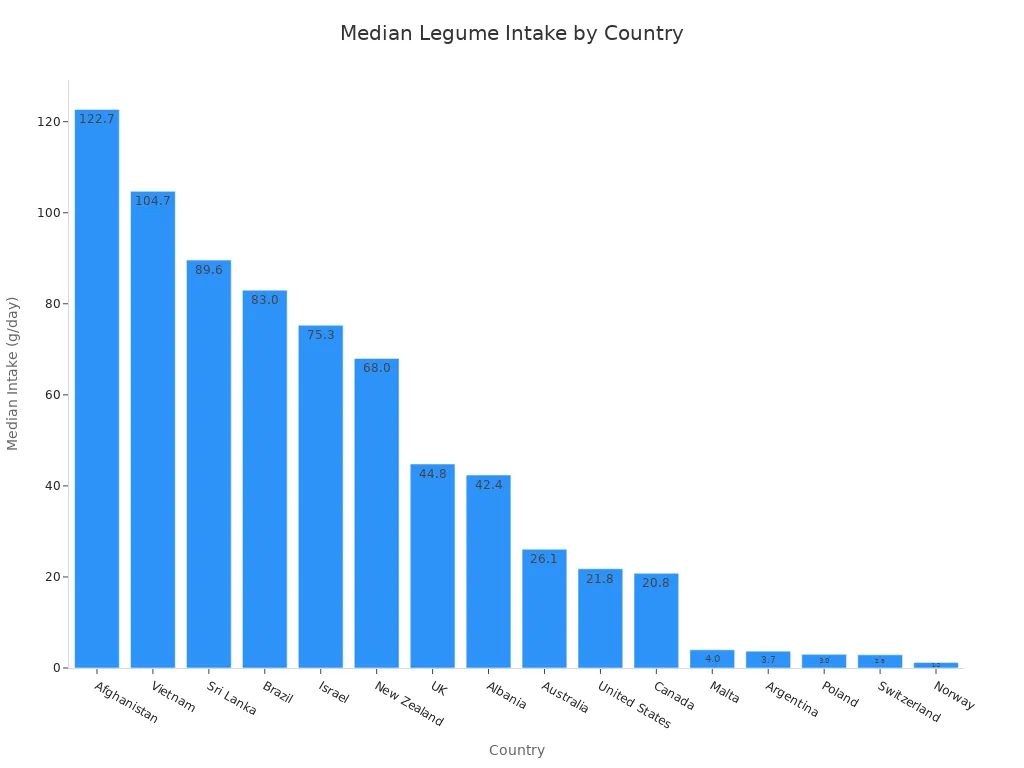
Anasazi beans are unique and ancient legumes. These beans are a nutritional powerhouse. They offer significant protein and fiber. Anasazi beans have historical significance. Their popularity grows in modern diets. Many people do not eat enough legumes. The average global consumption of legumes is 21 grams per person per day. This is much lower than meat consumption. In the United States, people eat even fewer legumes, only 9.3 grams daily. Incorporating these beans can help.
This article explores the specific nutritional benefits of Anasazi beans. It shows how these beans contribute to a healthy lifestyle. Understanding anasazi beans nutrition reveals their value.
Key Takeaways
Anasazi beans are special beans. They have a unique red and white color. They are full of protein and fiber.
These beans help your body in many ways. They keep your blood sugar steady. They also make your heart healthy.
Anasazi beans are good for digestion. They help you feel full. This can help with weight management.
You can easily cook Anasazi beans. They taste sweet and nutty. You can use them in many recipes like soups and refried beans.
Soaking Anasazi beans before cooking is a good idea. It helps them cook better. It also makes them easier to digest.
Anasazi Beans Overview
What Are Anasazi Beans
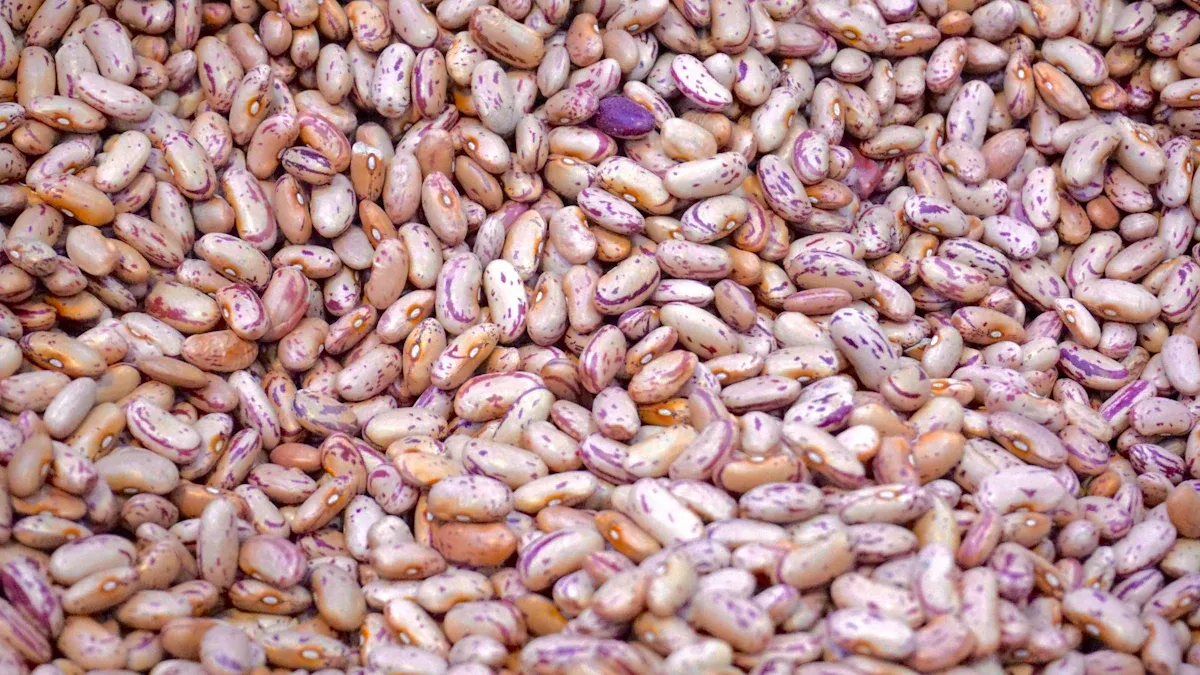
Anasazi beans are a distinctive type of legume. They stand out with their unique appearance. These beans are red and white. They have attractive purple-red and white markings. Some describe their patterns as dappled burgundy and cream. These markings resemble those found on Jersey cows. When cooked, these beautiful beans transform into a creamy, even pink color. This makes them visually appealing in many dishes. Understanding anasazi beans nutrition starts with recognizing these unique characteristics.
History and Origin
Anasazi beans carry a rich history. They get their name from the Anasazi Native American tribe. This ancient civilization, also known as Ancient Puebloans, thrived in the southwestern United States. They lived there from about 200 BCE to 1300 CE. The Anasazi people were skilled farmers. They cultivated important crops like maize, squash, and these very beans. These special beans were discovered in the Four Corners area. This region is where Utah, Colorado, Arizona, and New Mexico meet. This discovery happened at the start of the 20th century. Today, Anasazi beans are primarily grown in the Southwest. In the 1970s, a farmer named Ernie Waller rediscovered these beans in Colorado. He saw their potential due to their thin skin and vibrant color. Waller trademarked the beans as “Anasazi” to honor their original cultivators. He then reseeded them across the Southwest. These bush beans grow well in full sun and well-drained soil. They are also drought-resistant.
Flavor and Texture
Anasazi beans offer a delightful culinary experience. Cooked anasazi beans have a deep, subtly sweet, and nutty flavor. Their texture is notably creamy. It holds up well during cooking. Unlike some common beans that can feel gritty, anasazi beans are almost buttery. Many compare their taste to pinto beans. You can often use them in recipes interchangeably. The creamy texture of these beans makes them a favorite for many dishes. This unique texture is a key part of their appeal.
Anasazi Beans Nutrition Facts
Anasazi beans offer an impressive nutritional profile. They are a valuable addition to any diet. These beans provide essential nutrients. A typical serving contains around 280-300 calories. One hundred grams of Anasazi beans contain about 343 calories. This section explores the specific anasazi beans nutrition facts.
Protein Content
Anasazi beans are an excellent source of protein. Protein is vital for building and repairing tissues. The protein content can vary. Some sources report 10-11 grams, 14 grams, or even 20 grams per serving. One hundred grams of raw Anasazi beans contain 22.9 grams of protein. Cooked Anasazi beans have 7.8 grams of protein per 100 grams. A quarter cup of dry Anasazi beans provides about 10 grams of protein. This makes them a significant plant-based protein source. For comparison, one cup of raw broccoli contains about 2 grams of protein.
Here is a comparison of the protein content of Anasazi beans with other legumes:
Legume Name | Protein (g/100g) |
|---|---|
Anasazi beans | 22.9 |
Black beans | 21.6 |
Black turtle beans | 21.2 |
Lentils | 24.6 |
This chart shows how Anasazi beans compare to other common legumes in protein content.
Anasazi beans are high in protein. They stand strong among other popular beans.
Fiber Benefits
Anasazi beans are rich in fiber. Fiber is crucial for digestive health. A serving of Anasazi beans typically provides 12-18 grams of fiber. This can be up to 72% of the daily recommended value.
Serving Size: 0.25 dry
Dietary Fiber: 7g (28% Daily Value)
This high fiber content contributes to many health benefits. It helps maintain a healthy digestive system. The fiber in these beans also helps regulate blood sugar levels.
Vitamins and Minerals
Anasazi beans offer a good source of minerals. They contain several important vitamins and minerals. These nutrients support overall body functions.
Nutrient | Value |
|---|---|
Calcium | 100mg |
Potassium | 460mg |
Anasazi beans also provide iron. A serving can offer 3.7 mg of iron, which is about 30% of the Daily Value. They are low in sodium and contain no cholesterol. These nutritional values make Anasazi beans a healthy choice.
Carbohydrates and Fats
Anasazi beans contain complex carbohydrates. These carbohydrates provide sustained energy. A serving typically has 52-54 grams of carbohydrates. One hundred grams of Anasazi beans contain 60 grams of carbohydrates.
Nutrient | Per 100 g |
|---|---|
Carbohydrates | 60 g |
Anasazi beans are naturally low in fat. They contain only 1-2 grams of fat per serving. One hundred grams of Anasazi beans have 1.4% fat.
Nutrient | Amount Per Serving (44g) |
|---|---|
Total Fat | 0.50g |
Saturated Fat | 0.000g |
Trans Fat | 0.000g |
Anasazi beans are stated to have 0% fat. This makes them a heart-healthy food option. They also contain 0 grams of sugar. The overall nutritional profile of Anasazi beans highlights their value. These beans are a powerhouse of nutrition.
Health Benefits
Anasazi beans offer many health benefits. Their rich nutritional profile supports overall well-being. These benefits come from their unique combination of protein, fiber, vitamins, and minerals.
Blood Sugar Control
Anasazi beans help regulate blood sugar. Their fiber and complex carbohydrates provide a steady, slow release of glucose. This mechanism greatly benefits people managing diabetes. Anasazi beans also contain lectin. This specific carbohydrate-binding protein acts as a natural glucose-binder. It further aids in normal blood sugar management.
Many studies support the role of beans in managing blood glucose levels. Doctors often advise consuming beans for individuals with type 2 diabetes. They also recommend beans for those aiming to prevent diabetes. This is due to the ‘Second-Meal Effect.’ Research, including a review of 18 randomized control studies, confirms this. It shows that incorporating beans and legumes into the diet improves markers of type 2 diabetes. These markers include fasting glucose, insulin levels, and HbA1c. Anasazi beans are a type of legume recommended for plant-based eating patterns. These patterns aim to treat and prevent diabetes. Plant-based nutrition, including legumes, reduces the risk of developing type 2 diabetes.
Heart Health Support
Anasazi beans improve heart health. They contain protein, fiber, and essential minerals. These minerals include iron, magnesium, potassium, and folate. All these nutrients contribute to overall health. Anasazi beans also have antioxidants and bioactive compounds. These work to reduce cholesterol and low-density lipoprotein. This improves the cardiovascular system. Beans are a “superfood” because of their high fiber content. This fiber helps protect against cardiovascular disease. Soluble fiber in beans can lower harmful LDL-cholesterol. It also regulates blood sugar levels.
Digestive Wellness
The high fiber content in anasazi beans promotes digestive wellness. Fiber adds bulk to stool. This helps prevent constipation. It also supports a healthy gut microbiome. Regular consumption of anasazi beans contributes to a well-functioning digestive system.
Weight Management
Anasazi beans aid in weight management. They contain both protein and fiber.
Nutrient | Amount per 100g (raw) |
|---|---|
Protein | 22.9 g |
Fiber | 14.3 g |
This combination helps promote satiety. Satiety means feeling full and satisfied after eating. Foods that promote satiety can reduce how much food you eat later. This lowers overall calorie intake. Satiety-promoting foods are important for weight loss. Diets that leave people hungry are often hard to maintain. The high fiber and protein in anasazi beans help you feel full longer. This helps you moderate your calorie intake.
Antioxidant Properties
Anasazi beans contain antioxidants. These compounds fight free radicals. They reduce inflammation and boost immunity. Anasazi beans also contain lectins. These are anti-mutagenic compounds. They decrease the risk of certain cancers. They also slow their spread when isolated. These properties make anasazi beans valuable cancer fighting foods. The benefits of anasazi beans extend to protecting cells from damage.
Incorporating Anasazi Beans
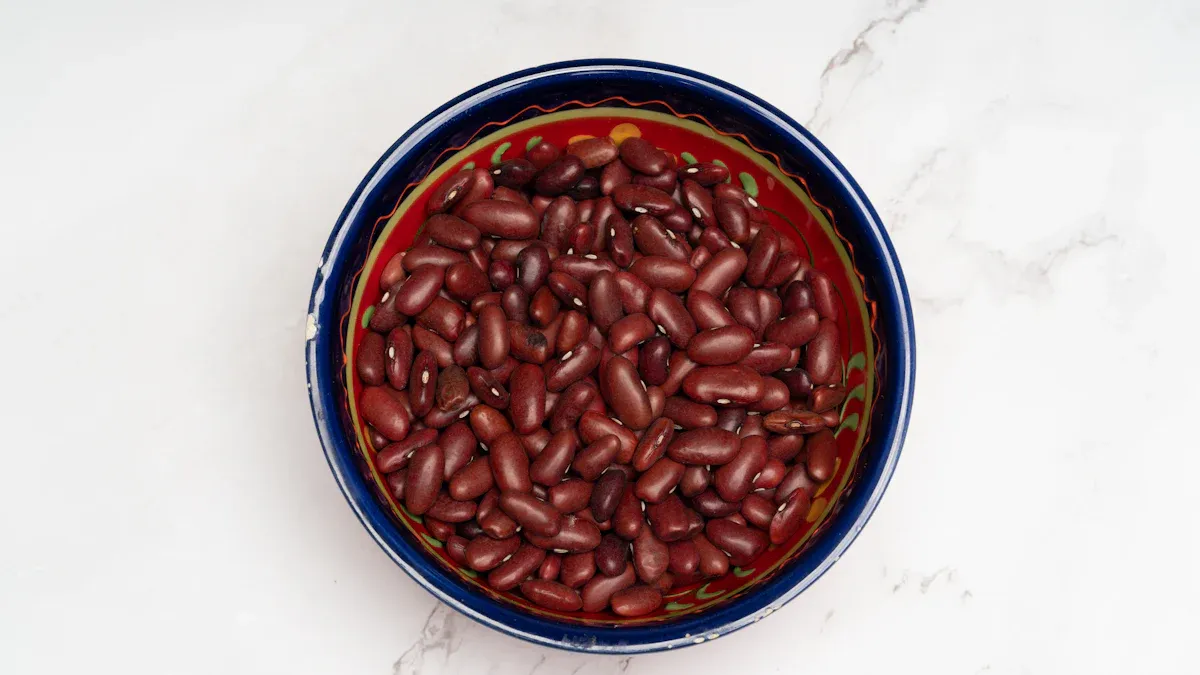
People can easily add anasazi beans to their daily meals. These versatile legumes fit into many dishes. Their unique flavor and texture make them a great choice.
Cooking Anasazi Beans
Proper preparation ensures the best taste and digestibility for anasazi beans. Soaking dried anasazi beans is a good first step. People can cover the beans with several inches of cold water. They let them sit overnight. Alternatively, a quick soak involves boiling the beans for 2 minutes. Then, they turn off the heat and let the beans sit for at least an hour. After soaking, people drain the water. They replace it with fresh, cold water for cooking. Anasazi beans cook relatively quickly. They typically take 1 to 2 hours of simmering on the stovetop. An Instant Pot can cook anasazi beans in about 60 minutes on high pressure.
Recipe Ideas
Many delicious recipes feature anasazi beans. “Crockpot Anasazi Bean Soup” is a popular choice. This soup uses dried anasazi beans, celery, carrots, onion, cabbage, ham, and various seasonings. Another great option is “Anasazi bean soup with vegetables.” This recipe often includes a chicken carcass stock, fresh herb stems, celeriac, carrots, fennel, onions, garlic, and yellow pepper. People can also make “Refried Anasazi Beans.” This recipe involves cooking and mashing anasazi beans with sautéed bacon, onion, green pepper, garlic, and chili powder. “Ham and Beans” is another classic recipe. It uses anasazi beans cooked with a ham bone or cubed ham. These recipes highlight the versatility of anasazi beans.
Comparison to Other Beans
Anasazi beans offer similar nutritional benefits to other common beans. Pinto beans and kidney beans have comparable protein and fiber content. However, anasazi beans have distinct culinary characteristics. They possess a mild, sweet flavor. This flavor can be nutty or earthy. When cooked, anasazi beans develop a creamy texture. They also maintain their shape well. Their flavor is less pronounced than pinto beans. Many find anasazi beans easier to digest. They cook quickly, often without requiring pre-soaking. Anasazi beans are smaller and firmer than pinto beans. This makes them ideal for salads and casseroles. Pinto beans are larger and creamier. They tend to break down more easily. Anasazi beans pair well with spicy flavors. They can substitute other beans in recipes for refried beans, chili, and stews.
Potential Considerations
Anasazi beans, like other common beans, contain anti-nutrients. These include lectins and trypsin inhibitors. Phytic acid is also present. Phytic acid can bind with essential minerals. This prevents their absorption. Enzyme inhibitors can block digestive enzymes. Lectins can cause digestive discomfort. They can also damage intestinal villi. People can minimize these effects with proper preparation. Soaking anasazi beans for 6-8 hours helps remove indigestible sugars and phytates. Boiling the beans uncovered for the first 15-20 minutes also helps. Adding kombu or herbs like cumin or epazote during cooking can reduce gas. Introducing beans gradually into the diet allows the body to adjust.
Anasazi beans are a nutritional powerhouse. They offer significant protein and fiber. These anasazi beans provide many health benefits. The discussed benefits reinforce their role in a balanced diet. These benefits include better blood sugar control and heart health. Anasazi beans also support digestive wellness and weight management. They possess antioxidant properties. Readers should incorporate these versatile anasazi beans into their meals. This adds both improved health and culinary variety. Making informed dietary choices, like including anasazi beans, brings many benefits. Enjoy the many benefits these ancient beans offer.
FAQ
Are Anasazi Beans Easy to Digest?
Anasazi beans are often easier to digest than other beans. Their thin skin helps with this. Proper soaking and cooking also reduce digestive issues. People can enjoy anasazi beans without much discomfort. This makes anasazi beans a good choice for many.
Do Anasazi Beans Need Soaking?
Soaking anasazi beans is recommended. It helps remove indigestible sugars. Soaking also reduces cooking time. You can do a quick soak or an overnight soak for anasazi beans. This process improves digestibility and texture.
What Do Anasazi Beans Taste Like?
Anasazi beans have a mild, sweet, and nutty flavor. They become creamy when cooked. Many compare their taste to pinto beans. The unique flavor of anasazi beans makes them versatile in many recipes. They offer a pleasant culinary experience.
Are Anasazi Beans Good for Health?
Yes, anasazi beans are very healthy. They offer protein, fiber, and essential minerals. These beans support heart health and blood sugar control. Anasazi beans are a great addition to a balanced diet. They provide many nutritional benefits.
Where Can I Buy Anasazi Beans?
You can find anasazi beans in specialty grocery stores. Health food stores often carry them. Online retailers also sell anasazi beans. Look for them in the dried bean section. Their unique appearance makes them easy to spot.