

Sharp teeth, broad jaws, and specialized digestive systems help plant-eating animals process leaves, stems, and other tough vegetation. You can see the pattern in cows, rabbits, horses, giraffes, elephants, and deer, where grinding surfaces and long gut processing replace tearing jaws.
This article covers how herbivores are built for a plant-based diet, from specialized chewing tools to digestive strategies, and shows where grazers and browsers fit among familiar species like deer, horses, and giraffes.
Key Takeaways
- Plant-based diet: Herbivores eat plant material, not meat, and their bodies match that food supply.
- Common examples: Cows, rabbits, horses, giraffes, elephants, and koalas are familiar examples of herbivores.
- Grinding teeth: Flat teeth and broad molars help grind fibrous plant tissue into smaller pieces.
- Gut microbes: Gut microbes help some plant-eaters use cellulose that their own bodies cannot digest alone.
- Food variety: Plant diets can be fruit-heavy, grass-heavy, leaf-heavy, or focused on bamboo, bark, seeds, or roots.
- Frequent feeding: Frequent feeding helps make up for the lower energy in many plant foods.
What Makes Herbivores Different From Other Eaters
Carnivores depend on animal tissue, and omnivores split meals between plants and animal food. That split leaves plant-based feeding in its own category, so the mouth and digestive system need a different design from the start.
A side-by-side look makes the contrast easy to follow, especially with herbivores vs omnivores vs carnivores. The real divide is not just what goes into the mouth; it is what the body can process day after day.
| Diet group | Main food source | Typical body fit | Common examples |
|---|---|---|---|
| Herbivore | Leaves, stems, grasses, fruit, seeds, bark, roots | Grinding teeth, long gut, microbial fermentation | Cows, rabbits, horses, giraffes, elephants |
| Omnivore | Plants and animal food | Mixed teeth and flexible digestion | Humans, bears, raccoons |
| Carnivore | Animal flesh | Sharp teeth and shorter digestive tract | Lions, wolves, owls |
A plant eater can survive on rough leaves or stems because its body turns that material into usable fuel. That design shapes chewing, digestion, and waste, and it explains why many of the best-known plant-eating animals look built for grinding rather than tearing.
That difference shows up fast in the field. A cow spends hours processing grass, while a wolf needs sharp cutting teeth for flesh, and those daily habits reflect two very different energy strategies.
Different plant layers demand different tools, and those tools shape how each animal gathers energy from greenery.
The Animals That Best Fit The Herbivore Pattern
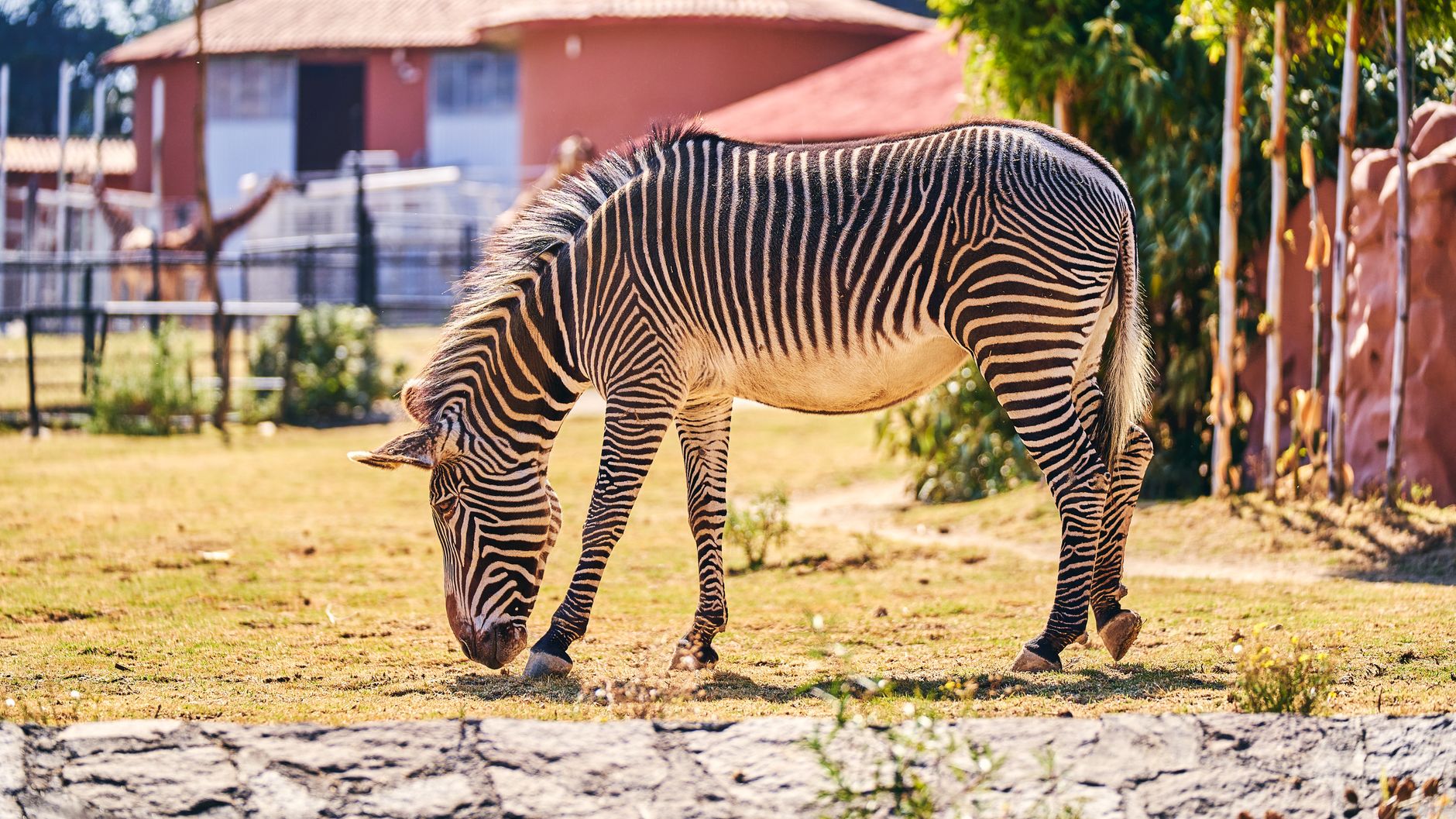
That body plan shows up in animals as different as rabbits and giraffes. Elephants, horses, deer, cows, and zebras also show how plant eating can fit very different sizes and habitats.
Small and medium plant-eaters
Rabbits are an easy first example of animals that eat only plants. Deer, sheep, horses, and zebras also stay close to grasses, leaves, and other plant parts that fill much of the day.
Koalas add a sharper example because their menu is narrow and centered on eucalyptus leaves. Bamboo-eating pandas also matter here, since their diet stays plant-based even though their body shape still resembles the bear family.
Large grazers and browsers
Elephants can strip bark, twist branches, and pull up roots, which makes them flexible plant-eaters rather than narrow specialists. Giraffes, by contrast, browse leaves and twigs from trees, using height as a feeding advantage.
Some species lean so hard toward plants that a tiny amount of other food does not change the main pattern. That detail keeps the category honest, because real diets are often less neat than a school chart suggests.
- Cows: They graze on grasses and spend long hours chewing to process fibrous feed.
- Rabbits: They use quick bites and a long gut to handle leafy plants.
- Horses: They crop grasses with front teeth and grind with broad back teeth.
- Giraffes: They browse high leaves that sit out of reach for ground feeders.
- Elephants: They use trunks and tusks to reach bark, roots, and branches.
- Koalas: They specialize in eucalyptus leaves, a narrow plant menu with strong flavor.
That range matters because habitat shapes the diet pattern just as much as anatomy does. Open grasslands favor grazers, wooded areas favor browsers, and a bamboo thicket rewards an animal built for one narrow plant source.
You can also use habitat as a shortcut in class or in the wild. A deer in a woodland edge, a giraffe at treetop level, and a horse on open grass all point to the same broad feeding pattern, but each uses a different plant layer.
That added chewing time also depends on where the food comes from, separating animals by how they reach plants.
How Herbivores Turn Plants Into Energy
Flat teeth do the first job, and molars do the heavy work. Instead of slicing flesh, they crush and grind fibrous plant tissue into pieces that saliva and microbes can handle more efficiently.
Teeth and chewing do the mechanical work
Constant chewing is not a quirk; it is part of the feeding strategy. Grass and leaves can act like tough fibers, so long chewing sessions increase surface area and make the next digestive step possible.
Ruminants such as cows and sheep add another layer because they regurgitate partially digested plant food and chew it again. That repeated grinding helps break down tough material that would pass through too fast otherwise.
Plant fiber is hard to use because much of it is built from cellulose, a compound that animal bodies do not split apart on their own. Microbes in the gut finish that job for some plant-eaters, which is why their digestive system can look slower and more complex than a carnivore’s.
Gut microbes do the chemical work
Cellulose is the tough material in plant cell walls, and it resists digestion without help. Gut microbes ferment it and release usable energy in forms the animal can absorb, so the relationship depends on tiny partners living inside the gut.
That partnership explains why some plant-eaters need longer digestive tracts, extra stomach chambers, or a large fermentation chamber like the hindgut seen in horses. Nature rarely wastes energy on a straight line when a slower microbial route does the job better.
Frequent feeding matches low-energy food
Plant foods can carry less energy per bite than meat, so many plant-eating animals feed for long stretches across the day. A horse grazing for hours or a rabbit nibbling repeatedly is not being fussy; it is keeping up with a leaner fuel supply.
As a result, feeding rhythm becomes part of survival. A plant-rich diet can work well, but the animal often trades speed for volume, and that tradeoff shapes the whole digestive system.
You can think of this as a battery issue, not a taste issue. A leaf-heavy diet often needs more chewing and more hours of feeding, so the animal’s schedule changes along with the food.
Those feeding habits leave clues in both body shape and habitat, which influence where each animal belongs in the web.
Grazers, Browsers, And The Places They Feed
That feeding rhythm changes with the landscape. Grasslands, forests, and wetlands favor different patterns, so habitat is one of the fastest ways to sort plant-eaters in the field.
Grazers live on open ground
Horses, zebras, and many cattle fit the grazing pattern because open plains and savannas offer wide beds of grass. Short, side-to-side jaw motion helps them crop and grind the thin, abrasive blades they find there.
That habitat often brings speed and vigilance too, because open country gives little cover. A grazer spends its day balancing feeding time with the need to stay alert.
Browsers use height and reach
Giraffes are the classic browser, and deer often join that group in wooded areas. Their food comes from leaves, shoots, and twigs, which places the feeding zone above the ground and away from pure grass-eating.
Elephants blur the line because they browse and graze, depending on what the land offers. That flexibility helps them in dry seasons, wet seasons, and places where one food source thins out.
Wetlands and forests add more variety
Wet areas can feed geese, manatees, and other plant-focused animals, while dense forests favor leaf eaters, fruit eaters, and bamboo specialists. The local plant mix matters because diet follows what grows nearby, not just what the animal prefers.
So the easiest field clue is not the animal’s size alone. It is the combination of body shape, mouth shape, and the kind of plant cover around it, which leads straight into how these animals fit into the food chain.
You can use that combination to narrow an ID fast. A broad muzzle, a grinding jaw, and a meadow full of grass usually point in the same direction, while a narrow muzzle in trees points somewhere else.
Such pressure ripples outward, and those ripples make everyday identification surprisingly useful in the field.
Herbivores In The Food Chain
At the base of many ecosystems, plant-eaters convert sunlight-made energy into animal tissue that predators and scavengers can later use. That makes them a bridge between the producer level and the rest of the ecosystem.
Energy moves upward in smaller amounts at each step, which is one reason food chains narrow fast. A leaf can feed a caterpillar, a rabbit, or a deer, but each transfer leaves less usable energy for the next level.
That flow explains why large plant-eaters spend so much time eating. The food supply is wide, but each bite carries limited energy, so the animal has to keep gathering fuel in a steady rhythm.
It also explains why plant-eating population changes can ripple outward. More grazing pressure can reshape plant growth, which then affects cover, nesting spots, and food for other species in the same ecosystem.
And that ripple can be visible in a single pasture. If grazing pressure rises, shorter plants and fewer seeds can follow, which changes shelter for insects, birds, and small mammals.
Those clues are only the starting point, because some animals blur the line between plant eating and opportunism.
How To Spot A Plant-Eating Animal In Real Life
Teeth give the fastest clue, and jaw shape gives the next one. Broad molars, side-to-side chewing, and front teeth made for clipping or grinding point toward a plant-based feeding pattern.
- Check the teeth: Flat back teeth usually signal grinding rather than tearing.
- Watch the jaw: Side-to-side motion often means the animal is crushing plant fiber.
- Look at the mouth: Browsers and grazers show different mouth shapes for different plant parts.
- Match the habitat: Grasslands, forests, and bamboo stands each favor different plant feeders.
- Watch the routine: Long feeding periods often point to a low-energy plant diet.
A quick memory aid helps in classrooms too. Grass, leaves, twigs, fruit, seeds, bark, bamboo, and roots are the food words to scan for, while sharp tearing teeth and a meat-heavy menu point away from the plant-eating group.
Koalas and pandas make good checkpoint animals for younger students because both trigger a fast correction. Koalas stick to eucalyptus leaves, while pandas eat bamboo, so both sit close to the plant side even though their body shapes can feel surprising.
You can sort the examples by food first and body second. Cows, rabbits, horses, giraffes, elephants, and deer all fit the broad plant-eating pattern, but each uses different teeth, jaws, and feeding ranges.
That flexibility is the key point, and it leaves one simple takeaway about how diets are usually defined.
What About Animals That Mix Food Types
Diet labels can get messy at the edges, and that is where confusion usually starts. A species may live on plants most of the time but still take a small amount of other food, which keeps the label from being too rigid.
Pandas fit that caution well. They eat bamboo for most of their food, yet their body plan and ancestry are not the same as a strict deer or cow, which is why a simple label can hide part of the story.
Humans also belong in this conversation because the usual label is omnivore, not herbivore. That single fact clears up a lot of classroom mix-ups and makes the comparison with carnivores easier to hold in your head.
And there is a practical reason to separate strict plant-eaters from flexible feeders. The body design, gut length, and feeding schedule shift along with the food mix, so the label tells you more than the menu alone.
Some animals are mostly plant-eaters without being absolute. That nuance matters because a few insects, eggs, or other foods can appear in the diet without changing the animal’s main feeding pattern.
What To Remember
Plant-only eating sounds simple until you trace the mechanics, and that is where the real story sits. Teeth, gut microbes, and feeding rhythm all work together so an animal can turn grass, leaves, bamboo, or roots into fuel.
Once you know that, the category becomes easy to spot in the wild and in textbooks. You can tell why a rabbit, a giraffe, and a cow belong in the same broad diet group even though their bodies and habitats look nothing alike.
For herbivores for kids, a short memory rule helps: grind, chew, ferment, repeat. That sequence captures the way plant food moves through the body and makes the pattern easier to remember on a test or in the field.
FAQ
What are herbivores?
it are animals that eat plants and do not rely on animal flesh for nutrition. Their food can include leaves, stems, grasses, fruit, seeds, bark, bamboo, and roots.
What animals only eat plants?
Cows, rabbits, horses, giraffes, elephants, and koalas are familiar examples. Some species are strict plant-eaters, while others stay plant-heavy but may take a small amount of other food.
What is the difference between herbivores, omnivores, and carnivores?
it eat plants, carnivores eat animal tissue, and omnivores eat both. The difference matters because each group has a different mouth shape, digestive setup, and feeding pattern.
Why do herbivores need special digestive systems?
Plant cell walls contain cellulose, which is hard to use without help. Many plant-eaters rely on gut microbes, extra stomach chambers, or long fermentation areas to make that food usable.
Are pandas herbivores or omnivores?
Pandas eat bamboo for most of their diet, so they act like plant-eaters in daily life. Their classification can still draw discussion because body design and ancestry do not always line up with a neat menu label.
Are humans herbivores?
Humans are omnivores, not it. The human diet can include plants and animal foods, and that mixed pattern places people in a different diet group from strict plant-eaters.
