

Short, starch-rich grains can make a creamy, spoonable risotto-style dish when Arborio is unavailable. Carnaroli rice gives you the closest result, while Vialone Nano rice, sushi rice, and Calrose rice can work with adjusted broth, stirring, and cooking times.
This comparison helps you choose a grain for risotto, paella, arancini, pudding, soup, or a hearty barley or farro pan based on what is in your pantry.
Starch Creates Creaminess Without Added Cream
A glossy pan comes from starch suspended in rice cooking liquid, not from heavy cream. Arborio has a high starch content, especially amylopectin, which absorbs hot broth and thickens the liquid around each grain as you stir.
Amylopectin is a branching starch molecule that swells as the grain cooks. Gentle friction releases some surface starch into the broth, so your finished risotto has a loose sauce around tender grains instead of a heavy, cream-based texture.
Amylopectin Builds the Sauce
Heat causes starch granules to absorb liquid and expand, a process called gelatinization. Short and medium grains release more starch than slender long-grain rice, which explains why Carnaroli and Arborio create a creamy finish while regular white rice stays more separate.
Grain shape matters too. A plump kernel can soften at the edges while keeping a tender center, giving you the familiar contrast between creamy sauce and slight bite. Long-grain rice can still make a satisfying rice dish, but it will not produce the same classic risotto texture.
Rinsing Changes Surface Starch
Skip rinsing Italian risotto rice before cooking. Water removes loose surface starch that would otherwise help thicken your broth into a glossy sauce.
Sushi rice may have a powdery coating from packaging or transport. Give it only a very light rinse if needed, then drain it thoroughly before it meets warm fat; excess rinse water can make the first broth additions thin and uneven.
Once you understand starch behavior, choosing among the available grains becomes much simpler.
A Decision Table Matches Grain to the Dish
The best choice depends on the texture you need, not just on whether the package says short-grain rice. A 1:1 dry-grain swap works for most Arborio rice substitutes, but broth range, stirring, and timing change from grain to grain.
| Grain | Creaminess and Bite | Approximate Broth Range | Typical Cooking Time | Best Use |
|---|---|---|---|---|
| Carnaroli rice | High creaminess, firm center | 3 to 4 cups per cup | 18 to 22 minutes | Traditional risotto |
| Vialone Nano rice | Very creamy, smaller bite | 3 to 4 cups per cup | 16 to 18 minutes | Seafood or vegetable risotto |
| Baldo rice | Creamy, plump, tender | 3 to 4 cups per cup | 18 to 22 minutes | Classic risotto |
| Sushi rice | High creaminess, softer grain | 3 to 4 1/2 cups per cup | 16 to 20 minutes | Weeknight risotto or arancini |
| Calrose rice | Moderate creaminess, soft bite | 3 to 4 1/2 cups per cup | 18 to 22 minutes | Creamy rice dishes |
| Bomba or Calasparra | Separate grains, lower creaminess | More liquid than risotto rice | Varies by pan and recipe | Paella |
| Pearled barley | Creamy broth, chewy center | 3 to 4 cups per cup | 25 to 35 minutes | Orzotto |
| Farro | Loose sauce, firm chew | 3 to 4 cups per cup | 30 to 45 minutes | Risotto-style bowls |
| Long-grain rice | Low creaminess, separate grains | Recipe dependent | Varies by variety | Soup, baked rice, casseroles |
- Choose Carnaroli: Use Carnaroli rice when you want the closest traditional result, with a firm center and steady starch release.
- Choose Vialone Nano: Pick its smaller kernels for lighter dishes with shrimp, peas, asparagus, zucchini, or lemon.
- Choose sushi rice: Use it for a creamy pantry dinner, but stir less aggressively so your grains do not turn gummy.
- Choose Calrose: Reach for Calrose rice when you want a softer, creamy texture from a widely available supermarket grain.
- Choose Bomba: Save Bomba and Calasparra for paella, where separate grains and strong liquid absorption matter more than a creamy sauce.
- Choose whole grains: Use pearled barley or farro when you want a chewy risotto-style dish rather than a true rice risotto.
Long-grain rice sits near the bottom of the risotto list because it releases less starch and stays separate. Still, your long-grain rice can work well in baked dishes, soup, and brothy skillet meals where a loose texture is the goal.
That comparison points toward the Italian varieties that give you the most familiar result.
Italian Risotto Rices Give the Closest Result
Carnaroli rice is the best substitute for Arborio rice in a traditional risotto. Its sturdy grain releases enough starch for creaminess while holding its shape for about 18 to 22 minutes at a gentle simmer.
Use Carnaroli at a 1:1 dry-rice ratio. Keep 3 to 4 cups of hot broth ready for each cup of rice, adding enough at a time to maintain a quiet simmer without flooding the pan.
Carnaroli Holds a Firm Center
Carnaroli gives you a creamy exterior with a noticeable al dente core. That balance makes it especially useful for mushroom risotto, saffron risotto, and dishes that spend a few extra minutes off heat while you finish them with butter, cheese, or olive oil.
Acquerello is a premium aged Carnaroli product found in specialty stores. Its aging and processing return nutrients to the grain while preserving a polished kernel, though standard Carnaroli still delivers the texture most home cooks want.
Vialone Nano Cooks Faster
Vialone Nano rice has smaller, rounder grains than Carnaroli. Check it around 16 to 18 minutes because its compact kernels can reach tenderness faster, especially in lighter broths with seafood or spring vegetables.
Its starch creates a notably creamy finish without heavy dairy. You can stir frequently, but avoid scraping the pan nonstop; steady movement is enough to release starch while keeping the smaller grains intact.
Baldo Uses Familiar Technique
Baldo rice has a plump shape, reliable broth absorption, and a texture close to Arborio. Toast the grains in fat, add wine when it fits your recipe, then add hot broth in portions and stir at intervals.
After the final broth addition, rest the pan briefly before folding in butter, cheese, or olive oil. That pause gives your rice cooking liquid time to settle into a glossy sauce instead of looking thin at the edges.
Italian rice gives you the clearest traditional character, but supermarket short-grain options can still make a capable weeknight meal.
Pantry Short-Grain Rice Makes a Credible Weeknight Risotto
Sushi rice and Calrose rice can make a creamy risotto-style dish with gentler stirring. Both grains carry enough starch to thicken broth, but they soften more easily than Carnaroli and can become sticky if you work them too hard.
Start with 3 to 3 1/2 cups of hot broth per cup of dry rice, then keep another cup warm nearby. Pan width, brand, and simmer strength can change the final amount, so your last additions should be based on texture rather than a fixed measuring cup.
Sushi Rice Needs Moderate Stirring
You can use sushi rice for risotto because its short grains release plenty of starch into the broth. The result will be softer and stickier than a Carnaroli risotto, so moderate stirring protects the grains from breaking apart.
Stop cooking while individual kernels still have some shape. A loose sauce tightens during a two-minute rest, but a gummy pot rarely becomes lighter after you add more butter or cheese.
Calrose Gives a Softer Bite
Calrose rice is a medium-grain staple with enough starch for a creamy texture. It has a softer bite than Carnaroli, which makes it useful for a cozy vegetable pan, a simple cheese risotto-style dish, or an Arborio rice substitute for arancini.
Koshihikari is another Japanese short-grain rice that brings tenderness and grain stickiness. It can give your dish richness, though it lacks the distinct center that defines Italian risotto rice.
Jasmine Rice Changes the Result
Arborio rice vs jasmine rice comes down to starch, shape, and aroma. Jasmine rice has long, fragrant grains that release less starch, so it makes a brothy rice dish rather than the thick, clingy sauce associated with risotto.
Your jasmine rice can still work in a baked recipe or a loose skillet meal. Expect separate grains, a floral scent, and thinner cooking liquid instead of a creamy pan that spreads slowly on a plate.
Those softer pantry options work best once you match the grain to the dish in front of you.
The Dish Determines Whether a Swap Makes Sense
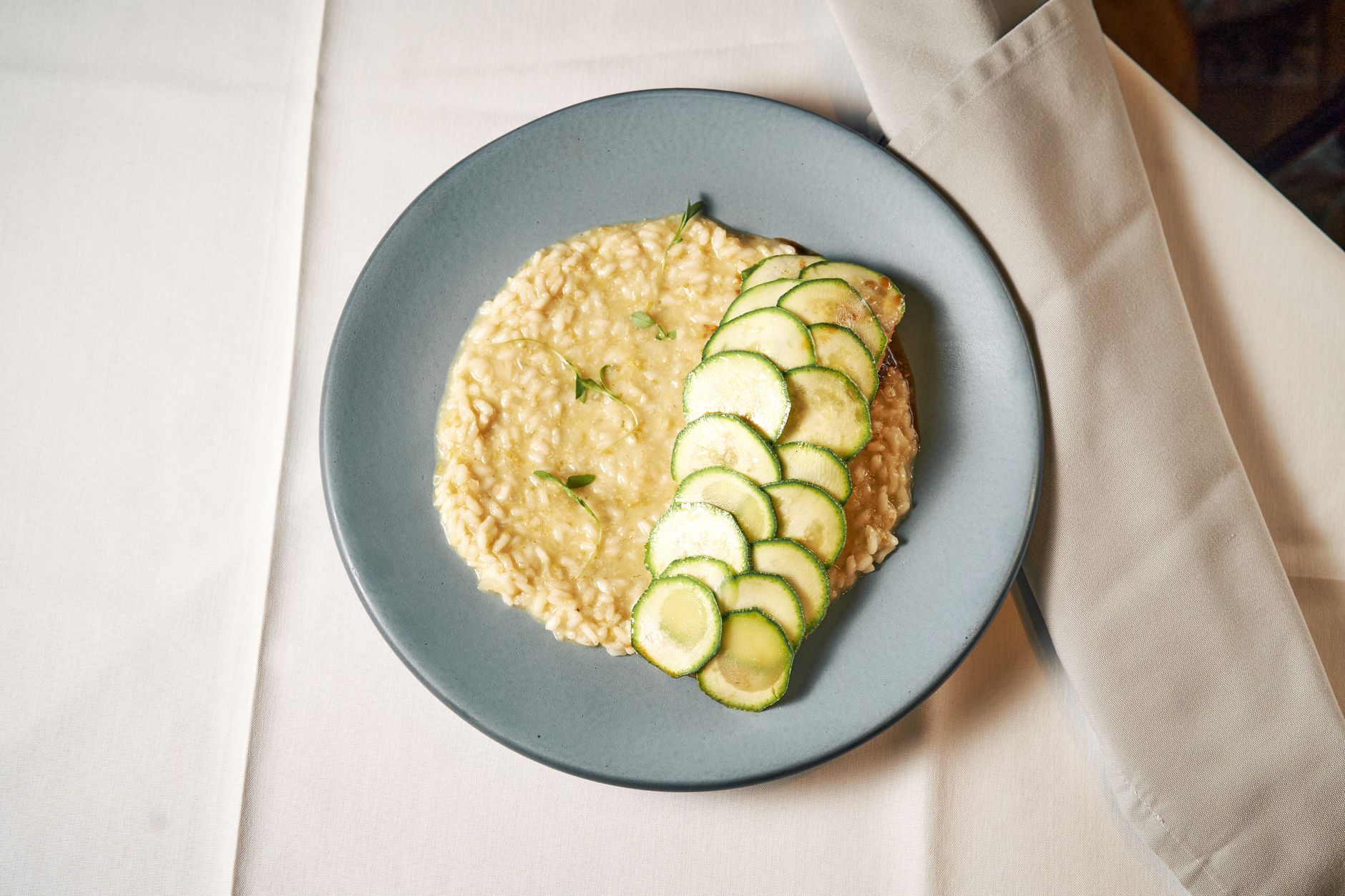
A mushroom risotto and a wide pan of paella need opposite starch behavior. Carnaroli, Vialone Nano, Baldo, sushi rice, and Calrose suit stirred rice dishes, while Bomba and Calasparra work best when you leave the rice mostly undisturbed.
| Dish | Strong Choice | Method Change |
|---|---|---|
| Risotto | Carnaroli or Vialone Nano | Add hot broth gradually and stir frequently. |
| Paella | Bomba or Calasparra | Use a wide pan and stir very little. |
| Arancini | Sushi rice or Calrose | Chill cooked rice fully before shaping. |
| Rice pudding | Short-grain rice | Cook slowly for a soft, thick texture. |
| Soup | Short-grain rice | Add near the end to control thickening. |
| Baked rice dishes | Long-grain or medium-grain rice | Use a covered dish so steam cooks the grains evenly. |
Bomba is a better Arborio rice substitute for paella than for risotto. Its kernels absorb substantial liquid while staying distinct, which supports a socarrat-style crust at the pan bottom; after you spread the rice through the broth, leave it undisturbed.
Sushi rice or Calrose is practical for arancini because cooled starch helps your filling hold together. Chill the cooked rice until firm before shaping, breading, and cooking, since warm rice stays too soft and can split under its coating.
For rice pudding, choose a short-grain rice that softens and thickens the cooking liquid. Avoid Bomba for pudding because it absorbs liquid without becoming creamy, and skip farro because its chewy texture does not suit a soft dessert.
Baked dishes allow more flexibility because a covered oven traps steam around the grains. Stovetop risotto is less forgiving, which is why barley, farro, and orzo deserve a more honest risotto-style label.
Barley, Farro, and Orzo Make Risotto-Style Dishes
Pearled barley makes orzotto, a creamy Italian-style preparation with a hearty chew. Use 3 to 4 cups of broth per cup of barley and allow about 25 to 35 minutes for the kernels to soften.
The sauce comes from barley’s soluble fiber and released starch, but the grain remains firmer than rice. You get a satisfying bowl with mushrooms, roasted squash, or greens, though it is not a true risotto result.
Farro Stays Nutty and Firm
Farro is wheat, and its nutty flavor suits mushrooms, roasted squash, and bitter greens. Pearled farro may finish in 30 minutes, semi-pearled farro can take closer to 40 minutes, and whole farro can reach 45 minutes or more.
Bran layers slow water entry, so broth additions take patience. Keep your heat steady and add more hot liquid when the pan looks dry before the farro is tender; rushing with high heat can leave the outside soft and the center hard.
Orzo Uses Pasta Starch
Orzo looks like a large rice kernel, but it is pasta made from wheat flour. It can become creamy in one pan, yet its sauce comes from pasta starch and its chew differs from rice.
Barley contains gluten, and farro and orzo are wheat products, so none fits cooking that must avoid gluten. Rice varieties contain no gluten by nature, though cross-contact from mills, bulk bins, or restaurant kitchens can matter for your needs.
Grain choice sets the texture, but your method decides whether the final pan is creamy, thin, or sticky.
Method Adjustments Prevent Gummy and Thin Results
Heat, pan width, and stirring pressure affect the result as much as the grain label. Toast dry grains briefly in fat until the edges look translucent, add wine when it belongs in the recipe, then use hot broth in portions that preserve a quiet simmer.
- Use hot broth: Keep broth warm beside the pan because cold liquid interrupts the simmer and slows starch release.
- Watch pan heat: Lower the flame when broth disappears before kernels soften, since high heat evaporates liquid faster than the grain can absorb it.
- Adjust liquid slowly: Add hot broth in small portions near the end because the final cup determines whether your sauce is loose or stiff.
- Match your stirring: Stir Italian rice frequently, sushi rice moderately, Calrose gently, and Bomba very little after it spreads through the pan.
- Check even bubbling: A steady simmer cooks grains more evenly than a hard boil, which can leave rice hard in one area and soft in another.
- Rest before serving: Give the pan about 2 minutes off heat so the starch and fat settle into a glossy finish.
Stirring Changes With Each Grain
Italian rice benefits from frequent stirring because its sturdy grains tolerate friction. Sushi rice and Calrose need a lighter hand, since broken kernels release starch too quickly and can make your sauce gluey.
Bomba needs the least stirring because paella depends on separate grains and direct contact with the pan. Pearled barley and farro need occasional movement to prevent sticking, followed by enough quiet time to absorb broth through their firmer outer layers.
A Final Rest Brings the Sauce Together
Mantecare is the Italian finishing step that combines starch and fat into a unified sauce. Take the pan off heat, rest it briefly, then fold in butter, cheese, or olive oil with a splash of broth.
Risotto should spread slowly across a plate rather than stand in a stiff mound. Do not pour in cream to cover weak starch release; choose a suitable grain, control the broth, and let agitation and resting create the texture you want.
With those adjustments in place, your substitute becomes a deliberate choice instead of an emergency swap.
Final Thoughts
Carnaroli rice gives you the closest traditional risotto, while Vialone Nano and Baldo remain strong Italian options. Sushi rice and Calrose can save a grocery trip, but both need gentler stirring and closer timing because their grains soften faster.
Bomba belongs in paella, where separate grains matter more than creaminess. Pearled barley, farro, and orzo make delicious risotto-style dishes, but their chew and starch behavior create a different finish than rice.
Match starch content, grain shape, broth absorption, and cooking method to your meal. That simple decision gives you a creamy pan when the dish calls for risotto and a better result when it does not.
FAQ
What is the best substitute for Arborio rice in risotto?
In a simmering pot, Carnaroli releases starch into broth while retaining a firm center, making it the best risotto alternative. Use your recipe’s dry rice amount at a 1:1 ratio, keep broth hot, and allow about 18 to 22 minutes for the grains to soften.
Can sushi rice be used instead of Arborio rice?
With its short grains, sushi rice releases starch and produces a thick sauce in place of Arborio. Your risotto will be softer and stickier than one made with Carnaroli, so stir moderately and stop cooking while individual kernels still hold their shape.
Is Carnaroli rice better than Arborio rice for risotto?
During steady stirring, Carnaroli keeps a firmer center and holds its shape longer than Arborio. Both make creamy risotto, but Carnaroli is a stronger choice when you want distinct grains with a glossy sauce after 18 to 22 minutes.
Can I make risotto with regular long-grain rice?
A pot of regular long-grain rice can make a brothy rice dish, but it releases too little starch for classic risotto. Your grains will stay more separate, and the surrounding liquid will remain thinner unless you change the dish into a soup, casserole, or baked rice recipe.
What non-rice substitutes work in a creamy risotto-style dish?
Pearled barley, farro, and orzo can make creamy risotto-style dishes. Use 3 to 4 cups of broth per cup of pearled barley for 25 to 35 minutes, expect farro to take 30 to 45 minutes, and remember that orzo is pasta rather than rice.
How do cooking times and liquid amounts change when using an Arborio rice substitute?
Carnaroli and Baldo usually need 3 to 4 cups of broth per cup of rice and cook in 18 to 22 minutes. Vialone Nano can finish in 16 to 18 minutes, while sushi rice and Calrose may need up to 4 1/2 cups of broth depending on your pan and simmer.
