

Red 40, Yellow 5, Yellow 6, and Blue 1 are synthetic food dyes that do not come from animals, so they typically meet an ingredient-based vegan standard. Carmine and cochineal extract are the key exceptions because they come from insects.
You’ll find the label terms, finished-product traps, FDA rules, and animal-testing choices that matter before you buy food, cosmetics, baking colors, or household goods.
Synthetic Dyes Usually Fit Ingredient-Based Vegan Standards
That insect exception matters because most bright package colors are not insect-derived. Synthetic food dyes, also called FD&C colors or certified color additives, are manufactured through chemical processes rather than taken from meat, milk, eggs, fish, or insects.
Color Chemistry Does Not Determine Animal Use
A neon-blue drink can look artificial without containing animal ingredients. FD&C Red No. 40, FD&C Yellow No. 5, FD&C Yellow No. 6, and FD&C Blue No. 1 are synthetic dyes that create color by absorbing some visible wavelengths and reflecting others.
Red 40 reflects red wavelengths after absorbing portions of blue-green light. That mechanism explains the shade, but it does not make the dye animal-derived. Under a source-based vegan standard, these synthetic dyes generally fit your diet.
Your answer may change under a separate cruelty-free standard. A dye can be vegan by ingredient source while a company’s supplier policy, regulatory testing history, or current animal-testing practices still fall outside your ethical line.
Ingredient Source and Animal Testing Require Separate Checks
The clearest way to assess a colored product is to keep two decisions separate. One decision covers what the dye is made from. The other covers whether the manufacturer’s practices meet your standards.
- Check the source. Look for insect-derived colors, dairy, gelatin, shellac, beeswax, and animal-based coatings beside the listed dye.
- Check the policy. Review the maker’s current animal-testing statement before treating a synthetic dye as cruelty-free for your purposes.
- Check the market. Compare the exact package in your hand because formulas can differ between the United States, Canada, the United Kingdom, and other markets.
- Check the date. Read the current ingredient panel because a reformulation can change a color source without changing familiar packaging.
A synthetic dye can pass the first check and fail the second. That distinction becomes most useful with red products, where a natural-looking ingredient name can hide an insect source.
That uncertainty matters most when red shades come from insects rather than laboratory-made colorants.
Insect-Derived Reds Are Not Vegan
That source check becomes decisive with pink and red products. Carmine, cochineal, cochineal extract, carmines, and carminic acid come from cochineal insects, so they do not fit a vegan diet.
Carmine Comes From Cochineal Insects
Cochineal insects contain carminic acid, a red pigment used as a chemical defense. Producers collect and process the insects to make colorants used in yogurt, fruit drinks, candy, lipstick, and pink bakery decorations.
A named insect source makes the decision straightforward. You should avoid carmine whether it appears in strawberry yogurt, a fruit beverage, a red lip stain, or a frosting with a pale pink finish.
Ingredient panels can use five common names: carmine, cochineal, cochineal extract, carminic acid, and carmines. A package with fruit artwork may still contain one of those terms, even where the front label says it has no artificial colors.
A “no artificial colors” claim does not mean a product is vegan. The product may use carmine, cochineal, gelatin, dairy, or another animal-derived ingredient instead.
Synthetic Red Dyes Are Different Ingredients
FD&C Red No. 40 is a synthetic dye, not carmine. The word “red” tells you the shade, not the raw material, so color alone cannot answer whether a product fits your vegan standard.
| Label term | Source category | Ingredient-based vegan status |
|---|---|---|
| Red 40 or FD&C Red No. 40 | Synthetic certified color additive | Generally vegan by ingredient source |
| Carmine | Cochineal insects | Not vegan |
| Cochineal extract | Cochineal insects | Not vegan |
| Carminic acid | Insect pigment | Not vegan |
The red distinction shows why a dye-by-dye review works better than judging an entire color category. Next, the wording required on U.S. labels gives you a practical way to spot these ingredients.
Fortunately, required ingredient wording can reveal whether a red colorant comes from an insect source.
U.S. Food Labels Identify Certified Colors and Carmine
That dye-by-dye approach works because U.S. labels use recognizable color terms. The FDA permits certified color additives to appear by names such as Red 40, Yellow 5, Yellow 6, and Blue 1, while carmine and cochineal extract must be declared by name in foods.
Common FD&C Colors Are Synthetic
Red 40, Yellow 5, Yellow 6, Blue 1, Blue 2, and Green 3 are familiar U.S. certified colors. Each is a synthetic color additive, so the dye itself generally fits an ingredient-source vegan standard.
| Ingredient list wording | Full FD&C name | Source type | Ingredient-based vegan status |
|---|---|---|---|
| Red 40 | FD&C Red No. 40 | Synthetic food dye | Generally vegan |
| Yellow 5 | FD&C Yellow No. 5 | Synthetic food dye | Generally vegan |
| Yellow 6 | FD&C Yellow No. 6 | Synthetic food dye | Generally vegan |
| Blue 1 | FD&C Blue No. 1 | Synthetic food dye | Generally vegan |
| Blue 2 | FD&C Blue No. 2 | Synthetic food dye | Generally vegan |
| Green 3 | FD&C Green No. 3 | Synthetic food dye | Generally vegan |
Yellow 5 is also called tartrazine, and Yellow 6 is also called sunset yellow. Imported foods may use those longer names rather than the abbreviated U.S. number format, so you may need to recognize both versions.
Yes, because it is synthetic and not animal-derived. The same source-based answer applies, provided your full product review finds no animal ingredients elsewhere.
Carmine Has a Specific U.S. Labeling Rule
Food labels give you a useful warning sign for insect colors. Carmine and cochineal extract cannot appear only under vague wording such as “artificial color” or “color added” on U.S. food labels.
That requirement makes grocery shopping easier, but cosmetics use a different system. A lipstick may list CI 75470, a Color Index number associated with carmine, instead of the familiar food-label term.
Your cosmetics check should include both plain-language names and CI numbers. Once a label uses “natural color” without naming the source, the answer becomes less certain.
Yet vague natural-color wording leaves the underlying source unclear and calls for closer verification.
Natural Food Colors Need Source Verification
That uncertainty matters because natural food colors are not automatically vegan. “Natural color” can describe a plant pigment, a mineral color, or an insect-derived ingredient such as carmine.
Plant Pigments Can Be Vegan
Beet juice can create pink or red shades in frosting and drinks. Turmeric and paprika provide yellow to orange tones, while spirulina can produce blue-green color in candies, powders, and baking decorations.
Anthocyanins in beet and berry concentrates react to pH. A more acidic mixture can shift a pigment toward red, while a less acidic mixture may move it toward purple or blue.
You may see that shift in homemade frosting after lemon juice, baking soda, or another acidic or alkaline ingredient changes the mixture. Plant colors can fit your standards, but their stability and shade are not always the same as synthetic FD&C colors.
TruColor and other vegan food coloring brands may offer plant-based or synthetic options that fit an ingredient-based diet. A gel, powder, and liquid color from the same brand can still use different carriers, so each product needs its own label review.
Carriers Can Change the Vegan Result
A plant pigment is only one part of the formula. Color blends can include glycerin, sugar, starch, oil, alcohol, emulsifiers, processing aids, or a coating that changes the finished product’s vegan status.
“Natural color” and “color added” require follow-up when no source appears nearby. Ask the manufacturer to confirm the exact colorant, its carrier ingredients, and any processing aids used in your product.
Cosmetics and imported foods deserve extra care because ingredient disclosure systems differ. A green lip balm may contain chlorophyll, spirulina, chromium oxide greens, or an unnamed blend that cannot be verified from package marketing alone.
Source verification handles the ingredient question, but it does not answer concerns about testing. Those standards deserve their own review rather than being folded into the word vegan.
Ingredients alone do not settle every ethical concern, particularly when testing practices shape purchasing decisions.
Animal-Testing Standards Can Lead to a Different Choice
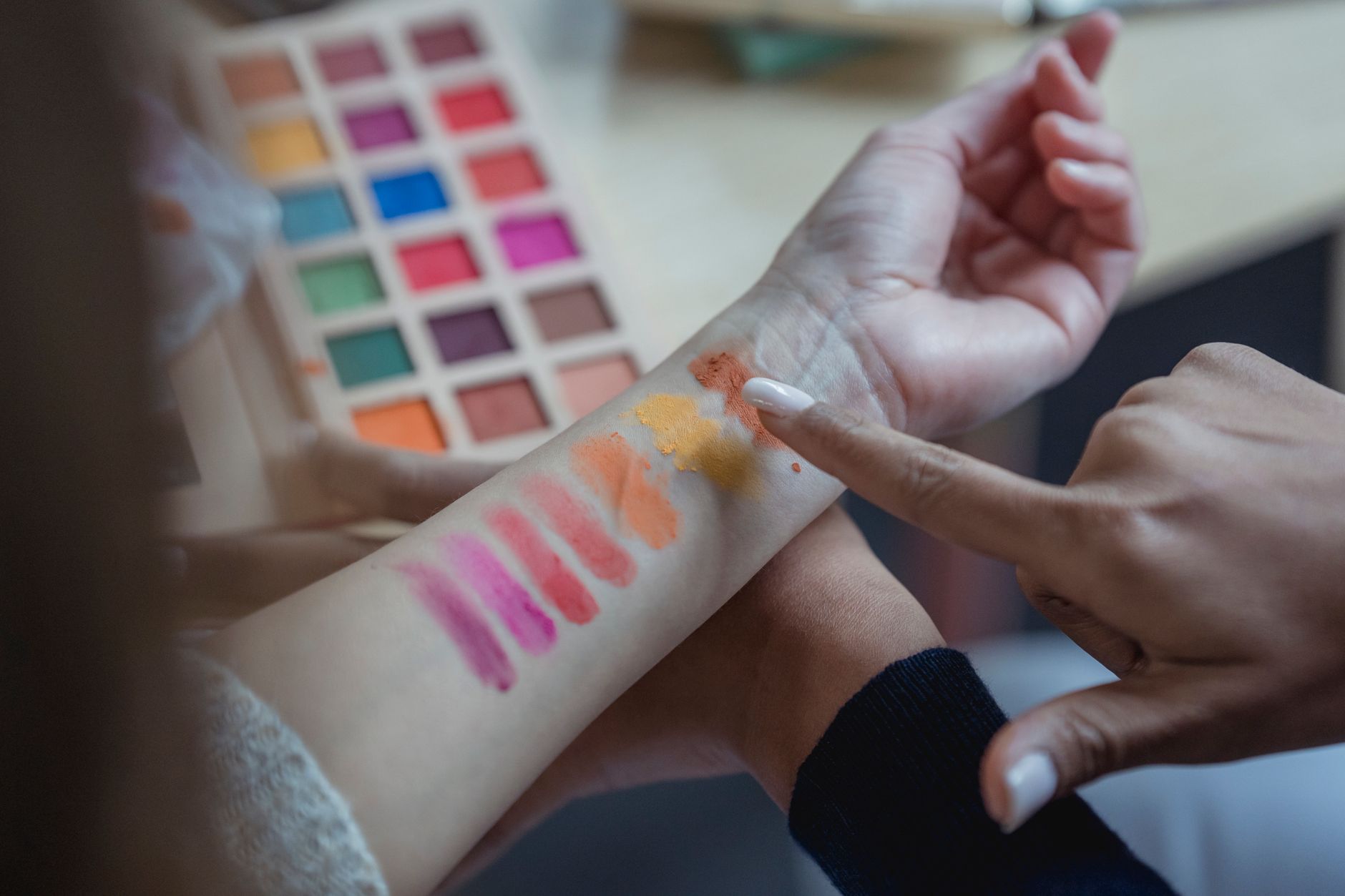
That separate review matters because a synthetic dye can contain no animal material and still conflict with your ethics. Some synthetic food dyes have histories of animal testing connected to toxicology files and regulatory safety reviews.
Historical Testing and Current Brand Conduct Differ
Color additives need a regulatory basis before use in food. Safety records for some dyes include animal data, but that history does not show whether a specific candy, cosmetic, or food-coloring company currently commissions new tests.
Your standard may exclude ingredients linked to any historical animal research. Or your standard may focus on present-day company conduct, supplier requirements, and whether new animal testing is required for a market.
Neither choice changes what Red 40 or Blue 1 is made from. It changes whether the finished product fits your personal cruelty-free standard. That distinction aligns with the FDA’s role in regulating color additives rather than setting individual ethical purchasing rules.
Company Policies Need Specific Scope
A broad “not tested on animals” claim can leave major gaps. It may apply only to the finished product and say nothing about raw materials, suppliers, parent companies, or regulatory submissions.
- Finished product coverage. Confirm whether the policy covers the item sold to you, not only a single ingredient or product line.
- Supplier requirements. Check whether color suppliers and other raw-material vendors are included in the stated policy.
- Regulatory testing. Ask whether the company sells where authorities can require animal tests for market access.
- Parent company role. Review whether a parent company’s practices matter under your own standard.
- Current policy date. Use a policy that is active now rather than an undated social-media statement or old retailer copy.
A policy review can clarify your ethical choice, but it cannot make a dairy-filled candy vegan. The full formula remains the next place to look.
Even a strong testing policy cannot outweigh animal-derived ingredients elsewhere in the finished product.
Finished Products Can Be Non-Vegan Despite Vegan Dyes
That full-formula check prevents a common mistake. A blue candy shell may contain Blue 1 while its center contains milk powder, gelatin, honey, or a non-vegan flavor system.
Food and Cosmetic Bases Can Contain Animal Ingredients
Candy can include gelatin, milk, whey, honey, shellac, or confectioner’s glaze. Shellac comes from lac insects and gives some candy and produce coatings a polished surface.
Baked goods may contain egg wash, butter, milk solids, or casein. Capsules may use gelatin shells even where the powder inside is plant-based, and drinks can contain dairy or honey without any clue from the color name.
- Candy coatings. Scan for shellac, confectioner’s glaze, beeswax, gelatin, and dairy before relying on the color list.
- Frozen desserts. Check for milk, cream, whey, egg yolk, and carmine in pink or red varieties.
- Baked decorations. Review frosting, sprinkles, fondant, and gel colors separately from the cake or cookie.
- Capsule shells. Identify gelatin or other animal-based shell materials before focusing on an added dye.
- Cosmetic bases. Look for beeswax, lanolin, silk-derived ingredients, and carmine beside the listed color additives.
Brand Names Do Not Replace Package Checks
U.S. Skittles formulas can fit an ingredient-based vegan diet according to their listed ingredients, including color additives. A package sold in another country can use a different formula, so the package in your hand is stronger evidence than a broad brand claim.
Chick-fil-A fries fit a vegan diet according to their listed ingredients, though shared-fryer practices may matter to you. That is a cross-contact decision, not evidence that the fries contain animal-derived colorants.
McCormick and Watkins food colorings also require item-level checks. A four-color liquid set, a neon gel set, and a specialty decorating product may not share the same ingredient panel or carrier system.
Once you know the full formula matters, a short routine can keep label reading consistent across foods, cosmetics, and household goods.
Because every component matters, a repeatable checklist helps turn scattered label details into confident decisions.
A Five-Part Verification Routine Reduces Guesswork
That package-level approach can take about 30 seconds at the shelf. Start with the precise ingredient panel, move from the listed colorant to the full formula, and then review the manufacturer’s stated practices where they matter to you.
Label Reading Works Best in a Fixed Order
- Find every color. Locate numbered dyes, FD&C names, CI numbers, “natural color,” and “color added” on the label.
- Reject insect reds. Put back products listing carmine, cochineal, cochineal extract, carmines, or carminic acid.
- Flag vague terms. Contact the maker before relying on “natural color” or “color added,” especially for cosmetics and imported goods.
- Scan the formula. Look for gelatin, dairy, egg, honey, shellac, beeswax, and animal-derived flavor systems.
- Review company practices. Match the manufacturer’s animal-testing policy with the ethical standard you use for purchases.
Formulas change for supply, cost, color strength, and regional rules. Verify the exact product name, package size, country of purchase, and current ingredient panel before relying on an old answer about how to tell if food coloring is vegan.
Manufacturer Questions Can Fill Label Gaps
Customer-service teams can clarify details that labels leave out. Include a lot code or package photo because it helps identify the exact formula sold in your region.
You can ask: “Please confirm the precise source of each color additive, any carriers or processing aids, the formulation for my region, shared-facility details where relevant, and your current animal-testing policy.”
Household goods can require the same logic. Toilet paper is made from paper pulp rather than animal ingredients, but scented or treated rolls may still need a check for lotions, additives, sourcing practices, or animal-testing policies that affect your choice.
Your final decision rests on three facts: the named colorant, the rest of the formula, and the ethical boundary you set. Those same points resolve the most common label questions.
Together, those checks provide a straightforward way to answer the label questions consumers encounter most often.
Bottom Line
Synthetic dyes such as Red 40, Yellow 5, Yellow 6, Blue 1, Blue 2, and Green 3 generally fit an ingredient-based vegan diet. Carmine, cochineal, cochineal extract, carmines, and carminic acid do not because they come from insects.
You’ll get the most reliable result by reading beyond the color line. Check vague natural-color claims, inspect coatings and carriers, and compare the maker’s animal-testing policy with your own standards before deciding.
FAQ
Those three checks answer most package questions without treating every synthetic dye as the same. The details below address the specific terms you are most likely to see on food, cosmetic, and baking-color labels.
Are artificial colors vegan?
Synthetic dyes such as Red 40, Yellow 5, Yellow 6, and Blue 1 generally meet an ingredient-based vegan standard because they do not come from animals. You should still check the full formula for gelatin, dairy, honey, shellac, carmine, and other non-vegan ingredients.
Are FD&C food dyes tested on animals or made from animal ingredients?
FD&C colors such as Red 40, Yellow 5, Yellow 6, and Blue 1 are synthetic and generally do not contain animal-derived ingredients. Some color-additive safety records include historical animal data, so your cruelty-free standard may lead you to review the manufacturer’s current testing and supplier policy separately.
Which food colorings are not vegan?
Carmine, cochineal, cochineal extract, carmines, and carminic acid are not vegan because they come from cochineal insects. You may also need to avoid a food-coloring blend with non-vegan carriers, gelatin-based formats, or an animal-testing policy that does not fit your standards.
Is Red 40 vegan?
FD&C Red No. 40 is a synthetic color additive and generally fits your ingredient-based vegan standard because it does not contain animal-derived ingredients. Your final choice can still depend on the full product formula and whether the manufacturer’s animal-testing policy meets your ethical requirements.
Is Yellow 5 vegan?
FD&C Yellow No. 5, also called tartrazine, is a synthetic dye that generally fits your ingredient-based vegan diet. Check the rest of your product for gelatin, dairy, honey, shellac, or other animal ingredients, then review company practices if animal testing matters to you.
Is carmine vegan, and what is it made from?
Cochineal insects are the source of carmine, making this red colorant unsuitable for vegans. The insects contain carminic acid, a red pigment that manufacturers process for products such as yogurt, candy, drinks, lipstick, and pink bakery decorations.
