

Yellow, daisy-like blooms from European mountains appear in topical gels, creams, and ointments, oral herbal extracts, and highly diluted homeopathic products. You should separate these forms before using them: topical extract may irritate skin, while concentrated oral extract can be toxic and homeopathic pellets have limited evidence.
Below, you can compare labels, evidence for bruising and muscle soreness, and red flags that warrant clinical care, whether you are considering a cream, pellet, or supplement.
Plant Form Determines the Main Risk
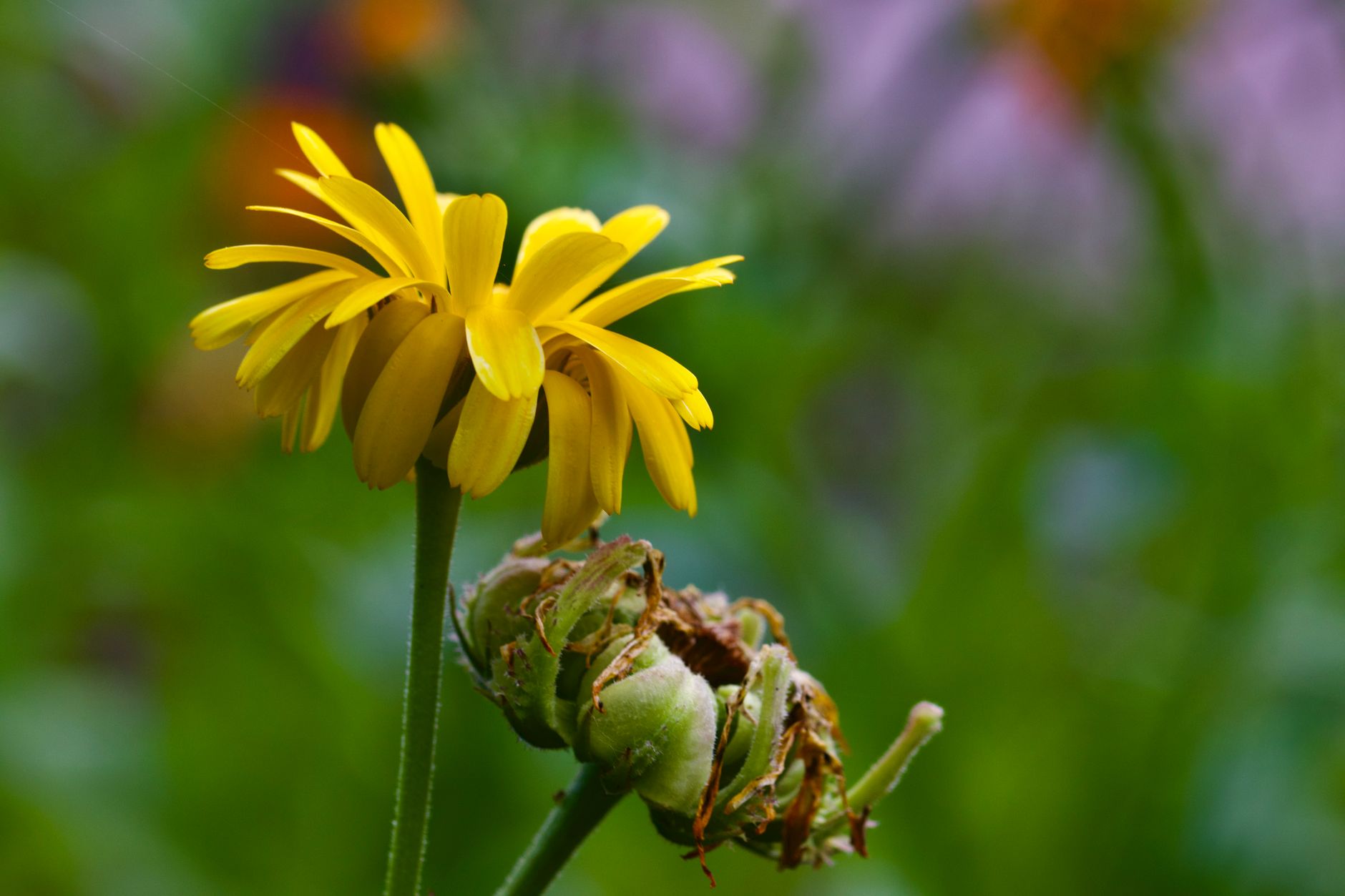
That label distinction starts with the plant itself. Arnica montana is a flowering perennial in the Asteraceae family, which also includes daisies, sunflowers, marigolds, and chrysanthemums. Its yellow flower heads are used in creams, gels, ointments, tinctures, supplements, and homeopathic preparations.
Traditional use does not make every preparation interchangeable. A topical gel leaves plant compounds on your skin, while an oral tincture sends concentrated compounds through the digestive system and bloodstream. The route changes both the likely effect and the safety concern.
Plant Chemicals Can Irritate Skin
Helenalin is a sesquiterpene lactone found in arnica flowers. In cell studies, helenalin affects NF-kB signaling, a pathway involved in inflammatory gene activity. That chemical reactivity helps explain why a botanical preparation may trigger burning, itching, or allergic contact dermatitis on your skin.
Product concentration matters. Extract strength, the cream or gel base, the amount applied, and the condition of your skin can all change the result. A flower name on the package does not guarantee that two products expose you to the same amount of active plant material.
Product Categories Create Different Exposure
| Product category | What the label may show | What reaches your body |
|---|---|---|
| Topical herbal product | Arnica flower extract, cream, gel, or ointment | Plant compounds contact intact skin at the application site. |
| Oral herbal product | Tincture, extract, capsule, or supplement | Concentrated plant material enters the digestive system and bloodstream. |
| Homeopathic product | 6C, 30C, 200C, tablet, or pellet | High dilutions contain little or no measurable original plant material. |
A tube marked “arnica gel” and a bottle marked “arnica tincture” may sit inches apart, yet they require very different caution. Rubbing a labeled topical gel onto unbroken skin after a minor bump is not equivalent to swallowing a non-homeopathic liquid extract. Your first job is identifying the route before weighing any claim.
Once the product form is clear, the next practical issue is whether the promised result holds up beyond the front label.
Clinical Evidence Supports Modest Expectations
Because exposure varies by product, results vary as well. Claims for bruises, sprains, sore muscles, puffiness, and joint pain may sound settled, but studies use different extract strengths, comparison products, injury types, and outcome timing. A favorable result from one formula does not prove that your cream will perform the same way.
Bruising and Swelling Have Mixed Findings
Bruising occurs when small blood vessels break and blood leaks beneath the skin. Swelling involves fluid movement and inflammatory activity. Topical arnica is marketed for both concerns, yet clinical findings remain inconsistent across small trials and product formulas.
| Claimed situation | Evidence picture | Practical meaning for you |
|---|---|---|
| Minor bruising | Mixed findings across formulas and study settings | Do not expect a predictable change in bruise color or duration. |
| Localized swelling | Limited, inconsistent findings | Rapidly spreading swelling needs medical review rather than repeated application. |
| Exercise soreness | Small studies report conflicting results | It is not a proven recovery tool after hard training. |
| Osteoarthritis pain | Some topical formulas show limited short-term symptom findings | It does not repair joint damage or replace clinical care. |
| Post-procedure puffiness | Findings vary by procedure and product | Follow your surgeon’s instructions rather than adding a product independently. |
Some small trials report short-term changes in discoloration or discomfort, while others find little difference from a comparison product. Your bruise may still fade on its normal timeline, which makes a visible change difficult to credit to a single cream. Serious bruising after a fall, procedure, or unexplained bleeding needs an assessment instead of a stronger application schedule.
Muscle and Joint Claims Need Limits
Delayed-onset muscle soreness usually peaks about 24 to 72 hours after unfamiliar exercise. Microdamage and an inflammatory response contribute to that soreness, but small arnica studies have produced mixed results. Rest, gradual training progression, and an injury evaluation fit your recovery plan better than relying on a tube alone.
For osteoarthritis, a few topical formulas have shown possible short-term symptom relief in limited research. That does not show that the product repairs cartilage, changes the course of arthritis, or speeds recovery from a sprain. Cautious discussion of variable human evidence and product forms also appears in information from Memorial Sloan Kettering Cancer Center.
Visible bruising after a procedure, a fall, or an impact may mask a deeper problem. A clinician’s aftercare instructions take priority over a topical product claim.
Mixed findings do not make every topical product unsuitable, but they set a clear limit on what you should expect. Safe use depends on the condition of your skin and the seriousness of the injury.
Topical Products Require Intact Skin
With benefits uncertain, avoiding preventable skin exposure becomes the practical priority. Creams, gels, and ointments place plant compounds on the surface, but cuts, abrasions, surgical sites, and inflamed skin create a more direct route into tissue. Your skin barrier is part of the safety plan.
Package Directions Set the Starting Point
- Read the route: Check that the package states topical use before the product touches your skin.
- Choose intact skin: Keep the product away from cuts, scrapes, infected areas, and fresh surgical incisions.
- Start with less: Apply a small amount to a limited area so a reaction is easier for you to spot.
- Wash your hands: Remove residue before touching your eyes, lips, or contact lenses.
- Stop at irritation: End use after burning, itching, redness, blistering, or a spreading rash.
Topical arnica cream does not belong near the eyes, mouth, genitals, or other mucous membranes. A child with a scraped knee needs routine wound-care guidance rather than an herbal gel on broken skin. Covering the area with a tight bandage may increase contact time and irritation.
Injury Red Flags Need Medical Care
Severe pain, numbness, inability to bear weight, a visibly misshapen joint, or a bruise that expands over hours can signal more than a minor injury. Clinical evaluation is the next step in those situations. A suspected fracture needs imaging and stabilization, not a topical rub.
Warmth, pus, fever, red streaks, or worsening tenderness raise concern for infection. Seek care for those signs, symptoms that do not improve, or unusual bruising without a clear injury. These boundaries also explain why homeopathic pellets should not be treated as the same product as an herbal gel.
Homeopathic Pellets Contain a Different Type of Preparation
Because the plant name appears on both labels, confusion is common. A tiny pellet marked 30C is not a concentrated dose of the mountain flower. Homeopathy uses serial dilution and shaking steps, called succussion, while the number and letter describe the dilution pattern.
Potency Codes Describe Dilution
In the homeopathic C scale, each step uses a 1-to-100 dilution. A 6C product has undergone six dilution steps, while 30C and 200C indicate many more repeated dilutions. Higher numbers mean greater dilution, not a stronger herbal dose.
Beyond about 12C, the arithmetic passes Avogadro’s limit, where a sample is unlikely to contain even one molecule from the starting substance. Homeopathic arnica 30C and 200C should not be read as stronger herbal arnica. Your label is describing a homeopathic dilution system, not conventional pharmacology.
Exposure and Evidence Move Separately
| Form | Route and exposure | Evidence and main concern |
|---|---|---|
| Herbal cream or gel | Applied to intact skin and contains plant extract | Mixed symptom findings; contact dermatitis is the main concern. |
| Herbal tincture or supplement | Swallowed and contains concentrated plant exposure | Not suitable for self-administration; toxicity may be serious. |
| Homeopathic pellet or tablet | Swallowed; high-potency products contain minimal plant material | Reliable evidence has not shown benefit beyond placebo for pain, bruising, or swelling. |
Homeopathic pellets are unlikely to cause the same plant-compound toxicity as an oral herbal extract because exposure is so low. That low exposure does not make pellets a substitute for diagnosis, fracture care, or post-procedure instructions. A pellet taken after hard exercise should not delay care for a torn tendon, severe swelling, or chest symptoms.
At the other end of the scale, concentrated oral products create the clearest safety concern. Oral use deserves a more direct warning than a topical trial.
Oral Herbal Arnica Can Cause Serious Toxicity
Once concentrated plant material is swallowed, risk rises sharply. Tinctures, extracts, capsules, and non-homeopathic supplements may deliver biologically active compounds into your body. Nausea and vomiting may be early signs of poisoning, not proof that the product is working.
Significant Ingestion Can Affect Several Systems
Large oral exposure has been linked with abdominal pain, dizziness, blood-pressure changes, irregular heartbeat, neurologic symptoms, and serious cardiovascular effects. Liver toxicity is also a concern worth taking seriously, even though limited liver injury data do not establish a safe oral dose. That cautious approach aligns with LiverTox, a National Library of Medicine resource that reviews medication and supplement liver concerns.
Cardiac rhythm changes are especially concerning because they may progress without a dramatic warning. Do not wait for symptoms to pass after a substantial ingestion. Poison Control can give product-specific guidance using the label, amount, timing, age, and current symptoms you provide.
Higher-Risk Situations Need Clinician Input
- Warfarin use: Ask your prescriber before use because bleeding concerns matter with warfarin and other anticoagulants.
- Other blood thinners: Seek advice for antiplatelet medicines or any prescription that changes clotting.
- Bleeding disorders: Unusual bruising already warrants medical guidance rather than self-directed products.
- Upcoming surgery: Tell your surgical team about every herbal or homeopathic product in your routine.
- Pregnancy or nursing: Get individualized clinical advice before use during pregnancy or breastfeeding.
- Child use: Contact a pediatric clinician before giving any arnica product to a child.
Arnica drug interactions are difficult to predict from a front-label claim alone. Your medication list, medical history, and planned procedures may reveal risks that the package does not explain. Allergy concerns add another reason to look beyond the word “natural.”
Allergy and Medication Risks Need Careful Attention
After oral safety concerns, skin reactions are the next major issue. Redness spreading beyond the application spot is more than a minor inconvenience. Allergic contact dermatitis can cause itching, burning, swelling, blisters, or an eczema-like rash after repeated contact.
Asteraceae Allergies Raise Skin-Reaction Risk
Ragweed and Asteraceae allergy can signal a higher chance of reacting to related plants, including chrysanthemums, marigolds, daisies, and sunflowers. The connection is not absolute, but it gives you a reason to avoid casual experimentation with an arnica salve. Helenalin and related compounds may sensitize susceptible skin.
Remove the product with mild soap and water after a reaction, then stop further applications. Facial swelling, trouble breathing, fainting, or widespread blistering calls for urgent medical care. A small itchy patch can become a larger inflammatory rash through repeated contact.
Interaction Evidence Has Important Limits
Evidence for interactions from properly used topical products is sparse, partly because skin absorption changes with the formula and skin condition. Oral exposure creates far greater concern, especially with warfarin, anticoagulants, or antiplatelet medicines. A pharmacist or prescribing clinician can compare your exact product with your medication list.
Do not use “natural” as a safety shortcut. A plant extract may irritate skin, affect clotting concerns, or cause poisoning after oral ingestion.
Allergy history, medicines, and product route point to the most useful practical skill: reading the full label before use. Several small label details can prevent a major category mistake.
Label Details Help You Choose More Safely
Before trying a product, inspect the route and ingredient panel instead of relying on a large front-label claim. “Topical use only,” “arnica flower extract,” a 30C potency code, and a Supplement Facts panel indicate very different products. Your decision should follow the route, not the shared plant name.
Label Language Separates the Categories
- Find the ingredient: “Arnica flower extract” signals an herbal preparation rather than a high-dilution pellet.
- Check the route: “For external use” means the product belongs on intact skin only.
- Spot potency codes: Labels such as 6C, 30C, and 200C identify homeopathic dilution.
- Review warning text: Avoid oral herbal formats promoted for pain, swelling, or discoloration.
- Save the package: Keep the container nearby should Poison Control need ingredient details.
FDA homeopathic drug regulation does not mean that every claim has been proven effective for a specific condition. Homeopathic products face the same legal requirements as other drugs, but they do not undergo the same premarket review as conventional treatments for safety and effectiveness. That distinction is stated in FDA information on homeopathic products.
Serious Reactions Need a Direct Response
Stop using the product after accidental oral ingestion, a severe rash, or any unexpected symptom. For ingestion guidance in the United States, contact Poison Control at 1-800-222-1222. Keep the container nearby so you can report the product name, ingredients, and amount involved.
Seek urgent care for trouble breathing, facial swelling, fainting, chest symptoms, seizures, severe vomiting, or an irregular heartbeat. These steps give you a safer way to respond before a minor concern becomes an emergency.
Final Thoughts
The safest approach is treating the label as a clinical clue. A topical herbal gel on intact skin, an oral extract, and a 200C pellet belong in different safety categories, even though each may carry the same flower name. Your symptoms also set the limit: unexplained bruising, severe injury signs, infection, and serious reactions call for medical care rather than more product.
Arnica uses and benefits are most often discussed for bruising, muscle soreness, swelling, and osteoarthritis discomfort. Still, mixed evidence means you should keep expectations modest, avoid oral herbal exposure, and use topical products only as directed on intact skin.
FAQ
What is Arnica montana, and is it an herb or a homeopathic remedy?
The daisy family includes this flowering herb, which has long been used in herbal and homeopathic preparations. Herbal products contain flower extract in forms such as gels, creams, ointments, tinctures, and supplements, while homeopathic products use repeated dilution steps such as 6C, 30C, or 200C. Your label determines which type you have and what safety concerns apply.
What is Arnica montana used for?
It products are marketed for bruising, sprains, muscle soreness, localized swelling, and joint discomfort. Topical herbal forms are the main format used on intact skin, while homeopathic pellets are sold for similar claims. Your product type matters because evidence and safety differ sharply between topical extract, oral extract, and homeopathic dilution.
Does arnica actually help bruising, pain, or swelling?
Clinical findings for topical arnica are mixed, and results vary by formula, condition, and study design. Some small studies suggest short-term symptom changes in selected settings, while others do not show a meaningful difference. You should not rely on it to speed injury recovery, resolve severe swelling, or replace an examination.
Is Arnica montana safe to take by mouth?
Concentrated oral herbal arnica, including tinctures, extracts, and non-homeopathic supplements, can be toxic and should not be self-administered. Significant oral exposure can cause digestive, cardiovascular, and neurologic symptoms. Highly diluted homeopathic pellets carry far less plant exposure, but your clinician should guide product choices during pregnancy, nursing, childhood, or medication use.
What is the difference between topical arnica and homeopathic arnica?
Topical herbal arnica contains plant extract and is placed on intact skin, where contact dermatitis is the key concern. Homeopathic tablets and pellets use repeated dilution, such as 30C or 200C, and may contain little original material. You should not treat a homeopathic potency label as proof of a stronger herbal dose.
What do 6C, 30C, and 200C mean on homeopathic arnica products?
These labels describe repeated 1-to-100 dilution steps in homeopathy. A 30C product has undergone more dilution steps than 6C, and 200C has undergone more still. Higher numbers mean greater dilution rather than more herbal extract. Your label is describing the preparation method, not a conventional dose or concentration.
