

Ashitaba is an edible Japanese coastal herb, Angelica keiskei, valued as a bitter green but sold in concentrated forms that have limited human evidence. Its cut stems can release yellow sap containing chalcones, yet that visual clue cannot confirm a plant’s identity or safety.
Here, you can compare food uses, research claims, supplements, safety concerns, and practical growing advice before deciding whether this unusual green fits your kitchen or garden.
Japanese Food Tradition Explains the Plant’s Appeal
Its edible history comes before its wellness reputation. Ashitaba belongs to the Apiaceae family, which includes carrots, parsley, celery, fennel, and several toxic look-alikes, so correct identification matters before you bring any similar plant into your kitchen.
Botanists identify the species as Angelica keiskei. The plant has thick hollow stems, broad toothed leaves, and a celery-like form, but those traits overlap with other angelicas and are not enough for safe foraging.
Island Origins and Local Use
Moist coastal conditions support the plant’s vigorous growth. Its strongest cultural ties are to Japan’s Izu Islands, especially the Japanese island of Hachijo-jima, where young leaves and stems have long been used as food.
You may see claims that the name refers to leaves returning “tomorrow” after harvest. The plant can regrow after careful cutting, but your harvest still depends on moisture, mild temperatures, and leaving enough foliage for recovery.
Traditional Japanese medicine and food culture both recognize the herb, though those roles are not interchangeable with proven treatment. That distinction becomes clearer once you separate the fresh vegetable from extracts and powders.
Yellow Sap Is a Clue, Not Identification
Freshly cut stems can ooze yellow latex-like sap. Chalcones, including xanthoangelol and 4-hydroxyderricin, contribute to that color, but sap alone cannot tell you that a plant is safe to eat.
Never forage an unidentified angelica. A hollow stem, toothed leaf, or yellow sap does not establish that a plant is edible.
Several Apiaceae species resemble cultivated angelicas, and some contain harmful compounds. Your safest choice is verified seed, a reputable nursery plant, or clearly labeled produce rather than a roadside or woodland look-alike.
That identification issue carries directly into cooking and supplement shopping, where plant parts and concentration make a major difference.
Those differences shape what reaches the plate or bottle, and what evidence can reasonably support.
Food Forms Deliver Flavor Rather Than Proven Treatment
Fresh leaves taste bitter, grassy, and celery-like, with a mustard-green edge in mature foliage. Younger leaves are usually more tender, while older stems can become fibrous and need blanching, sauteing, or frying.
You can treat the greens much like strong parsley or celery leaves. Brief heat softens bitterness, while raw leaves work best in small amounts beside richer foods such as sesame, egg, rice, or citrus.
Japanese Cooking Keeps Exposure Food-Based
Traditional preparations use leaves and stems as vegetables rather than as medicine. That matters because a serving of cooked greens exposes you to a far different chemical profile than a capsule containing concentrated plant material.
- Raw salad leaves add a bitter, celery-like note when mixed with milder greens, cucumber, or citrus.
- Blanched greens become softer after a short dip in boiling water and fit soups, rice bowls, and sesame dressings.
- Tempura pieces keep a grassy flavor beneath a light batter and quick fry.
- Juiced stems create a sharp vegetal taste that you may prefer blended with fruit or cucumber.
- Dried leaf tea offers a grassy, mildly bitter drink without the texture of cooked leaves.
Ashitaba tea is usually made from dried leaves rather than the yellow sap. You can steep a small amount first, because a darker cup may taste harsher without delivering a known health advantage.
Chalcones Drive Interest in Extracts
Xanthoangelol and 4-hydroxyderricin are chalcones associated with the plant’s yellow sap. Chalcones have an open-chain flavonoid structure, which helps explain why they can interact with cell pathways in laboratory work.
| Plant part or form | Typical use | What it means for you |
|---|---|---|
| Young leaves | Salad or cooked green | Food-level exposure with a bitter, fresh flavor |
| Tender stems | Blanched, juiced, or fried | Crunch, moisture, and stronger celery notes |
| Yellow sap | Fresh cut-stem material | A chalcone source, not a home remedy or identification test |
| Ashitaba powder | Dried leaf material for drinks or food | Variable composition after drying and storage |
| Concentrated extract | Capsule, tablet, or liquid | Higher exposure with greater uncertainty about potency |
Food tradition shows that the leaves have been eaten. It does not show that isolated chalcones prevent disease, change metabolism, or produce the same results in your body as they do in a cell dish.
That gap between chemistry and outcomes is where the strongest marketing claims need the closest look.
Promising compounds may invite interest, yet controlled human research remains the essential test of meaningful effects.
Laboratory Findings Do Not Establish Human Benefits
Cell and animal studies can identify possible biological activity, but they cannot establish a useful clinical effect in humans. A compound may break down during digestion, reach low blood levels, or act differently beside food than it does in a controlled laboratory setting.
You should read ashitaba benefits claims through that evidence hierarchy. PubMed includes research on xanthoangelol and 4-hydroxyderricin, yet sparse human clinical evidence does not settle claims for chronic disease prevention or treatment.
Evidence Levels Answer Different Questions
| Evidence level | What it can show | What it cannot show you |
|---|---|---|
| Traditional food use | How leaves and stems have been eaten | Medical value or a dependable supplement effect |
| Test-tube research | Whether xanthoangelol or 4-hydroxyderricin affects isolated pathways | Human absorption, dose, safety, or real-world benefit |
| Animal research | Biological signals in controlled animal models | Human dose, long-term outcomes, or medicine interaction risk |
| Human trials | Effects in people under defined conditions | Broad health conclusions without enough high-quality trials |
Blood sugar, weight management, cardiovascular health, inflammation, liver support, antioxidant activity, and healthy aging appear in supplement marketing. Each claim remains unproven because pathway activity is not the same as a measured improvement in your blood tests, symptoms, or long-term health.
A product can contain plant compounds and still fail to create a meaningful outcome. That tradeoff is especially relevant when a label turns a food ingredient into a daily extract.
Autophagy Claims Go Beyond Available Evidence
Autophagy is a cell housekeeping process that breaks down worn components and recycles their building blocks. Laboratory findings involving chalcones may show activity in selected pathways, but they do not prove that ashitaba autophagy occurs at a meaningful level in human tissues.
You may encounter claims that the herb supports longevity through cell recycling. Those claims stretch beyond current evidence because no reliable human outcome shows that tea, powder, or capsules extend lifespan or create a measurable anti-aging effect.
And the same caution applies to claims about metabolic health. A promising mechanism may justify future research, but it does not justify replacing medical care or prescribed treatment.
Because research does not establish a therapeutic dose, your choice of form should begin with the amount and source you can actually verify.
Practical choices therefore depend less on promised results than on how each preparation concentrates the plant.
Fresh Greens, Tea, Powder, and Extracts Have Different Tradeoffs
A salad leaf, a cup of tea, and a concentrated capsule do not deliver the same exposure. Fresh greens fit into meals, while extracts can deliver substantially more plant material in a serving that has little relationship to traditional food use.
| Form | Convenience and flavor | What labels can tell you |
|---|---|---|
| Fresh leaves | Cooking required; bitter and green | Food form, though exact chalcone content is unknown |
| it tea | Easy to sip; grassy and mildly bitter | Leaf amount may be listed, but steep time changes strength |
| it powder | Mixes into food or drinks | Powder weight does not equal chalcone content |
| Capsules | Convenient and nearly tasteless | Plant part, dose, and extract ratio may vary |
| Standardized extract | Small serving with no culinary role | A stated chalcone percentage may help comparison, not prove benefit |
Labels Need More Than a Milligram Number
A label stating 500 milligrams tells you the weight of powder or extract, not how much xanthoangelol or 4-hydroxyderricin reaches your bloodstream. It also cannot prove batch consistency, product purity, absorption, or clinical effectiveness.
Your best label check starts with the full botanical name, the plant part, serving size, extract ratio, lot number, and any stated standardization. A product that only says “Japanese angelica” or hides ingredients in a proprietary blend leaves too much uncertainty.
- Botanical identity should state Angelica keiskei rather than a broad common name.
- Plant part listed should clarify whether the product uses leaves, stems, roots, or mixed material.
- Extract ratio shown can describe concentration, but it does not establish human effectiveness.
- Chalcone standardization may identify a percentage, though it cannot guarantee the same biological effect for you.
- Lot number included gives you a batch reference for quality questions or adverse-event reports.
Food-like preparations create fewer concentration concerns, but daily capsules and liquids raise more practical safety questions.
Greater concentration can also amplify uncertainty, especially when regular use intersects with individual health circumstances.
Safety Depends on Dose, Health Status, and Medicines
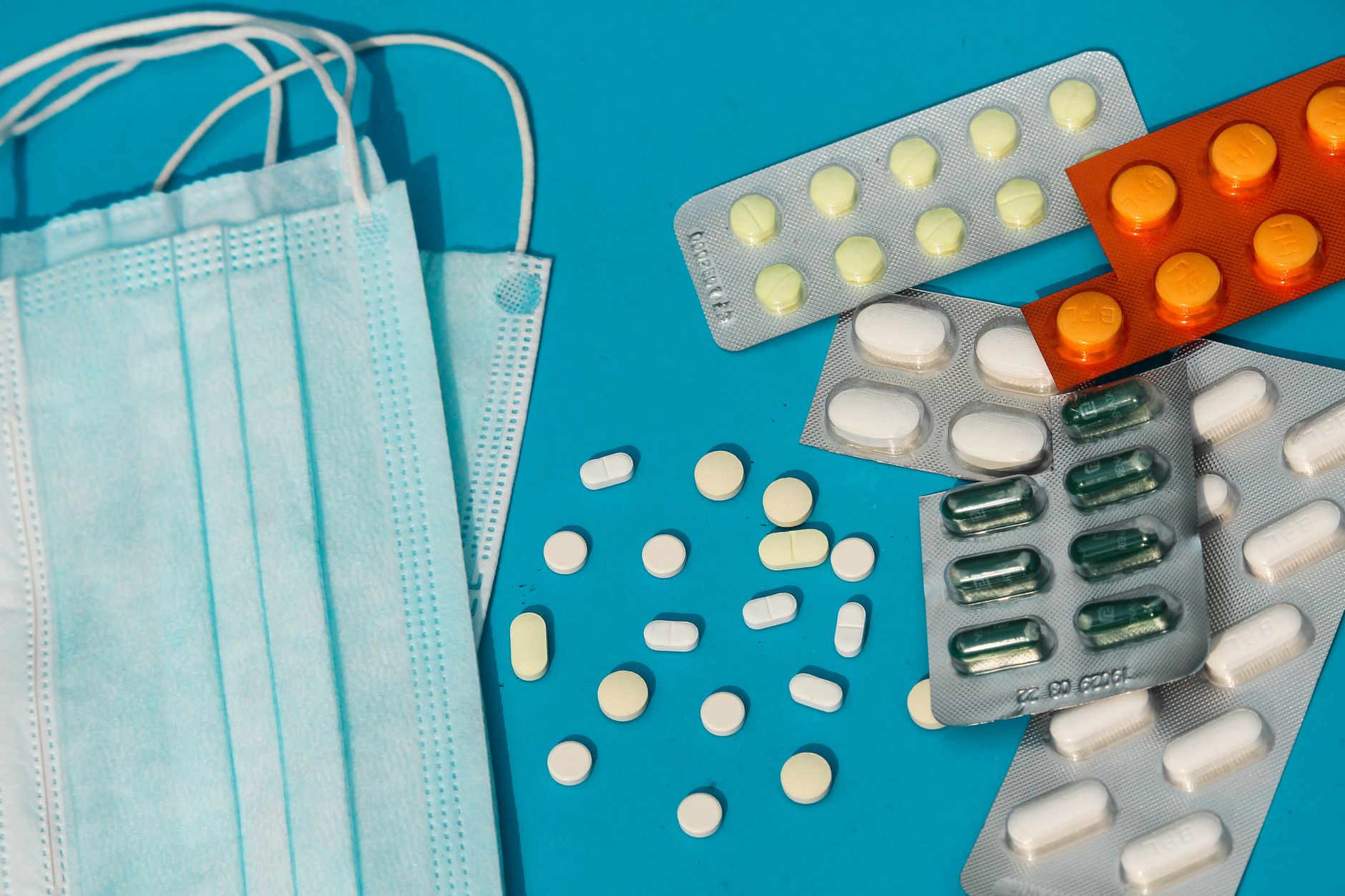
Human safety data for concentrated products remain limited, especially for daily use over several months. Possible side effects and drug interactions include digestive upset, allergic reactions in sensitive individuals, and photosensitivity, although their frequency and severity are not well defined.
You should not assume that a plant-based product is automatically low risk. A concentrated it supplement can expose you to more plant chemicals than cooked leaves, and your medical history changes the safety calculation.
Higher Exposure Requires a Medication Review
Pregnancy, breastfeeding, surgery plans, liver disease, kidney disease, and prescription medicine use all warrant added caution. Limited pregnancy and breastfeeding data mean concentrated products should not become a self-directed routine during those periods.
- Pregnancy and breastfeeding require clinician guidance because concentrated-product safety data are limited.
- Apiaceae allergies raise concern for rash, itching, swelling, or digestive symptoms after exposure.
- Sun sensitivity history deserves care because photosensitivity has been raised as a potential concern.
- Planned surgery calls for a clinician conversation before adding a concentrated botanical product.
- Liver or kidney disease adds uncertainty around metabolism and clearance of plant chemicals.
- Prescription medicines merit a pharmacist review before you start a supplement routine.
Cytochrome P450 1A1 and Cytochrome P450 1A2 help process various chemicals in the body. Interaction concerns involving these pathways do not prove that a given product will change your prescription level, but they support a product-specific medication review; WebMD flags concerns around these enzyme pathways.
Stop using a concentrated product and seek medical advice for hives, swelling, breathing trouble, intense abdominal symptoms, or a new sun-sensitive rash.
Once safety has been considered, reliable sourcing and careful growing help prevent a separate problem: confusing this species with another angelica.
Accurate identification matters just as much, because a mistaken look-alike can create risks no label warning resolves.
Verified Sourcing and Home Growing Prevent Costly Mistakes
A label that says “Japanese angelica” does not provide enough identification. Look for Angelica keiskei on seeds, nursery labels, fresh produce, and supplements, because similar common names can refer to different plants.
You may find it seeds or an it plant for sale through specialty herb nurseries and seed sellers. Botanical verification matters more than a product photo, since yellow sap and celery-like leaves do not rule out look-alikes.
United States Gardens Need Moisture and Winter Planning
Rich, consistently moist, well-drained soil suits this perennial in much of the United States. Partial sun can protect leaves in hot summer areas, while cooler regions may support fuller sun if the soil does not dry out.
Seed germination can be slow and uneven. Keep the medium evenly damp rather than waterlogged, and give seedlings time before deciding that a batch has failed.
- Verify the seed by confirming that the label names Angelica keiskei rather than only “angelica.”
- Use rich soil with drainage and steady moisture, since dry soil can slow growth and toughen leaves.
- Provide partial sun in hot climates to reduce leaf stress during intense summer heat.
- Protect winter crowns with mulch where severe freezes threaten exposed roots and young growth.
- Harvest lightly by snipping a few young leaves and stems at a time rather than stripping the plant.
- Avoid wild substitutes because no home garden benefit outweighs the risk of eating an unidentified Apiaceae species.
Your harvest should come from a verified plant, not from a foraged stand that merely resembles one. That same restraint keeps the culinary use of this herb separate from unsupported health promises.
Careful sourcing ultimately supports the simplest conclusion: enjoy the herb as food without treating it as medicine.
Bottom Line
The edible vegetable and the concentrated wellness product are not the same choice. it can be an interesting bitter green for your meals, but current human evidence does not demonstrate broad benefits for blood sugar, body weight, heart health, inflammation, liver function, autophagy, or aging.
Choose verified leaves, tea, or powder for food use, and approach extracts with more caution. Your next step should be a clear botanical label, realistic expectations, and pharmacist or clinician input when medicines, pregnancy, allergies, surgery, or chronic conditions are part of the picture.
FAQ
What is Ashitaba, and what is its scientific name?
it is an edible Japanese coastal herb with the scientific name Angelica keiskei. It belongs to the Apiaceae family and has bitter, celery-like leaves and hollow stems that can release yellow sap containing chalcones.
What are the purported health benefits of Ashitaba?
Common claims include support for blood sugar, body weight, cardiovascular health, inflammation, liver health, antioxidant activity, autophagy, and healthy aging. Laboratory and animal research suggests biological activity, but human evidence does not establish these benefits as reliable outcomes for you.
What does research say about Ashitaba chalcones such as xanthoangelol?
Xanthoangelol and 4-hydroxyderricin show activity in test-tube and animal studies, including effects on selected biological pathways. Those findings do not establish human absorption, effective dosage, long-term safety, or treatment value for a medical condition.
How do you use Ashitaba as a food, tea, powder, or supplement?
You can eat young leaves raw in small amounts, blanch them, add them to soups, or fry them as tempura. it tea uses dried leaves, powder can be mixed into food or drinks, and supplements provide more concentrated material that deserves closer label and safety review.
Is Ashitaba safe to take every day?
Cooked leaves used as food present a different exposure than a daily extract or capsule. Daily concentrated use has limited long-term human safety data, so you should review medicines, health conditions, allergies, pregnancy status, and surgery plans with a pharmacist or clinician.
What side effects or drug interactions can Ashitaba cause?
Digestive upset, allergic symptoms, photosensitivity, and potential medication interactions have been noted, though reliable frequency data remain limited. You should seek medical advice for hives, swelling, breathing trouble, severe stomach symptoms, or a new sun-sensitive rash.
