


You know bananas as a universally loved, convenient fruit. These natural sources of quick energy and essential nutrients make bananas a go-to snack for many. The global banana market shows their immense popularity, with projected revenues reaching US$166.95 billion in 2025. This powerhouse of vitamins offers significant health benefits. Understanding banana nutrition facts helps you appreciate these benefits. You get excellent nutrition from every banana, and proper banana nutrition is key for your health. Many people choose bananas for their daily dose of goodness.
Key Takeaways
Bananas give you quick energy. They have natural sugars and fiber. This helps you stay energized longer.
Bananas are good for your heart. They have potassium. Potassium helps control blood pressure.
Bananas help your digestion. They contain fiber. Fiber keeps your gut healthy.
Choose less ripe bananas for steady blood sugar. Green bananas have more starch. This starch digests slowly.
Bananas are easy to add to meals. You can eat them before or after exercise. They help your body recover.
Banana Nutrition Facts: What’s Inside
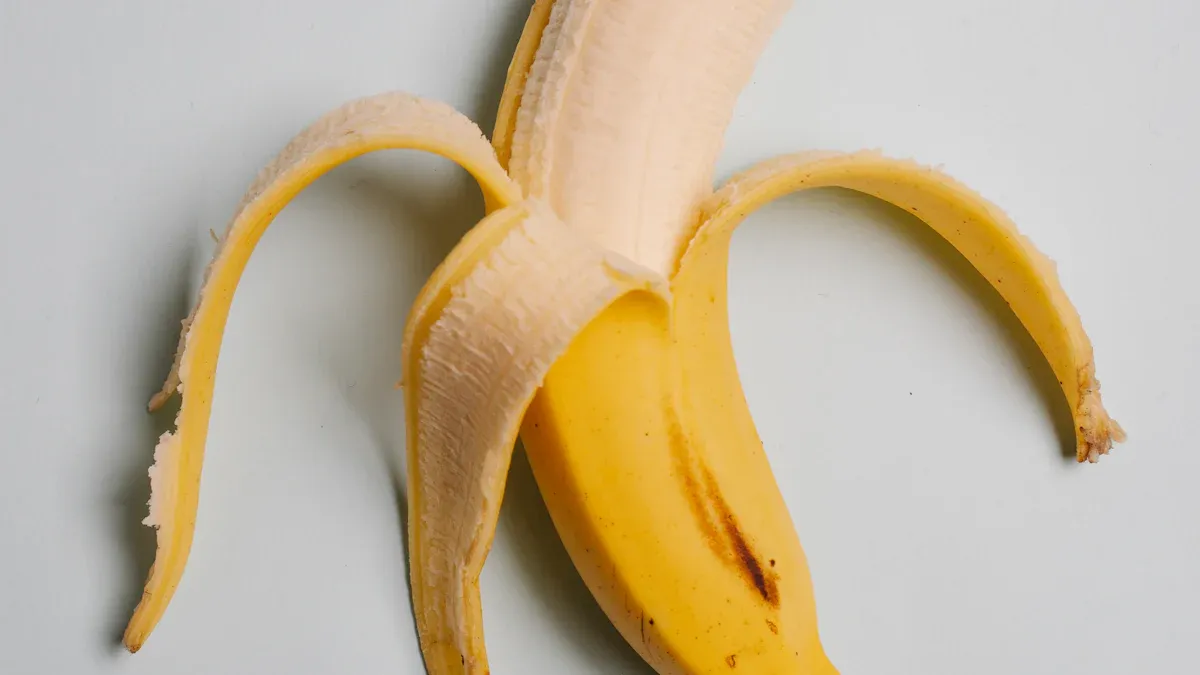
You want to understand the full picture of banana nutrition facts. This section details what you get from a medium ripe banana. These nutrition facts highlight its value.
Key Nutrition Facts
A medium banana gives you about 105 calories. This fruit typically measures 7 to 7-7/8 inches long. You get almost no fat from a banana. It provides a small amount of protein. You also receive a good amount of carbohydrates. These basic nutrition facts show you a quick energy source.
Macronutrient Breakdown
Now, let’s break down the main components. A medium banana contains about 27 grams of total carbohydrates. This includes natural sugars. You will find around 14.4 grams of naturally occurring fruit sugars. These sugars are fructose and sucrose. You get about 12 to 15 grams of natural sugar from a medium banana. This sugar comes with fiber and vitamins.
A banana also offers about 3 grams of fiber. It is a good source of dietary fiber. This fiber is important for your digestion. You get very little fat from a banana, typically less than 0.5 grams. This means it is essentially fat-free. For protein, a medium banana provides about 1.3 grams. This makes it a low-protein fruit.
Comprehensive Banana Nutrition
Beyond the basics, bananas are packed with important micronutrients. They are a good source of potassium. You need potassium for many body functions. Adults should aim for 3,500 to 4,700 mg of potassium daily. A banana helps you meet your daily potassium needs. It is truly high in potassium. It is a great source of potassium.
You also get a significant amount of Vitamin B6. One cup of bananas gives you 32% of your daily value for Vitamin B6. Vitamin C is another key nutrient you find. Bananas also contain folate and magnesium. These vitamins and minerals contribute to overall nutrition.
Furthermore, bananas are rich in antioxidants. These include carotenoids like beta-carotene, violaxanthin, and lutein. You also find organic acids like vitamin C and citric acid. Biogenic amines like dopamine are present. Polyphenolics, such as myricetin-glycosides, also act as antioxidants. This makes banana nutrition very comprehensive. You can see why bananas are considered nutrient dense. They are truly loaded with potassium and other beneficial compounds. Their comprehensive banana nutrition profile supports your well-being. This complete nutrition package makes them a smart snack.
Bananas: Quick Energy & Health Benefits
You know bananas offer more than just a sweet taste. The nutrients in bananas give you many health benefits. You get quick energy and support for your overall health.
Energy Boost and Sustained Fuel
Bananas are excellent for energy. They give you a quick energy boost. You get natural sugars like glucose, fructose, and sucrose. These sugars provide rapid fuel. Bananas also contain dietary fiber. This fiber slows down sugar release. You get sustained energy without sudden crashes. This makes bananas a good source of energy.
Studies show bananas are effective for endurance. They work as well as sports drinks for athletes. Research in 2012 found bananas help maintain energy during long exercise. They also aid recovery. Bananas contain vitamin B6 and potassium. These are vital for energy metabolism. They also support muscle function. An average banana gives you 27g of complex carbohydrates. This blend of fast and slow-digesting sugars is optimal. It also has 3g of fiber. This creates a steady energy release. Less ripe bananas offer resistant starch. This provides more sustained energy. Riper bananas give you more immediate fuel. This makes bananas a great choice for boosting energy.
Heart Health Support
You can support your heart health with bananas. They are loaded with potassium. Potassium is crucial for your heart. It helps regulate blood pressure. The World Health Organization (WHO) recommends increasing potassium intake. They suggest at least 3510 mg daily for adults. This helps reduce blood pressure. It also lowers the risk of cardiovascular disease and stroke. A single banana provides 422mg of potassium. This helps you meet your daily needs.
Bananas also contain fiber. Both soluble and insoluble fibers help reduce cholesterol. These fibers bind cholesterol in your gut. They promote its excretion. This contributes to better heart health. You also get vitamin C from bananas. Vitamin C is an antioxidant. It protects your heart cells. Folate is another nutrient in bananas. Folate also supports heart health. These benefits show why bananas are important for your heart.
Digestive Wellness
Bananas are great for your digestive health. They contain fiber. This fiber helps with regular bowel movements. Soluble fiber increases stool bulk. It also softens stool. This makes it easier to pass. It reduces your risk of constipation. Fiber absorbs water. This maintains stool bulk. It also helps food move through your digestive system. This improves digestive health.
Green bananas have pectin. Pectin acts as a prebiotic. Your gut bacteria ferment it. This produces short-chain fatty acids. These reduce intestinal inflammation. They also improve your gut microbiome balance. Green bananas also contain resistant starch. This resistant starch is a prebiotic. It helps modulate your microbiome. It can also increase good gut bacteria. This further improves digestive health. Bananas offer many benefits for your gut.
You also get other benefits from bananas. Potassium, magnesium, and vitamin B6 help regulate mood. They also support healthy blood pressure. This comprehensive nutrition makes bananas a powerful fruit.
Banana Consumption: Considerations & Tips
You can enjoy bananas as part of a healthy diet. However, you should consider a few things. This section offers practical advice for incorporating bananas into your diet, considering aspects of banana nutrition.
Blood Sugar Management
You need to consider how bananas affect your blood sugar. A banana has a glycemic index (GI). This number tells you how quickly a food raises your blood sugar. Harvard reports a banana has a GI of 51. An underripe banana has a GI of 41. Both are low-GI foods. Foods with a GI of 55 or less are low-GI. However, a ripe banana can have a higher GI, reaching up to 85. This is a high GI.
The ripeness of your banana changes its GI. Green, under-ripe bananas have more starch. This starch acts like fiber. It resists digestion. This leads to a lower GI. As bananas ripen, starch turns into sugar. Yellow bananas have less resistant starch. They have more sugar. This makes your blood sugar rise faster. Fully ripened bananas with spots have the highest GI. They contain more glucose. They taste much sweeter. You can manage your blood sugar by choosing less ripe bananas.
Allergy Awareness
You should also know about banana allergies. Some people have an allergy to bananas. Symptoms can be mild or severe. Mild symptoms include an itchy mouth or throat. You might get hives or a skin rash. Nausea, stomach pain, or vomiting can also occur. More severe symptoms include swelling of your lips, tongue, or throat. You might have shortness of breath or wheezing. A drop in blood pressure is serious. Anaphylaxis is a medical emergency.
Banana allergies are not very common. Less than 1% of the general population has this allergy. For children under three, it is 5-8%. If you have atopic dermatitis, up to 46% might react. For asthma sufferers, up to 67% might have a reaction. Always seek medical advice if you suspect an allergy.
Optimal Ripeness
You can choose bananas at different stages of ripeness. Each stage offers unique benefits for your overall nutrition. Green bananas are less sweet. They have a firmer texture. They contain more starch. This starch converts to sugar as the banana ripens. Ripe yellow bananas are sweeter. They are softer. They are easier to peel. They have less starch and more sugar.
Overripe bananas, with brown spots, are very sweet. They have the highest sugar content. They also offer a special benefit. Overripe bananas have increased antioxidant activity. Their natural ripening process breaks down molecules. This boosts their antioxidant levels. So, overripe bananas are optimal for maximizing antioxidant content. Green bananas have more resistant starch. This helps with blood sugar control and digestive health. Ripe bananas offer a good balance of quick energy and banana nutrition. You can choose the best banana for your needs.
Incorporating Bananas into Your Diet
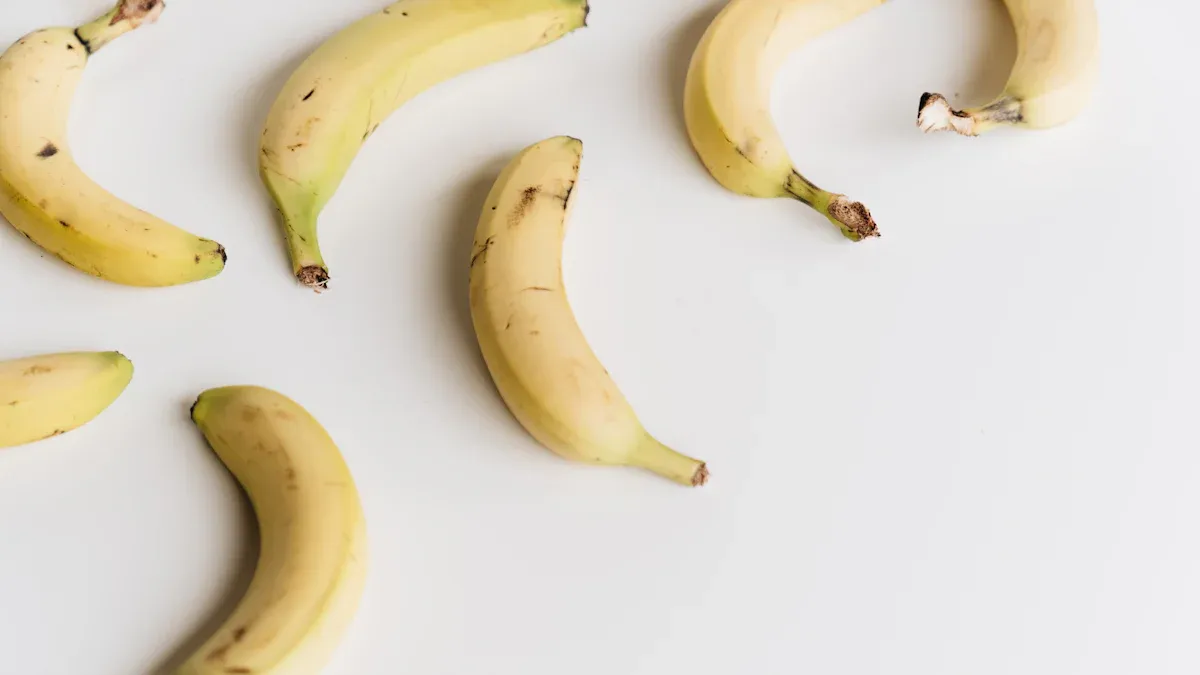
You can easily include bananas in your daily meals and snacks. This section gives you practical ways to enjoy them. You will find bananas fit well into many dishes.
Versatile Meal Additions
Bananas are incredibly versatile. You can add them to many meals. For breakfast, slice them into your oatmeal or blend them into smoothies. You can also bake with bananas. Many recipes use bananas for natural sweetness and moisture. Consider making Whole Grain Banana Walnut Muffins or Cinnamon Crunch Zucchini Banana Bread. You can also try Chocolate Banana Nice Cream for a healthy dessert. For snacks, make Chocolate Banana Nut Energy Bites or Frozen Banana Bites. These options show how you can boost your daily banana nutrition.
Pre/Post-Workout Fuel
Bananas make excellent fuel for your workouts. Before exercise, eat a banana. It provides carbohydrates to increase glycogen stores. This gives your body fuel. The fiber in bananas slows sugar absorption. You get a steady stream of glucose. Ripe bananas are easy to digest. They prevent stomach upset during your workout. Bananas also give you potassium. This mineral supports muscle health. It helps prevent cramps. They also offer magnesium for energy and Vitamin B6 to metabolize amino acids.
After your workout, bananas help your muscles recover. They replenish muscle glycogen stores. This makes muscle cells more sensitive to insulin. Insulin helps transfer sugar from your blood into muscle cells. This speeds up glycogen formation. Bananas also contain carbohydrates, dopamine, and polyphenols. These compounds work together. They prevent too much inflammation after exercise. This promotes quicker recovery. Bananas also provide manganese and Vitamin B6. These support protein metabolism. This comprehensive nutrition helps your body rebuild.
Single Banana Profile
You might wonder about the typical serving size. A medium banana, about 7 to 7-7/8 inches long, weighs around 118 grams. This size is a good single serving. Healthline suggests one to two bananas per day for most healthy individuals. The American Heart Association recommends one medium fruit, about the size of your fist, as a serving. You can easily fit this into your daily nutrition plan.
You now understand the full banana nutrition facts. Bananas are a good source of quick energy, vital vitamins like B6 and vitamin C, and essential minerals such as potassium. These bananas offer many benefits. You gain broad health benefits, including support for your heart health and digestive health. The fiber in bananas also contributes to these benefits. This powerful banana provides excellent nutrition. Enjoy bananas as part of a balanced diet. Be mindful of your individual needs and portion sizes. You can harness the full nutritional power of banana nutrition. This amazing banana gives you potassium and other key nutrients. It is a good source of potassium. These bananas truly boost your health.
FAQ
What makes bananas a good source of energy?
Bananas offer natural sugars like glucose and fructose for quick energy. Their fiber content helps release this energy steadily. This combination prevents energy crashes. It makes bananas great for sustained fuel.
What key nutrients do bananas provide?
A banana gives you essential nutrients. You get significant potassium, vital for heart health. It also provides Vitamin B6, Vitamin C, and dietary fiber. These contribute to overall health benefits.
What are the main health benefits of eating bananas?
Eating bananas supports heart health due to potassium. Their fiber aids digestion. Bananas also provide antioxidants and vitamins. These boost your overall well-being. These benefits make bananas a smart choice.
What is the best way to eat bananas for blood sugar management?
Choose less ripe bananas. Green bananas contain more resistant starch. This starch digests slowly. It causes a smaller rise in blood sugar. Riper bananas have more sugar, affecting blood sugar faster.
What is the role of potassium in bananas?
Potassium in bananas is crucial for your health. It helps regulate blood pressure. This mineral supports proper nerve and muscle function. Adequate potassium intake from bananas contributes to a healthy heart.