

soursop tea benefits is a phrase people use for the possible antioxidant, calming, and digestive upsides of a caffeine-free herbal tea made from soursop leaves, not fruit pulp. The drink comes from Annona muricata, and its appeal depends on tradition, taste, and limited human evidence.
This guide covers what soursop leaf tea may offer, where the evidence stops, and what safety questions matter most for anyone considering it for everyday wellness, calm, or digestion.
Key Takeaways
- Soursop tea may offer antioxidant support, but human proof for strong medical effects remains thin.
- Its caffeine-free profile makes it a common evening drink for people who want a gentler cup.
- Traditional use centers on relaxation, digestive health, and general wellness, not medical care.
- Daily use raises caution flags for pregnancy and breastfeeding, chronic illness, and medication users.
- Larger amounts can cause unwanted side effects, so more tea is not a better habit.
What Soursop Tea Is And Why It’s Brewed
Most cups start with dried soursop leaves steeped in hot water, which gives you a plant-based drink from Annona muricata without the fruit’s sweet flesh. The brew is naturally caffeine-free herbal tea, so it fits a quiet evening routine better than coffee or black tea.
What It Tastes And Feels Like
The flavor lands in a mild, earthy place with a faint green edge and a soft, slightly bitter finish. Freshly brewed tea feels warm and smooth rather than sharp, which is why some people reach for it after dinner instead of a stronger herbal cup.
That profile matters because taste shapes habit. A tea that feels gentle is easier to keep in a nightly routine, and that routine is where many people notice soursop tea benefits in daily life.
Leaf Tea Versus Fruit Juice
The fruit and the leaves are not the same ingredient, and that difference changes the conversation. Juice gives you sugar and fruit flavor, while leaf tea is the form tied to most traditional herbal use and most safety questions.
Brazilian and Caribbean folk use has long centered on the leaves, which is why the tea carries a larger wellness reputation than the fruit alone. That tradition is the reason many people try it, but tradition is not the same thing as proof.
Those mechanisms are promising, but the real question is whether the benefits hold up outside the lab.
What The Leaf Compounds Behind Its Traditional Appeal
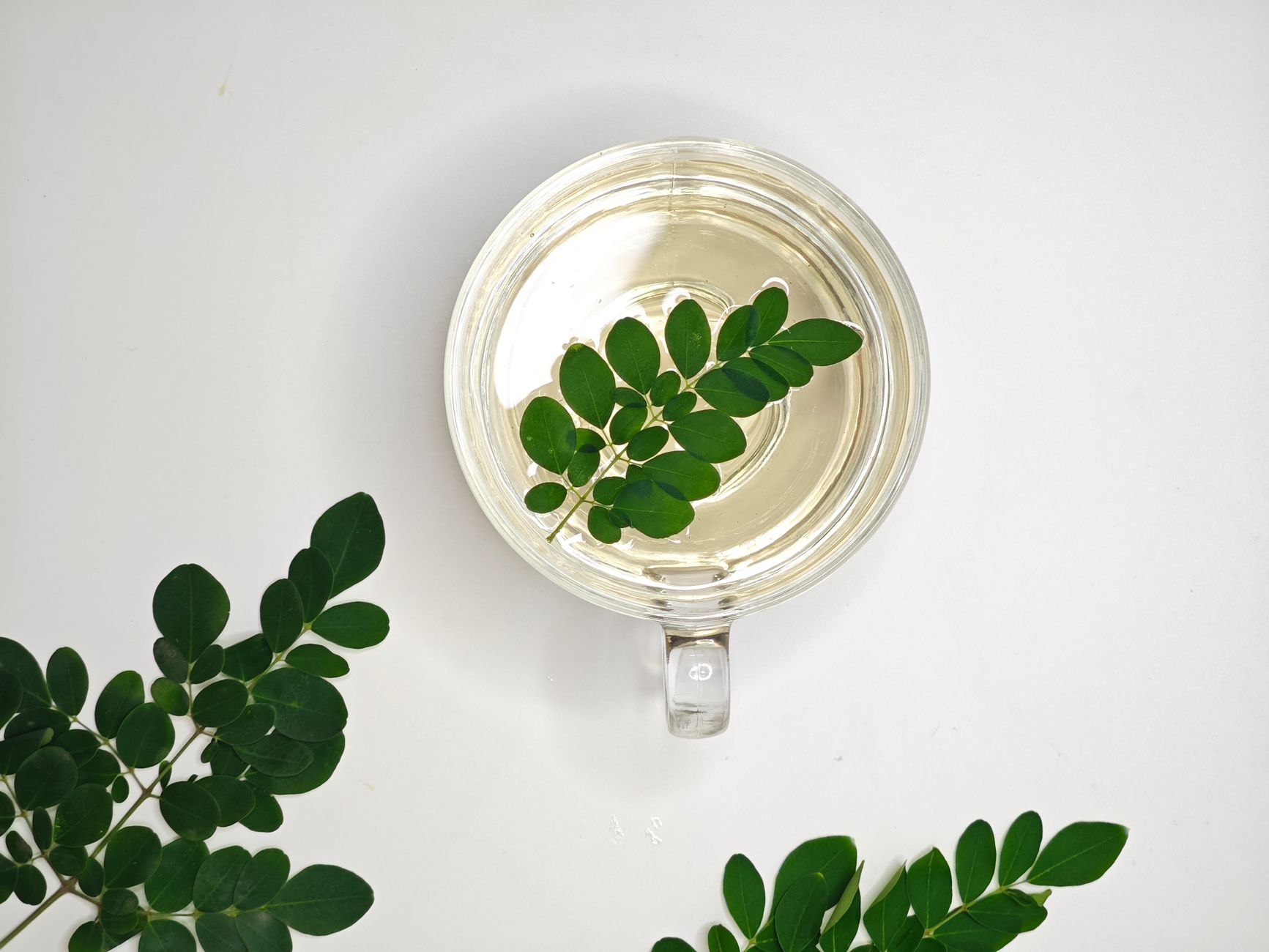
Soursop leaves contain polyphenols, plant compounds that can act as antioxidants in lab settings. Antioxidants help limit oxidative stress, a process linked with cell wear, but that does not mean a cup of tea makes a major medical difference on its own.
Polyphenols And Plant Defenses
Polyphenols are one reason soursop leaf tea gets attention in nutrition circles. These compounds also appear in green tea, berries, and cocoa, and their main job in plants is defense against stress from light, pests, and damage.
In your cup, those same compounds may be part of the tea’s appeal for general wellness and immune support. That said, the amount that reaches your body depends on leaf quality, steep time, and what else is in your diet.
Why Lab Results Do Not Equal Human Results
Test-tube and animal findings can show a biological signal, yet human digestion and metabolism change the picture. A compound that looks active in a dish may break down in the stomach, bind to fiber, or appear in only tiny amounts in blood.
That gap is the key reason soursop tea benefits should be read carefully. A lab result can point to a possible mechanism, but it cannot tell you that a regular cup will produce a meaningful outcome in real life.
Taken together, that evidence makes everyday comfort plausible without turning the tea into a cure-all.
Brenda Gridley, RDN, often frames herbal foods this way: the plant may contain active compounds, but the dose in a household cup is a very different question from the dose in a lab dish.
What The Research Supports And What It Doesn’t
A few early studies point toward antioxidant activity and other biological effects, yet the strongest claims stay unproven in humans. That matters because the gap between traditional use and medical evidence is wide, especially for a tea made from leaves.
Traditional Claims Versus Human Evidence
People have used soursop in folk medicine for generations for general wellness, inflammation relief, and comfort after meals. Those uses tell you how the tea has been valued culturally, but they do not establish a clinical effect.
Human research has not shown that soursop tea can replace care for serious illness. WebMD and Cleveland Clinic frame similar herbal topics with the same caution: the plant may have interesting compounds, yet the evidence in people remains limited.
Cancer Claims Need Extra Care
The cancer conversation around soursop needs caution, because any claim that this tea can act like cancer therapy goes far beyond what human data can support. MD Anderson has addressed that topic with the same restraint, and the warning is warranted.
The safest reading is plain: soursop tea should not stand in for oncology care, imaging, or prescribed treatment. A person facing cancer needs evidence-based medical care, not a leaf infusion marketed with outsized promises.
Blood Sugar, Blood Pressure, And Headache Claims
Preliminary studies have noted possible shifts in blood sugar or blood pressure, but the findings are too weak to support treatment claims. That same weak evidence appears in headache talk, where anecdote runs far ahead of proof.
SingleCare and dietitian commentary from professionals such as Brenda Gridley, CSP, RDN, tend to stress the same point: herbal tea can sit beside a healthy routine, but it should never replace prescribed care for blood sugar or pressure management.
Because dose and timing shape risk, the practical question becomes how to brew and how often.
Comfort, Calm, And Digestive Ease In Practice
A warm cup at night can feel like a pause button, and that sensory effect may explain much of the tea’s appeal. Some people report relaxation or better sleep after drinking it, but part of that may come from the ritual, the warmth, and the caffeine-free profile.
Why Evening Cups Feel Soothing
People who skip caffeine after lunch may notice a calmer night with this tea because the body is not getting a stimulant signal. The drink is mild enough that the bedtime routine becomes the larger effect, not a dramatic ingredient response.
That is where soursop tea benefits can feel real without becoming exaggerated. A cup can mark the shift from a busy day to rest, and that shift can matter even when the tea itself is not doing heavy medical work.
Why It May Feel Gentle After Meals
After a heavy meal, a warm mug can soften the feeling of fullness, and the tea’s light bitterness may seem settling to some stomachs. That does not make it a fix for digestive disease, but it can fit the same comfort role as mint or chamomile for some people.
Occasional drinking and constant habit are not the same thing. A cup after an occasional large meal is one thing; making it an all-day ritual creates a different safety picture, which leads straight into preparation and frequency.
Frequency matters because what feels harmless once or twice can change with repeated use.
Safe Brewing, Timing, And Sensible Frequency
A simple kitchen method gives you more control over taste and strength than guessing from a mug. Dried leaves and tea bags are the easiest starting points, while fresh leaves can vary more in age, washing, and leaf size.
Simple Brewing Method
- Heat water. Bring water to a near boil, then let it settle for a minute so the leaves do not taste scorched.
- Add the leaves. Place dried soursop leaves or a tea bag in a mug or pot.
- Steep gently. Let the tea sit for several minutes until the color deepens and the aroma turns grassy and soft.
- Strain the cup. Remove loose leaves before drinking so the brew stays smooth and easy to sip.
- Taste before adding extras. Sample the tea plain, then adjust with lemon or a little honey only for flavor.
Dried Leaves, Tea Bags, And Fresh Leaves
Dried leaves are easier to store and tend to give you more consistent flavor from cup to cup. Tea bags add convenience, while fresh leaves can bring a stronger plant taste but also more variation in strength.
That choice matters because consistency helps you judge your own response. A tea that changes a lot from one batch to the next makes it harder to notice whether your stomach, sleep, or energy shifts for any reason.
Best Time And Reasonable Frequency
The best time to drink soursop tea is usually in the evening, one to two hours before bed, because its caffeine-free nature fits that window well. Daytime use can work too, yet late-evening drinking is where the tea’s calm, warming character makes the most sense.
Daily use is where caution matters most. A single cup now and then is a very different habit from several cups a day, and larger amounts bring more uncertainty without giving you proven added value.
Those variables are the reason the safest takeaway is simple restraint rather than routine use.
| Choice | What You Get | Practical Trade-Off |
|---|---|---|
| Dried leaves | Steadier flavor and easier storage | Better for routine use and side-by-side comparison |
| Tea bags | Quick brewing and less cleanup | Less control over leaf quality and strength |
| Fresh leaves | More direct plant flavor | Greater variation, so the cup can taste stronger or weaker |
More is not better here. A stronger brew or repeated cups can raise the chance of stomach upset without adding proven benefit.
Side Effects, Interactions, And Who Should Pass
soursop tea side effects are not guaranteed, yet excess intake can bring stomach upset, dizziness, or a heavy, unsettled feeling. Some people also notice nausea or a drop in comfort after repeated cups, which is a sign to stop and reassess the habit.
Medication Interactions And Blood Sugar Care
Herbal compounds can change how the body handles medicines, and soursop tea is no exception. Extra caution makes sense for blood pressure or blood sugar management, because even a mild tea can complicate a routine built around prescribed care.
That risk is one reason soursop tea should stay in the food-and-beverage category, not the treatment category. A cup may fit a wellness habit, but it should never take the place of medication, monitoring, or medical follow-up.
Pregnancy, Breastfeeding, And Chronic Illness
Pregnancy and breastfeeding call for a careful conversation with a qualified clinician before the tea becomes a habit. The same caution applies to chronic illness, especially when the condition involves the liver, kidneys, heart, or blood sugar control.
Who should avoid soursop tea comes down to risk, not fear. A healthy adult who drinks it occasionally may have no issue, while someone with a complex medical picture needs a much tighter safety check.
Practical Warning Signs
- New nausea after a cup can mean the brew is too strong for your stomach.
- Dizziness may signal that the tea does not fit your current medication plan.
- Sleep disruption can happen when the drink becomes a late, heavy habit.
- Blood sugar swings deserve a clinician review, not a guess.
- Pregnancy or nursing calls for advice before the tea enters your routine.
That warning list also answers the daily-use question in practical terms. What happens if you drink soursop every day depends on your health, your medicines, and the amount you pour, which is why caution beats routine here.
What To Remember
The clearest takeaway is simple: soursop tea may fit a calm evening habit and may provide antioxidant-style support, but the strongest claims are not well proven in people. Your safest use is cautious, occasional, and honest about the gap between tradition and evidence.
FAQ
What are the benefits of soursop tea?
Caffeine-free and mildly flavored, the drink is most often valued for its possible antioxidant support from compounds in the leaves. Some people also use it for relaxation and digestive health, but human evidence for strong medical effects remains limited.
Does soursop tea help with inflammation, digestion, or immunity?
Soursop leaves contain antioxidant and anti-inflammatory compounds, so the tea may fit a wellness routine that supports general comfort. It should not be treated as a proven therapy for inflammation, digestive problems, or immune support, because human evidence is still thin.
What side effects or risks come with drinking soursop tea?
Possible soursop tea side effects include nausea, stomach discomfort, dizziness, and a heavy or unsettled feeling, especially with larger amounts. Medication interactions, pregnancy and breastfeeding concerns, and chronic illness also make the tea a case for caution.
What is the best time to drink soursop tea?
An evening cup, taken about one to two hours before bed, is the timing many people prefer for this tea. That timing works well because the tea is caffeine-free and feels most natural as part of a wind-down routine.
How do you make soursop tea from leaves or tea bags?
Heat water to a near boil, add dried soursop leaves or a tea bag, steep for several minutes, then strain and taste before adding anything else. Dried leaves usually give you steadier flavor, while tea bags offer convenience and fresh leaves can taste stronger.
How often is it safe to drink soursop tea?
Occasional use is the safer starting point, and a single cup is a very different habit from several cups a day. If you want it every day, the right amount depends on your health, your medicines, and how your body responds.
