

Berries that start with M is a useful way to group fruits such as mulberries, marionberries, muscadines, maqui berry, and miracle fruit. Some fit botanical berry rules, while others are common-name lookalikes that still matter for eating, classwork, and plant ID.
You can sort the names by edibility, taste, and region, which makes the list more useful than a plain alphabet roundup. That approach also helps you separate safe fruit from confusing wild or ornamental entries.
Key Takeaways
- Mulberries, marionberries, muscadines, and maqui berries are the clearest starting names for a practical list.
- Common names can mislead because berry language and plant science do not always match.
- Taste matters as much as naming, since some M fruits shine fresh while others fit pies or juice.
- Regional availability changes fast for marionberries, muscadines, and local wild fruit.
- Ripeness matters most in cases like mayapple fruit, where the stage decides edibility.
What Counts As A Berry In Botany
A true berry forms from one flower ovary and keeps its seeds inside the fleshy part. That definition sounds neat, but grocery labels follow kitchen habits, not plant rules, so your fruit bowl and a botany text can disagree.
Berry classification matters because it explains why some familiar names do not line up with science. Muscadine is a true berry, while mayapple is berry-like in casual speech but not the same structure botanists use for a true berry.
True Berry Versus Common Name
Plant science uses structure, not flavor, to sort fruit. A grape, a tomato, and a muscadine fit the botanical pattern better than a blackberry does, even though the berry label feels natural in the kitchen.
That mismatch is why a list of berries that start with m can get messy fast. A fruit name may sound obvious, yet the plant anatomy tells a different story, and that matters when you compare edible it.
Mayapple And Muscadine As Confusing Examples
Mayapple fruit is a classic caution case because the plant is not a casual snack item and the fruit must be fully ripe before anyone considers it edible. Muscadine, by contrast, is a grape relative with thick skin and a juicy interior, and it fits the botanical berry pattern more cleanly.
So the label alone never gives you the full story. Once that distinction is clear, the next step is sorting the M names people actually reach for.
Regional habits can make common fruit names look ordinary, while nearby wild varieties stay hidden in plain sight.
The M Berries People Reach For First
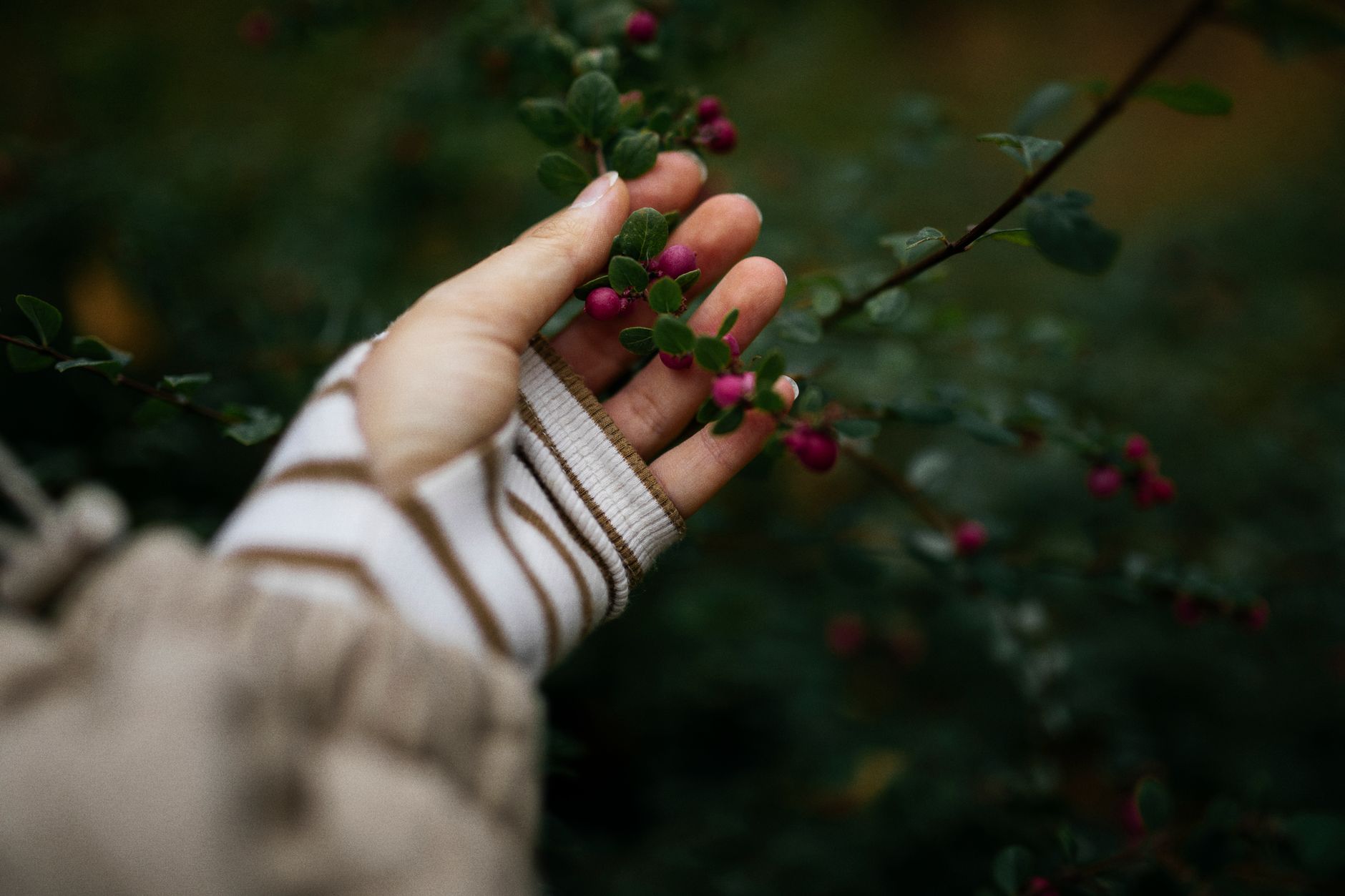
Mulberries sit at the center of most lists because they are easy to find, easy to eat, and easy to remember. Marionberries and muscadines round out the core trio, and each one brings a different flavor profile to the table.
You will usually notice the biggest difference in texture before taste. Mulberries are soft, marionberries are deeper and richer, and muscadines have thick skins that change how you eat them.
Mulberries As The Familiar Starting Point
Mulberries, from the Morus genus, taste sweet-tart with a soft, blackberry-like chew. They ripen unevenly on the branch, so you can see red, purple, and nearly black fruit on the same stem, which makes harvest timing matter.
They work well fresh, but they also stain fast and bruise quickly. That thin skin is part of the appeal and part of the mess, which is why you often see mulberries turned into syrup, pie filling, or jam.
Marionberries As An Oregon Berry Hybrid
Marionberry is an Oregon-developed blackberry hybrid named for Marion County, and it earned a strong reputation in pies and preserves. The flavor runs richer than a standard supermarket blackberry, with a deep aroma that stands up to heat.
Because the fruit is built for processing as much as fresh eating, your best use depends on the batch. Tart fruit lifts pastry, while a fully ripe batch can go straight into a bowl without much help.
Muscadines As Thick-Skinned American Grapes
Muscadines are native to the southeastern United States and grow as a distinct grape species with thick skins and large seeds. The flesh tastes bold and musky, which is why local cooks often turn them into juice, jelly, or wine-style products rather than plain snacking fruit.
They are not a supermarket staple in much of the country, so regional availability shapes your chances of finding them fresh. That regional split also explains why berries that start with m can feel more like a local map than a single national list.
Flavor and setting quickly separate a kitchen staple from a foraged fruit with a very different role.
Rare And Exotic M Berries Worth Knowing
Some M names show up in specialty produce shops, health-food aisles, or botanical lists rather than standard fruit bins. Maqui berry and miracle fruit sit near the top of that group, and each one draws attention for a different reason.
You can also run into names that change by region, which makes the search feel broader than it first appears. That is where rare berries that start with m become more than trivia and start acting like practical identification clues.
| Name | Edibility | Main trait |
|---|---|---|
| Maqui berry | Edible | Deep purple color and a tart taste |
| Miracle fruit | Edible | Changes sour taste perception after eating |
| Mountain cranberry | Edible in some regions | Local name for a small tart berry |
| Myrtle berry | Edible in some places | Regional fruit with small, dark drupes |
Maqui Berry And Its Dark Pigment
Deep purple skin gives maqui berry its striking look, and anthocyanins are the pigments behind that color, just as they are in blueberries and black raspberries. Anthocyanins sit in the skin tissues and help explain why some berries look nearly black under daylight.
Color alone does not tell you flavor, but it gives a clue about intensity. Maqui leans tart and earthy, so it shows up in powdered or blended products more than in a fruit bowl.
Miracle Fruit And Taste Perception
Small and edible, miracle fruit is best known for miraculin, a protein that briefly makes sour foods taste sweet. Citrus can seem sweet after the fruit is eaten, even though the fruit itself does not add sugar in the usual sense.
That effect is sensory, not nutritional magic, and it fades after a while. For your list, it belongs beside the unusual edible names because it changes the way people use fruit rather than the way they classify it.
Regional Names That Add Context
Mountain cranberry, mahonia berry, myrtle berry, mamey berry, and monkey berry appear in regional or specialized naming systems. Those names matter because common labels shift by place, and a plant that sounds familiar in one state may be unknown in another.
Plant names can also overlap with shrubs, ornamentals, or wild forage terms. That is why a clean list of berries that start with m needs taste, use, and place, not just a name roll.
Real-world use depends on more than taste, because safety and ripeness decide whether a berry belongs on the plate.
Taste, Texture, And Best Uses
The same letter covers bright, tart fruit and dense, wine-like fruit with thick skins. A quick comparison helps you sort what fits fresh eating from what belongs in jam, pie, juice, or syrup.
You can use flavor and texture together to avoid a bad match. Soft fruit usually shines fresh, while firmer fruit often gives you better results after cooking or blending.
| Berry | Taste Profile | Best Uses | Availability |
|---|---|---|---|
| Mulberry | Sweet-tart, soft, delicate | Fresh eating, jam, pie | Seasonal, local, short shelf life |
| Marionberry | Rich, balanced, aromatic | Pie, jam, frozen fruit, sauces | Strong in the Pacific Northwest |
| Muscadine | Bold, musky, thick-skinned | Juice, jelly, wine-style products | Regional in the Southeast |
| Maqui berry | Tart, earthy, dark | Blends, concentrates, dried forms | Specialty retail and imports |
| Miracle fruit | Mild on its own | Flavor-changing novelty use | Specialty and niche cultivation |
Fresh Fruit Versus Processed Uses
Soft fruit with thin skin, such as mulberries, often shines right after harvest. Thicker-skinned fruit, such as muscadines, keeps its shape less predictably for fresh snacking but gives stronger character in juice and jelly.
That difference comes down to cell structure and sugar balance. Firmer skins slow water loss and protect the flesh, while fragile fruit breaks down sooner and needs faster handling in your kitchen.
Local Specialty Versus Store Staple
Regional availability changes how you shop, and that matters more than the name on the label. Marionberries are common in the Pacific Northwest, muscadines travel well in southern markets, and maqui berry tends to show up through specialty suppliers instead of produce bins.
So a complete list of M berries is not just a naming exercise. It gives you a map of taste, seasonality, and where each fruit fits in real use.
Ripeness rules narrow the field, and a practical checklist helps separate safe picks from lookalikes.
Check ripeness with your eyes and nose, not just with the label. A fruit that looks dull, split, or underripe can taste sharp, stale, or hard to digest for some people.
Edibility, Ripeness, And Safety Notes
Every berry-shaped fruit deserves a quick check before it reaches your plate. The same letter can include fully edible fruit, fruit that should be eaten only at a fully ripe stage, and ornamental names that belong in a field guide rather than a snack bowl.
Edible versus inedible berries is the first split that keeps a simple name list safe. A little caution saves you from treating a decorative plant like a dessert topping.
Edible, Ripe Only, And Cautionary Entries
- Mulberry. Edible, with the best flavor at full color and soft texture.
- Marionberry. Edible, and best handled once it gives slightly to gentle pressure.
- Muscadine. Edible, though thick skin can surprise anyone expecting a tender grape.
- Maqui berry. Edible, usually found dried, frozen, or blended rather than fresh.
- Miracle fruit. Edible, but used more for taste effects than for eating in volume.
- Mayapple fruit. Edible only when fully ripe, since the unripe fruit should not be eaten.
- Mountain cranberry. Edible in some local traditions, with identification needing care.
Ripeness Gives You The Real Clue
Ripeness changes sugar, acid, and aroma at the same time. In mulberries, that shift shows up as deeper color and less sour bite; in muscadines, it shows up as a softer feel and a fuller, muskier taste.
Mayapple fruit deserves special care because plant stage matters more than appearance. Fully ripe fruit is the only stage that belongs in the edible category, and that single rule keeps the label from becoming a bad guess.
Those filters turn a scattered naming puzzle into a useful guide you can actually trust.
Never assume a berry-shaped fruit is safe because the name sounds familiar. A local name, a wild hedge, or a garden shrub can hide very different chemistry.
A Quick Field List Of M Berry Names
Field lists work best when you want a fast scan without extra commentary. This set covers the names people search most, plus a few regional terms that help with school projects and plant IDs.
If you want berries starting with m to eat, the shortest practical scan begins with the familiar fruit and then moves outward to the rare and regional names.
- Mulberry. A sweet-tart fruit from the Morus genus.
- Maqui berry. A dark South American berry with rich pigment.
- Marionberry. An Oregon blackberry hybrid prized for baking.
- Muscadine. A thick-skinned American grape relative.
- Mayapple fruit. A ripe wild fruit that needs careful handling.
- Miracle fruit. A berry-like fruit known for changing sour taste.
- Mountain cranberry. A regional name for a small tart berry.
- Mamey berry. A name used in some tropical fruit contexts.
- Mahonia berry. A berry from Mahonia shrubs in some landscapes.
- Myrtle berry. A small regional fruit name tied to local plants.
- Monkey berry. A loose common name used for more than one plant.
One more point separates a tidy list from a useful one: names can overlap. Bilberry, raspberry, and blackberry help set your mental benchmark, while mulberry and muscadine show how the M group crosses both botanical and culinary lines.
That is why the best answer to it is not a single rigid list, but a list sorted by edibility, flavor, and local use. Once you have those three filters, the confusing names stop feeling random.
Bottom Line
The smartest way to sort M berries is to pair the name with the plant family, the ripe stage, and the usual use. Mulberries, marionberries, and muscadines give you the main edible anchors, while maqui berry and miracle fruit show how wide the category can stretch.
That same method helps you separate true it from common-name lookalikes. Once you check structure, ripeness, and region, the list becomes much easier to trust.
FAQ
What berries start with M?
Common examples include mulberry, maqui berry, marionberry, muscadine, mayapple fruit, miracle fruit, mountain cranberry, mahonia berry, myrtle berry, mamey berry, and monkey berry. Some are standard edible fruit, while others are regional names or berry-like fruits that need careful labeling.
Which berries that start with M are edible?
Mulberry, marionberry, muscadine, maqui berry, and miracle fruit are edible names on the list. Mayapple fruit belongs in the edible group only at full ripeness, so stage matters as much as the name.
Are mulberries true berries?
Mulberries are edible fruit, but the berry label in everyday speech does not always match botanical structure. In plant science, the fruit type is more specific than the kitchen word, which is why mulberries sit in a gray zone for casual naming.
What is the difference between a true berry and a berry in common use?
A true berry develops from one flower ovary and keeps seeds within the fleshy part. Common use is looser, so fruit like blackberry, strawberry, or mulberry can carry the berry label even when the plant structure does not fit the botanical rule in the same way.
Which rare berries start with M?
Maqui berry and miracle fruit are the two standout rare names for most people. Mountain cranberry, mahonia berry, myrtle berry, and monkey berry can also appear in regional or specialized fruit lists, depending on where you look.
