

Motion sickness can turn a car ride, ferry crossing, or flight into an uncomfortable ordeal, while morning sickness can make even a normal workday harder to manage. A wristband offers a simple, wearable approach that fits into a pocket or travel bag. The six options below range from passive pressure bands to electronic nerve-stimulation devices, helping you compare fit, power needs, water resistance, and discreet appearance.
The Essentials At A Glance

Cozyhealth Acupressure Motion Sickness Wristband, Black 2 Pairs for Travel

Reliefband Classic Wristband, FDA-Cleared Nausea Relief

SZSTYYP Nausea Bands, Adjustable Acupressure Wristband, Transparent
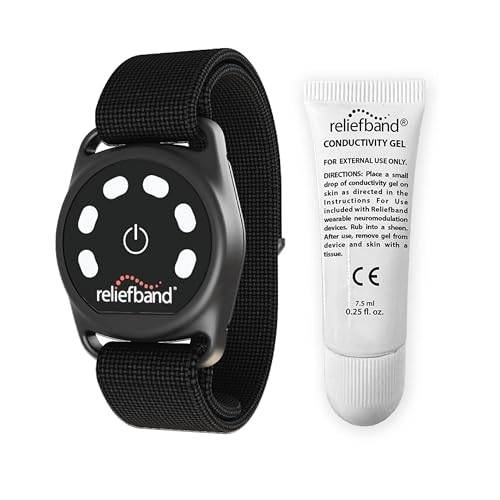
Reliefband Sport Waterproof Anti-Nausea Wristband, Black, 4–8 Inch Fit

Reliefband Flex Anti-Nausea Wristband for Motion and Morning Sickness
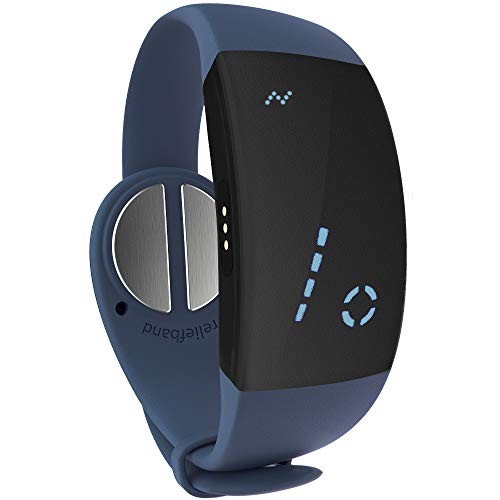
Reliefband Premier Nausea and Vomiting Relief Wristband, Slate Blue
Why These Options Stand Out
The Cozyhealth option keeps the design deliberately simple: a soft cotton band with a raised stud that presses the P6 area of the inner wrist. Acupressure is a mechanical form of pressure applied to a specific point, rather than an electronic pulse. Two pairs are included, so both wrists can be covered during a long car ride, flight, or boat journey.
For light travelers, the washable, reusable construction is easier to live with than a device requiring batteries and gel. The snug fit is intentional, though the manufacturer notes that the elastic extends to 5.5 inches and is most suitable for wrists within 4.7 inches.
Everyday Wins
- Four bands give you two complete pairs.
- Washable construction suits repeated travel use.
- The low-profile stud works without electronics.
- Compact bands fit easily into carry-on luggage.
Trade Offs
- Pressure requires a snug fit, which may feel restrictive at first.
- Measure your wrist before ordering because the stretch range is limited.
Quick Facts
Made For
You’ll appreciate this set most during frequent car, train, or boat travel without the need for an electronic device.
Another Choice May Suit
Choose the SZSTYYP Nausea Bands instead when a slimmer silicone profile matters more than the Cozyhealth band’s wider stretch range.
The Reliefband Classic takes a different route from the Cozyhealth set. Instead of pressing a stud against the wrist, it sends patterned electrical pulses to the median nerve beneath the skin, a technique known as neuromodulation. Its five intensity levels and 150-hour battery life make it a practical choice for long commutes, multi-leg flights, and frequent train journeys.
The adjustable nylon strap accommodates wrists from 4.5 to 9.25 inches, giving it broader fit potential than the smaller elastic Cozyhealth band. The trade-off is upkeep: the device uses preinstalled batteries and needs conductivity gel on the skin contact.
Standout Benefits
- Five intensity levels support personalized adjustment.
- The 150-hour runtime suits extended travel schedules.
- A broad wrist range fits more body sizes.
- The low-battery indicator reduces guesswork.
Points To Note
- It requires batteries and periodic gel application.
- Unlike a passive pressure band, it cannot be used without power.
Technical Highlights
Built With In Mind
Frequent travelers and commuters who prefer adjustable electronic stimulation will find the long runtime particularly useful.
Look Elsewhere When
The Cozyhealth Acupressure Motion Sickness Wristband is the simpler fit for anyone avoiding batteries, gel, and electronic settings.
The SZSTYYP band focuses on a narrow, low-profile design, measuring 16 millimeters across. That matters for people who want acupressure support without the visual bulk of a wider cotton band or an electronic wrist device. Its flexible silicone construction also makes it a natural companion to exercise, where a loose or heavy band can be distracting.
Like the Cozyhealth option, it places a button over the P6 acupressure point on the inner wrist. Unlike that four-band set, this model is intended to be adjusted like a watch strap, and excess material can be trimmed along marked grooves for a closer fit.
What Works In Its Favor
- The slim shape stays visually understated.
- Soft silicone remains flexible during activity.
- Adjustable construction improves wrist fit.
- Waterproof material suits active routines.
Minor Gripes
- Trimming the strap is permanent, so check the intended fit first.
- The transparent design may be less noticeable against very light skin.
Right Fit For
This band suits commuters, active users, and anyone who wants the P6 pressure point in a slim, watch-like profile.
Where A Sibling Pick Shines
The Cozyhealth Acupressure Motion Sickness Wristband is the better fit for shared travel because its set includes two complete pairs.
The Reliefband Sport is built for situations where a wristband may encounter water or movement. Its IPX7 rating means it can be fully submerged, a meaningful difference from the Reliefband Classic during swimming, water parks, or beach trips. A skin-contact sensor also switches the device off when it no longer detects the wearer’s skin.
Its flex-fit band covers wrists from 4 to 8 inches, which is narrower than the Classic’s range but practical for many users. The stated battery life is up to 30 hours, shorter than the Classic’s 150 hours, so this model favors active trips over long-term or repeated use.
Where It Helps
- IPX7 construction supports swimming and wet conditions.
- Automatic shutoff can conserve power when removed.
- Flexible sizing adjusts to a close, comfortable fit.
- The 30-hour runtime covers most day trips.
Practical Considerations
- The 4-to-8-inch range is less broad than the Classic’s fit.
- Frequent travelers may need to recharge more often.
Feature Snapshot
Who Will Love This
Swimmers, gym-goers, and travelers who need water-resistant electronic stimulation will find this model particularly useful.
Reach For A Different Pick When
The Reliefband Classic suits you better when battery life and wrist-size range matter more than waterproofing.
The Reliefband Flex emphasizes adjustable electronic stimulation rather than passive acupressure. Applying the included conductivity gel prepares the skin-contact area, after which the intensity can be adjusted to match your comfort. The manufacturer positions it for motion sickness, morning sickness, and several other nausea-related situations, including VR and AR gaming.
Compared with the Reliefband Sport, the Flex model lacks a stated waterproof rating, making the Sport the clearer companion for swimming. The Flex still appeals to users who want a flexible electronic band for daily work, travel, or gaming, though the gel and power requirements make it less convenient than a silicone pressure band.
What Helps Most
- Adjustable intensity supports different comfort needs.
- Gel application prepares the contact area for stimulation.
- The design supports travel, work, and gaming use.
- No oral product is needed during wear.
Possible Compromises
- The need for gel adds a setup step.
- Electronic use is less convenient than a passive pressure band.
Core Features
Whose Shelf It Belongs On
You’ll find this model useful for adjustable stimulation during daily routines, travel, and gaming sessions.
Swap It Out When
The Reliefband Sport is the better fit for swimmers and workouts where full submersion or water exposure is likely.
The Reliefband Premier presents a focused electronic option for people whose main concern is vomiting associated with travel or morning sickness. Like the Reliefband Classic, it uses patterned pulses to stimulate the median nerve beneath the skin. That shared mechanism makes it more closely related to the electronic models than to the Cozyhealth and SZSTYYP pressure bands.
The slate-blue finish gives it a restrained appearance for work and travel, although anyone wanting explicit control settings, detailed dimensions, or a stated water-resistance rating may find the Classic or Sport listings easier to assess. The Premier’s distinct angle is its manufacturer’s emphasis on vomiting relief rather than broader morning-sickness positioning.
Key Advantages
- Targets a clearly defined vomiting-relief use case.
- Electronic stimulation avoids a bulky pressure stud.
- The understated color suits professional settings.
- Works without an oral product during wear.
Where It May Fall Short
- It is less suitable for someone wanting a passive pressure band.
- Travelers needing water resistance should compare the Sport model.
Who Should Grab It
This model suits travelers and morning-sickness users who prioritize a discreet electronic device focused on vomiting relief.
Consider Something Else When
The Reliefband Flex Anti-Nausea Wristband offers a clearer adjustable-intensity setup for people seeking broader everyday versatility.
What Matters Before You Choose
Mechanical Pressure or Electronic Stimulation
Passive bands use a raised button to press the P6 point on the inner wrist. Electronic devices use controlled pulses aimed at the median nerve, so the two categories involve different sensations, upkeep, and price considerations. Your preference depends on whether you value simplicity or adjustable electronic control.
Fit Determines Daily Usefulness
A band that feels uncomfortable rarely stays on your wrist for an entire journey. Measure your wrist and compare it with the stated range before ordering, with particular attention to stretch limits on the Cozyhealth option and the adjustment range of the Reliefband models.
Match the Product to the Trip
Water exposure, trip length, and daily wear determine which specifications matter most. The Reliefband Sport makes sense around pools and beaches, the Classic offers the longest stated battery life, and a slim pressure band works well for short trips where carrying batteries would be unnecessary.
Maintenance and Visibility
Elastic pressure bands can be washed and reused, while electronic models require power and conductivity gel. Transparent silicone stays visually understated, and the Premier’s slate-blue finish offers another discreet option for workdays and public travel.
Practical Checks Before You Order
Common Shopping Slip Ups
The biggest mistake is comparing every band on appearance alone. Match the mechanism to your sensitivity, check the wrist range, and account for batteries, gel, water exposure, and cleaning. A band intended for occasional travel may not suit regular all-day wear.
What Separates Premium From Basic
Higher-tier electronic models add adjustable intensity, longer battery life, broader fit ranges, or water resistance. Those features matter for repeated journeys, active routines, and people who need a consistent fit, while a simple pressure band can be enough for occasional travel.
Frequently Asked Questions
Are acupressure nausea bands suitable for morning sickness?
Many wristbands are marketed for morning sickness, using either pressure at the P6 point or electronic wrist stimulation. Choose based on fit, comfort, and your preference for a passive band or an adjustable device.
How long should a nausea wristband be worn?
Wear time depends on the product and the situation. Passive bands can remain in place for travel, while electronic models require adequate battery power and properly applied conductivity gel.
Do acupressure bands work for motion sickness?
Acupressure bands apply mechanical pressure to a specific wrist point, while electronic models stimulate the median nerve with controlled pulses. Neither is guaranteed to meet every person’s needs, so a healthcare professional can help when nausea is persistent or concerning.
Can you wear a nausea band while exercising?
A slim silicone pressure band may suit exercise, provided it stays comfortably secure. Electronic exercise picks need a secure fit and adequate power, with water resistance becoming important around pools.
Are electronic nausea wristbands waterproof?
Water resistance varies by model. The Reliefband Sport has an IPX7 rating for full submersion, while other options in this category do not carry that stated protection.
Final Verdict
The Cozyhealth set offers the simplest reusable approach, while the SZSTYYP band wins on slim, activity-friendly styling. For adjustable electronic stimulation, the Classic serves frequent travelers, the Sport handles wet conditions, the Flex emphasizes flexible daily use, and the Premier focuses on vomiting relief. Choose the mechanism and fit that match your routine, then check the specifications against the journey ahead.
