

Pumping at work, during travel, or while caring for a baby requires a pump that fits into a changing routine without becoming the center of it. The six options below cover different needs, from in-bra pumping to bottle-based pumping, with varying levels of control, portability, and nighttime convenience. Your best fit depends on flange comfort, available space, and how often you pump away from home.
The Essentials At A Glance

Medela Pump in Style Pro+ Bundle

Paruu P21 2-Pack Wearable Pump
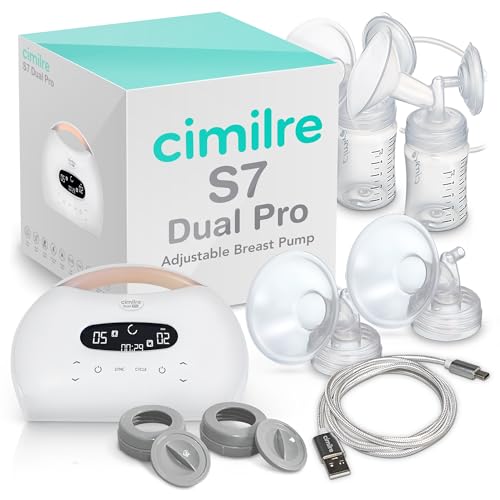
Cimilre S7 Dual Pro Breast Pump


Paruu P16 Pro Wearable Pump, 160-Minute Battery, Night Light, Champagne 2-Pack

Paruu P10 Pro Wearable 2-Pack
Taking A Closer Look At The Options
A pumping setup that changes with your day solves more problems than a single fixed format. The Medela Pump in Style Pro+ Bundle includes hands-free in-bra collection cups and a traditional bottle configuration, giving you a practical way to switch between discretion and direct pumping.
Its rechargeable motor weighs under two pounds, so it moves between rooms without requiring a wall outlet. Sixteen suction levels and a display for settings, pumping mode, and battery status make this a strong fit for anyone who values control, while the bottle setup gives it an advantage over cup-only alternatives.
Features That Help
- Two pumping formats support different schedules without buying separate devices.
- Rechargeable, cordless operation keeps pumping away from outlets.
- Sixteen suction levels provide finer adjustments during each session.
- The status display shows mode, setting, and remaining battery at a glance.
- Only three to four pump parts need cleaning, and those parts are dishwasher safe.
Practical Considerations
- The two-system bundle occupies more storage space than a cup-only setup.
- Comfort still depends on choosing a breast shield that fits you properly.
Quick Facts
Made For
You need a flexible setup for pumping at home, commuting, and working away from an outlet.
Another Choice May Suit
Choose the MAGEPAPA Wearable Pump instead when a smaller in-bra setup and a 6-ounce collection container matter more than dual formats.
Unlike the Medela bundle, the Paruu P21 focuses entirely on in-bra pumping and gives you a deeper control menu. Four modes cover stimulation, expression, steady-flow pumping, and gentle assistance for flat or inverted nipples, with 12 adjustment levels inside each mode.
Its baby-mouth flange is shaped to create an airtight seal, while the stand-up milk bowl allows the worn pump to remain upright on a table. That combination makes the P21 a sensible choice for daytime pumping at a desk or kitchen table, especially when you value precise adjustment over a bottle-based alternative.
Reasons It Performs
- Four pumping modes offer distinct patterns for different stages.
- Twelve levels allow gradual changes rather than a single fixed setting.
- Maximum suction reaches 315 mmHg, equivalent to 41 kPa.
- The rechargeable battery supports multiple sessions on one charge.
- Type-C charging works with a widely used connector format.
- The included bag organizes the motors, flanges, and inserts.
Points To Note
- The 17, 19, and 21 mm inserts still require a personal fit check for comfort and seal.
- Two pumps and a travel bag take more room than the MAGEPAPA Wearable Pump’s compact body.
Feature Snapshot
Right Fit For
You want a wearable pump with detailed mode and suction adjustments for varied daily sessions.
Look Elsewhere When
The Paruu P16 Pro Wearable Pump makes more sense for late-night pumping with its built-in night light and stated 160-minute continuous runtime.
One breast sometimes needs a different setting from the other, and the Cimilre S7 Dual Pro lets you manage each side independently. Its Sync Mode combines both sides with three cycle-speed options and adjustable suction for sessions that feel more uniform.
The 1.03-pound motor, rechargeable battery, and carrying handle support pumping in another room or taking the pump to work. A three-setting night light, backlit display, timer, quiet motor, and 30-minute automatic shutoff add practical details for nighttime and busy household routines.
What Makes Sense
- Independent side-by-side suction helps accommodate different pumping needs.
- Sync Mode offers three cycle speeds for a shared pumping pattern.
- The rechargeable motor and integrated handle make relocation straightforward.
- Three night-light settings and a backlit display support low-light use.
- A timer and automatic 30-minute shutoff simplify session management.
Less Ideal Details
- At 1.03 pounds, the motor is larger than the 0.54-pound MAGEPAPA Wearable Pump, so it suits a home or work-bag setup better than a compact in-bra routine.
Who Will Love This
You want separate controls for each breast and value nighttime visibility and automatic session management.
Where A Sibling Pick Shines
Choose the MAGEPAPA Wearable Pump instead when minimizing weight and package size is your highest priority.
At 5.6 by 2.7 by 4.3 inches and 0.54 pounds, the MAGEPAPA Wearable Pump keeps a low profile in a diaper bag or overnight bag. Its silicone horn cover sits closely against the breast to limit air leakage, while the wearable format leaves your hands available during use.
The pump includes four modes, 12 gear settings, an LED display, and memory that restores the last mode and level. That combination reduces repeated setup, while operation at 47 dB or less makes this a considerate option for shared spaces.
Everyday Perks
- The compact size fits more readily into small carry bags.
- Memory restores your previous mode and gear for faster setup.
- The silicone cover supports a close fit and reduces breast pressure.
- The display shows mode, suction level, and pumping time.
- Detachable parts are dishwasher safe for simpler cleanup.
Points To Keep In Mind
- Confirm that the 1.1-inch flange suits your nipple dimensions before purchase.
- The 6-ounce collection container requires transfer or storage planning during longer sessions.
Technical Highlights
Best Suited To
You need a small wearable pump for travel, compact storage, and discreet daily sessions.
Reach For A Different Pick When
Choose the Paruu P21 2-Pack Wearable Pump instead when four modes, 12 levels, and three included insert sizes are more important than minimum weight.
Late-night pumping becomes easier when you can see the display without turning on a bright room light. The Paruu P16 Pro Wearable Pump adds a soft night light, while its stated 160-minute continuous battery runtime supports extended sessions without frequent charging.
Compared with the Paruu P21 2-Pack Wearable Pump, the P16 Pro shifts attention from four specialized modes toward a 160-minute battery and 24 mm flange. It also includes a storage bag and dust cover, making the two-pack easier to organize for overnight bags, trips, or separate pumping locations.
The Upside
- Continuous battery runtime is listed at up to 160 minutes.
- The built-in night light reduces the need for bright room lighting.
- Four modes and 12 levels support different pumping stages.
- Suction is listed at 309 mmHg with a 24 mm flange.
- The storage bag and dust cover help organize the two pumps.
Honest Caveats
- Check the listed 24 mm flange size carefully, since fit remains personal.
- Two pumps plus the storage bag create more to carry than a single compact model.
Key Product Details
The Right Fit
You regularly pump after dark and want a longer stated battery runtime in a two-unit kit.
Swap It Out When
The Paruu P10 Pro Wearable 2-Pack suits you better when roomier 27 mm-wide flange geometry matters more than the P16 Pro’s night light.
Flange geometry can make a noticeable difference in an in-bra pump, and the Paruu P10 Pro gives the nipple more room to move. Its flange tunnel measures 27 mm wide and extends 41 mm deep, while a listed 104-degree opening angle is designed to reduce pinching and rubbing around fuller breasts.
The pink two-pack is aimed at pumping at home and on the go, with a separate unit available for each location. Compared with the 24 mm Paruu P16 Pro, the P10 Pro’s wider, deeper tunnel shifts the decision toward spacing and comfort rather than nighttime visibility.
Real-World Strengths
- The 27 mm-wide tunnel provides additional space around the nipple.
- A 41 mm-deep tunnel allows more movement during expression.
- The 104-degree opening angle is designed to limit friction.
- Two pumps can be kept in separate pumping locations.
Things That May Matter
- Confirm the listed 24 mm flange size and check the fit before a long session.
- Two complete pumps increase the amount of equipment to store and carry.
Whose Shelf It Belongs On
You prioritize a roomier in-bra tunnel and want a separate pump for home and travel.
Consider Something Else When
The Cimilre S7 Dual Pro Breast Pump fits your routine better when independent control for each breast matters more than compact in-bra geometry.
What To Prioritize In A Wearable Breast Pump
Fit Comes First
A flange is the silicone opening that surrounds the nipple and creates a seal. Its width, depth, and sizing need to feel comfortable, so compare the listed dimensions before focusing on mode counts or battery life. The Paruu P10 Pro emphasizes a wider and deeper tunnel, while the MAGEPAPA lists a 1.1-inch flange, making these measurements central to the decision.
Match Controls To Your Routine
Stimulation, expression, steady flow, and memory functions serve different stages of pumping. More levels can help you make gradual adjustments, while independent dual-side control is useful when each breast needs a different setting. Your daily pattern should determine whether those controls deserve more attention than a second pumping format.
Consider Power, Size, and Cleanup
A wearable pump becomes easier to manage when its size fits your bag and its battery supports the time between charges. Night lights, displays, and automatic shutoffs can reduce daily friction during nighttime sessions. Dishwasher-safe parts also matter, since a compact device is less convenient when cleaning takes longer than the pumping session itself.
Two Buying Traps And The Upgrade Payoff
Mistakes Worth Dodging
Avoid judging a pump by its mode count before checking flange fit and component size. Another common misstep is assuming every wearable is quiet or equally compact, so compare stated noise, dimensions, and weight against your actual surroundings.
The Upgrade Payoff
Spending more can add a second pumping format, independent side controls, a longer stated battery, or a night light. Those extras matter most for frequent pumping, split locations, and nighttime use; a compact single-cup setup may offer better value for occasional pumping.
Frequently Asked Questions
Can A Wearable Breast Pump Replace A Bottle Pump?
The Medela Pump in Style Pro+ Bundle includes both wearable cups and a traditional bottle setup, so it can serve two pumping preferences. The other picks focus primarily on in-bra pumping.
How Do I Choose The Right Flange Size?
Compare the listed flange dimensions with your nipple size, then consider the tunnel depth and angle. Correct sizing is personal, so a roomier design may not fit every person.
Are Wearable Breast Pumps Quiet?
The MAGEPAPA Wearable Pump operates at 47 dB or less, while the Cimilre S7 Dual Pro includes an ultra-quiet motor. Actual background noise depends on your room and the surrounding environment.
Can I Pump While Working At A Desk?
The Paruu P21’s upright milk bowl lets the worn pump sit on a table, while several other models provide hands-free wearing. Keep the collection container within reach and choose a setup with the controls you need.
Is A Double Electric Pump More Versatile?
The Cimilre S7 Dual Pro controls each breast independently or synchronizes both sides. That flexibility helps users with different needs on each side, while cup-only models focus on discreet in-bra pumping.
Final Verdict
The Medela Pump in Style Pro+ Bundle offers the broadest format for anyone moving between home, work, and bottle pumping. For a compact daily setup, the MAGEPAPA Wearable Pump stands out, while the Paruu P21, P16 Pro, and P10 Pro serve more specific needs involving adjustment, nighttime pumping, or flange room. Take your most common pumping environment, then match it to the features you will use most.
