

A queasy stomach can derail a flight, cruise, road trip, or even a virtual-reality session before the fun begins. The right anti nausea wristband can give you a discreet option for managing those uncomfortable moments, whether you prefer mechanical acupressure or adjustable electrical stimulation. The six options below cover family travel, saltwater adventures, swimming, gaming, and everyday use.
The Choices Worth Comparing

Sea-Band Motion Sickness Relief Family Kit with Adult, Child & Ginger

EmeTerm Explore Active 5m Dive-Ready Anti-Nausea Wristband, Glacier Purple

Three Lollies Queasy Anti-Nausea Wristbands, Blue 4-Pack
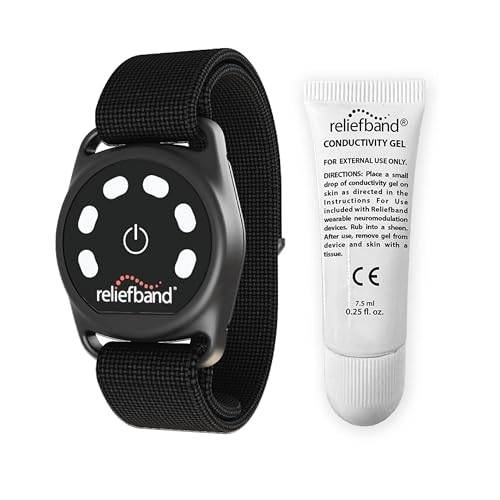
Reliefband Sport Waterproof Anti-Nausea Wristband with Extra Gel Tube, Black

Reliefband Flex Fast-Acting FDA-Cleared Drug-Free Anti-Nausea Wristband
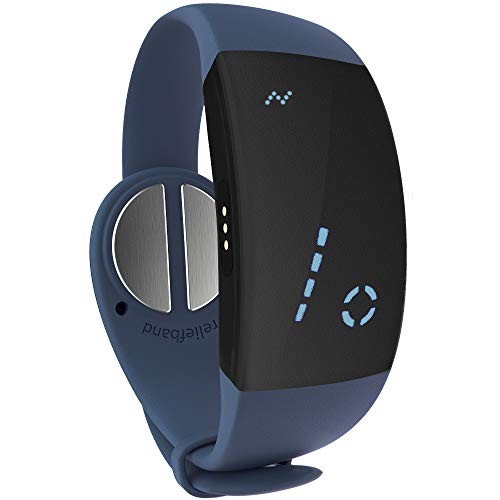
Reliefband Premier FDA-Cleared Anti-Nausea Wristband, Slate Blue
More On The Choices That Made The List
A mixed-age family heading into a long drive gets a practical kit rather than a single solution. This set includes one adult pair, two child pairs, and 24 sugar-free ginger lozenges, so everyone can have a designated option.
The wristbands use acupressure, meaning pressure applied at a specific point on the inner wrist, rather than electricity or medication. They are washable and reusable, making them easier to pack for repeated family trips. Compared with the powered designs ahead, they need no charging.
What Helps Most
- Serves adults and children in one coordinated kit
- Includes reusable wristbands for several travelers
- Adds ginger lozenges as a separate option
- Works without batteries, charging, or intensity settings
Small Caveats
- The mechanical bands depend on correct placement over the wrist point
- A family kit carries more pieces than a solo travel setup
Quick Facts
Made For
Families packing one coordinated nausea kit for adults, children, and several types of travel.
A Better Fit Elsewhere
Pool and ocean travelers get a more water-oriented setup from EmeTerm Explore Active.
A cruise day can quickly become a swim, a beach excursion, and an evening on deck. This rechargeable band is designed for those changing conditions, with salt-water resistance and protection for swimming and shallow diving to 5 meters.
Its TEAS technology uses mild electrical pulses to stimulate an acupoint on the wrist. Unlike the Sea-Band kit’s passive pressure, you can select from five intensity levels, while a ventilated fluoroelastomer strap handles sweat and movement.
Positive Points
- Handles swimming, diving, and salt-water exposure
- Offers five levels for personal adjustment
- Nickel-free electrodes suit sensitive-skin concerns
- Up to 60 hours of battery life suits long trips
Practical Considerations
- You must recharge the band before extended travel
- The 12-hour automatic shutoff calls for a daily charging routine
Technical Highlights
Who Will Love This
Active travelers who need one rechargeable band for cruises, swimming, diving, and motion-prone journeys.
Consider Something Else When
You prefer a passive, noncharging band, making Three Lollies Queasy Wristbands the simpler choice.
Some people dislike the idea of wearing a powered device before a flight or long drive. These knitted elastic bands offer the other route: a small plastic bead presses the Nei Kuan point on the inner wrist without electricity, batteries, or an app.
The four-piece set gives you two bands per wearer, matching the instruction to wear one on each wrist. That makes it useful for travel, morning sickness, migraines, vertigo, and other situations where you want a straightforward mechanical option.
Notable Gains
- Four bands cover two complete two-wrist sets
- No charging, controls, or electronic setup
- Elastic construction keeps the pressure point in position
Things To Consider
- Each wearer needs a band on both wrists
- Correct bead placement matters for consistent pressure
- Wrist snugness can feel different across users
The Right Fit
You want a simple, nonpowered wristband that you can position and wear without managing a rechargeable device.
Where A Sibling Pick Shines
You need adjustable electrical pulses and water resistance, making EmeTerm Explore Active the stronger match.
A water-resistant band makes sense for a trip that moves from a car to a plane and then a pool. Reliefband Sport carries an IPX7 rating, which means it can withstand full submersion, making it a more practical choice than a standard dry-land band.
The flex-fit band adjusts from 4 to 8 inches and includes an extra gel tube for the device’s conductive contact. Skin-sensing technology switches the device off when it no longer detects contact, helping conserve its charge during periods when you remove it.
A Few Strong Suits
- Handles full water submersion
- Adjustable band fits a broad wrist range
- Skin detection helps stop unnecessary operation
- Extra gel tube supports replacement and travel
Trade Offs
- Its stated 30-hour battery life is shorter than EmeTerm’s
- Unlike Explore Active, it is not presented for 5-meter diving
Feature Snapshot
Built With In Mind
You need a waterproof, rechargeable band for trips involving swimming, showers, or frequent water exposure.
Reach For A Different Pick When
You plan shallow diving or want a longer stated battery life, making EmeTerm Explore Active more suitable.
Reliefband Flex is built around a simple routine: apply conductive gel, choose an intensity, and wear the band. Its pulses stimulate the median nerve on the wrist, offering an adjustable alternative to the pressure-based approach used by Sea-Band and Three Lollies.
The listed uses span travel, pregnancy-related nausea, migraines, anxiety, chemotherapy-related nausea, post-surgery recovery, hangovers, and VR or AR gaming. That range makes it a general-purpose choice, though a qualified healthcare professional remains the right resource for recurring or medically related symptoms.
Useful Highlights
- Adjustable intensity supports personal control
- No pills, patches, or medication-based approach
- Compact band suits travel and gaming
- Useful across a broad range of listed triggers
Honest Caveats
- Gel application and intensity setup add steps
- Active stimulation may not suit people wanting a passive band
Who Should Grab It
You want adjustable electrical stimulation across travel, pregnancy, gaming, and other listed nausea situations.
Swap It Out When
Water exposure is central to your trip, making the waterproof Reliefband Sport a closer fit.
The Reliefband Premier takes a focused approach to motion-related nausea and vomiting. Once activated, its patterned pulses stimulate the median nerve beneath the skin, using the same broad nerve-stimulation concept found in Reliefband Flex.
Car, airplane, train, and sea travel form the core use case, with morning sickness also included. The understated slate-blue finish suits people who want a functional wrist device without looking overly athletic or technical.
Everyday Advantages
- Drug-free approach without pills or patches
- Patterned pulses provide controlled stimulation
- Designed for common car, air, train, and sea journeys
- Discreet slate-blue appearance
Potential Compromises
- Its emphasis is vomiting during travel and morning sickness
- Electrical stimulation may feel unnecessary for passive-band users
Core Details
Whose Shelf It Belongs On
You want a discreet pulse-based band centered on motion-related nausea, vomiting, and morning sickness.
Look Elsewhere When
You need a passive family kit, making the Sea-Band Motion Sickness Relief Family Kit more convenient.
What Matters Before You Choose a Wristband
Choose the stimulation style
Acupressure bands use physical pressure at a point on the inner wrist, while electronic bands send adjustable electrical pulses through skin-contact electrodes. Mechanical designs need no charging, making them easier for spontaneous trips. Powered devices offer intensity control and suit travelers who want a firmer, more personalized setup.
Match the band to your itinerary
A car ride creates a much smaller water exposure than a cruise or diving trip. EmeTerm Explore Active supports swimming and shallow diving to 5 meters, while Reliefband Sport carries an IPX7 rating for full submersion. Your actual itinerary matters more than a general travel claim.
Count the people and wrists involved
Sea-Band includes adult and child bands with ginger lozenges, while Three Lollies supplies four bands for two complete two-wrist setups. Household travel becomes easier when each person has a dedicated pair. A solo traveler may prefer a smaller, more specialized setup.
Check setup and ongoing upkeep
Powered wristbands require charging, gel, and attention to electrode contact. EmeTerm includes conductive gel, while Reliefband Flex also uses gel to improve contact. Account for that setup before a long journey, and recharge the device before leaving rather than discovering its state at the gate.
Common Mistakes to Avoid in Wristband Shopping
Mistakes Worth Dodging
Do not choose purely by the number of listed causes. Match the band to your actual trigger, such as a car ride, flight, cruise, or morning sickness. Also check whether you will use one band or several people at once, and confirm the required daily setup before purchasing.
What Separates Premium From Basic
Higher-tier models tend to add adjustable stimulation, stronger water protection, longer battery life, or more specialized straps. Those features help on active, multi-day trips but add charging and maintenance. A passive band can be the smarter choice for a short, straightforward journey.
Frequently Asked Questions
Do anti nausea wristbands work without medication?
Yes, these devices use either mechanical acupressure or electrical pulses instead of medication. They are intended to manage listed nausea symptoms, not diagnose the underlying cause.
Can you wear one during morning sickness?
Some models are specifically designed for pregnancy-related nausea and morning sickness. You should discuss recurring symptoms with an appropriate healthcare professional before adding a wearable to your routine.
Are any of these wristbands waterproof?
The EmeTerm Explore Active supports swimming and shallow diving to 5 meters. Reliefband Sport has an IPX7 rating for full submersion, while the other models are better suited to dry-land use.
Which type is easiest to travel with?
Three Lollies Queasy Wristbands require no charging, controls, or electronic setup. Families may also appreciate the Sea-Band kit because it includes adult and child pairs.
How do powered and mechanical bands differ?
Mechanical bands apply steady pressure to a point on the wrist and require no power. Powered bands deliver adjustable pulses, usually after you apply conductive gel and charge the device.
Final Verdict
Your best option depends less on a universal winner and more on the trip. Sea-Band covers family packing, EmeTerm handles demanding water exposure, and the Reliefband models serve travelers who want adjustable pulse-based control. Match the device to your itinerary, setup tolerance, and wristwear preference, then pack the charging and placement steps into your routine.
