

A damp locker-room floor, a pair of closed-in shoes, or a shared gym bag can create the conditions where fungal skin problems thrive. These eight antifungal OTC options cover distinct needs, from nail-focused gels to lightweight creams, odor-controlling powder sprays, and larger packages for everyday use.
An Overview Of The Picks
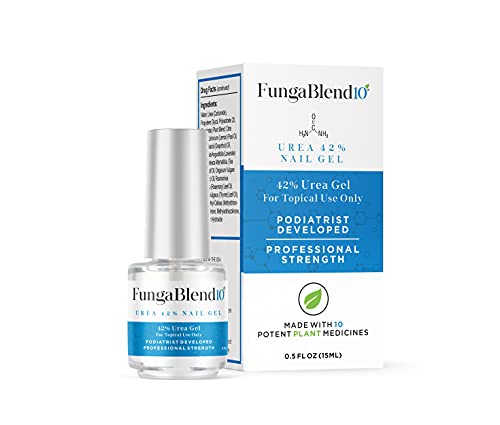
FungaBlend 10 Urea 42% Antifungal Nail Gel

Silka Antifungal Cream 1 oz, 2-Pack

Kerova Antifungal Cream 100g

Kerova Antifungal Cream 3.5 oz

Tinactin Antifungal Powder Spray 4.6 oz, 2-Pack

WELMATE Antifungal Cream 1 oz

FungaBlend 10 Antifungal Nail Gel

FungaBlend 10 Antifungal Nail Gel, 42% Urea
What Each Pick Brings To The Table
Nail problems need a different approach from the skin creams later in this list, and FungaBlend 10 uses a gel designed specifically for toenails and fingernails. Its 42% urea formula acts as a softening and thinning agent, which can make a thickened, brittle nail easier to access.
The brush applicator suits careful work at home, while the clear-drying formula avoids the colored appearance of many nail products. You may find this most useful when discoloration, brittleness, or thickness is the main concern.
Standout Benefits
- Targets the nail itself rather than surrounding skin.
- The 42% urea concentration softens and thins hardened nail material.
- A brush applicator gives you control over where the gel goes.
- The clear finish dries without a noticeable stain or strong odor.
Practical Considerations
- This is a nail gel, so it does not replace a skin cream for irritated skin between the toes.
- Regular nail trimming and protecting the nail from repeated moisture help you judge the product’s real-world fit.
Key Specs
Made For
This formula fits people dealing with thickened, brittle, or discolored toenails and fingernails who prefer a product aimed directly at the nail plate.
Where Another Pick Suits Better
Silka Antifungal Cream 1 oz, 2-Pack is the better fit for uncomfortable skin symptoms around the foot rather than changes within the nail itself.
Where FungaBlend 10 focuses on the nail, Silka is built for skin around the feet, groin, and other areas listed on its label. The cream addresses the itching, burning, cracking, and scaling commonly associated with athlete’s foot, jock itch, and ringworm.
The two 1-ounce tubes make this a practical choice for keeping one tube at home and another in a travel bag. The label limits use to adults and children over 12 and excludes nails and the scalp, so check the location before using it.
What Makes Sense
- Addresses several uncomfortable skin symptoms in one cream.
- Supports use for athlete’s foot, jock itch, and ringworm.
- Two tubes suit separate homes, bags, or travel kits.
- External-use labeling makes the application area clear.
Trade-Offs To Consider
- It is not formulated for use on nails or the scalp.
- The age restriction makes it unsuitable for younger children.
Feature Snapshot
Right Fit For
Adults and older teens who want a focused skin cream for athlete’s foot, jock itch, or ringworm can appreciate the straightforward two-pack format.
Consider Something Else When
People focused on a visibly thickened nail will find FungaBlend 10 Urea 42% Antifungal Nail Gel more closely aligned with that goal.
Kerova’s 100g tube offers more volume than the 1-ounce packages in this list, which can make it convenient for a household routine. Its lightweight, non-greasy cream is intended for skin affected by athlete’s foot, jock itch, or ringworm.
The formula combines a 1% antifungal concentration with botanical ingredients. Compared with Silka’s compact two-pack, this tube is easier to keep in a bathroom cabinet, though it may feel excessive for a small travel kit.
Strengths Worth Knowing
- The 100g tube provides generous capacity for regular use.
- A lightweight texture absorbs quickly without a heavy greasy finish.
- Botanical ingredients supplement the 1% antifungal base.
- The familiar tube format works well in a home medicine cabinet.
Details To Watch
- The larger size takes up more room in a small gym or travel bag.
- It remains a skin cream rather than a specialized nail gel.
Who Will Love This
Households that want a larger tube for common fungal skin discomforts will find the 100g package easier to keep within reach.
Not Your Match When
Tinactin Antifungal Powder Spray 4.6 oz, 2-Pack suits people who prefer a quick spray format and odor control over a cream that absorbs into the skin.
Moving from the 100g Kerova tube to this 3.5-ounce version changes the scale rather than the basic cream format. The 2% antifungal concentration is intended for common fungal skin conditions affecting the feet, groin, and other areas listed on the label.
Botanical ingredients accompany the antifungal base, and the cream is positioned for discomfort such as itching, redness, burning, cracking, and scaling. It is a sensible middle ground for someone who wants more product than a 1-ounce tube without the extra bulk of the 100g size.
Everyday Advantages
- Provides a larger amount than the compact one-ounce tubes.
- Covers athlete’s foot, jock itch, and ringworm applications.
- Uses a 2% antifungal concentration in a cream base.
- Botanical additions round out the skin-care formula.
Where It May Fall Short
- The tube is bulkier than a small cream intended for a compact travel kit.
- Its skin focus makes it less suitable for a damaged fingernail or toenail.
Technical Sheet
Best Suited To
People managing several common fungal skin areas appreciate the balance of a 3.5-ounce tube and a 2% cream formulation.
A Better Fit Elsewhere
Kerova Antifungal Cream 100g is the better fit for a household that values the largest tube and uses the cream in more than one location.
The route to application matters as much as the formula, and Tinactin takes a noticeably different path from the creams above. Its powder spray goes directly onto the feet and absorbs into the skin without a brush, fingers, or rubbing.
That format works well after a sweaty commute, during gym days, or when packing light. The deodorizing action also targets the foot odor associated with bacteria and fungi, making this a practical companion to a more targeted cream.
Benefits That Matter
- The spray format speeds up application over the feet.
- Powder absorbs into the skin instead of leaving a cream behind.
- Deodorizing action addresses foot odor as well as fungal skin concerns.
- Two 4.6-ounce cans suit separate homes or travel kits.
Points To Note
- A broad spray provides less precise placement than a cream applied to a small area.
- The powder format is intended for feet rather than fingernail or toenail surfaces.
Built With In Mind
Active athletes, commuters, and people who regularly wear closed shoes will appreciate the quick, hands-free application and odor control.
Skip It When
WELMATE Antifungal Cream 1 oz is a closer match for someone who wants to place a small amount directly on a defined patch of irritated skin.
WELMATE keeps the format uncomplicated with a 1% antifungal cream aimed at athlete’s foot, jock itch, and ringworm. Unlike the nail-focused FungaBlend formulas, it belongs on the skin and addresses the itching, burning, cracking, and scaling associated with those conditions.
The cream is described as greaseless, odorless, and non-staining, which makes it a sensible first choice for someone who dislikes the appearance or residue of heavier products. Its small tube also fits easily into a drawer, gym bag, or overnight case.
Good Reasons To Consider
- A greaseless texture suits people who dislike oily residue.
- The odorless formula keeps the application inconspicuous.
- Non-staining cream is less likely to mark clothing or bedding.
- The compact tube is easy to carry and store.
Some Limits To Know
- The 1-ounce size may be less convenient for a large household sharing one tube.
- It is a skin cream, so a specialized nail gel is the closer option for nail changes.
At A Glance
The Right Fit
First-time users who want a small, low-residue cream for ordinary fungal skin discomforts will find this format easy to understand.
Another Choice May Suit
Silka Antifungal Cream 1 oz, 2-Pack is a better fit for people who value separate tubes for home and travel over a single compact container.
This FungaBlend 10 option expands the nail-gel approach by combining a 1% antifungal component with 10 plant-based ingredients. That botanical blend differentiates it from the higher-urea formula, which concentrates on softening and thinning the nail itself.
It is designed for discolored, irritated, or broken toenails and fingernails, so it sits closer to a cosmetic nail-repair routine than the general skin creams in this list. The gel format offers a more targeted application, although a cream remains more suitable for skin between the toes.
Notable Gains
- Combines an antifungal component with 10 plant ingredients.
- The gel format targets discolored, irritated, or broken nails.
- Application is more focused than a general-purpose body cream.
- It offers an alternative to urea-focused nail softening.
Things That May Matter
- The botanical approach may not appeal to someone who prefers a simple single-ingredient skin cream.
- Its nail focus makes it less convenient for broad skin coverage.
Whose Shelf It Belongs On
People interested in nail appearance and repair alongside antifungal care will find the botanical nail gel a distinct option.
Reach For A Different Pick When
FungaBlend 10 Antifungal Nail Gel, 42% Urea is the stronger match for someone whose primary concern is a visibly thick or hardened nail.
The final FungaBlend formula combines the nail-softening role of urea with an antifungal component, joining the two approaches separated across the earlier FungaBlend options. Its 42% urea base softens and thins hardened nail material, while the gel remains aimed at discolored or broken nails.
This makes it a practical choice for someone dealing with more than one visible nail concern. The trade-off is that a cream such as Kerova Antifungal Cream 3.5 oz remains easier to spread across irritated skin around the foot.
The Upside
- Combines antifungal care with a 42% urea base.
- Urea softens and thins thickened nail material.
- The combination suits nails with discoloration, brittleness, or buildup.
- A focused gel avoids the spreading motion required by a cream.
Worth Bearing In Mind
- It is designed for nails rather than broad skin coverage.
- Active skin symptoms may call for a separate cream and advice from a qualified healthcare professional.
Quick Facts
Who Should Grab It
People with thickened or damaged nails who want both antifungal and urea-based nail care will find the combined formula especially relevant.
Where A Sibling Pick Shines
FungaBlend 10 Antifungal Nail Gel is a better fit when a botanical blend matters more than the 42% urea softening component.
Matching the Antifungal Format to the Affected Area
Nail Gels Serve a Different Purpose
Nail gels concentrate their application on the fingernail or toenail. They make the most sense when thickness, brittleness, discoloration, or visible damage is the main concern, while a skin cream remains more practical for irritation between the toes or around the groin.
Cream Concentrations Reflect Different Formulas
The creams in this list use stated antifungal concentrations of 1% or 2%, while Kerova’s two versions also include botanical ingredients. Compare the affected area, package size, texture, and label directions before choosing; active ingredient names and exact directions should be checked on the product packaging.
Sprays Prioritize Quick, Broad Application
A powder spray works best when you want hands-free coverage across the feet and added odor control. It offers less precise placement than a cream and does not target a damaged nail, so your application preferences matter more than the package size alone.
Common Mistakes and the Value of Specialized Formulas
Mistakes Worth Dodging
Do not assume a nail gel is suitable for skin, or use a cream beyond the locations named on its label. Checking age restrictions, nail-versus-skin instructions, and the presence of symptoms outside the labeled area prevents a simple mismatch.
What Separates Premium From Basic
The added value usually comes from a specialized formulation, a larger package, or a more convenient delivery style, not from a longer label. Nail-focused gels suit durable, targeted application, while cream tubes and powder sprays favor broader or faster coverage.
Frequently Asked Questions for Antifungal OTC
Can antifungal cream be used on toenails?
No, not unless the product label specifically identifies nails as an intended use area. Skin creams and nail gels are formulated differently, so choose the product made for the location or ask a qualified healthcare professional.
Which antifungal format is easiest to travel with?
A compact cream tube or powder spray is generally easier to pack than a larger cream or nail-repair set. Consider the applicator, package size, and whether the formula is intended for skin or nails.
Does less itching mean the fungal problem is gone?
Less itching can reflect symptom relief, but appearance alone does not confirm that the underlying issue has resolved. Follow the product label and seek advice from a qualified healthcare professional when symptoms persist, spread, or repeatedly return.
Can two antifungal products be layered together?
Layering products can make it harder to follow a label and may increase skin irritation. Use one product according to its directions, and ask a qualified healthcare professional before combining antifungal treatments.
When should a skin problem be assessed by a doctor?
Seek medical advice for spreading redness, warmth, swelling, pain, drainage, or symptoms that do not improve as directed. Early assessment is especially important with diabetes, immune-system conditions, or an infection involving the toenails.
Final Thoughts
The right choice depends on where the problem appears, how you prefer to apply a product, and whether your priority is skin comfort, odor control, or nail conditioning. Cream options suit exposed skin, powder sprays offer quick coverage, and nail gels provide a more focused approach for damaged or thickened nails. Follow each label carefully and consult a qualified healthcare professional for persistent or uncertain symptoms.
