

Your eyes start watering halfway through a dusty commute, your nose begins running before the office, and by evening your throat feels scratchy. Choosing the right allergy or congestion option starts with matching the symptom, active ingredient, and format to your daily routine, while checking label directions and asking a doctor or pharmacist when you take other medicines, are pregnant or nursing, or manage a health condition.
This collection covers separate needs: allergy symptom relief, a chest mucus expectorant, and nighttime sleep support. An antihistamine blocks the chemical response connected with histamine-related symptoms, while an expectorant thins mucus in the chest, so these products should not be treated as interchangeable.
Your Options, Compared
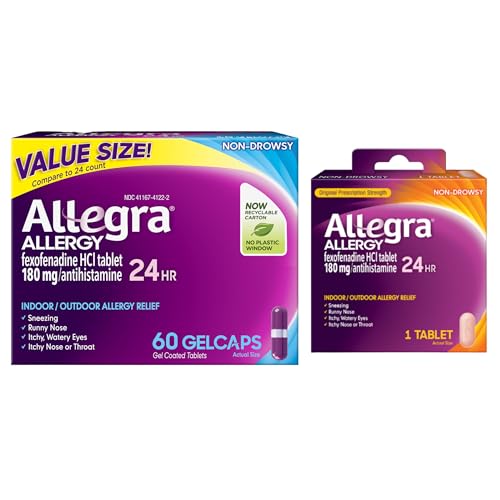
Allegra 24-Hour Allergy Gelcaps
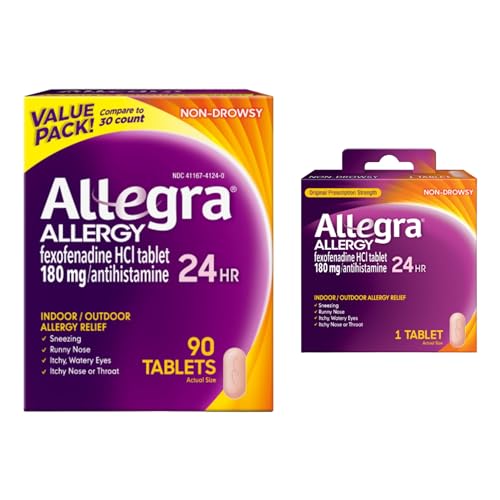
Allegra Adult 24-Hour Allergy Tablets

Zyrtec 24-Hour Liquid Gels

HealthA2Z Levocetirizine 5 mg Dye-Free Allergy Relief, 60 Count

Safrel Cetirizine HCl 10 mg Tablets, 24-Hour Pollen and Hay Fever Relief, 300 Count

guardian Mucus Relief 600 mg, 12-Hour, 100 Count

HealthA2Z Doxylamine 25 mg Sleep Aid, 120 Tablets

HealthA2Z Diphenhydramine 50 mg Softgels, 250 Count
What Each Pick Brings To The Table
A gelcap is a soft capsule containing a liquid or gel-like formulation. Allegra Adult 24-Hour Allergy Relief Gelcaps use that format for people who prefer a soft capsule over a standard tablet, with a 60-count supply plus one tablet for travel.
For an occasional allergy day complicated by errands, work, and a flight, the extra travel tablet is the practical detail that stands out. The formula is labeled for 24-hour relief of indoor and outdoor allergy symptoms, although your response and personal suitability still matter.
Practical Pluses
- The soft gelcap format may be easier to swallow for some people.
- A bonus single tablet suits a packed work bag or suitcase.
- The 60-count bottle supports a regular allergy routine.
- It is labeled for common indoor and outdoor allergy symptoms.
Practical Considerations
- The bundle offers a smaller main supply than Allegra’s 90-count option.
- Check the complete label for ingredients, warnings, and suitability with your health professional.
Quick Facts
Made For
You benefit most from this option if you want a soft gelcap, a moderate supply, and one travel-ready tablet.
Consider Something Else When
Allegra Adult 24-Hour Allergy Tablets suit you better when a larger main supply matters more than the gelcap format.
A standard tablet format and a 90-count supply make Allegra Adult 24-Hour Allergy Tablets easier to place in a long-term household routine. The package also includes a separate travel tablet, which removes the need to carry a full bottle for one short trip.
The formula uses fexofenadine, the active ingredient responsible for the labeled allergy symptom relief, and is positioned as a non-drowsy option. That description may be reassuring during a workday, though personal reactions can vary and the product label should guide your use.
Advantages To Know
- The larger supply suits households with recurring seasonal symptoms.
- A non-drowsy formula suits people who need to remain alert at work.
- The travel tablet keeps short trips simple.
- Standard tablets may be more familiar than gelcaps.
Small Caveats
- The 90-count bottle takes more storage space than the 60-count Allegra bundle.
Right Fit For
This option fits adults who prioritize a larger tablet supply and a non-drowsy label for regular indoor or outdoor allergy routines.
Another Choice May Suit
Allegra 24-Hour Allergy Gelcaps may suit you better when a soft capsule and a smaller main bottle matter more than quantity.
A 12-count bottle makes Zyrtec 24-Hour Allergy Relief Liquid Gels one of the more compact choices here. The liquid gel format, a capsule holding a liquid preparation, may appeal to someone who dislikes dry tablets or wants an easy addition to a small travel pouch.
Each gel contains 10 mg of cetirizine hydrochloride and is labeled for 24-hour relief of sneezing, a runny nose, itchy or watery eyes, and an itchy nose or throat. That broad symptom list makes it a sensible seasonal option, though it addresses allergy symptoms rather than chest mucus.
Where It Delivers
- The 12-count bottle travels easily in a carry-on bag.
- Liquid gels may be easier to swallow than dry tablets.
- The label covers several common indoor and outdoor allergy symptoms.
- Each gel provides a clearly stated active-ingredient strength.
Points To Note
- You may need to reorder sooner because the bottle holds only 12 gels.
- The product does not target the chest congestion addressed by guardian Mucus Relief.
Feature Snapshot
Built With In Mind
This pick best fits travelers and occasional users who value a small bottle and liquid gel format.
A Better Fit Elsewhere
Safrel Cetirizine HCl 10 mg Tablets suit you better when a much larger household supply matters more than portability.
HealthA2Z Levocetirizine 5 mg Dye-Free Allergy Relief gives you a tablet option centered on a dye-free formula. It is labeled for 24-hour relief of sneezing, a runny nose, and itching involving the nose, throat, or watery eyes.
The 60-count supply works well for a regular seasonal routine, although shoppers who need a deeper household stock may find the count less convenient. Levocetirizine is the active ingredient in the formula, and comparing it with other antihistamines matters because people can respond differently to similar products.
Real-World Strengths
- The dye-free formula gives ingredient-conscious shoppers a distinct tablet option.
- A 60-count bottle balances portability with a moderate household supply.
A Few Limitations
- The count is smaller than the 300-tablet Safrel option.
- It is an allergy option rather than a chest mucus product.
- Review the full label and ask a health professional about personal suitability, particularly alongside other medicines.
Who It Suits Best
This option suits adults seeking dye-free allergy tablets with a moderate supply and 24-hour symptom coverage.
Not Your Match When
Allegra Adult 24-Hour Allergy Tablets may suit you better when a non-drowsy label and a larger supply guide your choice.
For a household that expects allergy symptoms to run through much of a season, Safrel Cetirizine HCl 10 mg Tablets offer a notably large 300-count supply. The standard tablet format keeps the bottle straightforward to organize and carry at home.
The formula is labeled for 24-hour relief associated with hay fever and upper respiratory allergies, including a runny nose, sneezing, an itchy nose or throat, and itchy, watery eyes. Its cetirizine base places it in the same active-ingredient family as Zyrtec 24-Hour Liquid Gels, so the main practical distinction here is quantity and format.
Where It Excels
- The 300-count supply reduces the frequency of reordering for regular users.
- Standard tablets suit people comfortable with dry capsule formats.
- The label covers common pollen and hay-fever symptoms.
- It also addresses symptoms connected with dust, mold, and pet dander.
- The bottle provides more stock than the 12-count Zyrtec option.
Worth Noting
- The large bottle requires more shelf space and may be unnecessary for occasional use.
Key Product Details
Whose Shelf It Belongs On
This bottle best fits households that want a large tablet supply for recurring seasonal or indoor allergy routines.
Reach For A Different Pick When
Zyrtec 24-Hour Liquid Gels suit you better when compact storage and a liquid capsule matter more than bottle count.
guardian Mucus Relief addresses a different problem from the allergy tablets in this collection. Guaifenesin is an expectorant, which means it helps loosen mucus in the chest and makes coughs more productive instead of targeting sneezing, itchy eyes, or a runny nose.
The extended-release format is labeled for 12 hours, which may simplify a routine built around fewer scheduled moments during the day. Its 100-count bottle and 600 mg strength are easy to distinguish from the antihistamine options, although they require a close look at the label before you assume the symptoms align.
What Pays Off
- Extended release is labeled for 12-hour chest mucus support.
- The expectorant function differs clearly from an allergy antihistamine.
- A 100-count bottle provides a moderate stock for recurring congestion periods.
Details To Watch
- This product does not address the allergy symptoms targeted by the cetirizine and fexofenadine options.
- The 100-count bottle occupies more space than Zyrtec’s compact 12-gel package.
Technical Highlights
Made For
This choice suits people whose main concern is chest mucus and congestion rather than sneezing or itchy eyes.
Where A Sibling Pick Shines
HealthA2Z Levocetirizine 5 mg Dye-Free Allergy Relief suits you better when your symptoms point to seasonal or indoor allergies.
Occasional sleepless nights call for a different decision from seasonal allergy discomfort. HealthA2Z Nighttime Sleep Aid uses doxylamine succinate, an antihistamine with sleep-support labeling, and comes as 120 standard tablets.
The tablet format avoids the extra liquid inside a softgel, which may make this option feel simpler to some people. It is intended for occasional difficulty falling asleep, and you should review its warnings carefully, especially if you operate machinery, take other medicines, or need to be fully alert the next morning.
The Good Stuff
- Standard tablets keep storage and handling simple.
- The 120-count supply suits regular occasional-night use.
Trade Offs
- It addresses occasional sleeplessness rather than allergy or chest congestion.
- Its antihistamine connection means it belongs in a separate routine from the allergy products.
- Next-day alertness is a practical concern, so the label warnings deserve careful attention.
Best Suited To
This option suits adults who prefer standard tablets for occasional difficulty falling asleep and can plan for next-day alertness.
Look Elsewhere When
HealthA2Z Diphenhydramine 50 mg Softgels suit you better when a softgel format and a larger supply are your priorities.
A softgel is a capsule with a liquid or semi-liquid filling, and HealthA2Z Sleep Aid Softgels use that format for occasional sleeplessness. The 250-count bottle is the most substantial sleep-support supply in this group, which may reduce reordering for regular users.
Each softgel contains diphenhydramine HCl, an antihistamine active ingredient with sleep-support labeling. Compared with HealthA2Z Doxylamine 25 mg Sleep Aid, the main differences are the softgel format, ingredient, and count, so anyone already using an antihistamine should check a doctor or pharmacist for guidance on combining them.
What Earns Its Place
- The 250-count bottle supports a large household supply.
- Softgels may be easier to swallow for some people.
- The liquid-filled format distinguishes it from the standard sleep-aid tablet.
- It is labeled for occasional sleeplessness rather than cold or allergy symptoms.
Things To Consider
- Plan for next-day alertness and follow the complete label warnings.
Core Details
Who Should Grab It
This bottle fits adults who prefer softgels, want substantial stock, and use sleep support only for occasional sleeplessness.
Swap It Out When
HealthA2Z Doxylamine 25 mg Sleep Aid suits you better when a standard tablet and a smaller count are your preferred features.
How To Match Antihistamine And Decongestant Options
Start With The Symptom
Sneezing, itchy eyes, and a runny nose point toward an allergy antihistamine. Thick mucus in the chest calls for an expectorant, which loosens mucus and makes coughs more productive. Occasional trouble falling asleep belongs in a separate nighttime sleep-support category.
Read The Active Ingredient
The active ingredient is the component responsible for the labeled effect. Cetirizine appears in Zyrtec, HealthA2Z, and Safrel, while fexofenadine appears in both Allegra options. Sharing an ingredient family does not guarantee an identical personal response, so check warnings and ask a pharmacist when your routine includes several products.
Compare Format And Count
Gelcaps, liquid gels, standard tablets, and softgels change swallowing convenience and portability. A 300-count bottle suits recurring household use, while a 12-count package takes less space. Match the container to the frequency and location of use rather than treating the largest count as automatically better.
Account For Your Schedule
Some options are labeled for 24 hours, while guardian Mucus Relief uses a 12-hour extended-release format. Consider when you need support, how much space the package occupies, and whether next-day alertness could affect your plans. Follow the package directions and seek guidance from an appropriate specialist doctor when symptoms persist or seem unusual.
Key Considerations Across These Picks
Mistakes Worth Dodging
Do not treat an antihistamine, chest expectorant, and sleep aid as interchangeable. Check the label, active ingredient, warnings, and storage needs, and avoid combining products with similar ingredients without professional guidance.
What The Higher Tier Buys
A larger count, extended-release design, or specialized capsule format may improve convenience for the right routine. The upgrade pays off only when it matches your symptoms, schedule, and storage space.
Frequently Asked Questions
What is the difference between an antihistamine and a decongestant?
An antihistamine addresses symptoms associated with histamine, such as sneezing, itching, and watery eyes. A nasal decongestant is different, while an expectorant such as guaifenesin loosens mucus in the chest.
Which product is easiest to carry while traveling?
Zyrtec 24-Hour Liquid Gels has the smallest listed count and a compact bottle. Allegra 24-Hour Allergy Gelcaps and Allegra Adult 24-Hour Allergy Tablets each include a separate travel tablet.
Can allergy and sleep products be used during the same routine?
Several allergy products already contain antihistamines, and both sleep aids also use antihistamine-based ingredients. Ask a doctor or pharmacist before combining them or adding another product with a similar ingredient.
What should I check before choosing a sleep aid?
Review warnings, other medicines, and your plans for the following morning. You should also confirm with a qualified health professional that the product suits you, especially during pregnancy, nursing, or while managing a health condition.
When should persistent symptoms prompt medical advice?
Seek guidance from an appropriate specialist doctor when symptoms persist, worsen, or interfere with daily life. Seek prompt care for breathing difficulty, swelling, severe chest pain, or other urgent symptoms.
Final Thoughts
The right choice depends on the symptom, not simply the word antihistamine. Choose an allergy formula for histamine-related symptoms, a chest expectorant for mucus, and a sleep aid only for occasional sleeplessness, then confirm the label and personal suitability with a qualified health professional.
