

On a winter commute, a runny nose, scratchy throat, and persistent cough can make a common cold feel like a dozen problems at once. The catch is that most antihistamines target allergy-style symptoms rather than fever, aches, and cough, so a broader cold formula may fit better than an allergy-focused option. Your decision also depends on age, blood-pressure concerns, pregnancy, preferred format, and how many symptoms you need to address at once.
How The Shortlist Stacks Up

XL-3 Xtra Cold & Cough Capsules

Coricidin HBP Cold & Cough

Children’s Zyrtec Allergy Syrup
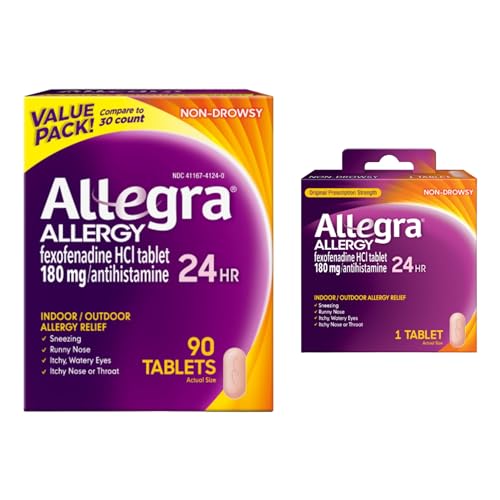
Allegra Adult 24-Hour Allergy Tablets, 90 Count + Travel Pack
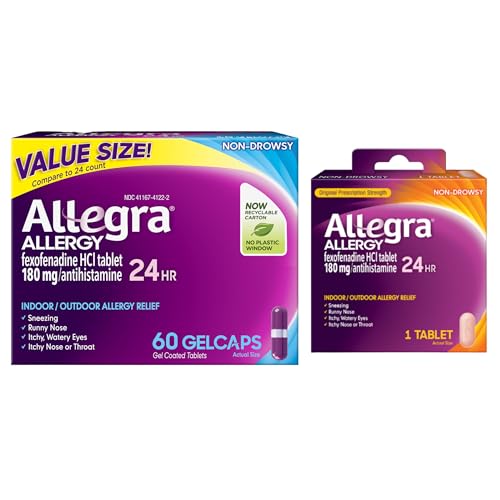
Allegra Adult 24-Hour Gelcaps

WishGarden Pregnancy Allergy

WishGarden Seasonal Rescue Liquid

WishGarden Kick-It Kids Allergy
More Details On Our Top Picks
XL-3 Xtra Cold & Cough Capsules suit adults who are dealing with several familiar cold complaints at once, including cough, congestion, runny nose, fever, headache, sore throat, and minor aches. Its four-part formula is broader than the allergy-focused entries later in the list, although Coricidin HBP Cold & Cough offers a more targeted option for people managing hypertension.
Liquid-filled capsules provide a middle ground between swallowing a tablet and taking a liquid, while two 12-count packs give you 24 capsules for home or travel. The trade-off comes with the combination formula: check the full label carefully, especially when using another cold or allergy product alongside it.
What Stands Out
- One formula addresses several cold symptom categories at once.
- Coverage includes cough, congestion, fever, headache, sore throat, and minor aches.
- Liquid-filled capsules may suit adults who dislike dry tablets.
- Two packs provide 24 capsules for separate locations or trips.
- The adult-focused format works well for home and travel use.
Practical Considerations
- Multiple active ingredient categories make label review important when combining products.
- This is an adult formulation, not a choice for children.
Key Specs
Built With In Mind
This option fits adults who want one capsule to cover several cold symptoms instead of managing separate products for cough, congestion, and aches.
Where Another Pick Suits Better
Coricidin HBP Cold & Cough is a stronger fit for adults managing hypertension who need cough and nasal-symptom coverage without a vasoconstrictive decongestant.
Coricidin HBP Cold & Cough makes its decision unusually clear for adults managing hypertension. It combines a cough suppressant and an antihistamine for cough and nasal symptoms while avoiding vasoconstrictive ingredients, which are the type commonly used to narrow swollen blood vessels in nasal passages.
Six packs of 16 tablets provide a substantial household supply, and each pack measures about 3.8 by 0.8 by 5.5 inches for storage in a medicine cabinet or travel bag. Compared with XL-3 Xtra Cold & Cough Capsules, its formula is narrower, but that focus may matter more than broad cold coverage for your situation.
Advantages To Know
- Designed for cough and allergy-style nasal symptoms without a blood-vessel-constricting decongestant.
- The six-pack supply suits households that want several packages available.
- Tablets are simple to divide among pill organizers or travel kits.
- Each package is compact enough for a desk drawer or carry-on bag.
Small Caveats
- Its symptom coverage is more focused than the four-category XL-3 formula.
- Adults taking other cough or allergy products should compare active ingredients before combining them.
Feature Snapshot
The Right Fit
This product fits adults managing hypertension who want targeted cough and nasal-symptom support in a small tablet package.
Consider Something Else When
XL-3 Xtra Cold & Cough Capsules make more sense for adults who need a broader selection of cold-symptom categories beyond cough and nasal discomfort.
Children’s Zyrtec Allergy Syrup shifts the focus from cold treatment to allergy relief for younger family members. The grape-flavored liquid is designed around indoor and outdoor allergy symptoms, making it more relevant to sneezing, itchy eyes, and runny nose than to the full collection of complaints addressed by XL-3.
An 8-fluid-ounce bottle gives you a practical household amount, and liquid dosing can be easier to manage with children who struggle with tablets. The honest limitation is its category: it is positioned for allergies, not a multi-symptom cold, so fever, aches, and congestion may need a separate evaluation and decision.
Bright Spots
- Grape flavor makes a liquid format more approachable for children.
- The syrup format avoids asking a child to swallow a dry tablet.
- It is intended for indoor and outdoor allergy symptoms across the seasons.
Details To Watch
- It does not present the broad cold-symptom coverage of XL-3 Xtra Cold & Cough Capsules.
- Follow the age-specific package directions and consult a pediatrician when you need help choosing for a child.
- The 8-fluid-ounce bottle needs an upright place in your medicine cabinet.
Who Will Love This
This syrup fits families seeking a child-oriented liquid option for seasonal allergy symptoms, particularly when tablets are not practical.
A Better Fit Elsewhere
WishGarden Kick-It Kids Allergy offers a more botanical liquid-tincture approach for parents who prefer that format for a child’s seasonal symptoms.
Allegra Adult 24-Hour Allergy Tablets prioritize a long-lasting, non-drowsy tablet format for adults. Unlike Children’s Zyrtec Allergy Syrup, this is a daytime or nighttime tablet with a 24-hour label, making it more convenient for workdays, travel, and routines that do not revolve around measuring liquid.
The package includes a 90-count bottle and a separate one-tablet travel pack, so you can carry a single tablet without opening the main supply. Compared with Allegra Adult 24-Hour Gelcaps later in the list, it offers the same broad allergy focus and 24-hour positioning in a larger tablet package.
Positive Takeaways
- The non-drowsy positioning suits adults who need daytime symptom support.
- A 24-hour label reduces the need to think about separate day and evening products.
- The 90-count bottle supports continuous household use.
- The single-tablet travel pack prevents carrying the entire bottle on a trip.
Factors To Consider
- This is an allergy formula, not a broad cold formula for fever, aches, and cough.
- Review the active ingredients before combining it with another allergy product.
Quick Facts
Made For
This option fits adults who want dependable daily allergy control without managing separate day and evening tablet supplies.
Another Choice May Suit
Allegra Adult 24-Hour Gelcaps suit adults who prefer a smaller 60-count supply and the gelcap format over traditional tablets.
Allegra Adult 24-Hour Gelcaps offer the same non-drowsy, 24-hour adult allergy positioning as the preceding tablet option, but in a different format. That makes the decision mostly about capsule preference and supply size rather than the stated duration or symptom focus.
You receive 60 gelcaps plus a separate single-tablet travel pack, giving you a smaller main container that may be easier to place in a drawer or carry-on bag. The honest trade-off is straightforward: the 90-count Allegra tablet bottle lasts longer between refills, while this package may take up less space.
Noteworthy Benefits
- The gelcap format gives adults a different option from traditional tablets.
- A 24-hour, non-drowsy label suits continuous daily routines.
- The 60-count supply requires less storage than the 90-count version.
Where It May Fall Short
- The smaller 60-count supply will need replenishing sooner than the 90-count tablet package.
- It remains an allergy-focused product rather than a broad cold formula.
Best Suited To
This package fits adults who prefer gelcaps, want a non-drowsy daily option, and value compact storage over the largest available count.
Swap It Out When
Allegra Adult 24-Hour Allergy Tablets are a better fit when you want a larger 90-count supply and do not have a preference between tablets and gelcaps.
WishGarden Pregnancy Allergy is a liquid botanical tincture positioned for shoppers seeking seasonal allergy support during pregnancy or nursing. Unlike the Allegra entries, its appeal comes from the intended audience and herbal format rather than a conventional tablet designed for 24-hour adult allergy use.
The 2-fluid-ounce bottle is compact enough for a handbag or medicine cabinet, and the source lists traditional herbs associated with seasonal support. Because pregnancy and nursing can change which approaches are appropriate, an appropriate specialist clinician should review the label and ingredients before you use it.
Useful Highlights
- The formula is specifically positioned for pregnancy and nursing shoppers.
- The tincture format avoids a dry tablet or a large bottle.
- Botanical ingredients offer a different approach from the conventional allergy entries.
Potential Drawbacks
- Its seasonal-support positioning is narrower than the multi-symptom purpose of XL-3 Xtra Cold & Cough Capsules.
- The 2-fluid-ounce bottle provides less product than the larger WishGarden seasonal option.
- Ingredient review and professional guidance are especially important during pregnancy or nursing.
Core Details
Right Fit For
This tincture fits pregnancy and nursing shoppers seeking a compact botanical product for seasonal allergy support after reviewing it with a specialist clinician.
Where A Sibling Pick Shines
WishGarden Seasonal Rescue Liquid is a better fit for adults seeking a larger general-purpose seasonal tincture without a pregnancy-specific positioning.
WishGarden Seasonal Rescue Liquid offers a general botanical tincture for adults who want a liquid approach to seasonal allergy support. Compared with WishGarden Pregnancy Allergy, it removes the pregnancy-specific positioning and provides a larger 4-fluid-ounce supply for regular household use.
The label describes a traditional blend intended for sneezing, sniffles, and itchy or watery eyes associated with pollen, mold, and animal dander. Its liquid format is more portable than a 90-count Allegra tablet bottle, although the larger bottle takes up more space than the 2-ounce pregnancy-focused option.
A Few Highlights
- The liquid format offers an alternative to allergy tablets and syrups.
- A 4-fluid-ounce bottle provides more product than the pregnancy-focused tincture.
- The seasonal position targets several common allergy-related complaints.
- Traditional botanical ingredients give the formula a distinct approach.
Trade Offs
- The larger bottle requires more storage than a 2-fluid-ounce tincture.
- It is positioned for seasonal allergies rather than the broader symptom set addressed by XL-3.
Whose Shelf It Belongs On
This tincture fits adults who prefer a general seasonal botanical liquid and want more supply than the pregnancy-focused formula.
Not Your Match When
Allegra Adult 24-Hour Allergy Tablets suit adults who prefer a conventional 24-hour tablet and a larger ready-to-travel tablet supply.
WishGarden Kick-It Kids Allergy keeps the liquid format in the family category while taking a botanical-tincture approach. Unlike Children’s Zyrtec Allergy Syrup, it uses a tincture with traditional herbs and carries a non-drowsy label for seasonal sneezing, itchy eyes, and nasal symptoms.
The 2-fluid-ounce bottle uses a pump-style dispenser, and the liquid can be mixed into water, juice, or tea for children with strong flavor preferences. You still need to follow the package directions, and a pediatrician should guide product selection for a child.
What It Does Well
- The liquid format suits children who prefer avoiding capsules or tablets.
- Mixing options help accommodate picky palates.
- The formula is positioned for several familiar seasonal allergy complaints.
- A 2-fluid-ounce bottle remains compact for family medicine storage.
Things To Weigh
- The botanical tincture has a different ingredient structure from a conventional children’s syrup.
- This formula is not intended for use during pregnancy or nursing.
At A Glance
Who Should Grab It
This option fits parents seeking a child-oriented botanical liquid for seasonal symptoms, particularly when mixing the liquid makes administration easier.
Look Elsewhere When
Children’s Zyrtec Allergy Syrup is a better fit for families who prefer a conventional flavored syrup rather than a botanical tincture.
What Matters Before You Choose a Cold or Allergy Option
Separate Cold Symptoms From Allergy Triggers
Sneezing, a runny nose, and itchy eyes can occur with either allergies or a cold, so recognizing the broader pattern matters. Fever, body aches, and a cough that develops alongside other cold complaints point toward a broader cold formula, while exposure-driven symptoms with no other cold signs may align more closely with an allergy option.
Decide How Broad the Formula Must Be
A multi-category cold formula can cover more symptom types within one product, while an allergy-focused option may suit a narrower set of complaints. You gain convenience from a broader formula, but you also take on a longer ingredient list and a greater need to check for overlap with other products.
Check Labels Before Combining Products
Two products can share active ingredients even when their names and purposes look different. Read the full label, follow its directions, and ask a pharmacist or appropriate healthcare professional when you are unsure how two products fit together.
Account for Household Needs
Children, pregnancy, blood-pressure concerns, and frequent travel all change which format makes practical sense. A syrup may be easier for a child, a compact bottle may fit a small medicine cabinet, and a targeted formula may make more sense when a particular ingredient conflicts with your health history.
Picking the Right Formula Without Overcomplicating It
Wrong Turns To Avoid
Do not assume an allergy product handles every cold symptom, since fever, aches, and cough require a different decision. You also lose important information by choosing on flavor or package size alone, so compare the active ingredients and intended audience before buying.
Where The Extra Money Goes
A higher cost can reflect a larger count, a travel-ready component, a specialized ingredient profile, or a format made for a particular group. Those differences matter when they match your routine, while a simpler product may still make more sense for occasional, narrowly defined use.
Frequently Asked Questions for Antihistamine For Colds
Can an antihistamine ease every cold symptom?
No. Antihistamines mainly address symptoms that overlap with allergies, such as sneezing and runny nose, while cough, congestion, aches, and fever may need separate attention. A broader cold formula may therefore suit a wider collection of symptoms.
Is a multi-symptom cold formula right for me?
A multi-symptom formula suits adults dealing with several cold complaints at once, while a single-focus allergy option may fit a narrower pattern. Check the label and follow its directions before choosing or combining products.
Can I use these products with other allergy or cold medicines?
Do not combine products until you compare their active ingredients, since duplicated ingredients can increase the risk of taking too much. A pharmacist can help you assess the label information and your current routine.
Are herbal tinctures the same as conventional allergy medicines?
No. Herbal tinctures use botanical ingredients and have a different formulation from conventional allergy products. Discuss any tincture with a qualified healthcare professional, particularly during pregnancy, nursing, or use alongside other medicines.
What should I do if cold symptoms linger?
Cold symptoms can overlap with other illnesses, so persistent or worsening symptoms deserve professional attention. Seek prompt medical care for breathing difficulty, chest pain, confusion, or signs of severe dehydration.
The Takeaway
The right choice depends on your symptom pattern and household needs. XL-3 offers broad adult cold coverage, Coricidin HBP serves a narrower blood-pressure-conscious use case, the Allegra choices emphasize daily allergy support, and the Zyrtec and WishGarden products address liquid-format needs for children, seasonal support, or pregnancy-focused shopping. Read the label, match the formula to the symptoms, and let a qualified clinician handle uncertain health questions.
