

A blood pressure monitor becomes easier to use when it fits your routine, stores readings clearly, and doesn’t require constant adjustment. At-home checks can help you or someone you care for follow a consistent monitoring habit, whether you’re starting a new health plan or simply want a compact device ready beside the bathroom scale.
The options below range from upper-arm monitors with color-coded displays and multi-user memory to a wrist model for travel and a replacement cuff for compatible equipment. One wearable focuses on broader fitness metrics rather than blood pressure, so it’s worth understanding that difference before choosing.
A Quick View Of The Lineup

Ozeri BP9W Color-Alert Monitor

ZDEER No-Wrap Upper Arm Monitor

Careforyou Dual-Tube Reusable Adult NIBP Cuff
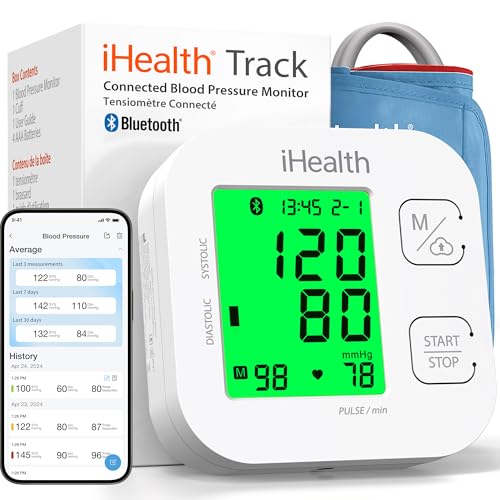
iHealth Track Upper Arm Monitor

iHealth Neo Wireless BP Monitor
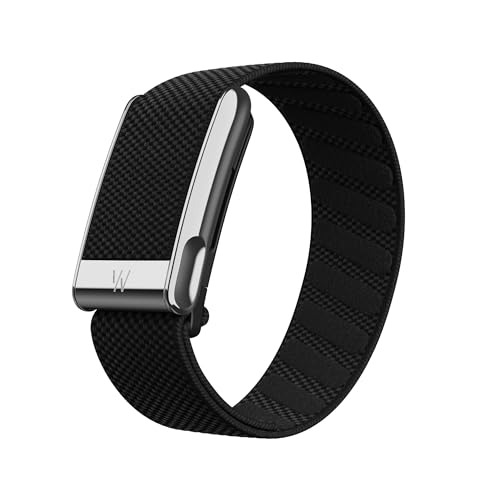
WHOOP 5.0/MG Activity and Sleep Tracker, 12-Month Membership, 14+ Day Battery
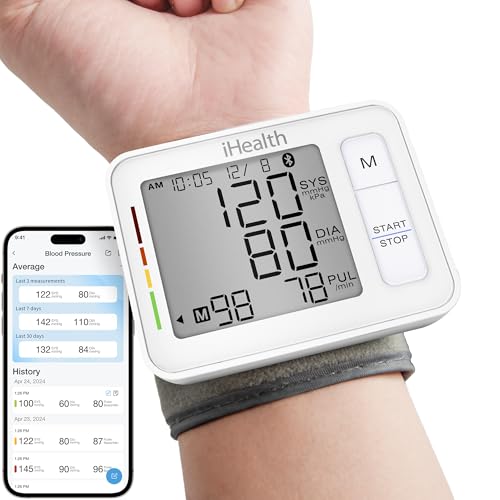
iHealth Push Wrist Monitor
A Breakdown Of The Leading Choices
The Ozeri BP9W brings the systolic and diastolic numbers onto a split screen, then adds five color categories that run from green through red. That layout makes it useful on a busy morning, especially when you want to distinguish the two numbers without decoding a crowded display.
Its memory is the standout for households. The monitor stores 1,197 readings across three profiles, with 399 entries assigned to each person, plus date and time stamps. Automatic irregular-heartbeat detection and one-button access to averages add useful context without making the everyday process feel complicated.
What It Does Well
- Separate systolic and diastolic color classifications make the display easier to interpret at a glance.
- Three separate profiles keep household readings from becoming one mixed history.
- Date and time records help you distinguish a current check from an earlier measurement.
- Push-button averaging gives you a quick way to review recent values without navigating a complex menu.
Things To Consider
- The color categories are an interpretation aid, so the actual numbers still deserve your attention.
- A large 399-reading history per profile can accumulate old entries, making date labels important during review.
Key Specs
Who Will Love This
You will appreciate this model most when several people need separate, color-coded readings in one household.
Look Elsewhere When
The ZDEER No-Wrap Upper Arm Monitor fits people who prioritize effortless cuff placement over three-person memory.
Sliding your arm into the barrel-style cuff removes the usual Velcro struggle, which makes this ZDEER model particularly approachable for an older adult or anyone managing a monitor with limited hand dexterity. One button starts the process, and the results appear together on a large display.
Three profiles with 199 readings each give family or caregiver use more structure than a single-user memory. A pulse-irregularity reminder adds attention during measurement, while USB power and four-AA battery operation offer two practical ways to keep the device ready.
Useful Touches
- The barrel-style cuff removes the need to wrap and secure a traditional strap.
- One-touch operation keeps daily checks approachable for first-time users.
- Separate storage for three users prevents family histories from overlapping.
- USB and battery power support different locations around the home.
Practical Considerations
- The cuff accommodates 8.5- to 15.7-inch arms, so measuring before purchase is worthwhile.
- The reminder identifies pulse irregularities but does not replace the need to record and review the complete result.
- Using USB power keeps the monitor stationary, which suits a bedroom but not a packed travel bag.
Quick Facts
Made For
This monitor suits older adults, caregivers, and anyone who wants the least complicated upper-arm setup.
A Better Fit Elsewhere
The Ozeri BP9W Color-Alert Monitor serves households that value separate profiles and detailed date-and-time history more than no-strap placement.
The Careforyou Dual-Tube Reusable Adult NIBP Cuff is an accessory rather than a complete monitor. NIBP stands for noninvasive blood pressure, and this cuff is intended for compatible patient monitors or ambulatory blood pressure equipment that uses the required connection.
Its defined 25- to 35-centimeter arm range makes selection more straightforward for an adult setup. The dual-tube arrangement and included bladder cover the key components needed for a reusable cuff, while nylon construction suits routine handling in a home clinic, training space, or care setting.
Everyday Advantages
- The reusable design supports repeated checks without replacing a disposable cuff each time.
- A stated 25-35-centimeter range helps you match the cuff to the intended arm.
- The included bladder and dual-tube layout fit compatible monitoring equipment.
Possible Compromises
- This cuff does not measure blood pressure without a compatible monitor.
- The connector and tubing arrangement must match your existing equipment.
- Its adult sizing excludes smaller child or pediatric cuffs.
Built With In Mind
This option works for a home clinic, training setup, or caregiver who already owns compatible noninvasive blood pressure equipment.
Another Choice May Suit
The ZDEER No-Wrap Upper Arm Monitor is a better fit when you need a complete measuring device rather than a replacement cuff.
The iHealth Track focuses on readable results rather than elaborate controls. A large, backlit display uses green, yellow, and red color coding, so the key numbers remain easy to see in a dim bathroom or at the end of a long day.
Two buttons handle the operation, while the wide-range cuff is intended to accommodate different arm sizes. Compared with the Ozeri BP9W, this model offers a more streamlined display and fewer controls, making it a sensible option for a routine that centers on quick, repeatable checks.
Positive Takeaways
- Oversized numbers reduce the visual effort involved in each reading.
- Backlighting makes the display easier to check in low-light rooms.
- Two-button operation keeps the daily process uncomplicated.
- The wide-range cuff offers flexibility across a broader set of arm sizes.
Small Caveats
- Color categories summarize the result, but the displayed values remain the meaningful reference.
- Correct cuff placement still matters in a home routine where the device is used without guidance.
Feature Snapshot
The Right Fit
You will like this model for uncomplicated daily checks, especially when a large, illuminated display matters most.
Consider Something Else When
The Ozeri BP9W Color-Alert Monitor offers more extensive multi-user history and separate systolic and diastolic classifications.
The iHealth Neo combines an upper-arm monitor with wireless app syncing, giving you a practical way to keep readings out of a notebook. One-button operation keeps the device approachable, and its gentle inflation approach is designed to make regular checks feel less intrusive.
The monitor conforms to relevant accuracy standards and needs no calibration, which makes it appealing for a household building a long-term record. Compared with the iHealth Track, the Neo adds app connectivity and a gentler measurement approach without introducing a complex control panel.
Useful Strengths
- Wireless syncing makes organized record-keeping more convenient.
- One-button operation reduces the number of steps in a daily check.
- Gentle inflation is designed for comfort during repeated upper-arm measurements.
- No routine calibration requirement simplifies the ownership experience.
Details To Watch
- App-based organization means your phone becomes part of the review routine.
- Wireless syncing depends on a compatible phone and app setup, so check that fit before purchasing.
Who Should Grab It
This monitor suits people who want simple controls and a phone-based history without navigating a complicated interface.
Skip It When
The iHealth Track Upper Arm Monitor may suit you better if you prefer a large backlit display and two-button operation over app syncing.
The WHOOP 5.0/MG belongs beside a fitness tracker rather than beside a blood pressure monitor. It follows activity and sleep around the clock, then organizes metrics such as strain, recovery, heart rate, heart rate variability, VO2 max, muscular load, steps, and women’s hormonal insights.
For a runner or endurance athlete, that continuous view can help explain how training and recovery fit together. The 14-plus-day battery reduces charging interruptions, while the 12-month membership is part of the package. It simply doesn’t take blood pressure readings.
Where It Helps
- Round-the-clock tracking connects daily activity with sleep and recovery patterns.
- Personalized coaching turns the collected metrics into guided fitness insights.
- Heart rate variability, VO2 max, and muscular load add depth to training records.
- The 14-plus-day battery suits long trips and demanding training schedules.
Points To Note
- No upper-arm or wrist cuff is included, so it cannot replace a blood pressure monitor.
- The 12-month membership is an ongoing part of the ownership arrangement.
- Its fitness metrics serve a different purpose from tracking systolic and diastolic readings.
Core Details
Whose Shelf It Belongs On
This wearable belongs with an athlete, endurance enthusiast, or anyone building a detailed recovery routine.
Reach For A Different Pick When
The iHealth Push Wrist Monitor is the better choice when your priority is an actual blood pressure reading with app syncing.
The iHealth Push is built around portability. Its lightweight wrist format fits more easily into a carry-on bag or office drawer than a rigid upper-arm unit, making it a natural choice for people who travel or want a monitor close at hand throughout the day.
Built-in Bluetooth sends results to the companion app, so you can organize readings away from the device. Its inflation system is designed to reduce discomfort and measurement time. Compared with the iHealth Neo, the main shift is from an upper-arm cuff to a wrist-worn format rather than a change in basic home monitoring.
A Strong Showing
- The compact, lightweight design fits comfortably into a travel routine.
- Bluetooth syncing keeps readings available in the companion app.
- The inflation approach is designed for a quicker, more comfortable measurement.
Where It May Fall Short
- The wrist format needs a comfortable fit and consistent placement for a repeatable routine.
- App organization depends on a compatible phone and a working Bluetooth connection.
Details At A Glance
Best Suited To
You will find this wrist monitor useful for frequent travel, office checks, or a compact monitoring setup kept within reach.
Swap It Out When
The iHealth Neo Wireless BP Monitor is a better fit when you prefer an upper-arm cuff and gentler inflation at home.
What Matters Before You Choose Your Monitor
Cuff Fit And Placement
Cuff size determines whether the device fits your arm properly, so measure before making a decision. The ZDEER No-Wrap Upper Arm Monitor covers arms from 8.5 to 15.7 inches, while the Careforyou cuff serves a defined 25-35-centimeter range for compatible equipment.
Upper-arm and wrist formats serve different routines. An upper-arm model stays at a dedicated station, while a wrist monitor can travel in a pocket or drawer. Consider where you expect to take measurements before choosing the shape.
Display And Stored History
A large display helps during rushed checks, especially when numbers are presented in color. The Ozeri BP9W separates systolic and diastolic classifications, while the iHealth Track uses a large backlit screen with three color categories.
Storage depends on your household. Separate profiles are useful for families, while date and time labels make older entries easier to distinguish from current results. App syncing offers a different approach, but it also requires a compatible phone.
Controls, Power, And Routine
One-button operation suits anyone wanting fewer steps, while barrel-style cuff placement can make a daily check more approachable. USB power keeps a monitor in one location, and battery operation provides more flexibility.
Compare the control layout with the routine you actually have. A device stays useful when the setup feels manageable, the cuff fits, and the display remains easy to read.
Key Details That Shape Your Choice
Common Shopping Slip Ups
The most common mistake is choosing by display style before checking cuff compatibility. Another is assuming app syncing, multiple profiles, and automatic reminders all matter equally.
Choose the features that support your actual routine. A compact wrist format, a large screen, and separate user profiles serve different needs, so buying for an imagined routine can leave useful features unused.
What Separates Premium From Basic
Higher-tier monitors may add multi-user memory, wireless record syncing, irregular-heartbeat notices, more detailed displays, or flexible power options. Those extras help when you need them, but they don’t compensate for an unsuitable cuff.
A basic one-button monitor may serve a single person perfectly. Spending more becomes more useful when your priorities include travel portability, shared household tracking, or organized long-term records.
Frequently Asked Questions
Are upper-arm or wrist blood pressure monitors better for home use?
Upper-arm monitors suit a fixed home routine, while wrist monitors offer greater portability. The better choice depends on cuff fit, display visibility, and how often you travel.
Which monitor is easiest for someone new to taking readings?
The ZDEER No-Wrap Upper Arm Monitor uses a barrel-style cuff, one-button operation, and a large display. Those features reduce the number of adjustments required during a check.
Can one blood pressure monitor store readings for several people?
Yes, models with separate profiles can keep household histories organized. The Ozeri BP9W and ZDEER No-Wrap Upper Arm Monitor both support multiple users, with 399 and 199 readings per profile respectively.
Do I need a monitor with app syncing?
App syncing is useful when you want digital records on your phone. The iHealth Neo and iHealth Push support that workflow, while the Ozeri BP9W stores readings directly on the device.
Is the Careforyou Dual-Tube Reusable Adult NIBP Cuff a complete monitor?
No, it’s a reusable cuff for compatible noninvasive blood pressure equipment. You need a separate compatible monitor, matching tubing connection, and an arm circumference within its 25-35-centimeter range.
Final Verdict
The ZDEER No-Wrap Upper Arm Monitor is the most approachable choice for a simple daily setup, while the Ozeri BP9W offers richer household organization. The iHealth models suit people who value app-connected records, and the compact iHealth Push fits mobile routines. Choose the format, fit, and storage features that support the way you actually plan to use it.
