

After a long evening out, you may want a quick personal alcohol reading without visiting a clinic or relying on a rough estimate. An at-home breathalyzer can provide that reference, especially for households that want one device for several adults or travelers who want a compact check in a bag. The right choice depends on display visibility, sensor type, app support, mouthpieces, and how easily the device fits your routine.
A breathalyzer estimates alcohol concentration from a breath sample. It should never be used to decide whether you can drive, and readings taken too soon after drinking can be distorted by alcohol still present in the mouth.
The Main Contenders
Winload Breathalyzer
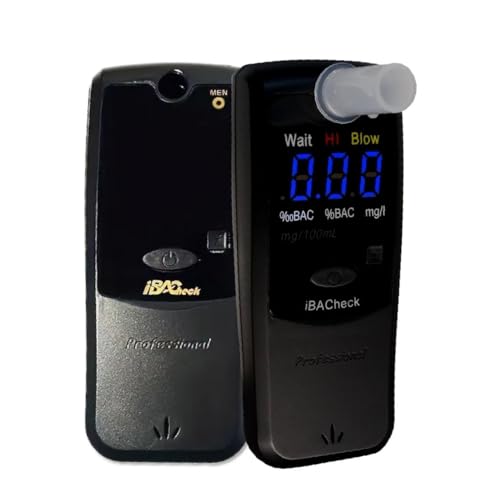
iBACheck Breathalyzer with LED, 10 Memories, Long Battery Life

BACtrack S80 Breathalyzer

BACtrack C8 BAC Breathalyzer

BACtrack C6 Keychain Breathalyzer

BACtrack Mobile App Breathalyzer
The Picks, Examined More Closely
A dinner at home can leave you wondering whether enough time has passed for alcohol to leave your body. The Winload Breathalyzer takes a personal-reference approach with a small body, a carrying pouch, and three AAA batteries, making it practical for a nightstand drawer or travel bag.
The LCD screen can show results in percent, per mille, or milligrams per liter, and an audible warning appears above 0.05%, 0.5‰, or 0.25 mg/L. For a shared gathering, the included set of 20 washable, replaceable mouthpieces is more accommodating than a single-piece accessory.
A Few Strong Suits
- Twenty reusable mouthpieces suit households and gatherings with several adults.
- A 15-second warm-up and three-second response keep the daily sequence straightforward.
- Three result units reduce confusion when comparing readings with familiar references.
- The pocket-sized body and pouch make storage in a bag or drawer uncomplicated.
Practical Considerations
- Three AAA batteries are required but are not included with the device.
- It is intended for personal reference, not for making a driving decision.
Quick Facts
Who It Suits Best
This model suits households that want a simple personal-reference device and value separate mouthpieces for multiple adults.
A Better Fit Elsewhere
The iBACheck Breathalyzer with LED, 10 Memories, Long Battery Life suits people who prioritize night visibility and stored readings.
Where the Winload model leans on abundant mouthpieces, the iBACheck Breathalyzer with LED, 10 Memories, Long Battery Life focuses on repeat use and visibility. Its semiconductor sensor produces a reading within seconds, while the LED display remains useful in dim rooms or late-night gatherings.
Ten stored readings can make repeated personal checks easier to organize, and the device is listed for up to 350 checks using alkaline batteries. A red HI indicator and alarm appear above 0.50‰ BAC, making the alert setting visible as well as audible.
Good Reasons To Consider
- The backlit display improves readability in low-light settings.
- Ten memories suit households that want to review several recent readings.
- Configurable alert levels and default units support different personal reference needs.
Worth Noting
- Waiting about 15 minutes after drinking helps reduce distortion from alcohol in the mouth.
- Readings below 0.008% BAC display as zero, so the display does not show every trace measurement.
- Only six additional mouthpieces are included.
Made For
This model fits people who often make personal checks in dim rooms and want recent readings stored on the device.
Consider Something Else When
The Winload Breathalyzer suits larger gatherings where twenty individually assigned mouthpieces are more useful than ten stored readings.
Unlike the iBACheck model, which centers on a semiconductor sensor and customizable alerts, the BACtrack S80 is presented as a professional-grade personal device with FDA 510(k) clearance. That regulatory positioning gives it a more formal profile for people who put documentation and established product history ahead of extra household features.
TheWirecutter also featured the S80 in its 2022 research on personal breathalyzers. For your purposes, the key point is straightforward: this is a personal reference instrument, not a device intended to replace roadside measurement or professional evaluation.
Strengths Worth Knowing
- FDA 510(k) clearance adds formal regulatory context to the product.
- Professional-grade positioning suits buyers focused on device credibility.
- Recognition in Wirecutter’s 2022 research gives the model a documented place in the category.
Where It May Fall Short
- Its listed appeal centers on professional positioning rather than storage, apps, or a large mouthpiece assortment.
Core Details
The Right Fit
The S80 fits people who want a professional-grade personal reference and place regulatory clearance ahead of app features.
Swap It Out When
The BACtrack C8 BAC Breathalyzer suits people who want fuel-cell sensing, ZeroLine estimates, and optional app support.
The C8 takes BACtrack’s professional-grade positioning and pairs it with the BluFire fuel cell sensor, a technology described as trusted by hospitals, clinics, and law enforcement. Unlike the S80’s emphasis on regulatory clearance, this model puts alcohol sensing and useful digital extras at the center.
ZeroLine estimates how long your blood alcohol concentration may take to return to 0.00%, while the optional app can support a more connected record of your readings. In the honest read, this is the more versatile BACtrack choice for someone who wants both a standalone display and optional phone features.
Everyday Wins
- The BluFire fuel cell sensor supports the model’s professional-grade positioning.
- ZeroLine adds a time estimate beyond the immediate BAC reading.
- Optional app support suits people who like organized personal records.
- You can use the core device without making the app part of every check.
Small Caveats
- ZeroLine provides an estimate, not a guarantee about future readings or driving safety.
- Anyone interested in app features should verify current phone compatibility before purchasing.
Feature Snapshot
Who Will Love This
This model suits people who want a fuel-cell breathalyzer, a future-BAC estimate, and optional app-based organization.
Another Choice May Suit
The BACtrack S80 Breathalyzer suits people who prioritize formal regulatory clearance over app tools and time estimates.
After a full-size device meets a crowded pocket, the BACtrack C6 Keychain Breathalyzer makes a more compact case. It retains BACtrack’s BluFire fuel cell sensor and professional-grade positioning while presenting itself as an easy everyday carry item.
The ZeroLine feature estimates when your blood alcohol concentration may return to 0.00%, and app support is available for people who want digital records. Compared with the BACtrack C8 BAC Breathalyzer, the main decision point is portability: the C6 is designed to stay closer to your keys.
Why It Works Well
- Keychain sizing suits pockets, handbags, backpacks, and travel organizers.
- The BluFire fuel cell sensor preserves the brand’s professional-grade approach.
- ZeroLine adds a projected timeline alongside the BAC estimate.
- Optional app support gives you a choice between quick standalone use and connected records.
Trade Offs
- The compact format favors portability over the more substantial feel of a full-size home device.
- Verify current phone compatibility before buying if you expect to use the optional app.
Built With In Mind
This model fits commuters, travelers, and anyone who wants professional-grade sensing in a device easy to carry.
Look Elsewhere When
The BACtrack C8 BAC Breathalyzer suits people who prefer a full-size device for stationary home use.
The BACtrack Mobile App Breathalyzer moves the display experience to your phone while keeping the sensing hardware in a separate rechargeable unit. Its Xtend fuel cell sensor provides the professional-grade foundation, and the listing compares it favorably with a police-grade model in a New York Times review.
For people who already manage personal records through a phone, that connected format can feel more natural than reading from a standalone screen. Unlike the BACtrack C8 BAC Breathalyzer and BACtrack C6 Keychain Breathalyzer, this model places rechargeable power and app connection at the center of the ownership experience.
The Upside
- The rechargeable format removes the need for routine disposable-battery changes.
- App connectivity suits people who want readings organized through a phone.
- The Xtend fuel cell sensor supports the model’s professional-grade positioning.
- The New York Times comparison adds context to its smartphone-focused design.
Points To Keep In Mind
- Your phone and the app become a larger part of the ownership routine.
- Verify current app and phone compatibility before relying on connected features.
Technical Highlights
Best Suited To
This model suits phone-centered users who prefer rechargeable equipment and connected alcohol records.
Reach For A Different Pick When
The BACtrack C6 Keychain Breathalyzer suits people who want a small standalone device without a phone-centered workflow.
What To Look For In A Home Breathalyzer
Start with the reading, not the feature list. BAC means blood alcohol concentration, and different breathalyzers may display it as a percentage, per mille, or milligrams per liter. Compare the unit before interpreting a number, especially when moving between devices that use different reference units.
Read The Number Correctly
A personal breathalyzer estimates BAC from your breath, but the reading can be distorted by alcohol still in the mouth. The iBACheck model calls for a wait of about 15 minutes after drinking, which reduces that source of error without making the device a driving-safety instrument.
Match The Sensor To Your Situation
A semiconductor sensor provides fast personal readings, while BACtrack’s fuel cell models take a more specialized approach. The latter may suit users who prioritize professional-grade positioning, sensor technology, or app-connected estimates rather than a large set of mouthpieces.
Plan For Power And Portability
Alkaline batteries suit devices kept at home, while rechargeable equipment works better for frequent phone-based use. A pouch or keychain format matters for travel, and you should also account for mouthpieces, cleaning, app compatibility, and the space required to store the device between uses.
Common Sense Before You Choose
Common Shopping Slip Ups
Comparing numbers in different BAC units can create a false impression that one device is more sensitive. Check the displayed unit, wait the recommended period after drinking, and never use a home reading to decide whether you can drive.
What Separates Premium From Basic
Fuel cell sensing, app support, stored readings, rechargeable power, and formal regulatory context account for many price differences. The upgrade pays off when you actively use those features, while a simple personal-reference device may suit occasional checks better.
Frequently Asked Questions
How long should I wait before using a home breathalyzer?
Wait about 15 minutes after drinking to reduce interference from alcohol remaining in your mouth. A later reading can still change as your body processes the alcohol.
Can a home breathalyzer tell me whether I can drive?
No, a home breathalyzer cannot make a driving-safety decision. Its reading is a personal estimate and does not replace professional or official measurement.
How do replacement mouthpieces work?
You fit a clean mouthpiece over the device’s intake for each check. Models such as the Winload Breathalyzer include multiple washable pieces for separate users or repeated use.
Do I need a smartphone app to use these devices?
No, an app is optional on BACtrack models, though it can add records or estimates such as ZeroLine. Check current phone compatibility before choosing a model for connected features.
Why do breathalyzers show different BAC units?
Different models default to percentage, per mille, or milligrams per liter, and some allow you to change the unit. Confirm the unit on the display before comparing readings from different devices.
Final Verdict
Your best at-home breathalyzer depends on the feature you will actually use. The Winload Breathalyzer serves shared gatherings, the iBACheck model offers stored readings and night visibility, and the BACtrack choices cover professional positioning, fuel-cell sensing, portability, and app-connected use. Choose the format that matches your routine, then treat every result as a personal reference rather than a driving decision.
