

A 3 a.m. feeding calls for more than a familiar can on the counter. You need a formula that matches your baby’s age, your family’s ingredient preferences, and the amount your home can store without turning preparation into a daily scramble.
The choices below cover newborn Stage 1 formulas, an option for babies at the 6-month transition, and formulas built around A2 milk, organic ingredients, prebiotics, DHA, or MFGM. Your baby’s care team should guide the final choice, while these comparisons help you narrow the practical details before placing an order.
The Shortlist At A Glance

Similac Pure Bliss Formula 24.7 oz

Happy Baby Organics Stage 1 Formula 21 oz

Happy Baby Stage 1 A2 22.9 oz

Happy Baby Stage 2 22.9 oz

Enfamil NeuroPro Formula 20.7 oz
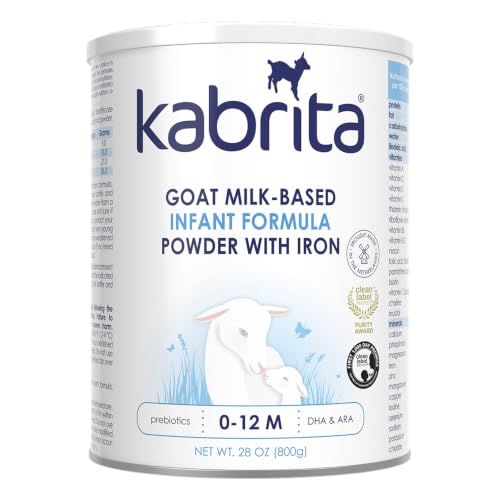
Kabrita Goat Milk Formula 28 oz
Taking A Closer Look At The Options
Similac Pure Bliss starts with milk from cows raised in Ireland and is made in Europe, giving you a clear sourcing point without making the formula excessively complicated. The 24.7-ounce can fits families seeking Stage 1 nutrition for babies from birth through 12 months, especially those who value a straightforward milk-based option.
Its nutrition profile includes DHA and ARA, two fatty acids associated with brain and eye development, while the formula omits palm olein oil, corn syrup, artificial growth hormones, and genetically modified ingredients. The easy-digestion positioning is more notable for parents comparing labels, although those terms do not guarantee that every baby will tolerate one formula better than another.
Strong Points
- Irish milk sourcing gives you a concrete ingredient and production detail to consider.
- DHA and ARA support the formula’s focus on infant brain and eye development.
- The 0-12 month range makes the can a straightforward Stage 1 consideration.
- Exclusions include corn syrup, palm olein oil, artificial growth hormones, and genetically modified ingredients.
Trade Offs
- Easy-to-digest wording is a positioning claim, so your baby’s actual feeding response remains more useful than the label alone.
- Confirm that your storage and preparation routine suits a 24.7-ounce can before stocking up.
Key Specs
Made For
You will find Similac Pure Bliss most useful when Irish milk sourcing and a familiar Stage 1 profile matter more to your family than A2 or added probiotics.
Where Another Pick Suits Better
Happy Baby Stage 1 A2 is a stronger fit for you when organic ingredients, A2 milk, and added probiotics and prebiotics are your main priorities.
Happy Baby Organics Stage 1 takes a different route from Similac Pure Bliss by centering organic lactose and a generous prebiotic profile. Lactose is the primary carbohydrate found in breast milk, so this approach can feel reassuring to families who want the formula’s carbohydrate source to closely resemble that familiar starting point.
It also includes GOS and FOS, types of fermentable fiber used as prebiotics, while excluding corn syrup solids and carrageenan. The 21-ounce package is compact for a home with limited storage, and the Stage 1 designation makes it a relevant option for newborn feeding plans.
What Makes Sense
- Organic lactose provides a clearly defined carbohydrate source for Stage 1 feeding.
- GOS and FOS prebiotics give you a more specific label profile than a basic Stage 1 listing.
- The smaller 21-ounce can simplifies storage in a kitchen with limited cabinet room.
Practical Considerations
- Four times as many prebiotics as most other organic infant formulas is a useful distinction, but it is not the only factor in your decision.
- Organic sourcing and the added prebiotic profile may matter more to you than nutrient changes in other formulas.
- A 21-ounce package may need more frequent replenishment than the larger cans or multipacks in this list.
Who Should Grab It
You should consider Happy Baby Organics Stage 1 when organic lactose, prebiotics, and a compact package shape fit your newborn routine.
Reach For A Different Pick When
Kabrita Goat Milk Formula suits you better when a goat milk base and A2 protein are more important than an organic lactose recipe.
Happy Baby Stage 1 A2 combines three details that usually appear on separate labels: A2 milk, probiotics, and prebiotics. A2 refers to a type of milk protein, while probiotics are live microorganisms and prebiotics are fibers intended to support the balance of gut bacteria.
Compared with Happy Baby Organics Stage 1, this formula adds live probiotic cultures and A2 milk to the organic Stage 1 format. That makes it worth a closer label comparison for you when your baby tolerates cow’s-milk protein but your family wants more choices around digestive support and milk-protein type.
What Earns Its Place
- A2 milk gives you a specific protein distinction to compare with standard cow’s-milk formulas.
- Added probiotics and prebiotics create a more detailed digestive-support profile.
- The manufacturer cites prebiotic levels close to those found in breast milk among organic brands.
- DHA is included at levels described as comparable to those found in breast milk.
- The formula is made in Europe and adjusts key nutrient levels as a baby grows.
Small Caveats
- The 22.9-ounce single-can format may require more frequent replenishment than the three-can Stage 2 package, and A2 labeling alone does not settle individual tolerance.
Feature Breakdown
Built With In Mind
You may find this formula most useful when your family wants organic Stage 1 feeding with both A2 milk and a broad prebiotic and probiotic profile.
Look Elsewhere When
Enfamil NeuroPro is a better fit for you when DHA and MFGM components matter more than A2 milk, probiotics, and prebiotics.
Happy Baby Stage 2 is built for the 6-to-12-month period, making it a transition formula rather than a newborn choice. It carries forward Happy Baby’s probiotic and prebiotic approach while increasing calcium, iron, phosphorus, iodine, and selenium compared with Stage 1.
The three-can package is the practical feature for families preparing ahead of the stage change. Compared with Happy Baby Stage 1 A2, you are making a deliberate move to a nutrient profile designed for a more developed feeding stage rather than simply changing can size.
A Strong Showing
- The nutrient increase matches the 6-to-12-month Stage 2 feeding period.
- Probiotics and prebiotics carry over from the Happy Baby Stage 1 approach.
- Three cans reduce the frequency of reordering during a stage transition.
Points To Note
- Do not treat this Stage 2 formula as a newborn feeding option.
- Three 22.9-ounce cans require more storage space than a single-can purchase.
- Stage 2 nutrient levels are designed for feeding alongside a more advanced diet.
At A Glance
The Right Fit
You should use Happy Baby Stage 2 for a baby entering the 6-to-12-month stage and preparing to move beyond the newborn formula period.
Swap It Out When
Similac Pure Bliss is the better fit for you while your baby still needs a 0-to-12-month Stage 1 formula.
Enfamil NeuroPro centers its formula profile on DHA and MFGM components rather than the A2, goat milk, or prebiotic distinctions used by the earlier picks. MFGM means milk fat globule membrane, a group of components associated with milk fat and included here as the formula’s second development-focused nutrient feature.
This makes Enfamil NeuroPro worth comparing when brain and eye development are central to your label research. The 20.7-ounce powder format fits a standard preparation routine, and Enfamil also offers ready-to-feed versions elsewhere in its range, though this particular choice is powder.
Useful Strengths
- DHA provides a familiar nutrient for families comparing infant formula labels.
- MFGM components add a distinct milk-derived feature beyond DHA.
- The powder format gives you control over preparation volume and timing.
- Enfamil draws on decades of breast milk research for its formula development.
Room For Improvement
- A DHA and MFGM focus does not replace your need to compare age stage, protein type, and the rest of the label.
- Check your available storage space against the smaller 20.7-ounce can.
Best Suited To
You will find Enfamil NeuroPro most useful when DHA and MFGM are the features you most want to compare while selecting a standard powder formula.
A Better Fit Elsewhere
Happy Baby Stage 1 A2 suits you better when probiotics, prebiotics, and A2 milk deserve priority over MFGM components.
Kabrita offers the most distinct base in this group: a European goat milk formula made with A2 protein for babies from birth through 12 months. Goat milk proteins form softer curds during digestion than cow milk proteins, a difference the manufacturer uses to position the formula around gentle digestion.
Compared with Enfamil NeuroPro, the decision moves away from MFGM and DHA toward protein type and milk source. The 28-ounce can provides a generous single-package format, and the non-GMO designation adds another sourcing detail without defining the entire formula.
The Good Stuff
- A2 goat milk protein provides a clear alternative to the cow’s-milk focus used by most formulas in this list.
- The 0-to-12-month range makes it a relevant newborn-stage consideration.
Where It May Fall Short
- A2 protein is a specific protein type, not a guarantee that every baby will tolerate it comfortably.
- Non-GMO describes a sourcing attribute rather than the entire nutritional or sourcing profile.
- Confirm that a 28-ounce can fits your storage and preparation routine.
Core Details
Who Will Love This
You may find Kabrita most useful when a goat milk base with A2 protein is the central formula preference for your newborn.
Where A Sibling Pick Shines
Happy Baby Organics Stage 1 suits you better when organic lactose and prebiotics matter more than goat milk protein.
What Matters Most Before You Choose Formula
Start With The Correct Stage
Your baby’s age determines the correct formula stage, and that choice comes before every ingredient preference. Stage 1 formulas are designed for the newborn period, while Happy Baby Stage 2 is intended for babies aged 6 to 12 months. Using the wrong stage can leave important developmental needs unaddressed.
Read The Whole Ingredient Profile
Organic lactose, A2 protein, goat milk, and standard cow’s-milk formulas serve different priorities. You should compare the carbohydrate source, milk type, proteins, and any added probiotics or prebiotics rather than relying on a single headline phrase.
Match Nutrients To Your Priorities
DHA and ARA are long-chain fatty acids commonly associated with infant development, while MFGM components add a different milk-derived feature. Iron, calcium, and other minerals also become more relevant as formulas progress between stages. Your family’s questions for your baby’s care team should guide which differences deserve the most attention.
Plan For Storage And Preparation
Powdered formula requires clean preparation, accurate measuring, and suitable storage. Compare can size, pack count, and your shelf space before ordering, especially when a multipack offers convenient restocking but occupies considerably more cabinet space.
Two Details That Change The Decision
Wrong Turns To Avoid
Do not let a broad digestive-support claim replace a complete label review, and do not treat Stage 2 as interchangeable with newborn formula. Check the age range, preparation directions, ingredient profile, and expiration information on the exact package you receive.
What Separates Premium From Basic
A higher-tier formula may spend more on specialized ingredients such as A2 protein, probiotics, prebiotics, or MFGM components. The extra spend can be worthwhile when one of those features directly matches your family’s priorities, but package size and feeding needs still deserve a practical comparison.
Frequently Asked Questions
Which Stage Fits A Newborn?
Stage 1 formula is intended for newborn feeding, and the Similac Pure Bliss, Happy Baby Organics Stage 1, Happy Baby Stage 1 A2, and Kabrita options all cover the birth-to-12-month period. Match the stage on the package with your baby’s current age.
Does Stage 2 Formula Work For Newborns?
Happy Baby Stage 2 is intended for babies aged 6 to 12 months, so it is not the appropriate newborn-stage option. The label and guidance for your baby’s care team should determine when a stage transition happens.
What Is The Difference Between A2 And Standard Milk Formula?
A2 identifies a type of milk protein, and Happy Baby Stage 1 A2 uses A2 milk while Kabrita uses A2 goat milk protein. A baby’s tolerance and the advice from your baby’s care team matter more than the protein label alone.
Are Prebiotics And Probiotics The Same?
Probiotics are live microorganisms, while prebiotics are fermentable fibers that support beneficial bacteria. Happy Baby Stage 1 A2 and Stage 2 include both types, while Happy Baby Organics Stage 1 focuses on GOS and FOS prebiotics.
What Should You Check Before Buying?
Check the age stage, can size, pack count, milk source, protein type, and preparation instructions before ordering. You can also ask your baby’s care team to help you match the formula to your baby’s feeding needs.
Final Thoughts
The right newborn formula is rarely decided by one ingredient alone. Match the stage first, then decide whether Irish sourcing, organic lactose, A2 milk, probiotics, prebiotics, DHA, or MFGM components deserve a place in your priorities.
Happy Baby Stage 1 A2 offers the most feature-dense newborn profile, Similac Pure Bliss provides a clear Irish milk angle, and Kabrita stands apart with goat milk. Take your time with the labels, ask your baby’s care team about suitability, and choose the routine you can use consistently.
