

Glass bottles appeal to caregivers who want a familiar feeding setup without lingering odors or discoloration. The right choice also depends on nipple flow, capacity, cleaning needs, and whether you need a bottle for nursing, pumping, or travel. This guide compares seven practical options, including true glass bottles, a lightweight PPSU alternative, and insulated sleeves for Dr. Brown’s bottles.
Your Options, Compared

Philips Avent Natural PPSU 9 oz Bottles
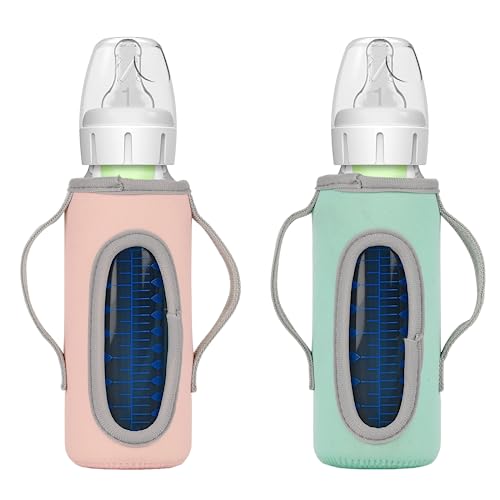
Beautyflier 3.3mm Neoprene Sleeves for Dr. Brown’s Natural Narrow 8 oz Bottles

COMI 5 oz Glass Storage Bottles, 2 Pack

Suavinex Bonhomia 8 oz Glass Bottle with SX Pro Silicone Nipple

Lansinoh 8 oz Glass Bottles, 2 Pack, Medium Flow

Philips Avent Natural Glass Bottle 8 oz

Thyseed Anti-Colic 5 oz Glass Bottle with Extra Slow Flow Nipple
The Details Behind The Selections
A 9-ounce bottle with a wide, breast-shaped nipple suits a caregiver balancing nursing and bottle feeding. The Natural Response nipple lets your baby control milk flow rather than relying on a constant stream, which may make mixed feeding feel more familiar.
Despite the glass-bottle category, PPSU is a heat-resistant plastic rather than glass. That distinction matters during travel or busy nights because the amber material is lighter than glass, although it will not satisfy a strict glass-only preference.
Everyday Perks
- The wide nipple supports a familiar latch when moving between breast and bottle.
- Medium Flow 3 nipples come attached to both 9-ounce bottles.
- A no-drip design helps contain milk during home feeds and outings.
- An integrated valve is intended to keep air away from the milk during feeding.
Things To Consider
- PPSU is not true glass, so verify that distinction before making a material-based decision.
- The 9-ounce capacity may be more than necessary for smaller feeds or compact bottle storage.
Key Specs
Built With In Mind
This set fits caregivers who want a lightweight bottle, familiar wide nipple, and a generous nine-ounce capacity for mixed feeding.
A Better Fit Elsewhere
Choose Philips Avent Natural Glass Bottle 8 oz instead when true glass and a slightly smaller capacity matter more than lightweight handling.
Putting a glass bottle into a padded sleeve changes the way it feels during a trip or a long feeding session. These 3.3mm neoprene sleeves add grip, cushion the bottle, and help it retain the temperature of milk or another liquid.
The product is an accessory rather than a bottle, and that distinction comes first for anyone building a new feeding set. You need a compatible Dr. Brown’s Natural Narrow 8 oz bottle with the dual-handle configuration shown in the product design.
Everyday Advantages
- Double grips make the covered bottle easier to hold during a feeding or while packing a bag.
- The neoprene layer provides useful separation between your hands and the glass surface.
- An adjustable opening reveals the feeding scale without removing the sleeve.
- Two sleeves are included in neutral pink and green options.
Trade Offs
- The Dr. Brown’s bottle is not included with the sleeves.
- Dr. Brown’s Wide-Neck 9 oz bottles and bottles from other brands will not fit this specific design.
- The added 3.3mm thickness may make the covered bottle less compact in a diaper bag.
Quick Facts
Made For
These sleeves suit caregivers who already use a compatible Dr. Brown’s bottle and want extra handling, temperature, and travel benefits.
Consider Something Else When
Choose Philips Avent Natural Glass Bottle 8 oz instead when you need a complete bottle rather than an add-on sleeve.
Expressed milk often needs more than a plastic storage bag, especially when you want one container to move from pumping to refrigeration. The COMI bottles use food-grade borosilicate glass and a standard neck that accepts compatible pump connectors and nipples.
Unlike the Beautyflier option, these are complete storage containers rather than accessories. Whether they streamline your routine depends on your pump’s connection type, so checking that fit before ordering is worthwhile.
Standout Benefits
- Borosilicate glass resists thermal shock and can move between refrigeration and heating.
- The standard neck works with Medela, Ameda, and other standard-neck pumps and nipples.
- Direct pumping, storage, and feeding in one container can reduce transfers.
- A silicone sealing disc helps limit leakage during storage or travel.
- Ten-milliliter increments make it easier to record the amount in each container.
Points To Note
- Your pump, connector, and nipple must use compatible standard-neck fittings.
- Five-ounce containers may require several bottles for a larger pumping session.
Right Fit For
This pair is made for pumping households that value glass storage, measurable amounts, and compatibility with common standard-neck equipment.
Another Choice May Suit
Suavinex Bonhomia 8 oz Glass Bottle with SX Pro Silicone Nipple suits families seeking a dedicated feeding bottle rather than a multipurpose storage container.
The Bonhomia bottle puts a detailed nipple design at the center of its appeal. Its flat, symmetrical silicone tip and 20mm neck are intended to leave room for a baby’s tongue during a breast-to-bottle transition.
Compared with the COMI storage bottle, this is a more conventional feeding setup with a medium-flow nipple and a dedicated vent. The glass body also avoids holding onto food odors, while the limited part count keeps routine cleaning manageable.
Useful Strengths
- The soft-textured SX Pro nipple is designed for a gentle breast-like feeding experience.
- A 20mm neck reaches toward the junction of the hard and soft palate.
- Glass resists absorbing odors and flavors from previous feeds.
- Minimal parts simplify the cleaning routine.
Minor Gripes
- Eight ounces creates more storage bulk than the five-ounce COMI and Thyseed options.
- The long, specialized nipple geometry is worth considering closely during early latch practice.
Feature Snapshot
Who It Suits Best
This bottle suits breastfed babies who are moving toward bottle feeding and caregivers who value a thoughtfully shaped silicone nipple.
Where A Sibling Pick Shines
Philips Avent Natural PPSU 9 oz Bottles may suit you better when lightweight handling during travel matters more than a glass body.
A pair of eight-ounce bottles gives a regular feeding setup enough capacity for many household routines. The wide, flexible nipple follows the shape of your baby’s mouth, while the venting system is designed to reduce the amount of air drawn in during a feed.
Compared with the Suavinex Bonhomia bottle, the Lansinoh system offers more flow-size choices within the Lansinoh glass range. The current set includes Size M nipples for babies around three to six months, so it is less tailored to the very newest feeders.
Real Benefits
- Two 8-ounce bottles provide a practical rotation for regular feeds.
- The nipple tip stretches during sucking to support a baby-led feeding pace.
- Lansinoh glass bottles accept four available flow sizes for changing feeding stages.
Some Limits To Know
- Medium Flow nipples are labeled for approximately three to six months, rather than the newborn stage.
- Compatibility with replacement Lansinoh nipples is limited to the Lansinoh glass bottle range.
- The glass parts should be boiled for at least five minutes before first use.
Best Suited To
This set fits caregivers of babies around three to six months who want two medium-flow glass bottles and the option to change nipple flow later.
Swap It Out When
Thyseed Anti-Colic 5 oz Glass Bottle with Extra Slow Flow Nipple is a better fit for a newborn who needs a smaller bottle and slower flow.
The Philips Avent Natural Glass Bottle 8 oz combines borosilicate glass with the same broad feeding concept seen in the PPSU version. Its soft, wide nipple is shaped to resemble a breast, while the Natural Response system lets your baby control the pace of milk flow.
That makes this a familiar middle ground between a true glass option and the lighter Philips Avent Natural PPSU 9 oz Bottles. Glass remains the central trade-off: it looks clean and resists odors, but it adds more weight during handling.
What It Does Well
- Borosilicate glass supports refrigeration, warming, washing, and sterilizing.
- The wide breast-shaped nipple supports a familiar latch during combination feeding.
- Natural Response flow lets your baby regulate the milk pace.
- The eight-ounce capacity offers a practical size for regular feeds.
Practical Considerations
- Glass adds more handling weight than the PPSU version, particularly during travel or late-night feeds.
Technical Highlights
The Right Fit
This bottle suits combination feeders who want a medium-flow glass option and the familiar Philips Avent Natural feeding approach.
Reach For A Different Pick When
Choose Philips Avent Natural PPSU 9 oz Bottles when reducing weight and handling effort during travel is the priority.
Five ounces and an extra-slow nipple create a compact setup for a newborn learning to bottle-feed. The nipple uses multiple micro-openings, meaning tiny channels in the silicone, to produce a steadier stream that may help reduce gulping during early feeds.
Compared with the Philips Avent Natural Glass Bottle 8 oz, this choice favors a smaller capacity and slower delivery. That is useful during the newborn stage, though your baby may eventually need a faster flow or larger volume.
Useful Touches
- A vented base is designed to separate air from the milk and reduce visible bubbles.
- The extra-slow, breast-like nipple suits newborns beginning bottle feeding.
Where It May Fall Short
- The extra-slow flow may become restrictive once your baby develops a faster feeding pace.
- Five ounces is less suitable for larger feeds than the eight-ounce glass options.
Core Details
Whose Shelf It Belongs On
This bottle belongs with a newborn who needs a slow flow, a compact size, and a breast-like nipple shape during bottle introduction.
Look Elsewhere When
Philips Avent Natural Glass Bottle 8 oz is the better match for a baby ready for medium flow and larger regular feeds.
What to Match to Your Baby’s Feeding Routine
Bottle Material and Handling
Glass is easy to identify and does not retain food odors, but it adds weight during a feed. PPSU offers a lighter alternative with a similar clear appearance, while neoprene sleeves add grip and insulation around a compatible glass bottle. Choose based on handling priorities rather than assuming every clear bottle uses the same material.
Nipple Shape and Flow
A breast-shaped wide nipple can make combination feeding feel more familiar. Extra-slow flow suits many newborns, medium flow fits babies developing a stronger sucking rhythm, and flexible tips can stretch during feeding. Consider your baby’s pace rather than treating a particular flow label as a fixed rule.
Capacity and Feed Size
Five-ounce bottles are compact and work well for smaller newborn feeds. Eight-ounce bottles suit many regular feeding rounds, while nine ounces give you more room for larger portions. The smaller options also take up less space in a diaper bag or drying area.
Parts, Cleaning, and Compatibility
Check every connection before building a set around one bottle. Pump compatibility matters for storage containers, sleeve fit matters for accessories, and nipple flow may determine which replacement parts belong in your rotation. Boiling glass components before first use and allowing them to cool before handling keeps the start of your routine straightforward.
Two Details That Change the Choice
Where Shoppers Go Wrong
A clear exterior does not always mean the bottle is made of glass, and accessories often resemble complete feeding sets. Read the material, bottle dimensions, included parts, and required connections before ordering so your expectations match the product.
What The Higher Tier Buys
Premium designs may cost more because of PPSU construction, borosilicate glass, specialized nipple geometry, or added accessories. Those upgrades earn their place when lower weight, precise flow control, pump compatibility, or insulated handling solves a problem in your daily routine.
Frequently Asked Questions
Are all baby glass bottles actually made of glass?
No. Philips Avent Natural PPSU 9 oz Bottles use PPSU plastic, and the Beautyflier option is a neoprene sleeve rather than a bottle. The other five picks use glass containers.
Which nipple flow should you choose for a newborn?
An extra-slow flow often provides a gentler starting pace for a newborn. Medium-flow nipples may suit an older baby or one already comfortable taking a bottle, so observe your baby’s sucking and feeding pace before settling on a size.
Which option suits combination feeding best?
The Philips Avent Natural Glass Bottle 8 oz combines a wide breast-shaped nipple with a flow controlled by the baby. The Philips Avent Natural PPSU 9 oz Bottles offer the same general feeding concept with lighter handling.
Which bottle works with breast pumps?
COMI 5 oz Glass Storage Bottles, 2 Pack accepts compatible Medela, Ameda, and other standard-neck pump components and nipples. The other products are feeding bottles or accessories, so their pump connections require separate verification.
Can you use any sleeve with a glass bottle?
No. The Beautyflier 3.3mm Neoprene Sleeves for Dr. Brown’s Natural Narrow 8 oz Bottles are made for a specific Dr. Brown’s bottle shape. Other bottle brands and the Wide-Neck 9 oz format will not fit this sleeve.
Final Verdict
Your strongest choice depends on the feeding problem you are solving: true glass, lighter PPSU handling, a newborn flow, a multiuse storage system, or insulated travel support. Match the bottle body, nipple, capacity, and compatible parts to your routine rather than choosing on appearance alone. The right setup should feel manageable at the sink, in the diaper bag, and during the middle-of-the-night feed.
