

A back brace can add structure during desk work, lifting, driving, or recovery, but scoliosis support depends heavily on where your spinal curve sits and how the brace fits. You need more than a generic “back support” label to make a useful choice. The seven options below range from discreet upper-body posture correctors to reinforced lumbar belts built for physically demanding work. Consider the support area, adjustment method, and your daily routine before choosing one.
A Side-By-Side Look
SNUSIM Posture Corrector Upper Back Support Brace Black
SOLOEVER Copper Back Brace

FREETOO Lumbar Support Back Brace
SOLOEVER Breathable Back Brace

SOLOEVER Copper Back Brace
SOLOEVER Adjustable Work Back Brace

TIMTAKBO 11-Inch Lumbar Back Brace
Inside Each Recommended Option
The SNUSIM option focuses on the upper back, shoulders, and neck rather than the lower lumbar region. That makes it more relevant to slouching at a desk than to a lower-back brace used for heavy lifting. You may find its slim shoulder design easier to wear beneath a shirt, although visibility depends on your body and clothing.
The adjustable straps and soft shoulder pads let you control the pull without relying on one fixed fit. Compared with the reinforced lumbar models later in this list, this brace favors a lighter, more flexible approach for posture awareness. The honest read is that it suits a desk worker wanting a gentle reminder, not someone seeking substantial lower-back structure.
Real Benefits
- Lightweight construction suits extended wear during work or errands.
- Adjustable straps accommodate changing shoulder positions and clothing layers.
- Soft pads reduce pressure where the straps meet your shoulders.
- Breathable, washable materials suit regular use.
Points To Keep In Mind
- The support area sits above the waist, so it does not replace a lumbar belt for heavy lifting.
- Start with short sessions and increase wear gradually, as the manufacturer recommends.
Key Specs
Right Fit For
This brace fits desk workers, students, and drivers who mainly need a subtle upper-body posture reminder.
Another Choice May Suit
SOLOEVER Copper Back Brace offers a better fit for people who need reinforced lumbar support during lifting or physical work.
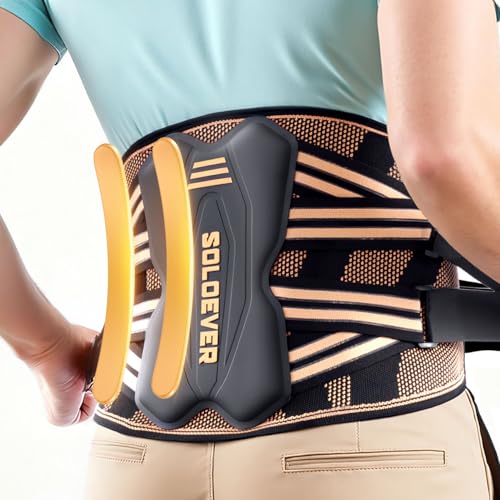
Where the SNUSIM brace gently reminds you about upper-body position, the SOLOEVER Copper Back Brace builds its support around the lower back. An X-shaped panel, four steel support bars, and two flexible spring strips create a more structured lumbar system. That combination makes sense for warehouse work, lifting, prolonged sitting, or standing through a busy shift.
Eight adjustable straps distribute compression around your waist rather than concentrating it at one point. Copper-ion fabric containing 4,120 ppm copper ions adds odor-control characteristics, while 4D knitting supports airflow and stretch. You may find the reinforcement substantial, so fitting it properly matters more than tightening every strap aggressively.
Where It Excels
- Steel bars and spring strips create firm, adaptable lumbar support.
- Eight straps allow detailed adjustment across different body shapes.
- Copper-ion fabric is designed to help manage odor during long sessions.
- The curved compression panel follows the waist during movement.
- Support remains useful across sitting, standing, and lifting tasks.
Trade Offs
- The rigid construction may feel more substantial than a soft daily belt, particularly during warm weather.
- Adjust the straps evenly and avoid restricting normal breathing or movement.
Technical Highlights
Who It Suits Best
This brace best serves adults who lift, stand for long periods, or need stronger lumbar structure during physically demanding routines.
Swap It Out When
The SNUSIM Posture Corrector Upper Back Support Brace Black is a better fit for upper-body slouching rather than lower-back loading.
The FREETOO Lumbar Support Back Brace takes a simpler approach than the multi-bar SOLOEVER model. Its removable lumbar pad lets you adjust the cushioning between your lower back and the belt. That flexibility can be useful during a commute, a workday, or light exercise, especially when you want support without a rigid framework.
The design is intended for both men and women, with the pad serving as the main adjustment point. Compared with the 11-inch TIMTAKBO brace, you may find the FREETOO format easier to position for general lumbar support. The key ownership question is whether removable cushioning offers enough structure for your tasks.
Notable Gains
- The removable lumbar pad lets you change the amount and placement of cushioning.
- A belt format can move with you during sitting, standing, and light activity.
Small Caveats
- Check that the pad sits squarely over the area you want supported.
- The cushioning system may provide less structure than a brace with steel stays.
- Test the fit while seated so the belt does not crease or shift during longer wear.
Made For
This option suits people seeking adjustable lumbar cushioning for commuting, desk work, and everyday movement.
Consider Something Else When
TIMTAKBO 11-Inch Lumbar Back Brace suits shoppers who prefer a taller support panel with rigid plate components.
A 26-degree curved support panel gives the SOLOEVER Breathable Back Brace a more anatomy-conscious shape than a flat lumbar panel. It follows the natural lumbar curve and spans the L1 through L5 region, which are the five vertebrae in the lower back. That geometry makes it worth considering for scoliosis-related support centered on the lumbar spine.
The breathable construction is a practical advantage during long work sessions or warm weather. Unlike the SOLOEVER Copper Back Brace with steel bars and spring strips, this model emphasizes a curved panel instead of a multi-piece framework. Confirm that the support area corresponds to your spinal curve before relying on it for scoliosis support.
A Strong Showing
- The 26-degree panel follows the natural lumbar curve.
- Support spans the L1-L5 region for lower-back coverage.
- Breathable construction suits extended wear in warmer settings.
Practical Considerations
- A lumbar-focused panel may not align with a curve located higher in the thoracic spine.
- Have your clinician confirm the intended support area for your particular scoliosis pattern.
Feature Overview
Built With In Mind
This brace is designed for people whose scoliosis-related support needs are concentrated in the lumbar region.
Look Elsewhere When
SOLOEVER Copper Back Brace is a better fit when reinforced bars and flexible spring strips matter more than a curved panel.
The SOLOEVER Copper Back Brace is built for routine lower-back support across work, driving, exercise, lifting, and extended sitting. Its copper construction gives it a different material profile from the breathable panel design of the SOLOEVER Breathable Back Brace. That may matter during a workday in which freshness and everyday versatility matter as much as structure.
Unlike the heavily reinforced Copper Back Brace with four steel bars, this version presents itself as a more straightforward lumbar belt. The broad support area can fit naturally into daily routines, although you should compare its coverage with your specific needs. The honest read is that it works best for routine support rather than highly specialized structural demands.
Real-World Strengths
- Copper construction supports a fresh-feeling approach to regular wear.
- The lumbar belt format suits driving, errands, desk work, and exercise.
Possible Compromises
- Confirm that the belt covers the area associated with your scoliosis-related support needs.
- It focuses on the lower back rather than the shoulders and upper back addressed by the SNUSIM brace.
- Check the fit while bending and sitting so the belt remains properly positioned.
The Right Fit
This belt suits people who want copper construction and adjustable lumbar support across a changing daily schedule.
Reach For A Different Pick When
TIMTAKBO 11-Inch Lumbar Back Brace fits shoppers who want a taller panel, steel components, and dual-pulley compression.
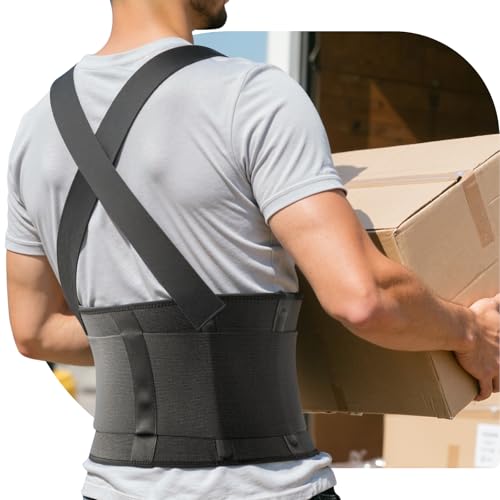
Construction sites and warehouses create a different support requirement from desk work. The SOLOEVER Adjustable Work Back Brace is intended for physically demanding jobs, with adjustment that allows it to fit different body sizes. Its lower-back coverage is more relevant to bending, carrying, and sustained work than the SNUSIM posture corrector.
Compared with the general-purpose SOLOEVER Copper Back Brace, this model puts work demands at the center of its design. The straightforward emphasis on adjustability makes it easy to tune throughout a shift. You may still need to reposition it after repetitive bending, so proper placement matters more than maximum tightness.
Positive Points
- Adjustable sizing supports different body shapes.
- Lower-back structure suits construction, warehousing, and heavy lifting.
- The work-focused design is more purposeful than a general posture belt.
Factors To Consider
- Wear over clothing that does not create excessive bulk under the belt.
- Loosen the fit whenever it begins to restrict breathing or normal movement.
Core Details
Who Will Love This
This brace suits warehouse staff, construction workers, and others who regularly lift or bend during work.
A Better Fit Elsewhere
FREETOO Lumbar Support Back Brace is a better fit for people who prefer a removable cushion to a work-focused adjustment system.
The TIMTAKBO 11-Inch Lumbar Back Brace combines several support mechanisms in one belt. Its tall back section, removable ergonomic plate, steel plate, silicone anti-slip element, and dual-pulley compression create a more involved setup than the FREETOO lumbar brace. That complexity suits someone who wants deliberate control over placement and tension.
A carbon-fiber belt structure keeps the design relatively focused while allowing the internal plate system to provide shape. You may find the 11-inch coverage more substantial around the lower back than the shorter, cushion-led alternatives. The trade-off is adjustment time: every component needs to sit correctly before the brace works as intended.
Noteworthy Benefits
- The 11-inch back panel provides substantial lumbar coverage.
- Removable ergonomic and steel plates let you configure the support.
- Silicone helps reduce slipping during movement.
- Dual pulleys offer a more refined compression adjustment.
- The carbon-fiber belt provides a structured foundation.
Small Limitations
- The multi-part adjustment process takes more time than a simple cushion or strap design.
- Check that the tall panel and plate placement suit your body and chosen support area.
Technical Reference
Built For
This brace suits experienced users who want detailed lumbar adjustment and a tall, structured support panel.
Where A Sibling Pick Shines
SOLOEVER Adjustable Work Back Brace offers a simpler route for workers who prioritize quick fitting over multiple internal adjustments.
What Matters Before You Choose A Back Brace
Match The Support Area First
Scoliosis can affect different parts of the spine, so the label “lumbar support” may not tell you enough. Confirm whether your curve sits in the upper back, lower back, or across several regions. A clinician can help identify the area that needs attention and whether a brace is appropriate for your situation.
Choose A Structure That Matches Your Task
A padded lumbar belt may feel comfortable during desk work, while steel bars or a rigid panel can provide more structure for lifting. The SNUSIM option focuses on upper-body posture, whereas most remaining picks center on the lower back. You should also consider whether you need removable cushioning, curved support, or pull-and-tighten compression.
Account For Fit And Wearing Time
Test the adjustment while sitting, standing, and walking. Straps should feel secure without limiting breathing or natural movement, and the support should remain centered rather than bunching. Short sessions are sensible for a new brace, especially one that uses straps or rigid components.
Match Comfort To Your Clothing And Climate
Breathable fabric, soft pads, and stretch panels can make a noticeable difference during extended wear. Under bulky work clothing, a wide belt may sit differently than it does over a shirt. In warm conditions, you may prefer a lighter construction, while colder environments can make a firmer support system easier to wear.
Key Considerations Across These Picks
Mistakes Worth Dodging
Avoid choosing by the word “scoliosis” alone, because support location matters more than the label. Another common error is treating maximum tightness as better support. Fit should feel stable and comfortable, without restricting your movement or breathing.
What Separates Premium From Basic
Higher-complexity braces add rigid plates, steel components, curved panels, or more precise compression controls. Those upgrades help when you need specific positioning or substantial structure, but extra hardware can also take longer to fit and adjust. Choose the added complexity only when it matches your support needs.
Frequently Asked Questions
Can A Back Brace Straighten Scoliosis?
A back brace may add postural support, but it does not straighten a structural spinal curve. A clinician can confirm whether a brace fits your specific scoliosis pattern and daily needs.
Which Of These Braces Is Best For Scoliosis?
The SOLOEVER Breathable Back Brace may suit scoliosis-related support concentrated in the lumbar spine. Its curved panel follows the lower-back contour, while the SNUSIM option better addresses upper-back and shoulder posture.
Can You Wear A Back Brace All Day?
Wear duration depends on the brace, your comfort, and your care plan. Begin with shorter periods and increase gradually, especially with a structured or rigid model.
Should A Scoliosis Brace Be Tight?
A secure fit should not cause numbness, restricted breathing, or painful pressure. Even tension across the support area is usually more useful than pulling one strap as tightly as possible.
Which Brace Works Best For Heavy Lifting?
The SOLOEVER Copper Back Brace offers the most explicitly reinforced structure in this group, with four steel bars and flexible spring strips. Proper lifting technique and a clinician’s guidance remain more important than any brace alone.
Final Verdict
Your best choice depends on where you need support and how structured that support must be. The SNUSIM brace suits upper-body posture awareness, the breathable SOLOEVER model emphasizes the lumbar curve, and the reinforced options serve lifting and physically demanding work. Confirm the fit and support area before making your choice, and prioritize a brace you can wear comfortably and adjust correctly.
