

A school day can leave you folded over a desk, a drive can tighten your shoulders, and a physically demanding job can place more strain on your lower back. A back posture brace can provide structure and a timely reminder to sit or stand more deliberately, but the right choice depends on the area you want to support, your size, and how long you plan to wear it.
An Overview Of The Picks
Lexniush Professional Posture Corrector for Kids, Adjustable Upper Back Brace for Teenagers
Yowayonoe Breathable Back Posture Brace
Copper Fit Max Posture Support L/XL
Copper Fit Max Support 2X/3X
Copper Fit Max Support Small/Medium
SOLOEVER Adjustable Lower Back Belt

Vive Dual Adjustable Lumbar Support Brace for Heavy Lifting, Work, and Home
Taking A Closer Look At The Options
Your teen’s school day may include hours at a desk, and this brace is built to create a noticeable reminder around the upper back. Two removable support bars sit inside a double-X structure, giving you a more substantial frame than a simple fabric harness.
Foam shoulder pads, elastic straps, and an adjustable waist make it easier to settle under loose clothing. For a teenager starting gradually, the stated routine begins at 20 to 30 minutes a day before building toward one or two hours.
Everyday Perks
- Two removable bars let you adjust the level of structure.
- Foam pads reduce pressure where the shoulder straps meet.
- Breathable, washable fabric suits regular use.
- Four sizes accommodate a wide waist range.
Things To Consider
- Starting gradually is important for comfort and consistent use.
- Fitting under clothing may be easier with a slightly looser shirt.
Key Specs
Made For
You’ll get the most useful fit for a student or teenager who needs an upper-back reminder during school and study routines.
Where Another Pick Suits Better
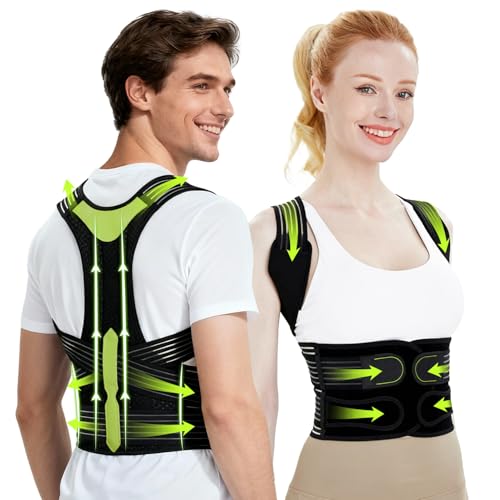
The Yowayonoe Breathable Back Posture Brace suits adults who prioritize mesh ventilation and flexible rod support.
Your workday calls for something easy to forget, and breathable mesh gives this brace a lighter profile than the padded kid model. The Y-shaped frame carries five flexible rods along the back, creating a reminder without requiring rigid vertical stays.
Adjustable shoulder and waist straps shape the fit around your torso, while perforated side panels encourage airflow during office work or study sessions. In most cases, you’ll appreciate the option to wear it for one or two hours rather than all day.
What Makes Sense
- Breathable mesh helps manage warmth during long sessions.
- Five flexible rods provide adjustable-looking structure.
- Underarm-friendly shaping reduces rubbing in sensitive areas.
- Adjustable waist and shoulder straps distribute tension.
- Discreet construction fits under many work outfits.
Small Caveats
- Measure your waist before choosing between the two listed sizes.
Feature Snapshot
Who It Suits Best
You’re the best match for an office worker, student, or driver who wants a ventilated upper-back reminder under clothing.
Consider Something Else When
The Lexniush Professional Posture Corrector for Kids, Adjustable Upper Back Brace for Teenagers is the better fit for a growing teen who needs removable support bars and foam shoulder pads.
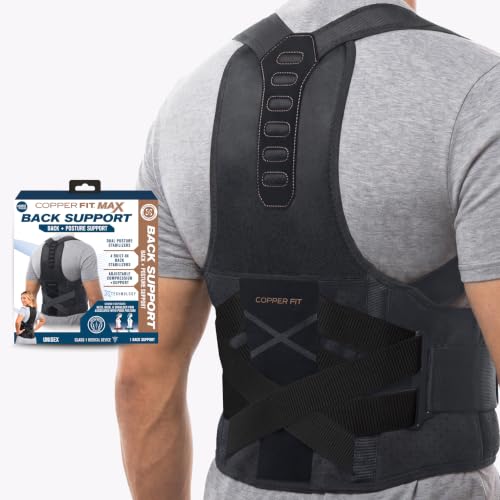
Your torso can feel more contained with this version because reinforced panels add broad contact across the back. Targeted compression means pressure applied through those panels, giving you a different feel from the Yowayonoe brace and its exposed flexible rods.
Built around the familiar X-back concept, the L/XL version favors fuller coverage and stability. You may find that this feels more substantial during desk work, though the firmer construction may take some adjustment.
Useful Strengths
- Reinforced panels add broad upper-back support.
- Targeted compression provides a contained fit.
- Expanded coverage suits a larger torso.
Trade Offs
- The firmer structure may take time to feel natural.
- Confirm that the L/XL designation matches your measurements.
At A Glance
The Right Fit
You’ll likely appreciate this choice when you want a fuller back panel and belong within the L/XL size range.
A Better Fit Elsewhere
The Copper Fit Max Support Small/Medium serves people with a smaller torso who want the same reinforced-panel approach.
Your size range is the deciding factor here. This 2X/3X version carries the same reinforced-panel and targeted-compression approach as the Copper Fit L/XL model, but it serves people who need a larger fit.
That broader support may feel useful during long work sessions or whenever you want more coverage than a lightweight mesh corrector provides. The honest read is that sizing matters more here than any decorative detail.
Advantages To Know
- Reinforced panels provide broad back contact.
- Targeted compression gives you a more contained fit.
Worth Noting
- Check the size chart carefully before ordering.
Built With In Mind
You’ll find this version most practical when your measurements fall within the 2X or 3X range and you prefer substantial coverage.
Swap It Out When
The Copper Fit Max Posture Support L/XL is a better fit when you need the same panel-based design in a smaller labeled size.
Your smaller torso doesn’t have to mean choosing a less structured upper-back option. This Small/Medium version brings the same reinforced support panels and targeted compression found in the larger Copper Fit models.
The practical difference is sizing rather than a shorter feature list. For a compact frame, you may find that a properly matched small or medium version sits more comfortably than an oversized alternative.
Positive Points
- Reinforced panels create broad back contact.
- Targeted compression adds a snug, supportive feel.
- The smaller sizing avoids an oversized frame.
Points To Note
- Compare your measurements with the size chart.
- The structured panels may feel firmer than mesh braces.
Quick Facts
Who Will Love This
You’ll appreciate this option for a smaller torso that needs a fitted, panel-based design rather than a roomier frame.
Another Choice May Suit
The Copper Fit Max Posture Support L/XL suits people with a larger torso who prefer reinforced panels and compression.
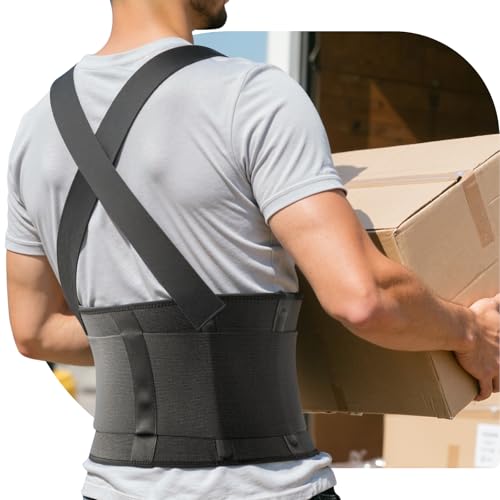
Your job may put you in a warehouse, on a construction site, or into repeated lifting motions, and this belt focuses on the lower back. Unlike the shoulder-strap correctors in this list, it wraps around the waist to support the lumbar area during physically demanding work.
Adjustable sizing gives you room to secure the belt around different body shapes. For active shifts, you may find that lower-back support more useful than trying to rebalance your shoulders with an upper-back harness.
Real-World Strengths
- Adjustable construction accommodates different body sizes.
- The belt format stays focused on the lower back.
Possible Compromises
- It does not provide the shoulder-strap structure of an upper-back corrector.
- Belt fit and placement matter for comfort during prolonged wear.
- Use it as work support rather than a substitute for safe lifting technique.
Best Suited To
You’ll find this belt most relevant for construction, warehouse, and other physically demanding routines that place emphasis on the lower back.
Reach For A Different Pick When
The Yowayonoe Breathable Back Posture Brace suits a desk-based routine where you want upper-back rods, mesh fabric, and shoulder straps.
Your lower back needs more than a simple fabric wrap, and this brace adds integrated vertical stays, which are rigid supports that run up the back. Those stays reinforce the adjustable compression design while giving the lumbar area a more defined structure.
Dual adjustment lets you tailor the wrap for lifting, work, or home routines. Compared with the SOLOEVER belt, the Vive design adds a more structured support system, which may suit you better during demanding activities.
Bright Spots
- Integrated vertical stays add structured lower-back support.
- Dual adjustment supports a personalized fit.
- Compression can be adjusted for different activities.
- The wrap suits work, lifting, and home use.
- The design targets the lumbar area directly.
Small Limitations
- More structure may feel restrictive during light activities.
- Adjust the wrap carefully to avoid unnecessary pressure.
Core Details
Whose Shelf It Belongs On
You’ll find this brace most useful for lifting-heavy work or home routines that call for firmer lumbar support.
Where A Sibling Pick Shines
The SOLOEVER Adjustable Lower Back Belt is a simpler choice for a work-focused routine that calls for adjustable waist support without vertical stays.
What Matters Before You Select a Posture Brace
Support Area And Fit
Start with the body area that needs the most attention. Upper-back braces use shoulder straps and back structures, while lumbar belts or wraps concentrate around the waist and lower back. Measure your waist at the narrowest part of your torso, then compare that figure with the stated size range before considering any other feature.
Structure And Materials
Flexible rods bend with your movement, while reinforced panels and vertical stays create a firmer structure. Breathable mesh works well for longer seated sessions, and padded straps may feel kinder on the shoulders. You’ll get a better result when the material suits your climate, clothing, and planned routine.
Wear Time And Clothing
A brace works best as a reminder you can wear consistently, not something you struggle through for hours. Start with the shorter interval suggested by the manufacturer and increase gradually. Loose clothing can also make a shoulder-strap brace easier to wear without bunching or rubbing.
Practical Checks Before You Commit
Mistakes Worth Dodging
The easiest mistake is choosing by appearance instead of support area. Another common error is ignoring the waist measurement, especially with adjustable-looking braces whose sizing still matters. Check the wearing instructions, clothing fit, and intended schedule before ordering.
What Separates Premium From Basic
More structure often comes from added rods, reinforced panels, stays, padding, or better ventilation. The extra construction helps when you need firmer support, but it can also feel bulkier, so choose an upgrade only when your routine and comfort preferences support that tradeoff.
Frequently Asked Questions
How long should you wear a posture brace?
Begin with the shortest interval suggested by the manufacturer, then increase gradually as comfort allows. A consistent routine is more useful than forcing yourself through a long session immediately.
How do you measure your waist for a back brace?
Measure around your natural waistline, usually near the navel, without pulling the tape too tight. Compare that measurement with the product’s stated waist range and follow any sizing instructions provided.
Are posture braces suitable for children and teenagers?
The Lexniush model is specifically designed for children and teenagers, with removable support bars and four size options. Adult shoppers should choose a model intended for adult sizing and torso proportions.
Can you wear a posture brace under clothing?
Many of these braces are designed to remain discreet beneath looser clothing. You may find a light shirt or smooth fabric less likely to bunch around the straps or waist adjustment.
Should you choose an upper-back or lower-back brace?
Choose an upper-back model for shoulder and upper-torso alignment reminders. Pick a lumbar belt or wrap when your main concern involves the lower back, lifting, or physically demanding work.
Wrap Up
The right back posture brace comes down to your support area, torso size, and daily routine. Choose a kid-focused frame for a growing teen, breathable rods for seated work, a panel-based model for firmer upper-back coverage, or an adjustable lumbar design for lifting and physical jobs. A careful size check matters more than any extra feature, so measure before you order.
