

A sore on the lower back or buttocks can make every repositioning uncomfortable, and the right dressing needs to manage drainage without pulling at fragile skin. These bandages for bed sores range from shaped silicone foam dressings for the sacral area to absorbent gauze pads and protective wound gel, giving you options for home care, clinical supply kits, and recovery after surgery.
A Snapshot Of The Selections

NeuHeils Sacrum Foam Dressing 7×7

Vakly Sterile ABD Pads 5×9

McKesson Non-Adherent Pads
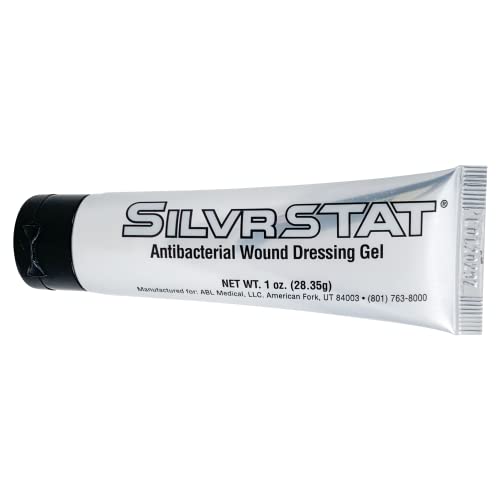
SilvrSTAT Silver Wound Dressing Gel, 1 oz

NeuHeils Sacrum Foam 7×7

NeuHeils Silicone Foam 4×4
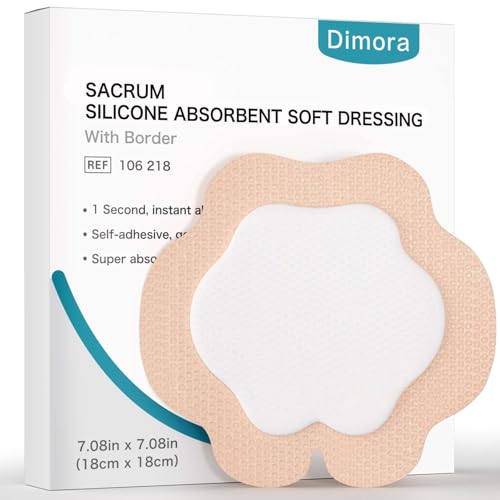
Dimora Sacrum Silicone Absorbent Dressing with Border 7×7, 10 Count
Meet The Standout Selections
A dressing centered on the sacrum has to stay put through turning, shifting, and time in bed. The 7-by-7-inch shape gives this NeuHeils dressing a practical footprint for the lower back and buttocks, while the soft foam spreads contact over a broader area.
Unlike the flatter McKesson Non-Adherent Pads, this dressing combines cushioning, absorption, and a silicone contact layer in one format. For a home caregiver managing moderate drainage, that combination can simplify dressing changes, although its specialized shape may be unnecessary for wounds elsewhere on the body.
Real-World Strengths
- The silicone contact layer can be repositioned, which helps when placement must be adjusted without repeatedly disturbing the wound.
- Soft foam adds cushioning over a sacral sore during bed rest and helps redistribute pressure across the contact area.
- The absorbent core draws wound fluid into the pad and helps limit moisture reaching nearby skin.
- The dressing works as a primary cover for shallow wounds or as a secondary layer over a deeper wound.
- Its latex-free construction suits care routines that include people with sensitivity to natural rubber latex.
Practical Considerations
- The 7-by-7-inch format is purpose-built for the sacral area, so confirm that the wound and surrounding skin fit within its coverage.
- This dressing is more structured than a basic gauze pad and requires careful positioning and secure placement.
Feature Snapshot
Made For
This dressing fits caregivers supporting a bedridden person with a moderate-drainage sacral wound and fragile surrounding skin.
Where Another Pick Suits Better
McKesson Non-Adherent Pads suit smaller wounds or draining areas that need a flexible 3-by-4-inch gauze format.
Postoperative drainage and pressure sores can leave more fluid than a small adhesive bandage can hold. These 5-by-9-inch ABD pads use a thick, multilayer absorbent center, making them a more practical choice for protecting clothing, bedding, and nearby skin during frequent recovery care.
The non-adherent outer layer offers a gentler removal path than ordinary gauze, though the rectangular format lacks the tailored sacral shape of the NeuHeils options. You will still need an appropriate way to secure the pad without placing unnecessary pressure on the wound.
Everyday Advantages
- The large absorbent core is intended for moderate to heavy drainage, reducing the need for rapid pad changes.
- A non-sticking outer layer helps the pad lift away from the wound during routine cleaning and replacement.
- Each pad is individually sealed, which supports organized storage in a home-care cabinet or clinical supply area.
- The broad format can shield both the wound and nearby bedding from fluid during overnight recovery.
Worth Noting
- ABD pads generally need medical tape or a gauze wrap, so they are less convenient than a bordered dressing that stays attached.
- The rectangular shape may wrinkle or shift more readily than a contoured sacral dressing.
- Because the pad is large, placement requires attention to skin folds and pressure around the wound edges.
Quick Facts
Best Suited To
This option fits home caregivers and clinical teams managing wounds with substantial drainage or protecting bedding after surgery.
Consider Something Else When
NeuHeils Sacrum Foam Dressing 7×7 suits you better when a contoured dressing must remain attached over the lower back.
Dressing changes become less disruptive when the pad does not remain attached to the wound bed. McKesson uses a micro-perforated film over an absorbent core, creating a surface that separates the dressing from wound tissue while drawing fluid into the center.
At 3 by 4 inches, these sterile pads offer more flexibility than the Vakly ABD pads and fit readily into first aid kits or compact home-care supplies. For a shallow sacral sore, they can be folded or positioned as needed, but they do not provide the same broad foam cushioning as a dedicated sacral dressing.
Useful Highlights
- The perforated film reduces direct contact with wound tissue, making changes less disruptive for sensitive skin.
- Individual sterile packaging makes it easy to carry one pad at a time in a travel or first aid kit.
- The compact size works for cuts, abrasions, burns, ulcers, and smaller portions of a pressure sore.
- A large count supports households and care teams that perform frequent dressing replacements.
Points To Note
- These pads need medical tape or a gauze wrap for secure placement over the wound.
- The 3-by-4-inch size offers less coverage than the 5-by-9-inch Vakly pads, so heavily draining areas may require more frequent changes.
Technical Highlights
Who Will Love This
These pads suit people managing smaller wounds at home or stocking a clinical first aid supply with individually wrapped dressings.
Look Elsewhere When
Dimora Sacrum Silicone Absorbent Dressing 7×7, 10 Count fits you better for a broad sacral area with substantial drainage.
A one-ounce tube fits a different role from an absorbent bandage. SilvrSTAT provides a topical gel containing silver particles for minor cuts, abrasions, first- and second-degree burns, and skin irritation, making it more of a compact addition to a first aid kit than a sacral wound dressing.
The tube is easy to add to a travel pouch, camping kit, or household emergency supply. For a draining pressure sore, though, you would still need an appropriate absorbent dressing, so this gel works best as a companion rather than the primary covering.
Good Reasons To Consider
- The 1-ounce container takes up little room in a first aid bag or travel kit.
- SilverSol particles provide the gel’s distinctive silver-based formulation.
- The product is intended for topical use on several common types of minor wounds and skin irritation.
Where It May Fall Short
- The gel does not replace the absorbent foam or gauze needed to manage fluid from a bed sore.
- Its listed applications center on minor wounds rather than deep or draining pressure injuries.
- A bedside care routine will still require a separate dressing and securement method.
The Right Fit
This gel suits people building a compact first aid kit for minor injuries, travel, or outdoor activities.
A Better Fit Elsewhere
Vakly Sterile ABD Pads 5×9 fit you better for direct coverage and fluid absorption around a draining sacral wound.
The butterfly shape gives this dressing a different placement logic from the squarer NeuHeils Sacrum Foam Dressing 7×7. Its extended form follows the lower sacrum and coccyx region, which can help cover the area affected by pressure or leakage during sitting and repositioning.
For a bedridden person with moderate to heavy drainage, the combination of a silicone contact layer, absorbent foam, and border offers a more integrated covering than basic gauze. The honest trade-off is that this specialized construction may be excessive for a small wound or a treatment area outside the lower back.
Where It Delivers
- The butterfly contour targets the sacral area, reducing the need to improvise coverage with folded gauze.
- High-absorption foam draws fluid inward and helps protect the surrounding skin from prolonged moisture exposure.
- The silicone layer can be repositioned, supporting careful adjustment over fragile skin.
- Foam cushioning and pressure redistribution can improve comfort during extended bed rest.
- The bordered design supports more secure placement during routine repositioning.
Trade-Offs To Consider
- Confirm that the wound lies within the shaped coverage, as a specialized sacral format may not suit every treatment site.
Core Details
Built With In Mind
This dressing fits caregivers managing moderate to heavy sacral drainage in a bedridden person.
Reach For A Different Pick When
NeuHeils Silicone Foam 4×4 suits you better for a smaller wound that needs compact foam coverage.
A smaller wound does not always need a large sacral dressing. The 4-by-4-inch format offers a more manageable option for compact care kits and localized areas where a 7-by-7-inch bordered product would extend beyond the intended treatment site.
The silicone contact layer supports gentle removal and repositioning, while the foam pad adds absorption and cushioning. Compared with NeuHeils Sacrum Foam 7×7, this choice prioritizes a smaller footprint, so a bed sore spanning much of the sacrum may need broader coverage.
The Good Stuff
- The compact size is easier to carry and less likely to wrinkle on a smaller wound area.
- The silicone contact layer allows adjustment without repeatedly pulling the dressing away from fragile skin.
- Soft foam provides cushioning and draws fluid away from the immediate wound area.
- A bordered format can make daily dressing changes more convenient than unsecured gauze.
Small Limitations
- The 4-by-4-inch footprint offers less coverage than the sacral dressings in this list.
- Confirm that the entire wound and surrounding skin fall within the bordered area before placement.
Whose Shelf It Belongs On
This dressing suits people caring for a smaller localized wound while keeping compact supplies in a home or travel kit.
Another Choice May Suit
Dimora Sacrum Silicone Absorbent Dressing 7×7, 10 Count suits you better for broader sacral coverage and drainage management.
This Dimora dressing places particular emphasis on the tail that sits over the lower sacrum. Its wider shape and absorbent core are designed to cover the coccyx region, manage moderate to heavy exudate, and reduce leakage during sleep, sitting, or turning.
The silicone border adds gentle adhesive contact, while the 7-by-7-inch footprint gives you broad coverage around the sore. Compared with the NeuHeils butterfly design, the Dimora option prioritizes a wider tail and heavier drainage absorption, which may be valuable in a care setting where leakage is a recurring concern.
Everyday Perks
- The expanded tail reaches across the lower sacrum and coccyx area for more complete coverage.
- The absorbent core draws fluid away and helps limit leakage onto clothing and bedding.
- The silicone border provides gentle adhesion without relying on a large strip of tape.
- The dressing remains in place more securely during sitting, turning, and repositioning.
- Ten dressings support a larger supply for regular home-care changes.
Details To Watch
- Verify the selected dimensions before ordering, particularly when comparing this product with other wound dressings in a care inventory.
- Its broad adhesive border may be less comfortable than a silicone contact layer without adhesive for very sensitive surrounding skin.
At A Glance
Who Should Grab It
This option fits caregivers prioritizing broad sacral coverage and absorbent control for moderate to heavy drainage.
Where A Sibling Pick Shines
NeuHeils Sacrum Foam 7×7 suits you better when a repositionable silicone contact layer is your priority.
What Matters Before You Select a Bed Sore Dressing
Match the Dressing to the Wound
Start with the location and amount of drainage. A sacral dressing with a shaped tail belongs on the lower back or buttocks, while flat gauze or ABD pads can cover smaller or less specialized areas. Your clinician can help match the dressing format to the wound and your mobility needs.
Read the Fluid and Skin Needs
Exudate is fluid released from a wound. Highly absorbent pads suit heavier drainage, while non-adherent layers reduce contact with wound tissue during changes. Silicone contact layers or borders can also suit sensitive skin, but adhesive placement still requires care.
Check Coverage and Dressing Changes
Measure the wound and include enough surrounding skin for secure placement. Larger borders can stay in place during repositioning, while smaller foam dressings fit compact kits and localized wounds.
Avoid Costly Dressing Mistakes
Common Shopping Slip Ups
Do not choose by package size alone. Check the dressing dimensions, absorption level, contact surface, and placement area before ordering, and compare them with the wound your care plan calls for.
What Separates Premium From Basic
Contoured borders, repositionable silicone, and shaped absorbent tails add value when a sore sits in a difficult-to-dress area. Basic gauze remains useful for lighter drainage and flexible coverage.
Frequently Asked Questions
Are bed sore dressings supposed to stay on until they are saturated?
Follow the dressing instructions and your clinician’s guidance. Changing a saturated or soiled dressing protects the surrounding skin and supports more consistent wound care.
Which dressing is best for a sacral bed sore?
A shaped silicone foam dressing is often a practical fit for the lower back or buttocks. Drainage level, wound depth, skin sensitivity, and mobility determine the final choice.
Can a bed sore dressing be used on other wounds?
Some versatile options can cover surgical wounds, burns, ulcers, and cuts. Check the labeled uses and confirm compatibility with your wound-care plan.
Does a larger bandage always absorb more?
Size can contribute to coverage and absorbent capacity, but shape and construction also matter. A shaped sacral pad may manage the intended area better than a larger rectangular dressing.
When should a bed sore be assessed by a clinician?
Arrange a clinical assessment for a new sore, worsening pain, spreading redness, drainage, or an open wound. Prompt evaluation helps identify the dressing and care approach suited to the injury.
Wrap Up
The right bed sore dressing depends on wound location, drainage, skin sensitivity, and how often it will be moved. Sacral foam dressings suit shaped lower-back coverage, ABD pads handle heavier fluid, and compact non-adherent pads work for smaller wounds; matching the format to the care situation makes the selection much easier.
