

A hot spot turns into a raw blister halfway through a long walk, a full day at work, or a trip through new shoes. The right dressing can cushion the area, manage friction, and stay put through sweat, but prevention dressings, oversized patches, and cut-to-fit moleskin each suit different feet and situations.
A Quick View Of The Lineup
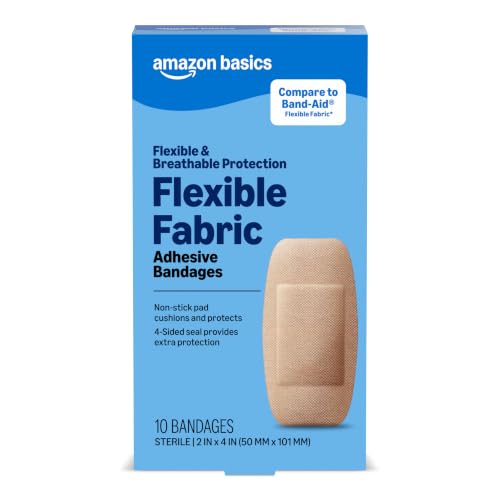
Amazon Basic Care XL Flexible Fabric Bandages, 10 Count

SpecOps Ultra-Thin Moleskin 15 ft Roll

Livaclean Health 4 x 4-Inch Hydrocolloid Bandages, 12 Count

Kimihome 19-Count Hydrocolloid Blister Pads, Toe Pack

Povihome 20-Count Gel Blister Bandages, Heel Pack

SpecOps Biosciences Ultra-Thin Moleskin, 60 Strips

SpecOps Biosciences Ultra-Thin Athletic Moleskin
More On The Choices That Made The List
The 2-by-4-inch format gives you more coverage than a standard narrow strip, which matters on a heel, ball of the foot, or a scraped area that keeps catching on a sock. Flexible fabric bends with the foot rather than sitting stiffly over a joint, making this a practical addition to a first-aid kit for daily wear.
That said, this is a general adhesive bandage for cuts and scrapes, not a purpose-built blister dressing. You gain a non-stick cushion, a sealed pad structure, and fabric that accommodates movement, but you miss the specialized gel cushions found in the hydrocolloid options.
The Good Stuff
- Stretchable fabric moves comfortably across the heel and toe joints.
- The XL pad covers a larger scraped area without excess bunching.
- A non-stick center keeps the dressing from clinging to the wound.
- Four-sided edging helps limit dirt from reaching the covered area.
Where It May Fall Short
- Its fabric construction does not provide the gel cushioning of a blister-specific patch.
- The wide shape may be more than a small toe blister requires.
Key Specs
Made For
You need a flexible, full-size everyday bandage for cuts, scrapes, and larger areas of foot irritation.
Another Choice May Suit
Kimihome Hydrocolloid Blister Pads suit you better when cushioning an existing blister matters more than covering a scrape.
A new pair of hiking boots can create a problem before you even reach the trail, and this roll lets you cover that exact hot spot rather than commit to a fixed shape. Unlike the Amazon Basic Care bandage, it is thin, unpadded moleskin intended to reduce the sliding friction, called shear, between skin and footwear.
The 15-foot length works well for repeated applications across several pairs of shoes or a season of long walks. Its low-profile construction should appeal to you when bulk under a tight shoe is the main concern, although the trade-off is that you must cut the material yourself.
Useful Touches
- Ultra-thin material reduces bulk inside a close-fitting shoe.
- The 15-foot roll supports multiple custom-sized applications.
- Non-padded construction keeps pressure and shear at a minimum.
- Strong adhesion is designed to withstand sweat, water, and prolonged wear.
Trade Offs
- You need scissors and a steady hand to cut the roll.
- Its open-roll format takes less space than 60 separate strips but needs careful storage.
Technical Sheet
Built With In Mind
You are a hiker, runner, or long-distance walker who wants custom friction coverage without a padded bulge.
Look Elsewhere When
SpecOps Biosciences Ultra-Thin Moleskin, 60 Strips suits you better when you want several ready-made sizes and no cutting.
A 4-by-4-inch hydrocolloid patch gives you a broad, flexible covering for a blister on the heel, ball, or side of the foot. Hydrocolloid is a dressing material that forms a gel when it contacts fluid from the skin, creating a moist covering while its outer surface resists water.
Unlike the thin SpecOps moleskin, this option is centered on covering an already open or weakened area rather than separating skin from a rubbing point. For travel, the individually wrapped pieces are easy to distribute between a daypack, overnight bag, and first-aid kit.
Notable Upsides
- The generous square shape covers larger blister areas.
- A water-resistant outer surface suits showers and damp conditions.
- Directional arrows help line up the patch during application.
- Individual wrapping keeps unused patches clean and portable.
Practical Considerations
- The broad shape may overlap neighboring toes more than you want.
- A gel dressing is a different approach from a low-profile friction barrier.
Right Fit For
You need a larger moist covering for a blister, scrape, or light-draining skin irritation on a broad area of the foot.
Reach For A Different Pick When
Povihome Gel Blister Bandages suit you better when a lighter, more foot-specific cushion fits a heel or toe without the Livaclean patch’s large square footprint.
Toe blisters often form where several toes rub together, making a compact gel pad more useful than the large Livaclean sheet. This pack includes 19 pieces in different shapes and sizes, so you can match the covering to a toe, finger, heel, or another exposed area rather than forcing one rectangle into every location.
For a suitcase or daypack, the individually wrapped pieces offer a convenient balance of portability and selection. You may find the water-resistant construction especially useful during a long travel day, though the toe-focused pack may offer less variety for a very large heel blister.
Strong Points
- Multiple shapes suit toes, fingers, heels, and other high-friction areas.
- Hydrocolloid gel cushions the skin while maintaining a moist covering.
- Water resistance helps the pads remain attached during showers and sweaty walks.
- Individual wrappers make the 19-piece pack easy to divide across bags.
Less Ideal Details
- The toe-pack assortment may not offer enough size range for a very large blister.
- Multiple small pieces take more room in a kit than one roll.
Feature Snapshot
Who Will Love This
You travel often or spend long days in shoes and want compact blister pads for several different foot locations.
A Better Fit Elsewhere
Povihome 20-Count Gel Blister Bandages, Heel Pack suit you better when heel coverage is your main need.
Heel blisters have a way of appearing from shoes that looked fine yesterday, and this heel-focused pack keeps the answer close at hand. The soft, ultra-thin hydrocolloid material cushions the heel while forming a gel against the skin, and the 20 individually packaged pieces cover repeated trips through work shoes, walking shoes, or hiking boots.
Unlike the Kimihome assortment, this pack is centered on heel use, so it may feel more intentional in a work bag or travel kit. The adhesive is described as gentle and residue-free, which makes removal a consideration for people with sensitive skin.
Advantages To Know
- The heel-focused selection gives prominent heel coverage.
- Soft, lightweight gel adds cushion without a rigid shell.
- Water-resistant construction suits sweaty commutes and showers.
- Individual packages make the 20 pieces easy to carry.
Possible Compromises
- Toe or finger blisters may benefit more from a more varied assortment.
- The gel surface needs careful placement to stay flat on the heel.
Quick Facts
Made For
You spend substantial time in shoes and need dedicated cushioning for heel blisters or high-friction heel skin.
Consider Something Else When
Kimihome 19-Count Hydrocolloid Blister Pads, Toe Pack suit you better when several foot locations and smaller toe dressings matter more.
Pre-cut moleskin removes the small delay that can matter when a burning hot spot appears in the middle of a hike. Sixty strips come in several sizes for the heel, ball, arch, and toes, letting you choose a closer fit without measuring or cutting the material first.
Compared with the 15-foot SpecOps roll, this pouch trades custom sizing for speed and organization. Rounded corners are intended to limit edge lifting, while the pressure-sensitive adhesive requires firm rubbing to establish a strong bond, so placement deserves a moment of attention.
Real Benefits
- Precut sizes remove the need for scissors on the trail.
- Sixty strips support repeated use across several pairs of footwear.
- Rounded corners help reduce the chance of lifted edges.
- A resealable pouch keeps the remaining strips organized.
Where It May Fall Short
- Fixed shapes cannot follow an unusual hot spot as precisely as a cut roll.
- The adhesive needs firm rubbing before it reaches full contact.
Who Should Grab It
You want ready-made friction strips for hiking, running, travel, or several shoes without carrying cutting tools.
Swap It Out When
SpecOps Ultra-Thin Moleskin 15 ft Roll suits you better when precise custom shapes and fewer individual pieces matter more.
Training shoes, court floors, and long trail days create different friction patterns, but the common need is a low-profile barrier between skin and the footwear edge. This athletic moleskin is described as ultra-thin and non-padded, so you can place it over a developing hot spot without adding the bulk of a thick cushion.
The 15-foot roll shares the customizable format of the SpecOps blister-focused roll, but this version is framed specifically for athletic use. You will need to cut it to fit, and the honest read is that it works best for people who already know where their shoes tend to create pressure.
What Stands Out
- The ultra-thin profile stays discreet under close-fitting athletic shoes.
- Non-padded construction targets rubbing without a raised cushion.
- A long roll supports custom placement across multiple foot areas.
Small Caveats
- You need scissors to create each custom piece.
- Fixed-size gel patches are easier to apply when you do not have cutting tools.
Core Details
The Right Fit
You train or compete in close-fitting shoes and prefer a thin, custom-shaped friction barrier over a gel cushion.
Where A Sibling Pick Shines
SpecOps Biosciences Ultra-Thin Moleskin, 60 Strips suit you better when you want several preset sizes and no cutting.
What To Look For In Foot Blister Dressings
Start with the stage of the problem. A friction hot spot that has not opened is best addressed with thin moleskin placed over the pressure area. Once a blister has formed, a hydrocolloid dressing provides a gel cushion and a moist covering around the affected skin.
Fit matters just as much as material. A broad 4-by-4-inch patch can cover a heel or ball of the foot, while smaller shaped pads sit more comfortably between toes. Check whether your blister sits in a narrow shoe, a high-friction seam, or an area that bends sharply with every step.
Water exposure sets another useful limit. Gel patches and water-resistant fabrics suit showers, swimming pools, and humid commutes, while a fabric bandage may dry differently. Adhesion also depends on clean, dry skin and the amount of movement at the application site.
Two Details That Change The Choice
Mistakes Worth Dodging
Do not choose solely by the word “hydrocolloid,” since the shape and adhesive matter as much as the material. A large sheet can wrinkle between toes, while a thin moleskin strip may sit better across a dry hot spot.
What Separates Premium From Basic
Higher-tier options often add thinner construction, multiple shapes, stronger adhesive, or a portable resealable pouch. Those additions matter when you walk for hours, change shoes often, or need several treatment points covered in one outing.
Frequently Asked Questions
Should I use moleskin before a blister appears?
Moleskin can cover a clean, dry hot spot before the skin breaks because its purpose is to reduce rubbing between your foot and footwear. Once a blister is open or leaking, a hydrocolloid dressing designed for existing blisters is usually the more relevant choice.
What is the difference between hydrocolloid and moleskin?
Hydrocolloid forms a gel-like covering over the skin and cushions an existing irritated area, while moleskin creates a thin barrier between skin and a rubbing surface. The first favors a formed blister, and the second works well on a developing hot spot.
Can blister bandages stay on during a shower?
Several of the gel and hydrocolloid options are designed to resist water, but adhesion still depends on clean, dry skin and how much the area moves. Pat the area dry before application and check the edges after getting wet.
Which option works best for a toe blister?
A small, shaped hydrocolloid pad usually sits more comfortably between the toes than a broad square dressing. The Kimihome assortment offers several sizes, while the Livaclean patches favor broader coverage.
Is a 4-by-4-inch patch too large for a foot blister?
A 4-by-4-inch patch works well for a larger blister on the heel, ball, or side of the foot, but it may overlap neighboring toes in a small shoe. Smaller gel pads or custom-cut moleskin are more comfortable where space is limited.
Wrap Up
The best choice depends on where the blister forms and what stage it has reached. Thin moleskin belongs over a developing hot spot, shaped hydrocolloid patches suit formed blisters, and the Amazon Basic Care option handles larger everyday cuts and scrapes more than blister-specific care. Match the format to the location, then consider sweat, water, and movement.
