

A scraped arm, a torn patch of skin, or a dressing change can turn into a painful decision when the skin is thin, dry, and easily irritated. You need coverage that protects the area without making removal harder than the injury itself, especially when regular monitoring is part of daily care. The right choice depends on wound size, moisture exposure, adhesive sensitivity, and how much fluid the dressing must handle.
An Overview Of The Picks

Smith & Nephew Primapore 3-1/8 x 6-Inch

Tru-Colour Skin Tone Bandages 120 ct

ALLEVYN Gentle Border 10 cm

Dimora Silicone Bandage 2×4

Dimora Waterproof Silicone Bandage with Absorbent Pad, 3.5 x 4 Inches, 20 Count

Dimora Large Silicone Bandage with Absorbent Pad, 3 x 4 Inches, 15 Count
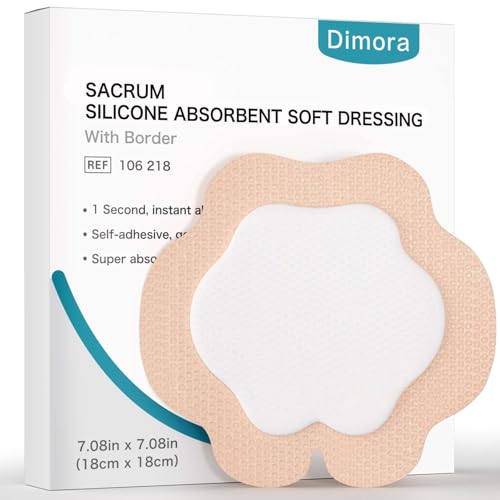
Dimora Sacral Silicone Wound Dressing with Border, 7 x 7 Inches, 10 Count
Taking A Closer Look At The Options
A larger island dressing gives you a more substantial cover than a narrow strip bandage, particularly for a shallow skin tear or a small area needing a sterile dressing. The 3-1/8-by-6-inch rectangle and white polyester nonwoven construction make Smith & Nephew Primapore a practical addition to a home care kit.
Its broad format suits a caregiver managing recurring minor wounds or monitoring a recently treated area. Application deserves a light touch, though, since stretching the dressing can place unnecessary tension on fragile skin.
Strong Points
- The generous rectangular footprint covers more area than standard finger-sized bandages.
- Sterile packaging supports routine use in organized first-aid and home-care kits.
- The nonwoven polyester material is lightweight and easy to keep within reach of daily care supplies.
- Twenty dressings provide a practical supply for repeated dressing changes.
Worth Noting
- Confirm that a full island dressing suits the wound location, since it covers more skin than a standard strip.
Quick Facts
Made For
This dressing best suits caregivers managing small shallow wounds, post-procedure areas, or recurring skin damage where a broad sterile cover is useful.
A Better Fit Elsewhere
Choose Tru-Colour Skin Tone Bandages instead when discreet narrow strips for everyday cuts and scrapes matter more than broad island coverage.
Standard adhesive strips can stand out against darker skin, making a visible bandage an added nuisance during daily activities. Tru-Colour addresses that concern with fabric bandages in a range of skin-tone shades, including beige, olive, dark brown, and brown-black options.
The flexible, latex-free construction suits everyday cuts, scrapes, and minor abrasions where comfortable movement matters. You get a generous mix of sizes, with the quantity distributed across resealable bags for convenient storage.
Standout Benefits
- Multiple tone options help the bandage blend more closely with your skin.
- The flexible fabric bends with fingers, knees, and other moving areas.
- Medium and large sizes cover everything from small cuts to broader scrapes.
- Four resealable bags keep 120 bandages organized and easy to distribute.
Small Caveats
- Select the closest tone carefully, since a mismatched shade will remain noticeable under close inspection.
- The strip format suits minor surface wounds but offers less coverage than a broad island dressing.
Right Fit For
This set works well for anyone who wants discreet, flexible protection for small everyday wounds across several skin tones.
Consider Something Else When
Dimora Silicone Bandage 2×4 is the better fit for a larger wound area that needs a non-stick absorbent pad and gentler adhesive removal.
The nearly square 10 cm format gives you more coverage than the slim Tru-Colour strips while remaining less expansive than the Smith & Nephew Primapore rectangle. Its bordered construction makes ALLEVYN Gentle Border a practical middle ground for smaller wounds managed at home.
You may find this option especially useful where a compact dressing is easier to carry than a larger island pad. The pack of ten keeps supply modest, so it suits occasional care rather than a high-volume dressing routine.
A Strong Showing
- The square 10 cm footprint provides balanced coverage for small to medium areas.
- A bordered format can offer more organized coverage than a basic narrow strip.
- Ten dressings fit neatly into a compact home-care supply arrangement.
Points To Note
- Measure the intended area because the 10 cm square may be more space than a very small cut requires.
- The ten-piece supply is smaller than the bulk quantities offered by Tru-Colour and Dimora.
Feature Snapshot
Who Should Grab It
Choose this dressing for compact home care involving small to medium wounds where a square bordered format feels easier to manage.
Another Choice May Suit
Smith & Nephew Primapore is the better fit when you need a longer 3-1/8-by-6-inch island dressing with 20 sterile units.
Silicone adhesive changes the dressing experience for delicate skin because it is designed to grip the surrounding area rather than the wound itself. Dimora combines that adhesive with a 2-by-4-inch non-woven dressing, giving you a practical balance of coverage, flexibility, and absorbent padding.
Unlike the tone-focused fabric strips, this option is shaped around frequent changes and light drainage. That makes it useful for skin tears, small surgical wounds, cuts, and scrapes requiring regular monitoring.
Practical Pluses
- The silicone adhesive supports gentler removal from fragile surrounding skin.
- A non-stick 1-by-2.4-inch pad cushions the wound and handles light drainage.
- The breathable non-woven backing conforms to body contours during daily movement.
- Twenty-five sterile dressings support a steady replacement routine.
Practical Considerations
- Adhesion is designed for flat, dry skin, so moist or sharply creased areas may need a different format.
- The absorbent pad occupies less of the full dressing than the outer 2-by-4-inch footprint.
Key Product Details
Built With In Mind
This bandage best suits caregivers changing dressings frequently around small tears, surgical wounds, cuts, or scrapes.
Reach For A Different Pick When
Dimora Waterproof Silicone Bandage is the better fit when showering or moisture exposure makes a transparent waterproof barrier more useful.
A shower should not turn a carefully covered wound into a moisture problem. Dimora uses a transparent waterproof film to create that barrier while keeping the underlying pad visible, making it a practical choice for daily wear and travel.
Compared with Dimora Silicone Bandage 2×4, this model adds a larger outer sheet and a wider 2-by-2.4-inch absorbent pad. The silicone adhesive still targets fragile skin, while the flexible film supports use around skin tears, cuts, abrasions, and surgical areas.
Features That Help
- The waterproof film helps protect the covered area during showers and daily activities.
- Transparency lets you check the dressing and surrounding area without removing it.
- The 2-by-2.4-inch non-stick pad provides broader fluid management than the 2×4 model.
- The soft silicone adhesive supports gentler removal during frequent care.
Trade Offs
- The clear film may be less discreet than an opaque fabric bandage.
- The absorbent pad is smaller than the 3.5-by-4-inch outer sheet, so check that its coverage fits the wound area.
Feature Card
Made For
This option suits people who need light drainage management and reliable shower protection for daily wounds or surgical areas.
Where A Sibling Pick Shines
Dimora Large Silicone Bandage is the better fit when breathable non-woven material and a 3-by-4-inch dressing matter more than waterproof film.
Some wounds need more room than a finger strip can provide, but you may prefer a breathable fabric backing to a plastic film. Dimora Large Silicone Bandage answers that middle ground with a 3-by-4-inch non-woven dressing and a central absorbent pad.
The soft silicone adhesive is designed to secure the dressing while limiting pulling during removal. Compared with Dimora Waterproof Silicone Bandage, this option gives you a larger outer footprint but a smaller 1.6-by-2.4-inch pad, making it better suited to dry daily wear than shower protection.
The Practical Payoff
- The 3-by-4-inch backing gives you room for larger cuts, tears, and abrasions.
- The non-stick 1.6-by-2.4-inch pad manages light drainage and cushions the wound.
- Soft non-woven material adapts to movement and permits moisture-vapor exchange.
- The silicone adhesive is intended to support comfortable removal from sensitive skin.
Possible Compromises
- Its absorbent core is smaller than the pad in the 3.5-by-4-inch transparent model.
- Fifteen dressings create a smaller supply than the 25-piece 2×4 option.
The Right Fit
This bandage suits daily care of larger skin tears, abrasions, cuts, and surgical areas where breathable coverage takes priority.
Not Your Match When
Choose Dimora Waterproof Silicone Bandage instead when moisture exposure or a wider absorbent pad drives the decision.
Wounds on the lower back, sacrum, or coccyx can be awkward to cover because sitting and repositioning create pressure across the area. Dimora’s sacral dressing takes a specialized approach with an absorbent center and a wider tail section described as 23% broader for lower-sacral coverage.
This is the most specialized option in the group, aimed at wounds producing moderate to heavy exudate, meaning wound fluid. Its silicone border and 7-by-7-inch shape suit a larger, contoured area rather than a minor finger cut.
Useful Strengths
- The sacral shape is designed to cover the lower sacral and coccyx region.
- A wider tail core helps accommodate sitting, sleeping, and repositioning.
- The absorbent center is intended for wounds with moderate to heavy drainage.
- The silicone border offers gentle adhesion around fragile surrounding skin.
Where It May Fall Short
- The 7-by-7-inch format is excessive for small cuts or narrow areas.
- Ten dressings provide a smaller supply than several strip and general-purpose options.
Core Details
Built With In Mind
This dressing suits caregivers managing larger, draining wounds on the lower back or sacral area where specialized shape and coverage matter.
Swap It Out When
Dimora Large Silicone Bandage is the better choice for general cuts, tears, and abrasions away from the sacral area.
What Matters Most In A Gentle Wound Dressing
Match The Dressing To The Wound
Start with the area rather than the package count. A narrow strip works for a small finger cut, while a square or rectangular dressing suits broader skin damage. The 10 cm ALLEVYN format occupies the middle ground, and the 7-by-7-inch Dimora sacral dressing is reserved for a specialized lower-back area.
Consider Adhesive And Backing Together
Silicone adhesive focuses on gentle removal from sensitive skin, whereas traditional fabric adhesive may offer a different wearing experience. A non-woven backing supports airflow and flexibility, while transparent film adds a waterproof barrier. You may prioritize one feature over another depending on whether the dressing will face moisture, movement, or frequent changes.
Check The Absorbent Pad
An absorbent pad manages light drainage and cushions the covered area. Its size matters more than the outer dressing dimensions: Dimora Silicone Bandage 2×4 has a 1-by-2.4-inch pad, while the 3.5-by-4-inch transparent model carries a larger 2-by-2.4-inch pad. For heavily draining sacral wounds, the specialized 7-by-7-inch option serves a different purpose entirely.
Common Mistakes And Worthwhile Upgrades
Mistakes Worth Dodging
Choosing by adhesive softness alone can leave you with inadequate coverage for a larger wound. You should also compare the dressing footprint with the treatment area and account for movement, moisture, and dressing-change frequency before settling on a format.
What Separates Premium From Basic
Waterproof film, silicone adhesive, and an absorbent center add useful functions rather than cosmetic extras. Paying more can be sensible when moisture exposure or frequent removal makes those features central to safe, comfortable daily care.
Frequently Asked Questions
Are Silicone Bandages Suitable For Elderly Skin?
Dimora’s silicone adhesive options are designed specifically for sensitive and fragile skin. The soft adhesive is intended to secure the dressing while limiting pulling during removal, making the format worth checking for regular dressing changes.
Which Size Is Best For Small Cuts?
A 2-by-4-inch dressing offers a practical middle ground for small cuts, scrapes, and skin tears. Tru-Colour’s narrow strips cover even smaller areas, while the larger Dimora models suit broader wounds.
Do These Dressings Contain Latex?
The listed Dimora dressings are made without latex. That reduces latex exposure, although you should still check the complete product information for individual material sensitivities.
Which Option Works Best During Showering?
Dimora Waterproof Silicone Bandage has a transparent waterproof film designed to create a moisture barrier. Its absorbent pad also handles light drainage, making it more practical for shower exposure than the breathable non-woven choices.
When Is A Sacral Dressing The Right Option?
A sacral dressing is designed for wounds on the lower back, sacrum, or coccyx region. Its broad shape and absorbent tail suit larger draining wounds, but your care team should match the dressing to the wound’s location and fluid level.
Closing Remarks
The best fit is rarely the most specialized option. Tru-Colour handles discreet everyday scrapes, the Dimora 2×4 works for frequent gentle changes, and the transparent model handles shower exposure. Reserve the larger and sacral dressings for wider wounds, substantial drainage, or a lower-back location that needs specialized shape.
