

A 3 p.m. snack break can derail an otherwise careful eating routine, especially when most packaged bars list carbohydrates, fiber, and sweeteners but leave you comparing half the label. People managing diabetes need clear nutrition details, realistic portions, and options that fit between meals, workouts, or busy workdays. The snacks and planning guides below offer different approaches, though none should replace the meal plan or nutrition guidance you already use. Reading labels remains the smartest way to decide which item earns a place in your routine.
The Lineup, Simplified

Gatorade Whey Protein Bars, Chocolate Caramel

SANS Meal Replacement Bars
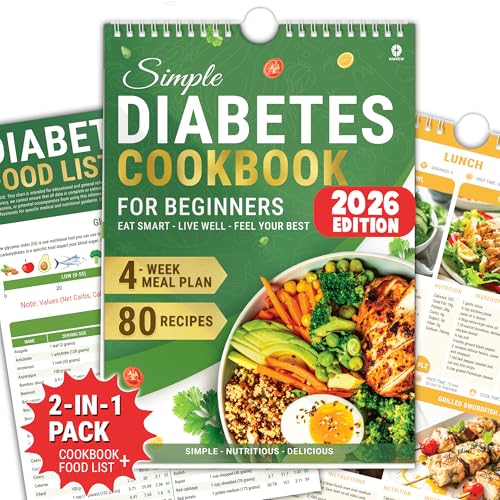
HAMIEW Diabetic Beginner Cookbook

Quaker Chewy Granola Bars

SNICKERS Fun Size Variety Pack

HAMIEW Diabetes Planner, 3 Pack

HAMIEW Diabetes Planner 5-Pack
The Strengths Of Each Pick
Built around the period after a workout, each 2.8-ounce bar provides 20 grams of protein from whey and milk protein. That protein content exceeds SANS Meal Replacement Bars, which supply 14 to 15 grams, making this option more substantial for anyone prioritizing protein after exercise or during a demanding workday.
The carbohydrate side matters just as much. With 42 grams of carbohydrates and 350 calories, this is a substantial recovery snack rather than a light treat, so your own meal plan determines whether that amount works at the time you eat it. Chocolate caramel adds flavor without requiring a separate dessert course.
Real-World Strengths
- Twenty grams of protein per bar support a filling post-exercise snack.
- The pack contains 12 bars for stocking a gym bag or pantry.
- Protein and carbohydrates provide a more substantial combination than a basic granola snack.
- Each serving keeps the calorie and carbohydrate amounts easy to review.
Trade Offs
- Forty-two grams of carbohydrates makes this a poor match for routines centered on smaller carbohydrate portions.
- Chocolate caramel may not suit anyone avoiding dairy or certain sweeteners.
Quick Facts
Who It Suits Best
This bar works well for active adults who want a defined protein-and-carbohydrate snack after exercise or during a long, physically demanding day.
A Better Fit Elsewhere
SANS Meal Replacement Bars offer a more suitable choice when fiber, a shorter ingredient list, and smaller carbohydrate-focused portions matter more than a large protein serving.
A bar built for a missed breakfast or a desk lunch needs more substance than a standard granola snack. SANS combines 14 to 15 grams of protein with 7 to 9 grams of dietary fiber, making it more useful for a planned meal or substantial snack than Gatorade Whey Protein Bars, whose protein comes with a larger carbohydrate amount.
Ingredients include egg whites, nuts, seeds, oats, spinach, and dates, while the formula also supplies 14 vitamins and minerals. The bars are made without gluten, soy, or dairy, giving you a distinct choice when those ingredients are priorities in your own plan.
Features That Help
- Seven to nine grams of fiber give the bars more relevance to a meal-style snack.
- No added sugar supports shoppers comparing sweetness with other products.
- Ten or fewer ingredients make the list unusually short for a meal bar.
- Egg whites, nuts, seeds, oats, spinach, and dates provide varied ingredient sources.
Things To Consider
- The variety pack means you should check each flavor’s label rather than assuming every bar matches exactly.
- A meal-replacement role still depends on the rest of your day and your individual nutrition requirements.
- Nuts and seeds make these unsuitable for anyone avoiding those ingredients.
Feature Snapshot
Made For
These bars suit commuters, office workers, and active adults who want a portable meal-style snack with fiber and a short ingredient list.
Another Choice May Suit
Gatorade Whey Protein Bars are a better fit for people who want 20 grams of protein and a larger carbohydrate serving after demanding exercise.
Learning how meals fit together calls for more than a single grocery list. This cookbook provides 80 recipes alongside a four-week meal plan, giving you a structured starting point instead of asking you to assemble every meal from scratch. That combination makes it more useful for beginners than the chart-centered HAMIEW Diabetes Planner, 3 Pack.
Each recipe includes a nutrition box showing calories, carbohydrates, fiber, and sodium. Those figures turn the cookbook into more than a collection of meals, because you can compare recipes and plan portions with the same information beside each entry. The honest read is that structure helps, but you still need to match the meals to your own routine.
The Value In It
- Four weeks of planning reduce the daily effort of deciding what to cook.
- Eighty recipes provide enough variety to test several meal preferences.
- Nutrition boxes make calories, carbohydrates, fiber, and sodium easier to compare.
Points To Note
- Detailed nutrition figures still require sensible portion decisions to reflect your needs.
- A four-week plan may need adjustment for travel, irregular schedules, or different cooking preferences.
The Right Fit
This cookbook works well for people newly building a diabetes meal routine and wanting recipes, nutrition details, and a month-long schedule in one place.
Look Elsewhere When
HAMIEW Diabetes Planner 5-Pack is a better fit when quick visual food lists, a GI chart, and laminated references matter more than cookbook-style recipes.
A granola bar earns its space in a desk drawer when it stays compact, tastes familiar, and disappears into a busy afternoon. These 0.84-ounce bars come individually wrapped, so you can keep several in a work bag without handling the rest of the pack. The assortment includes nine chocolate chip and nine peanut butter chocolate chip bars.
Each bar contains 9 to 10 grams of whole grains and uses 25 percent less sugar than the regular Quaker Chewy Granola Bar. Compared with SNICKERS Fun Size Variety Pack, this remains a grain-based snack with a lighter profile, although portion and ingredient details still deserve a place in your own planning.
The Helpful Details
- Individual wrapping makes the bars easy to distribute around a desk or travel bag.
- Nine to ten grams of whole grains provide a more substantial grain component.
- Two familiar flavors offer some variety without requiring unfamiliar selections.
- Real chocolate gives the bars a recognizable flavor profile.
Practical Considerations
- The 0.84-ounce portion is smaller than the Gatorade whey option.
- The peanut butter chocolate chip flavor is the wrong choice for anyone avoiding peanuts.
- “Less sugar” is a relative claim, so the complete label still deserves attention.
The Details
Who Will Love This
These bars suit commuters and office workers who value small portions, familiar flavors, and individually wrapped snacks that fit easily into a bag.
Not Your Match When
SANS Meal Replacement Bars offer a better fit for a more substantial snack with 7 to 9 grams of fiber and a broader ingredient profile.
A candy assortment handles a different job from the meal-oriented choices in this lineup. SNICKERS Fun Size Variety Pack is made for sharing during a movie night, casual gathering, or seasonal event, with individually wrapped Original, Peanut Butter, and Almond varieties in a 24.02-ounce bag.
Nothing flashy is required for that job, and the assortment provides a simple way to offer several familiar choices. Compared with Quaker Chewy Granola Bars, however, this is candy rather than a grain-based snack, so it belongs in a deliberate treat routine rather than a diabetes-focused meal plan.
Benefits That Matter
- Individually wrapped pieces simplify serving and sharing.
- The pack includes milk chocolate, peanut butter, and almond varieties.
- The large bag suits gatherings where several small portions are needed.
Less Ideal Details
- This candy is not formulated as a diabetes-oriented nutrition product.
- The variety includes peanuts and almonds, so it does not fit every allergy preference.
- A 24.02-ounce bag offers little control over consumption unless you separate portions in advance.
Built With In Mind
This variety is best suited to households or groups that want individually portioned candy for a social occasion rather than a planned nutrition snack.
Swap It Out When
HAMIEW Diabetic Beginner Cookbook is a better fit when you want structured meals with recipe-level calorie, carbohydrate, fiber, and sodium details.
Standing in a kitchen aisle and trying to remember which foods fit your plan is not much fun. This three-piece diabetes food list and meal planner turns that decision into a visual reference, with more than 100 meal ideas for people who want structure without following a full cookbook.
The format is less recipe-centered than HAMIEW Diabetic Beginner Cookbook and more focused on quick food lists and planning aids. That distinction matters for a newly diagnosed person who may spend less time choosing food and more time learning how the routine works. For some households, a visible reference is easier to use than a long recipe index.
What Stands Out
- More than 100 meal ideas provide a broad starting point for weekly planning.
- The food-list format can shorten decisions during busy grocery trips.
- Three pieces offer a compact way to keep references in several places.
Small Caveats
- Meal ideas alone do not provide the recipe-level nutrition details found in the HAMIEW cookbook.
- You may need to adjust suggested meals to match your own schedule and preferences.
- A three-pack contains fewer reference pieces than the five-pack alternative.
Core Details
Whose Shelf It Belongs On
This planner fits a newly diagnosed adult who wants a visual food list, quick meal ideas, and a simple reference for grocery planning.
Where A Sibling Pick Shines
HAMIEW Diabetes Planner 5-Pack is a better fit for people who want additional reference pieces, a GI chart, and more than 80 recipes.
Visual references solve a different problem from a recipe book. This five-pack combines a diabetes food list, a GI chart, and more than 80 recipes, giving you several ways to review the same planning topic without scrolling through a long collection of recipes. The laminated reference sheet also suits a kitchen wall or cabinet door.
Compared with HAMIEW Diabetes Planner, 3 Pack, this version provides more pieces and a GI chart, so it makes sense for a household that wants references in several rooms. The trade-off is that its chart-led approach offers less recipe-level nutrition detail than HAMIEW Diabetic Beginner Cookbook, which lists calories, carbohydrates, fiber, and sodium beside each meal.
The Good Stuff
- Five reference pieces can be distributed around the home or meal-planning area.
- The GI chart adds a visual tool beyond a basic food list.
- More than 80 recipes give you both meal ideas and preparation guidance.
- The laminated sheet is practical for repeated handling and quick reference.
The Fine Print
- The format centers on charts and lists rather than detailed nutrition boxes for every recipe.
- A fixed visual reference still cannot account for every change in your routine.
Feature Breakdown
Best Suited To
This five-pack suits people who prefer visible food lists, charts, and recipe ideas arranged for quick reference during grocery shopping and meal planning.
Reach For A Different Pick When
HAMIEW Diabetic Beginner Cookbook is the better choice when per-recipe calorie, carbohydrate, fiber, and sodium details matter more than laminated charts.
Building a Snack and Meal Routine That Fits
Start with the full nutrition label
Protein, carbohydrates, fiber, calories, and sweeteners all influence how a snack fits your day. Net carbs, which means total carbohydrate minus fiber, can also help with comparisons, but the full panel remains more useful than that number alone. Compare like with like and avoid choosing a bar merely because “protein” appears prominently on the front.
Match the format to the decision
Post-workout shoppers may prioritize protein and carbohydrates, while commuters often value a bar that travels well and needs little preparation. Meal-style bars offer more fiber and ingredients associated with a fuller snack, whereas candy belongs in a treat routine. Cooking guides suit people who want a full schedule, and visual planners work well for quick grocery decisions.
Check portions and ingredient priorities
A smaller bar may fit a routine that values portion control, while a larger bar can be useful after a demanding workout. Ingredient restrictions deserve equal attention, particularly for dairy, soy, nuts, seeds, or gluten. The right item is the one whose label, portion, and role in your day make sense together.
Making the Right Call Between Snacks and Guides
Common Shopping Slip Ups
A common mistake is treating every bar in this category as interchangeable. Protein bars, granola snacks, candy, cookbooks, and food-list tools solve different problems, so start with the role you want the item to fill. Also check the serving size before comparing totals, because larger bars naturally carry larger amounts.
What The Higher Tier Buys
Higher-priced options in this category often provide more planning materials, recipe detail, or individually wrapped convenience. The upgrade is worthwhile when you will use the extra charts, recipes, or portions regularly. It is harder to justify for an occasional snack, where a smaller pack or basic bar may meet the same need.
Frequently Asked Questions for Bar For Diabetics
Are these bars specifically made for diabetes?
No, the snacks include sports recovery bars, meal replacement bars, granola bars, and candy, so their formulations serve different purposes. Compare each label with your own meal plan and treat the planning guides as organizational aids rather than individualized nutrition prescriptions.
Which option has the most protein?
Gatorade Whey Protein Bars provide 20 grams of protein per bar, while SANS Meal Replacement Bars provide 14 to 15 grams. Gatorade also contains 42 grams of carbohydrates, so its larger protein amount comes with a more substantial carbohydrate serving.
Are meal-planning guides better than snack bars?
Meal-planning guides are better for organizing meals, comparing recipes, and building a weekly routine. Snack bars are more useful for portable portions between meals, and the two can serve different purposes without one replacing the other.
Which pick works best after exercise?
Gatorade Whey Protein Bars offer the most defined protein-and-carbohydrate combination in this group, making them a practical consideration after demanding activity. Their 350 calories and 42 grams of carbohydrates still need to fit the rest of your daily plan.
Which option has the simplest ingredient approach?
SANS Meal Replacement Bars use 10 or fewer nourishing ingredients and are made without gluten, soy, or dairy. They also contain no added sugar, so they stand apart from the granola and candy choices for shoppers who prioritize a short, familiar ingredient list.
Final Verdict
Your best choice depends on the job: Gatorade leads for substantial post-exercise nutrition, SANS offers a fiber-focused meal bar, and Quaker provides compact everyday portions. For structured planning, HAMIEW Diabetic Beginner Cookbook suits recipe detail, while the two planner packs support faster visual decisions. Match the format to your routine, read the label, and keep the role of each item clear.
