

A belly support belt can help you feel more secure during lifting, recovery, long days on your feet, or everyday movement. The right choice depends on where you need support, how much compression you want, and whether you prefer a broad abdominal wrap, a lower-back brace, or a specialized joint support.
The Shortlist At A Glance
Pro Enrichment Sacroiliac Hip SI Belt Gray XL

NeoTech Care Back Brace with Pants Clips and Detachable Suspenders
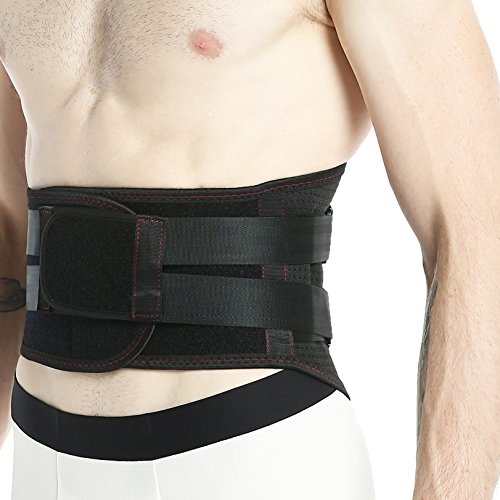
NeoTech Care Back Belt with Double-Pull Straps Black L

Dominion Strength Training 3-Inch Leather Belt
ORTONYX 10-Inch Belly Binder

QEESMEI Postpartum and Post Surgery Belly Band
ORTONYX 6.25-Inch Belly Binder
More On The Choices That Made The List
The sacroiliac joint sits where the spine meets the pelvis, so support in this area can feel different from a broad wrap around the waist. This 50-inch Pro Enrichment belt provides 4.5 inches of width and adjustable compression, making it a practical choice for adults who spend time walking, exercising, or working through pelvic movement.
Unlike the lower-back braces later in this list, this model concentrates on the hip and pelvis. The wraparound construction and secondary straps let you adjust the inward pressure rather than relying on one fixed fit, which can be helpful for daylong wear under or over clothing.
A Few Strong Suits
- The XL size fits 46- to 55-inch hip circumferences, reducing confusion over waist sizing.
- Dual belts and secondary straps provide adjustable compression for different activities.
- Anti-slip strips help the belt remain positioned during movement.
- Breathable, lightweight construction suits extended wear and overnight use.
- A travel bag and clear instructions make storage and setup straightforward.
Practical Considerations
- Measure your hip circumference rather than relying on your trouser size.
- The 4.5-inch width may feel substantial beneath close-fitting clothing.
Feature Snapshot
Who Will Love This
This belt suits adults who need targeted support around the pelvis during active routines or extended wear.
Another Choice May Suit
The NeoTech Care Back Belt with Double-Pull Straps is a better fit for people whose priority is adjustable lower-back compression during lifting.
Back braces can work loose as a workday goes on, especially during repeated bending, lifting, or standing. This NeoTech Care model uses a wraparound base, compression straps, detachable shoulder suspenders, and removable trouser clips to keep its position more consistent while you move.
The pants clips are the most distinctive detail. They secure the brace to your waistband while the suspenders help prevent the upper portion from riding downward, making this design more relevant to active workdays than a basic wrap.
Useful Touches
- Detachable suspenders offer adjustable shoulder support without making them permanent.
- Removable pants clips help keep the brace from shifting upward.
- The base and compression straps create two adjustable sources of support.
- Breathable materials suit longer periods of wear.
Small Caveats
- Several components must be positioned correctly to create a balanced fit.
- Suspenders and clips may interfere with some fitted clothing.
- Size selection depends on the back measurement chart rather than trouser size.
Quick Facts
Made For
This brace is well suited to warehouse, service, or office workers who spend much of the day standing, bending, or carrying equipment.
Where A Sibling Pick Shines
The Pro Enrichment Sacroiliac Hip SI Belt offers a better fit for people seeking support centered around the pelvis and hips.
Lifting support does not have to mean choosing between rigid structure and free movement. This NeoTech Care back belt uses three removable stays, curved metal pieces that reinforce the lower back, plus four crossing straps that can be tightened to your preferred level of compression.
Compared with the NeoTech Care model with suspenders, this version focuses on adjustment around the torso rather than attachment to the waistband. Removing or changing the stays also lets you move between a more structured setup and a lighter everyday configuration.
Points In Its Favor
- Three removable stays let you vary the level of structural support.
- Four crisscross straps create several points for tightening the fit.
- The curved stays follow the lower-back area more closely than flat inserts.
- Breathable, moisture-wicking materials suit active routines.
Things To Consider
- Multiple stays and straps take more time to position than a simple wrap.
- The size must be chosen using the back measurement chart.
- Greater structure may feel unnecessary during light daily activity.
Core Details
Right Fit For
This belt suits lifters and active adults who want adjustable lower-back structure without a fixed stay configuration.
Consider Something Else When
The Dominion Strength Training 3-Inch Leather Belt provides a firmer, simpler option for dedicated weightlifting sessions.
A weightlifting belt serves a different purpose from an everyday abdominal binder. This Dominion model uses 10mm double-ply leather to create firm support around the torso during heavy lifts, while the 3-inch width keeps the contact area more focused than a broad wrap.
The single-prong roller buckle allows quick adjustment between sets, and 11 holes spaced an inch apart provide a useful range of positions. For strength athletes, that practical adjustment may matter more than the softer, more elastic construction found in the ORTONYX options.
Notable Gains
- The double-ply leather provides firm support for demanding lifts.
- Three-inch width suits the region between the hips and lower ribs.
- Eleven precisely spaced holes allow ten inches of adjustment.
- Oil-treated leather is designed to retain flexibility while breaking in.
- The roller buckle permits quick changes between sets.
Where It May Fall Short
- Leather is less suitable for quick changes and light everyday wear.
- Positioning the belt correctly around the torso takes practice.
Built With In Mind
This belt is tailored to powerlifters, competitive strength athletes, and beginners preparing for heavier compound lifts.
Reach For A Different Pick When
The ORTONYX 6.25-Inch Belly Binder is a better choice for people wanting softer abdominal compression rather than a rigid lifting belt.
Broad coverage is the main reason to look at the 10-inch ORTONYX binder. The wider panel wraps across more of the abdomen than the 6.25-inch version, creating a larger surface for compression, which is inward pressure that holds the wrap close to the body.
Elastic material allows the binder to conform to different body shapes, while the plush inner surface adds comfort for direct skin contact. That makes it a sensible option for extended wear, although the substantial width may take practice to position beneath clothing.
Why It Works Well
- The 10-inch width provides broad abdominal coverage.
- Elastic construction flexes with movement instead of remaining rigid.
- The soft inner surface can be worn against bare skin.
- Stretching material accommodates a range of body shapes.
Possible Compromises
- The wide panel may bunch beneath fitted clothing.
- Wrapping a broad elastic panel takes a little more effort.
Important Details
Who Should Grab It
This binder suits adults who prefer broad abdominal coverage and plan to wear it for longer periods.
Skip It When
The ORTONYX 6.25-Inch Belly Binder is easier to conceal and may feel more natural under narrower clothing.
Postpartum and post-surgical support has different priorities from general fitness compression. The QEESMEI belly band is designed for focused support around the abdominal area, with gentle compression intended for postpartum use, including after a C-section.
Its recovery-specific positioning makes it more relevant than a standard weightlifting belt for that stage of life. Compression should remain comfortable, and anyone following post-operative guidance should follow the instructions provided by their healthcare professional rather than treating the band as a substitute for that care.
Everyday Wins
- The wrap focuses compression on the abdominal area.
- The design suits postpartum and C-section support needs.
- Focused coverage is more relevant than heavy lifting structure.
- The simple wrap format suits temporary, targeted use.
Honest Caveats
- Comfort depends on choosing a suitable size and adjustment level.
- Post-surgical use should follow individual care guidance.
Best Suited To
This band suits postpartum adults seeking gentle abdominal support during the stages identified by their healthcare professional.
Look Elsewhere When
The ORTONYX 10-Inch Belly Binder better fits people seeking general-purpose compression during exercise or extended daily wear.
The 6.25-inch ORTONYX binder trades some coverage for a slimmer profile. Compared with the 10-inch version, it covers a narrower section of the abdomen, which can make it easier to wear beneath fitted clothing or during routines where bulk is distracting.
Its elastic construction still follows the body, and the plush inner surface adds comfort for extended wear. For most people, that combination of a lower-profile shape and soft contact makes this the quieter, more discreet option of the two ORTONYX widths.
What It Does Well
- The narrower width fits more discreetly beneath fitted clothing.
- Elastic material stays flexible as the torso moves.
- The plush interior is comfortable against bare skin.
- The wrap conforms to a range of body shapes.
Details To Watch
- Less width provides less coverage than the 10-inch ORTONYX binder.
- Compression levels may need adjustment throughout the day.
Feature Overview
Whose Shelf It Belongs On
This binder suits people who want noticeable abdominal compression without the bulk of a wider wrap.
A Better Fit Elsewhere
The ORTONYX 10-Inch Belly Binder serves people who prioritize broader coverage over a discreet profile.
Matching Support To The Job You Need It For
Start with the area you want to support. A sacroiliac belt centers pressure around the pelvis, a lower-back brace emphasizes the lumbar region, and a weightlifting belt provides firm resistance for heavy lifts. Choosing by body area prevents a general abdominal wrap from being chosen for a job it was not designed to handle.
Compression and fit
Compression is the inward pressure created by a tightened belt. Adjustable compression is useful across workdays, exercise sessions, and recovery periods because the right level can change with clothing, movement, and body position. Measure the body area specified by the maker rather than using trouser size as a substitute.
Material and width
Elastic material favors flexibility and discreet wear, while leather provides firmer structure for strength training. Wider panels cover more of the abdomen, and narrower designs sit more comfortably beneath close-fitting clothes. The best width is the one that delivers the coverage you need without interfering with your clothing or movement.
Intended activity
Recovery bands, workplace braces, and lifting belts serve different purposes. A lifting belt should remain snug during heavy movement, while a daily binder is better judged by comfort and ease of wear. Your activity should determine the construction more than appearance alone.
Common Mistakes Worth Avoiding
Wrong Turns To Avoid
Measuring your waist when the maker specifies hip circumference can produce a poor fit. Avoid selecting by clothing size, since two garments with the same label can fit differently. Test the fit with a light movement first, and adjust the tension gradually instead of fastening it at maximum compression immediately.
What Separates Premium From Basic
A higher-tier belt may add metal stays, wider coverage, detachable components, or firmer materials. Those features matter when you need targeted positioning or substantial support during demanding activity. For light daily wear, a simpler elastic binder may give you everything you need without the extra bulk.
Frequently Asked Questions
Should a belly support belt be worn over or under clothing?
A breathable elastic binder can often be worn against the skin or over a thin layer. A leather lifting belt usually sits over clothing to reduce rubbing, so follow its care and positioning instructions.
How tight should a belly support belt feel?
It should feel secure without restricting breathing, movement, or normal breathing patterns. Compression needs vary by activity, so begin with moderate tension and adjust it according to the maker’s guidance.
Is a wider belly binder better for support?
A wider binder covers more of the abdomen and can feel more substantial during extended wear. A narrower version may sit more discreetly beneath fitted clothing, making it the practical choice when bulk matters more than coverage.
Can a belly support belt be used for weightlifting?
A dedicated lifting belt provides firmer support for heavy lifts than a soft abdominal binder. Choose a wide leather belt with a secure buckle for strength training, and use a brace with removable stays when you want adjustable structure around the lower back.
How should I measure for a support belt?
Use the measurement method specified for the product, such as back or hip circumference. Keep the measuring tape snug without pulling the skin, and compare that number with the size chart before ordering.
Final Thoughts
The right belly support belt matches the body area and activity rather than relying on a one-size-fits-all approach. Targeted pelvic support, adjustable lumbar structure, broad abdominal coverage, and firm lifting support each serve a distinct purpose, so use the measurements and construction to make the final call.
