

A birthing ball has to feel steady under your weight, provide enough grip for changing positions, and remain practical to store between uses. Your height, the surface texture, and the accessories that come with the ball determine which option fits your routine best. These seven options cover everything from guided prenatal courses to compact Pilates kits, with clear differences for labor support, gentle stretching, active sitting, and postpartum exercise.
The Shortlist At A Glance

YOTTOY Anti-Burst Extra Thick Exercise Ball for Yoga and Pregnancy

BABYGO Birthing Ball and Pregnancy Book

Momcozy BirthEase Pregnancy Ball

KEEP 65cm Extra Thick Anti-Burst Birthing Ball for Labor and Postnatal Exercise

Teyva Daily 6-in-1 25.6-Inch Yoga Ball and Pilates Kit with Pump

Vector X 85cm Anti-Burst Exercise Ball with Foot Pump for Yoga and Pilates
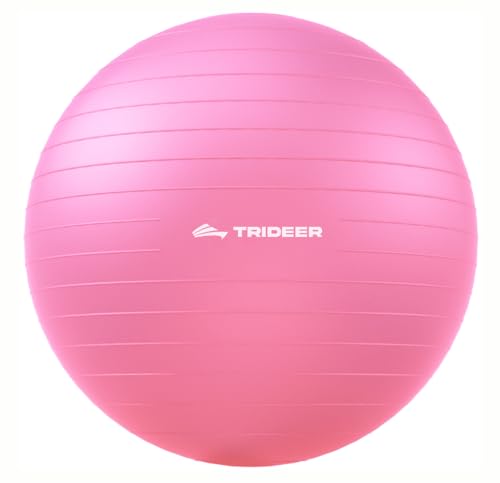
Trideer Yoga Ball with Pump
The Details Behind The Selections
A substantial 2.8 mm wall gives this ball a different feel from the book-led BABYGO option, particularly during prenatal yoga or balance work. The reinforced thread and honeycomb structure are designed to release air gradually after a puncture, which helps prevent the sudden collapse associated with a thinner exercise ball.
For a home routine that changes often, that construction is useful. You can use the ball for gentle stretching, seated balance work, office movement, or postpartum exercise, then fold it down for transport. The textured surface also feels more suitable for sweaty hands than a completely smooth model.
The Good Stuff
- The 2.8 mm wall and reinforced thread create a substantial structure with a stated 2,000 lb load capacity.
- A grippy surface makes seated changes, pelvic tilts, and balance exercises easier to control.
- The included foot pump and fold-flat construction simplify setup and storage between sessions.
Practical Considerations
- An inflated exercise ball still occupies a noticeable floor area, so measure the intended exercise space before ordering.
- Anti-burst construction reduces the consequences of a puncture but does not make the ball immune to sharp objects.
Key Specs
Who It Suits Best
This ball suits prenatal exercisers who want one sturdy option for stretching, seated movement, office use, and general fitness.
Another Choice May Suit
The BABYGO Birthing Ball and Pregnancy Book offers more structured guidance for anyone starting without an exercise plan.
Unlike the YOTTOY ball, which focuses on construction and grip, BABYGO builds its package around instruction. The included 100-page book covers trimester-specific movements, labor positions, pelvic floor work, postpartum routines, and mom-and-baby activities, giving you a clearer place to begin.
That guidance is the deciding feature for a first-time exerciser. You can use the ball for prenatal yoga, balance work, upright labor positions, or seated activity at a desk, with two size choices and several setup accessories included.
What Pays Off
- The full-length book removes the need to search for a basic starter routine after opening the box.
- Two ball sizes make it easier to choose a height that supports your seated posture.
- Textured PVC grips clothing and the floor while remaining easy to wipe down.
Things To Consider
- The 100-page guide adds package volume compared with a ball and pump alone.
- Size matters: the provided guide places 65 cm below 5 feet 10 inches and 75 cm at that height or above.
Feature Snapshot
Made For
This set works well for prenatal exercisers who value organized instruction and want useful guidance without assembling one separately.
Look Elsewhere When
The Momcozy BirthEase Pregnancy Ball may suit you better when video courses and app-based progress tracking matter more than a printed book.
Momcozy takes the guided-experience approach a step further than BABYGO’s printed book. Its app includes progressive courses created by maternal movement specialists, with stages spanning preconception through postpartum activity and videos designed for straightforward home practice.
For someone who benefits from visible technique cues, that screen-based instruction can be more useful than a list of exercises. A reinforced base, textured surface, and included foot pump support everyday positioning, while the floral finish gives the ball a softer appearance in a nursery or living area.
What Works In Its Favor
- Stage-based courses make it easier to select movement suited to the current phase of your routine.
- Progress tracking and community features add structure without requiring a separate class schedule.
- The reinforced base supports seated balance, and the foot pump simplifies initial inflation.
Where It May Fall Short
- The app becomes an ongoing part of the experience, so access to the courses requires a compatible device and setup.
- The stated 330 lb support limit is a practical fit check for users and intended activities.
Right Fit For
This option fits prenatal exercisers who prefer video demonstrations, progressive plans, and progress tracking over a printed guide.
A Better Fit Elsewhere
The BABYGO Birthing Ball and Pregnancy Book is the more convenient choice when you want a physical guide that works without an app.
The KEEP ball shifts the emphasis from texture to comfort. Its smooth, matte surface creates less friction against bare skin and clothing than the ribbed or heavily textured designs from Vector X and Trideer, which can feel useful during slow rolling and position changes.
The 65 cm format also serves as a familiar reference for prenatal stretching and seated movement. You receive a pump and measuring tape, along with a two-stage inflation process that helps the material settle before reaching its final size.
Where It Helps
- The smooth surface reduces rubbing during seated labor positions, stretching, and gentle bouncing.
- Its wipe-clean finish suits shared rooms, postnatal exercise, and frequent changes of use.
Minor Gripes
- A smooth surface offers less tactile grip than YOTTOY’s textured design during vigorous exercise.
- The initial 80% inflation and two-to-three-day settling period require a little more setup time.
Quick Facts
Best Suited To
This ball suits prenatal exercisers who place skin comfort and low-friction movement above a pronounced grip texture.
Consider Something Else When
The YOTTOY Anti-Burst Extra Thick Exercise Ball offers more textured grip for perspiring hands and faster-changing workouts.
A single birthing ball rarely covers an entire home exercise routine, and this set adds the missing pieces. It combines a 25.6-inch stability ball with a 9.8-inch mini ball, two high-density foam blocks, a stretching strap, and a foot pump, so you can build a small Pilates station without buying each accessory separately.
Compared with KEEP’s focused 65 cm ball, Teyva Daily is better suited to stretching and varied floor work. The large ball supports balance and posture exercises, while the smaller ball adds options for core and inner-thigh movements that a full-size ball cannot provide.
Benefits That Matter
- Two ball sizes support different body positioning during prenatal, postnatal, Pilates, and rehabilitation routines.
- Foam blocks and a stretching strap reduce the need for separate props during a home session.
- The complete kit stores in one coordinated set, which suits compact home gyms.
Practical Considerations
- The large ball may need periodic re-inflation to maintain its full shape after the first use.
- Two inflated balls require more floor and storage space than a single-ball set.
- The large ball has a stated 330 lb support limit, so check it against your intended use.
Feature Breakdown
Built With In Mind
This kit suits beginners building a compact home Pilates space who want more than one ball and several supporting props.
Where A Sibling Pick Shines
The KEEP 65cm Extra Thick Anti-Burst Birthing Ball is the simpler choice for prenatal stretching and labor positioning without extra equipment.
At 85 cm, this Vector X ball trades compact handling for a broad exercise surface and more pronounced ribbed grip. The horizontal ribs add control when you hold the ball during weighted movements, stretch, or balance work, and the included foot pump keeps initial setup manageable.
You can also use it for Pilates, yoga, thoracic mobility, and low-impact prenatal movement. Compared with the 65 cm KEEP model, it is a more substantial piece of exercise equipment, which may feel more stable during larger movements but requires more room at home.
Useful Touches
- Horizontal ribs improve hand control during weighted exercises and supported balance work.
- The foot pump makes the 85 cm size easier to inflate without an electric pump.
Things To Weigh
- The 85 cm diameter takes up more floor and storage space than the KEEP 65 cm ball.
- Its ribbed rubber surface may feel less smooth against sensitive skin than KEEP’s matte finish.
Who Will Love This
This ball suits yoga and Pilates users who want a large exercise surface with visible grip for stability-focused movements.
Swap It Out When
The Trideer Yoga Ball with Pump offers a simpler setup for users who want a non-slip surface without a book or app-based routine.
The Trideer option keeps the package uncomplicated: a striped, frosted exercise ball and an inflation pump. That makes it a sensible first choice for prenatal stretching, seated balance, and general fitness without adding a book, digital course, or collection of exercise props.
Its non-slip stripes increase friction against both skin and the floor, while the gradual air-release design provides a softer response after a puncture. For someone comparing it with the Vector X ball, the main difference is simplicity rather than a substantial change in core function.
The Value In It
- The frosted, striped surface improves control during seated balance and gentle movement.
- The included pump supplies the one accessory required for basic setup.
Some Limits To Know
- The stated 330 lb support limit should match your body weight and intended activity.
- It offers no printed exercise guide or app-based instruction, so a separate plan may help beginners.
- Keep the ball clear of sharp objects even though its puncture response is designed to release air gradually.
Essential Details
The Right Fit
This ball suits prenatal exercisers who want a straightforward, grippy option and already have a comfortable movement routine.
Reach For A Different Pick When
The BABYGO Birthing Ball and Pregnancy Book offers more help for anyone learning prenatal exercises without an established plan.
What Matters Most Before You Buy
Ball Size And Seated Position
Size affects how comfortably you can use the ball. BABYGO provides the clearest guide: 65 cm suits people below 5 feet 10 inches, while 75 cm suits those at that height or above. With your hips slightly above your knees and feet planted, you can adjust the inflation as needed and confirm that the position feels stable.
Surface Texture And Movement
A textured surface offers more friction for changing position or exercising with sweaty hands. A smooth, matte surface reduces rubbing against skin and clothing and is easier to wipe down. Your movement style matters more than texture alone, because either design can work for slow prenatal stretching or seated labor positions.
Wall Structure And Included Accessories
Anti-burst construction slows the loss of air after a puncture, but the ball still needs protection from sharp objects. Check the stated load capacity, included pump, storage needs, and any guidance or app access. A detailed course suits a guided routine, while a printed book is easier to use without a screen. A multi-piece Pilates kit makes sense for building a broader home exercise space.
How The Practical Differences Shape Your Choice
Mistakes Worth Dodging
Don’t choose by appearance alone, since a smooth ball may not provide the grip you want and a textured ball can feel harsh against sensitive skin. Measure your available space, check the load limit, and confirm the size guidance before ordering. A large exercise ball also needs a safe inflation area and a storage plan that does not block the room.
What Separates Premium From Basic
The higher-priced options tend to add guidance, stronger construction, or extra equipment. That spending makes sense when you need a structured routine or a complete Pilates setup. A straightforward ball with a pump may be enough for basic stretching and balance work, so paying for extras is optional rather than essential.
Frequently Asked Questions
What size birthing ball should you choose?
For BABYGO, the 65 cm ball suits people below 5 feet 10 inches, while 75 cm suits those at that height or above. Your hips should sit slightly above your knees with your feet flat when seated.
Is a textured or smooth surface better?
A textured surface provides more friction for grip during active movement. A smooth surface reduces friction against skin and clothing, which may feel more comfortable for slow rolling, stretching, and labor positioning.
Are anti-burst birthing balls punctureproof?
No. Anti-burst construction is designed to release air gradually after a puncture rather than bursting suddenly, but sharp objects can still damage the material.
Can you use a birthing ball after giving birth?
Several options support postpartum activities, including gentle core work, pelvic floor exercises, stretching, and active sitting. Choose a size and inflation level that let you move comfortably, and follow individualized guidance from your care team.
What accessories come with a birthing ball?
A foot pump is the most common included accessory. Some sets also add a pregnancy book, exercise blocks, a stretching strap, a mini ball, or app-based courses.
Final Verdict
Your priorities should lead the choice: size for comfortable positioning, texture for control, and extras for the kind of routine you want. BABYGO offers the most structured printed guidance, Momcozy focuses on app-led courses, KEEP emphasizes skin comfort, and Teyva Daily creates a broader Pilates kit. Choose the option that matches your space, movement style, and experience level, then set it up in a clear area with room around the ball.
