

A bottle that feels comfortable to your baby can still be awkward to handle, clean, or coordinate with nursing. The right choice depends on nipple flow, bottle material, venting, capacity, and how many bottles your daily routine needs, so these options cover newborn feeds, combination feeding, travel, and diaper-bag preparedness. One entry is a nail-care essential rather than a feeding vessel, but it belongs in the same preparation kit.
The Essentials At A Glance

Philips Avent PPSU Bottles

Philips Avent SCY903/23 9 oz 3-Pack

Dr. Brown’s Options+ 8 oz
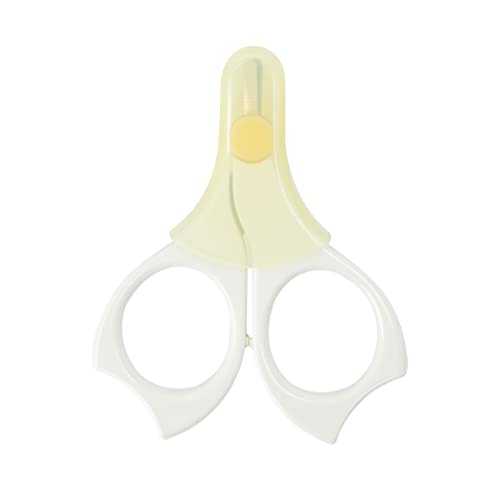
Pigeon Baby Nail Scissors
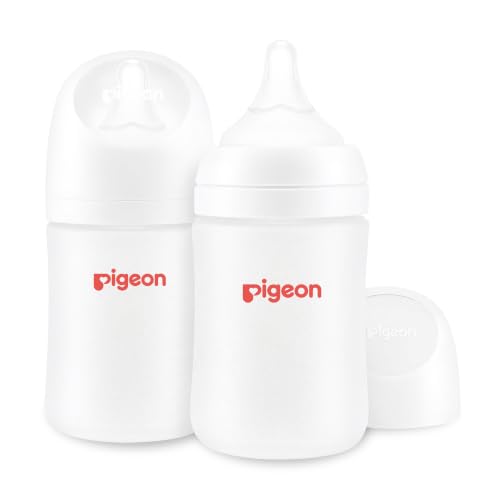
Pigeon Silicone Bottles 5 oz

Pigeon PP Wide-Neck 5 oz Bottles

Thyseed Anti-Colic Glass Bottle, 5 oz, Extra Slow Flow
Why These Options Stand Out
PPSU is a heat-resistant plastic that offers a glass-like appearance with less weight than glass. That balance makes the Philips Avent PPSU Bottles appealing for caregivers who want a substantial bottle without the weight of a traditional glass vessel. Two 9-ounce bottles provide a practical starting size for many feeding routines.
The Natural Response nipple is designed around the idea that your baby controls milk release by sucking, pausing, and breathing. Compared with the polypropylene-focused Philips Avent SCY903/23 9 oz 3-Pack, this set uses a different bottle material but keeps a similar breast-to-bottle feeding concept. The medium Flow 3 nipple and no-drip design make it a sensible fit for established medium-flow feeders.
Features That Help
- The soft, breast-shaped nipple supports a familiar latch during combination feeding.
- The integrated anti-colic valve is intended to keep air away from the milk.
- Flow 3 nipples suit babies already comfortable with a medium feeding pace.
- Two 9-ounce bottles cover routine feeds while limiting washing and drying.
Trade Offs
- Medium flow may not suit a newborn who needs a slower pace.
- The two-bottle set gives you fewer rotation options than the three-pack.
Key Specs
Who It Suits Best
You benefit most from these bottles when your baby uses a medium-flow nipple and you value a lightweight, heat-resistant material for everyday handling.
Where Another Pick Suits Better
Choose the Philips Avent SCY903/23 9 oz 3-Pack instead when keeping three washed bottles ready matters more than PPSU construction.
Three blue 9-ounce bottles make this Philips Avent set easy to rotate through a busy day. While one bottle is being washed, the others remain available for home feeds, daycare, or a relative’s house. Polypropylene is a lighter, less expensive material than the PPSU used in the Philips Avent PPSU Bottles, with the trade-off being a different feel and weight in your hand.
The ultra-soft Natural Response nipple is shaped to encourage a breast-like latch, while the venting system is designed to reduce air intake. Dishwasher and microwave compatibility simplify cleanup and warming during a hectic nighttime routine. Nothing here is flashy, but that is exactly what makes the set practical for regular use.
Useful Strengths
- Three bottles reduce the need to wash immediately after every feed.
- The angled bottle shape supports comfortable handling during feeding.
- Dishwasher and microwave compatibility streamline routine cleanup.
Small Caveats
- Three bottles require more storage and washing space than a smaller set.
Feature Facts
Made For
This set fits caregivers who want several 9-ounce bottles available without handling a heavier PPSU set.
Another Choice May Suit
The Philips Avent PPSU Bottles offer a better fit for you when heat-resistant PPSU construction matters more than having three bottles in blue.
The Dr. Brown’s Options+ 8 oz centers on a different venting approach from the Philips Avent PPSU Bottles. Instead of placing the valve near the nipple, it uses an internal vent system intended to keep air away from the milk. That configuration suits caregivers whose main concern is consistent flow with less swallowed air.
Its breast-like nipple shape supports a familiar latch, which is useful during a planned transition between nursing and bottle feeding. The 8-ounce capacity falls between a small newborn bottle and a larger 9-ounce option, though the one-bottle pack means you will need more than one unit for a full rotation.
Useful Touches
- The internal vent system is designed to separate air from milk.
- The vent and silicone nipple work together to support a steady flow.
- The breast-like shape may make transitions between feeding methods easier.
- The narrow 8-ounce format offers a middle ground for routine portions.
- The internal system keeps more of the bottle’s structure beneath the nipple.
Practical Considerations
- Only one bottle is included, so a rotating setup needs additional units.
- The vent system adds internal parts that require more attention during cleaning.
- The 8-ounce size may offer less room than 9-ounce bottles for larger routine feeds.
Right Fit For
You may find this bottle especially suitable when consistent flow and an internal vent system are the priorities for your feeding setup.
Reach For A Different Pick When
The Thyseed Anti-Colic Glass Bottle, 5 oz, Extra Slow Flow better fits caregivers seeking a smaller glass bottle with an extra-slow-flow nipple.
Unlike the feeding vessels above, these Pigeon Baby Nail Scissors handle a separate newborn-care task. A newborn’s tiny, shifting hands make stability important, and the rounded tip is designed to reduce the chance of accidental skin contact during trimming.
The large round opening gives your fingers a fixed position rather than leaving you to balance a narrow handle. It is a small addition to a diaper bag, but one that many caregivers prepare before the first few weeks at home. The covered blade also makes storage more orderly than leaving an uncovered tool loose in a drawer.
Points In Its Favor
- Rounded blade tips support careful trimming around tiny nails.
- The finger hole provides a more stable grip than a flat handle.
- The attached cover protects the blades during storage.
Details To Watch
- This is a grooming tool, so it does not replace any bottle-feeding item.
- The cover needs to remain securely in place inside a diaper bag.
Quick Facts
Built With In Mind
These scissors suit caregivers preparing a compact newborn-care kit for home, travel, or relatives who may help with diaper changes.
Consider Something Else When
The Pigeon Silicone Bottles 5 oz are the better choice for a feeding-vessel need, while these scissors complement rather than replace a bottle.
These Pigeon bottles pair glass with a silicone exterior coating and a wide neck that makes washing easier to reach. The five-ounce capacity suits smaller feeds, while the streamlined body sits comfortably in one hand. Compared with the Philips Avent PPSU Bottles, you get a heavier glass core and a more protective outer surface rather than a single plastic shell.
The Stage 1 nipple is made from soft, flexible silicone, a rubber-like material designed to move with a baby’s tongue and mouth. Its latching curve is intended to help guide the mouth into position. Two bottles offer a small rotation, and the wide opening becomes especially useful during the nightly wash-up.
Good Reasons To Consider
- The silicone coating adds grip and protection around the glass bottle.
- The wide neck provides easier access during cleaning.
- The Stage 1 nipple is shaped for babies from birth.
- A five-ounce capacity works well for smaller routine portions.
Possible Compromises
- Two bottles provide a shorter rotation than the four-pack Pigeon option.
- The glass construction weighs more than an all-plastic bottle.
Technical Highlights
Who Will Love This
This pair fits caregivers who want a smaller bottle, a wide cleaning opening, and a soft Stage 1 nipple for early feeding routines.
Where A Sibling Pick Shines
The Philips Avent PPSU Bottles offer a lighter alternative for you when carrying a glass bottle or using a 9-ounce capacity is inconvenient.
Four five-ounce bottles create a ready rotation without taking on the weight of glass. The PP label identifies polypropylene, a common plastic used for lightweight containers, and the wide neck supports easier hand access during cleaning. That makes this Pigeon set a practical home setup for caregivers who prefer several bottles within easy reach.
Its soft silicone nipple uses a curved latching shape to support positioning, drawing from research on natural feeding movements. Compared with the Pigeon Silicone Bottles 5 oz, you trade the glass core and silicone-coated body for lighter polypropylene construction and twice as many bottles in the pack.
Real Benefits
- Four bottles keep a full rotation available at home or daycare.
- Polypropylene construction keeps the bottles light in your hand.
- The wide neck makes the interior easier to reach when cleaning.
Room For Improvement
- The four-bottle set needs more drying and storage space than a two-pack.
- Five-ounce bottles may require multiple feeds for some babies.
Whose Shelf It Belongs On
This four-pack suits caregivers building a dedicated home feeding station with multiple lightweight, five-ounce bottles.
Not Your Match When
The Pigeon Silicone Bottles 5 oz suit you better when a glass body and silicone-coated exterior take priority over keeping four bottles ready.
The Thyseed Anti-Colic Glass Bottle, 5 oz, Extra Slow Flow is designed around a newborn feeding pace and a smaller five-ounce volume. Its extra-slow-flow nipple uses multiple micro-openings to create a more even release, which may feel easier for a baby still adjusting to bottle feeding. The glass body gives it a substantial feel without hiding the feed inside a colorful plastic shell.
A base vent separates air from the milk near the bottom of the bottle, rather than relying on a valve close to the nipple as the Philips Avent PPSU Bottles do. The single-bottle pack limits your rotation, so you may want another bottle for practical home use. Even so, the slow-flow and base-vent combination is a clear fit for newborn-focused setups.
Key Advantages
- The extra-slow-flow nipple gives you a gentler starting pace.
- Multiple nipple openings support a smoother, more even release.
- The base vent is designed to reduce bubbles and swallowed air.
- The five-ounce glass body suits smaller routine portions.
Where It May Fall Short
- Only one bottle is included, so a practical rotation needs another unit.
- The extra-slow flow may be slower than your baby needs as feeding progresses.
Important Details
The Right Fit
You benefit most from this bottle when a newborn-paced flow, five-ounce capacity, and glass body suit your early feeding setup.
Swap It Out When
The Dr. Brown’s Options+ 8 oz is the better fit for caregivers who want a larger capacity and an internal vent system instead of a base vent.
What Matters Before You Pick a Bottle
Material changes the daily feel
Glass feels substantial and can carry heat, while PPSU and polypropylene are lighter plastics. Consider the weight, cleaning routine, and storage space in your home. A glass option works well for stationary use, while lighter plastic can be easier to carry in a diaper bag or childcare tote.
Nipple pace should match the baby
A slow-flow nipple offers a gentler starting pace, while medium flow suits babies already comfortable feeding at a faster rate. The shape and flexibility also matter during breast-to-bottle transitions. Observe the latch, sucking rhythm, and your baby’s response rather than choosing by label alone.
Venting and capacity affect routine
An internal or base vent is designed to keep air away from milk, which can be useful for caregivers focused on reducing swallowed air. Bottle capacity determines how many refills a routine may require, while pack size controls how many bottles you can rotate through. Match both factors to the space available for washing and drying.
Key Details That Change the Choice
Mistakes Worth Dodging
Choosing by appearance alone can leave you overlooking nipple pace, bottle width, and cleaning access. Check that the nipple stage suits your baby, and confirm the bottle fits your existing washer or preparation routine. Buying one bottle without considering rotation may also leave a busy feeding station without enough clean options.
What Separates Premium From Basic
Higher-cost bottles often use PPSU or glass, refined venting systems, or breast-shaped nipple designs. Those features matter most for combination feeding, frequent use, or repeated handling. A simple polypropylene set remains sensible for a straightforward home setup, especially when a larger pack provides more value.
Frequently Asked Questions
What size bottle is best for a newborn?
A 5-ounce bottle offers a smaller starting volume, while 8- and 9-ounce bottles can simplify later routine feeds. Your baby’s portions and feeding pattern matter more than the label alone.
Should a newborn bottle have a slow-flow nipple?
An extra-slow or Stage 1 nipple can be a sensible starting point for a newborn. Watch your baby’s sucking and pausing behavior to determine whether the pace remains comfortable.
Are glass baby bottles easier to clean?
Glass does not absorb odors or scratch as easily as some plastics, but it is heavier and requires more careful handling. Wide-neck designs can make the interior easier to reach during washing.
What is an anti-colic bottle?
An anti-colic bottle uses venting or valve placement to help keep air away from milk during feeding. The design may suit caregivers whose priority is reducing swallowed air.
Can a bottle help with breast-to-bottle transitions?
A breast-shaped, flexible nipple may make the transition feel more familiar. Combination feeding also depends on timing, your baby’s latch, and how consistently each feeding method is introduced.
Final Verdict
Your best bottle is the one that matches nipple pace, capacity, material, and cleaning space to your actual routine. Combination-feeding households may favor the Philips Avent PPSU Bottles, while a four-bottle home setup favors the Pigeon PP Wide-Neck 5 oz Bottles. Newborn-focused caregivers can compare the slower Thyseed option with Pigeon’s wider-neck choices and make the decision from the routine, not the packaging.
