

A new feeding routine can be tricky when every tiny detail affects how comfortably your baby drinks. Bottle shape, nipple flow, venting, and cleaning routines all play a role, especially during the first months at home. The right nipple can make feeds feel more predictable, while a poor match may lead to leaking, excessive air, or a pace that frustrates your baby. These picks cover standard-neck bottles, pump-compatible containers, MAM systems, and transitional feeding kits so you can choose based on your actual setup.
The Shortlist At A Glance

nfant Standard Flow Bottle Nipples (9 ml/min), White 4-Pack

nfant Slow Flow Bottle Nipples (6 ml/min), Purple 4-Pack

nfant Flow Selection Kit (Extreme Slow to 2X, 6-27 ml/min) 4-Pack

Motif Medical Luna Slow Flow Nipples, Set of 2
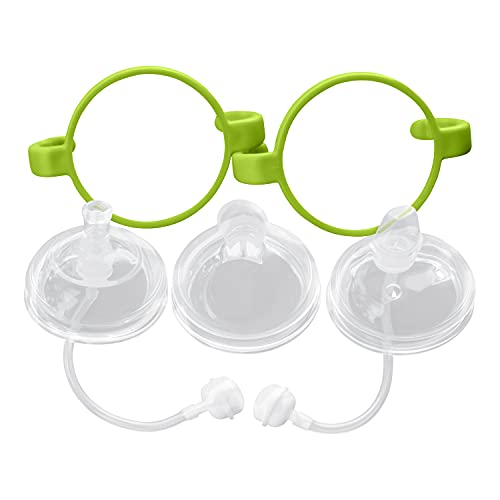
ANPEI Weaning and Transitional Kit for Comotomo Bottles

MAM Extra Slow Flow Nipples Size 0 and Anti-Colic Valves, 2 Count

Thyseed Anti-Colic Glass Baby Bottle with Extra Slow Flow Nipple, 5 oz
A Deeper Look At The Lineup
Standard flow at 9 ml per minute gives this nfant set a practical place in a regular bottle-feeding routine. It suits your baby better once a standard pace feels comfortable, rather than serving as the gentlest starting flow.
The broad bottle compatibility is the bigger attraction. Each nipple is individually packaged, ready for use, and made from silicone, while self-venting construction helps manage trapped air without adding a separate vent system.
The Case For It
- Works with many standard-neck bottles, ready-to-feed nursery containers, and breast milk storage bottles.
- Self-venting construction helps limit air buildup and nipple collapse during ordinary feeds.
- Individual packaging keeps unused nipples clean and ready for later rotations.
- The optional Thrive Tracker app can help you organize feedings and review your baby’s pattern.
Things To Consider
- The 9 ml/min rate may be quicker than a newborn needs, so watch your baby’s sucking and feeding cues.
- Check your bottle model before ordering, particularly with Enfamil’s redesigned ready-to-use 2 oz bottles, which are not compatible.
Key Specs
Made For
You benefit most from these nipples when your baby handles standard flow and your home setup includes standard-neck or ready-to-feed bottles.
A Better Fit Elsewhere
The nfant Slow Flow Bottle Nipples are a better fit when a newborn needs a slower 6 ml/min pace.
A 6 ml/min rate gives this purple nfant set a slower starting point for a newborn who is still learning the rhythm of bottle feeding. The measured pace differs from the standard-flow version, making it easier to compare without changing your bottle system.
For home use, the self-venting silicone design handles air and leakage concerns more neatly than a basic unvented nipple. Screw the ring on gently because overtightening can distort the seal, cause leakage, or compress the nipple.
Good Reasons To Consider
- Slow flow offers a manageable pace for babies who struggle with faster delivery.
- Broad compatibility covers many standard-neck bottles, nursery containers, and milk storage bottles.
- Silicone construction and individual packaging suit straightforward daily rotations.
- Thrive Tracker provides optional support for recording and reviewing feeding sessions.
Small Caveats
- The fixed flow rate may eventually feel too slow as your baby develops a stronger feeding pace.
- You must confirm compatibility with your exact bottle, particularly redesigned Enfamil 2 oz ready-to-use containers.
Quick Facts
Right Fit For
These nipples suit you when your newborn feeds slowly, uses standard-neck bottles, and benefits from a measured flow rate.
Consider Something Else When
The nfant Flow Selection Kit is a stronger choice when you want to test several rates rather than commit to one flow.
Rather than guessing between one fixed rate, this nfant kit lets you move through four flow levels spanning 6 to 27 ml per minute. That range is useful during the early months because your baby’s pace can change as feeding skills develop.
The familiar standard-neck fit makes this a practical way to identify a comfortable rate without replacing the entire bottle collection. Each self-venting silicone nipple is individually packaged, so you can keep the unused options clean until needed.
Features That Help
- Four flow levels let you move gradually as your baby changes feeding pace.
- Extreme slow through 2X gives you a practical range without changing bottle brands.
- Compatibility with many hospital nursery and standard-neck bottles reduces setup guesswork.
- The optional feeding tracker helps document patterns across different flow rates.
Points To Note
- You need to observe your baby’s feeding behavior to determine which rate works best.
- The redesigned Enfamil 2 oz ready-to-use bottle remains outside the listed compatibility range.
Built With In Mind
This kit fits you best when your baby’s feeding pace is still changing and you want several realistic starting points.
Another Choice May Suit
Choose the nfant Slow Flow Bottle Nipples instead when you already know that 6 ml/min suits your baby.
These Luna nipples serve a specific home-feeding situation: bottle-feeding expressed milk from a container designed for the Motif Luna system. Their slow flow offers a gentler pace, while the set of two gives you a clean spare during frequent use.
Silicone construction and dishwasher-safe handling simplify cleanup after pumping sessions. The narrow compatibility means you should check your container before making this your main nipple choice, even though the product fits naturally into a pumping-centered routine.
Strong Points
- Slow flow suits babies receiving expressed milk through a Luna-compatible container.
- Two nipples provide a practical clean spare for everyday pumping schedules.
- Dishwasher-safe silicone makes regular cleaning less cumbersome.
Where It May Fall Short
- Compatibility is centered on Luna breast pump milk containers rather than a broad bottle range.
- You need two nipples for a full replacement rotation, which may matter for a larger setup.
Core Details
Who It Suits Best
You benefit most from these nipples when you use Motif Luna milk containers for regular bottle-feeding sessions.
Look Elsewhere When
The nfant Flow Selection Kit is a better fit for a varied collection of standard-neck bottles and several flow rates.
This kit addresses a later stage of feeding rather than the newborn bottle-feeding problem itself. It fits Comotomo 5 oz and 8 oz bottles, then supplies a squeeze spoon, soft sippy nipple, straw nipple, and two angled straw options for a gradual transition.
For a home already using Comotomo bottles, that progression can reduce the need to introduce several unfamiliar products at once. The bottle is not included, and the feeding stages begin at 4 months for the spoon, 6 months for the soft sippy, and 9 months for straw drinking.
Useful Touches
- Combines four feeding formats with two co-feeding handles and cleaning brushes.
- Stage guidance helps you introduce spoon, sippy, and straw feeding in sequence.
- Food-grade silicone parts are dishwasher-safe and heat resistant to 120°C.
- Materials are made without BPA, phthalates, latex, or lead.
Less Ideal Details
- The kit only fits Comotomo 5 oz and 8 oz bottles, and no bottle is included.
- Its earliest stage begins at 4 months, so it does not suit a newborn’s bottle routine.
Made For
You benefit most from this set when you already own compatible Comotomo bottles and are preparing for the next feeding stage.
Skip It When
The MAM Extra Slow Flow Nipples are a better fit for a newborn feeding directly through a MAM bottle.
The MAM set centers on a flat, symmetrical Size 0 nipple designed around a newborn’s small mouth. Its extra slow flow supports a steady pace, while the matching valve uses venting to reduce bubbles inside the bottle system.
Both pieces fit MAM feeding equipment, making this a coherent choice for a household already using the brand. The included valve and wide bottle openings support cleaning, although the set includes two nipples rather than a larger rotation.
A Few Highlights
- Extra slow delivery gives newborns a measured feeding pace.
- The flat, symmetrical mouthpiece reflects MAM’s breastfeeding-oriented design approach.
- The vent is designed to limit air bubbles and keep the nipple from collapsing.
- Wide bottle openings improve access when cleaning the valve.
- Both the nipple and replacement valve are made for MAM bottles.
Trade Offs
- You need a MAM bottle or another listed MAM feeding container for compatibility.
- Two nipples and one valve provide a small set for households with several bottles in rotation.
Feature Snapshot
Perfect Match For
You benefit most from this set when your newborn uses MAM bottles and needs an extra slow, system-compatible nipple.
Where A Sibling Pick Shines
The nfant Standard Flow Bottle Nipples fit more varied bottle brands once your baby is ready for a 9 ml/min pace.
A complete glass bottle changes the decision from “Which nipple fits?” to “Which bottle-and-nipple setup should I use?” The 5 oz Thyseed bottle includes an extra slow newborn nipple, making it a straightforward choice for a fresh feeding setup.
Its base vent is designed to separate air from milk, while multiple micro-openings in the nipple produce a steadier delivery. For a breastfed baby moving toward bottle feeding, the breast-like flow and paced nipple may feel more familiar than a wide open spout.
A Strong Showing
- Combines a 5 oz glass bottle with an extra slow newborn nipple in one package.
- Multiple micro-openings support smoother, more even milk delivery.
- The base vent is intended to reduce bubbles and swallowed air during feeds.
- Glass construction suits families seeking a complete single-bottle setup.
Practical Considerations
- You are buying a complete bottle rather than a replacement nipple for an existing system.
- The extra slow rate may eventually need replacing as your baby develops a faster pace.
Technical Highlights
Who Will Love This
You benefit most from this bottle when you want a complete glass setup with an extra slow nipple for a breastfed newborn.
Reach For A Different Pick When
The nfant Flow Selection Kit is a better fit when you need to compare several flow rates using bottles you already own.
What Matters Before You Choose A Newborn Nipple
Start With The Bottle Thread
Nipple compatibility begins with the bottle’s neck and threading, not the brand name alone. Standard-neck options work with many bottles, while the MAM Extra Slow Flow Nipples and Motif Medical Luna Slow Flow Nipples are tied to specific systems. Confirm the model and size before ordering, especially with ready-to-feed nursery bottles.
Match The Flow To Your Baby
A slower flow gives a newborn more time to coordinate sucking and swallowing, while a faster rate may suit a baby whose feeding skills have developed. The nfant 6 ml/min nipples provide a measured slow pace, whereas the 27 ml/min end of the selection kit is intended for a later stage. Watch your baby’s cues rather than treating a printed rate as a universal rule.
Look At Venting And Cleaning
A vent manages air inside the bottle, which can help reduce bubbling, leakage, and nipple collapse. Self-venting nfant nipples, the MAM valve system, and the Thyseed base vent approach that problem in different ways. Dishwasher-safe silicone and wide cleaning openings also matter during the daily cleanup routine.
Account For The Next Stage
A newborn nipple may work today but become less suitable as feeding changes. The ANPEI kit handles a later transition from bottle feeding to spoon, sippy, and straw stages, while replacement nipples are more practical for an established bottle system. A complete bottle-and-nipple set also makes sense when you are starting from scratch.
Practical Checks Before You Order
Mistakes Worth Dodging
Do not judge compatibility by bottle capacity alone, since thread shape and system design can vary. Avoid selecting a flow rate from appearance or color, and tighten the nipple ring gently because excessive pressure can cause leakage or collapse. Check whether the package includes a bottle before planning your purchase.
What The Extra Spend Can Add
A higher-priced option may provide several flow rates, a complete glass bottle, extra replacement parts, or a broader compatibility range. Those additions help when your setup is changing quickly, but a simple single-flow set remains sensible when your bottle and feeding routine are already established.
Frequently Asked Questions
What flow rate is best for a newborn?
A slower nipple, such as 6 ml/min or an extra slow Size 0 design, often gives a newborn more time to coordinate sucking and swallowing. Your baby’s behavior remains the best guide, since some babies manage a faster pace than others.
Are vented nipples easier for babies with gas?
Venting can help manage air inside the bottle and reduce unwanted bubbling during feeding. It does not change every feeding issue, so you should also check the nipple seal, bottle angle, and your baby’s cues.
How do I stop a bottle nipple from collapsing?
Overtightening can restrict the nipple’s venting path and contribute to collapse or leakage. Loosen the ring slightly, check that the nipple is seated correctly, and make sure the venting system is unobstructed.
Can these nipples work with breast milk storage bottles?
The nfant nipples are designed to fit many standard bottles and breast milk storage containers. Compatibility still depends on the actual neck and threading, so compare your container with the listed bottle models before ordering.
Should I buy a bottle or replacement nipples?
Buy a complete bottle when you are starting a new feeding setup, such as the Thyseed 5 oz bottle with an extra slow nipple. Replacement nipples are more economical when your bottles already fit the selected system and your baby only needs a different flow level.
Final Thoughts
The best match starts with your actual bottles, followed by the flow rate your baby handles comfortably. A slow nfant nipple offers broad compatibility, the MAM set supports a complete system, and the Thyseed bottle provides a ready-made glass setup. Check compatibility, observe your baby’s pace, and choose the simplest option that fits your home routine.
