

A bottle that feels different from the breast can leave a breastfed baby struggling to latch, especially during a switch to combination feeding. You need a familiar nipple shape, a controlled flow, and a design that limits air, without making cleanup more complicated than the rest of your feeding routine.
The shortlist below covers bottles for newborns, breastfed babies, and families managing expressed milk. It also includes a sippy option for the later move away from bottle feeding, with clear differences in material, flow, capacity, and storage convenience.
How The Shortlist Stacks Up
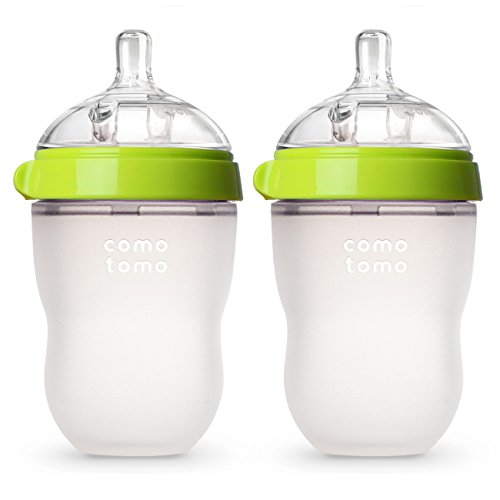
Comotomo 8oz Green Baby Bottle

Medela 5 oz Slow Flow Bottles, 3-Pack

Dr. Brown’s 8 oz Narrow Sippy Bottles

thyseed 5 oz Anti-Colic Glass Bottle, Extra Slow Flow

thyseed 8 oz Anti-Colic Glass Bottle, Slow Flow, 2-Pack

thyseed 8 oz PPSU Anti-Colic Bottle, Slow Flow Nipple
thyseed 5 oz PPSU Anti-Colic Bottle, Extra Slow Flow Nipple
A Closer Look At Each Pick
For a breastfed baby meeting a bottle for the first time, nipple shape can matter more than decorative extras. The Comotomo 8oz Green Baby Bottle uses a broad, breast-like mound and soft silicone body, giving the baby a surface that feels closer to nursing than a conventional narrow bottle.
You may find the squeeze-and-collapse body easy to control during feeds, though the transition still takes patience. Among this shortlist, its most noticeable strength is the familiar shape for families primarily concerned with nipple confusion.
Advantages To Know
- The wide mound supports a more breast-like latch.
- Soft silicone feels gentle against a baby’s hands and mouth.
- The wide neck makes the interior easier to reach during cleaning.
- Internal vents help maintain a steadier milk flow.
- Two bottles provide a practical rotation at home or on the road.
Things To Consider
- The 8oz capacity may exceed what a very young baby finishes in one feed.
- The wide opening takes more space than a standard narrow-neck bottle.
Quick Facts
Made For
You need a familiar feeding shape most when a breastfed baby is beginning bottle feeds or alternating between breast and bottle.
A Better Fit Elsewhere
Medela 5 oz Slow Flow Bottles suit you better when the priority is a compact 5oz size, expressed-milk storage, and travel caps.
A small feeding bottle becomes much more useful when it can also hold expressed milk. The Medela 5 oz Slow Flow Bottles include silicone teats, a collar, a flat disc, and a travel cap, letting the same container move from feeding to storage or transport.
Compared with the broad Comotomo design, this set favors a traditional bottle shape and a smaller 5oz capacity. The trade-off is less breast-like construction, but you gain a compact feeding and storage system for outings or daycare.
Why It Works Well
- Each bottle includes a slow-flow silicone teat.
- The interchangeable caps support storage and travel.
- Three bottles give you a practical rotation for expressed milk.
Points To Note
- The 5oz size may need several fills for a larger feeding.
- Cleaning several components takes more steps than washing one integrated silicone body.
- Check your existing equipment before relying on pump or nipple compatibility.
Feature Snapshot
Right Fit For
You benefit most from this set when expressed-milk storage, travel, and feeding in the same compact container matter equally.
Where A Sibling Pick Shines
Comotomo 8oz Green Baby Bottle serves you better when a soft, breast-like nipple shape takes priority over integrated storage caps.
Nipple confusion usually becomes less important once a baby starts learning to drink from a spout. At that stage, Dr. Brown’s 8 oz Narrow Sippy Bottles provide a familiar 8oz bottle format with a soft silicone sippy spout in place of the standard nipple.
The snap-on cap protects the drinking surface during travel, while the narrow format remains useful in diaper bags and cupboards. This is a later-stage option rather than a first choice for a newborn working through breast-to-bottle feeding.
Key Advantages
- The soft spout gives babies a gentler surface for learning to sip.
- The familiar narrow bottle format eases the move toward cup drinking.
- A protective cap helps keep the spout covered while traveling.
- Dishwasher and sterilizer compatibility simplify routine cleaning.
Room For Improvement
- The vent system must be removed to fit the sippy spout.
- Its 8oz size is less useful for babies taking small newborn portions.
Who It Suits Best
You need this option once your child is ready to leave bottle nipples behind and begin practicing with a spout.
Consider Something Else When
thyseed 5 oz Anti-Colic Glass Bottle, Extra Slow Flow suits you better when a newborn’s first bottle should resemble the breast.
A newborn who rejects a fast stream needs a bottle that controls the pace more carefully than a standard nipple. The thyseed 5 oz Anti-Colic Glass Bottle combines a breast-like extra-slow-flow nipple with a base vent designed to keep air away from the milk.
Glass provides a firm, substantial body, and the 5oz capacity keeps early portions manageable. Compared with the squeezable Comotomo, this option feels more rigid in your hand, but it offers a more specific flow system for breastfed newborns.
Strengths Worth Knowing
- Extra-slow flow suits newborns who need a gentle pace.
- The breast-like shape supports familiar positioning at the breast.
- Multiple tiny nipple openings distribute milk more evenly.
- The base vent is intended to reduce swallowed air during feeds.
Small Caveats
- Glass is heavier than silicone or PPSU during a long feeding.
- The 5oz size may not hold a full feed for an older baby.
The Details
Built With In Mind
You benefit most from this bottle when your newborn is breastfed, uses combination feeding, and responds better to a slow nipple flow.
Another Choice May Suit
thyseed 5 oz PPSU Anti-Colic Bottle, Extra Slow Flow Nipple suits you better when you want a similar flow design in a lighter bottle body.
As a breastfed baby grows, a 5oz bottle can become too small for some feeds. The thyseed 8 oz Anti-Colic Glass Bottle, Slow Flow, 2-Pack keeps the familiar breast-like approach while offering a larger 8oz capacity and slow-flow nipple.
The two-bottle format is useful for keeping one bottle clean while the other is in use, though that convenience matters less in a household with only one child. Unlike the extra-slow newborn bottle, this model appears better matched to a baby ready for somewhat more volume.
Useful Touches
- The 8oz capacity reduces the need for multiple small bottles.
- A slow nipple supports a measured feeding pace.
- Two bottles simplify rotation through daily feeds.
Worth Bearing In Mind
- Glass adds weight compared with the PPSU options.
- Slow flow may be insufficient once a baby moves to larger feeds.
- The 3m+ marking is a useful age guide, but your baby’s pace remains the deciding factor.
Made For
You need this pair when your growing breastfed baby needs an 8oz bottle and you want two units ready for regular rotation.
Reach For A Different Pick When
thyseed 8 oz PPSU Anti-Colic Bottle, Slow Flow Nipple suits you better when lighter construction matters during long or frequent feeds.

Combination feeding places more emphasis on a stable latch and a flow that responds to sucking. The thyseed 8 oz PPSU Anti-Colic Bottle, Slow Flow Nipple pairs a soft breast-like nipple with a base vent intended to keep bubbles out of the milk.
PPSU, a durable plastic, makes this bottle lighter than the glass alternatives while retaining a similar 8oz capacity. You give up the heft and visible contents of glass, but gain a bottle that may feel more manageable during repeated feeds.
What Makes Sense
- The soft nipple supports a natural latch for breastfed babies.
- Milk releases in response to active sucking for paced feeding.
- The base vent is designed to reduce air intake and burping.
- The 8oz capacity suits a growing combination-fed baby.
- PPSU provides a lighter alternative to glass.
Points To Keep In Mind
- Only one bottle is included, so you may want a separate feeding rotation.
- The slow-flow nipple may not suit a baby already accustomed to a faster delivery.
Feature Facts
Who Should Grab It
You benefit most from this bottle when your 3- to 6-month-old combines nursing with bottle feeds and needs a lighter 8oz option.
Swap It Out When
thyseed 5 oz Anti-Colic Glass Bottle, Extra Slow Flow suits you better when a newborn needs a smaller bottle and the firm feel of glass.
Some newborns accept a bottle shape but struggle with the speed of the milk. The thyseed 5 oz PPSU Anti-Colic Bottle, Extra Slow Flow Nipple responds to that specific problem with a 5oz body, an extra-slow nipple, and a base vent designed to reduce air in the feed.
It offers the same 5oz portability as the glass version without the heavier body, although plastic changes the look and feel in your hand. This makes it a sensible option for combination feeding once you have decided that a slow-flow system fits your baby.
Real-World Strengths
- Extra-slow flow gives newborns a gentler delivery pace.
- The 5oz bottle stays compact for diaper-bag use.
- PPSU keeps the bottle lighter than glass.
Where It May Fall Short
- The smaller capacity may require additional bottles for a larger feed.
- Only one bottle is included in the set.
Essential Details
The Right Fit
You need this bottle when your newborn uses combination feeding and responds better to a slow pace in a compact, lightweight bottle.
Look Elsewhere When
Medela 5 oz Slow Flow Bottles suit you better when feeding, refrigerated storage, and travel-cap convenience are your main priorities.
What Matters Before Your Baby’s Bottle Choice
Nipple shape and flow
A breast-like nipple can make the first bottle feed feel more familiar, but shape alone does not determine acceptance. Flow matters just as much: a newborn rejecting a bottle may need a slower pace, while an older baby may become frustrated with an extra-slow nipple.
Bottle material and handling
Glass feels substantial and shows the remaining milk clearly, but it weighs more than silicone or PPSU. Silicone is soft and easy to squeeze, while PPSU offers a lighter plastic body suited to frequent handling.
Capacity and feeding routine
A 5oz bottle suits smaller portions and compact outings, while 8oz bottles reduce refills for babies with larger appetites. Multi-bottle sets also help with rotation, particularly when one bottle is washed, stored, or already in use.
Lessons That Prevent Costly Bottle Changes
Mistakes Worth Dodging
Choosing by appearance alone can leave out the factor that matters most: flow rate. Check the nipple level, bottle volume, and your baby’s current feeding stage together, and preserve the bottle shape and flow your baby already accepts.
What Separates Premium From Basic
Higher-end bottles typically invest in flow control, vent placement, nipple shaping, and material finish. The added cost is more useful when your baby needs a specific flow system or you value a lighter, clearer, or more substantial bottle body.
Frequently Asked Questions
What bottle shape helps reduce nipple confusion?
A wide, breast-like nipple shape can make bottle feeding feel more familiar to a breastfed baby. The baby’s flow preference, latch, age, and feeding pace also influence how easily the transition goes.
Are slow-flow bottles suitable for newborns?
Extra-slow and slow-flow nipples are designed for younger babies or smaller feeds. Watch your baby’s sucking, breathing, and feeding cues, and speak with your pediatric care professional about persistent feeding concerns.
Is glass or PPSU better for bottle feeding?
Glass offers a firm body and clear visibility of the milk, while PPSU is lighter for repeated handling. Your cleaning routine, grip, storage space, and how often the bottle travels can guide the choice.
How many bottles does a feeding rotation need?
The practical number depends on feeding frequency, washing time, and storage space. Two bottles support a simple rotation, while a three-bottle set gives you more flexibility for daycare, travel, or expressed milk.
Can the same bottle store expressed milk?
Bottles with compatible screw-on caps can often transition from feeding to refrigerated storage. Confirm that the cap, collar, and bottle are intended for that use before transferring milk.
Final Verdict
For a newborn struggling with a fast or unfamiliar nipple, prioritize a breast-like shape and the correct flow rate before decorative features. Comotomo offers the most familiar soft design, while the thyseed choices provide more specific options across extra-slow, slow, 5oz, and 8oz formats. Let your baby’s feeding behavior guide the final choice.
