

A six-ounce bottle that leaves your baby gulping, crying, and dealing with trapped air can turn feeding into a frustrating guessing game. The right system matches your baby’s pace, feeding method, and the cleanup routine that fits your home. This shortlist also includes probiotic drops for families addressing recurring digestive discomfort from another angle.
How The Shortlist Stacks Up
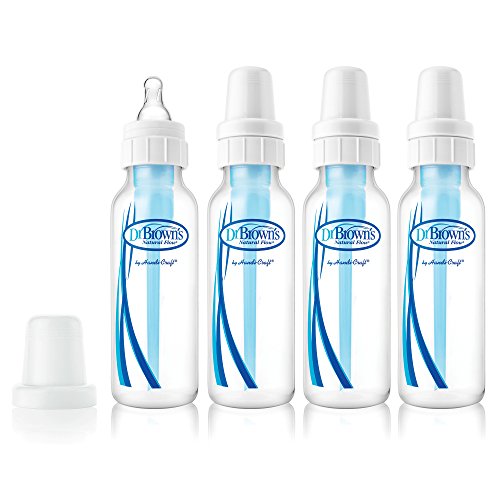
Dr. Brown’s Original 8 oz Bottle

Dr. Brown’s Options+ Wide-Neck 9 oz

BioGaia Immune Active Drops

Dr. Brown’s Glass Options+ 8 oz

BioGaia Baby Probiotic Drops

BioGaia Baby Drops + Vitamin D

Thyseed Anti-Colic Glass Bottle 5 oz
The Details Behind The Selections
The Original bottle puts the internal vent system at the center of feeding. The manufacturer reports clinical evidence that venting can reduce colic, spit-up, burping, and gas, which makes it a logical fit for your baby if trapped air accompanies each bottle.
Its Level 1 slow-flow nipple and soft silicone construction suit newborns and breastfed babies moving toward bottles. The honest catch is that the vent creates another part to clean, so routine maintenance matters.
Everyday Perks
- The internal vent addresses air ingestion at the source rather than relying on a different bottle shape.
- Consistent Level 1 flow gives you a repeatable starting point for bottle introductions.
- Four 8-ounce bottles provide a practical rotation for home, childcare, and travel.
Things To Consider
- The vent system contains several components that need thorough cleaning after feeds.
- Check compatibility with your breast-pump setup before buying, as only “most” pumps are listed.
Key Specs
Made For
Breastfed parents introducing bottles to a newborn or younger infant benefit most from the slow-flow design and familiar latch shape.
Another Choice May Suit
Choose Dr. Brown’s Options+ Wide-Neck 9 oz when a larger bottle and removable vent better match your baby’s portions and feeding stage.
The Options+ bottle carries forward the same venting approach as the Original while giving your baby room to grow. Its removable internal vent is the key distinction: leave it in place for the anti-colic design, then remove it as your baby’s feeding develops.
Compared with the 8-ounce Original, this wider 9-ounce format suits larger portions and a four-bottle rotation. In a busy nursery, the breast-like nipple and steady flow can make transitions between breast and bottle feel more familiar.
What Stands Out
- The removable vent allows one bottle to cover changing feeding stages without a complete system change.
- A wide neck gives you more room for filling and cleaning.
- The vent-based design is stated to reduce colic symptoms, gas, spit-up, and burping.
- Four bottles support regular rotation between feeding, washing, and drying.
Trade Offs
- Removing the vent reduces the feature responsible for the bottle’s anti-colic positioning.
- The 9-ounce capacity may be more than you need for smaller portions, particularly early in the day.
At A Glance
Right Fit For
Parents of babies taking larger feeds or preparing for a longer bottle-feeding stage get the most value from the removable system.
Where A Sibling Pick Shines
Dr. Brown’s Glass Options+ 8 oz is the stronger option for households that prefer glass and favor a narrower neck.
BioGaia Immune Active Drops take a different approach from the bottles in this list. Instead of changing airflow during a feed, the product supplies a daily probiotic and vitamin D combination intended to support digestive regularity and immune-system function.
The listing describes use from the first day of life and offers 5 mL or 10 mL options. That makes it relevant for parents dealing with recurring gas, spit-up, constipation, diarrhea, or general tummy discomfort alongside their baby’s regular feeding routine.
A Strong Showing
- Combines a probiotic with vitamin D in one daily liquid format.
- Supports both digestive regularity and immune-system function according to the listing.
- Available in 5 mL and 10 mL sizes for different routine lengths.
- The liquid format avoids preparing a separate powder mixture.
Points To Keep In Mind
- This is a supplement rather than a bottle, so it does not alter nipple flow or venting.
- Daily use means the bottle size and serving count should align with how consistently you plan to administer it.
- Review the vitamin D label alongside any other supplements your baby receives.
Who Will Love This
Parents seeking a combined probiotic and vitamin D routine for digestive and immune support will find the dual formula practical.
Consider Something Else When
BioGaia Baby Probiotic Drops offer a more focused choice for families primarily concerned with colic, gas, and feeding-related digestive discomfort.
Glass changes the feel of the Options+ system, but the anti-colic reasoning stays familiar. The internal vent is described as clinically studied for reducing colic, burping, spit-up, and gas, which gives the bottle a clear purpose during unsettled feeds.
Compared with the Options+ Wide-Neck 9 oz, this narrow glass version comes in a two-bottle pack with an 8-ounce capacity. Borosilicate glass is designed to tolerate hot and cold temperatures and gradual temperature changes, making it appealing for households that prefer glass over other bottle materials.
Everyday Advantages
- Borosilicate glass provides a material choice that many caregivers prefer for routine bottle use.
- The internal vent targets swallowed air at the feeding stage rather than after a feed begins.
- An 8-ounce size offers a practical middle ground for many feeding routines.
- Two bottles provide enough stock for rotation and travel.
Small Caveats
- Glass typically demands more careful handling than a lighter bottle during drops and travel.
- A two-bottle pack offers a smaller rotation than the four-bottle Options+ set.
Feature Snapshot
Built With In Mind
Households prioritizing a glass bottle, narrow neck, and moderate capacity will find this combination especially relevant.
Not Your Match When
Dr. Brown’s Options+ Wide-Neck 9 oz is a better fit when a larger capacity, wider opening, and four-bottle rotation matter more.
These drops concentrate on the digestive symptoms that often accompany colic, gas, spit-up, constipation, and diarrhea. The product listing says the probiotic works in the digestive system to ease occasional discomfort, making it a complementary option when feeding symptoms remain the central concern.
Your baby’s feeding method does not narrow the audience: the product is described for breastfed, bottle-fed, and mixed-fed babies from the first day of life. The 5 mL format keeps the routine compact, especially during diaper changes and nighttime care.
Advantages To Know
- Targets several recurring digestive complaints in one daily product.
- Works alongside breast, bottle, and mixed feeding routines.
- The 5 mL bottle offers a compact option for travel and nighttime organization.
Things That May Matter
- A probiotic does not change airflow or feeding pace, so it cannot replace a well-fitted bottle.
- Daily administration is a commitment to consider before adding another step to your routine.
Quick Facts
Who Should Grab It
Parents focused on recurring gas, spit-up, or constipation across any feeding method will find this format straightforward to add.
Reach For A Different Pick When
BioGaia Immune Active Drops fit better when adding vitamin D and broader immune support is part of your daily plan.
The 10 mL BioGaia formula pairs its baby-focused probiotic with vitamin D, bringing two daily supplement goals into one liquid product. The listing positions it for colic-related fussiness, gas, spit-up, and occasional digestive irregularity in babies from their first day.
With 50 servings listed, this format looks more practical for a sustained routine than a very small travel bottle. Compared with BioGaia Baby Probiotic Drops, the key addition is vitamin D, so your family should account for any separate vitamin D supplement before using both.
The Upside
- Combines a daily probiotic with vitamin D in one measured drop.
- The listing states support for colic, gas, spit-up, constipation, and diarrhea.
- A 10 mL bottle with 50 listed servings reduces the need for frequent replenishment.
- Suitable for breastfed, bottle-fed, and mixed-fed infants according to the product details.
Less-Strong Areas
- Vitamin D content makes label coordination important if your baby already receives a separate supplement.
- The larger bottle is less compact than the 5 mL format when space or overnight portability is the priority.
- Like other drops, it addresses digestive support rather than bottle venting or flow.
The Right Fit
Families seeking one daily product for probiotic use and vitamin D intake get the most practical fit from this larger format.
Swap It Out When
BioGaia Baby Probiotic Drops are the better travel option when vitamin D is already covered and a smaller bottle matters more.
Thyseed takes a compact approach to newborn bottle feeding, pairing a 5-ounce glass body with a breast-like extra-slow-flow nipple. The base vent separates air from milk, according to the product details, while multiple tiny nipple openings create a more even flow intended to reduce gulping and frustration.
Compared with Dr. Brown’s Glass Options+ 8 oz, the Thyseed bottle is smaller and uses a base vent rather than an internal tube. The listing points to published research, making the design worth considering for breastfed infants who need a small bottle and particularly gentle flow.
The Good Stuff
- The 5-ounce size suits small feeds and keeps the bottle compact for a diaper bag.
- Extra-slow flow gives breastfed newborns a gentler transition to bottle feeding.
- A base vent separates air from milk to reduce bubbles and swallowed air.
- Multiple micro-openings support a smoother, more consistent milk flow.
Possible Compromises
- The 5-ounce capacity may require more frequent refills for babies who drink larger portions.
- Extra-slow flow can become less suitable as a baby’s feeding pace develops.
- A one-bottle pack leaves little margin for keeping a spare bottle nearby.
Core Details
Made For
Breastfed parents of newborns who favor a small bottle and very slow milk flow will appreciate this focused design.
Look Elsewhere When
Dr. Brown’s Glass Options+ 8 oz is the better fit when larger portions, a removable internal vent, and a two-bottle rotation suit your household better.
What Matters Most in an Anti-Colic Feeding System
The Vent Comes Before the Bottle Shape
An anti-colic vent is designed to keep air from collecting in the milk as your baby drinks. That matters during feeds because swallowed air can contribute to gas, burping, and general fussiness, although every baby responds differently. The Dr. Brown’s bottles use internal vents, while Thyseed places its vent near the base, so compare the mechanism rather than treating every vented design as interchangeable.
Nipple Flow Controls the Pace
A slower flow can give a newborn more time to coordinate sucking, swallowing, and breathing. Dr. Brown’s Original includes a Level 1 slow-flow nipple, while Thyseed uses an extra-slow breast-like nipple for smaller, gentler feeds. Check your baby’s pace and feeding cues before moving to a faster flow.
Capacity and Cleaning Need To Fit Your Routine
An 8-ounce or 9-ounce bottle may suit larger feeds, while a 5-ounce bottle works well for smaller portions and compact travel bags. Wide-neck bottles are easier to reach inside, while narrow and glass options can feel more familiar in some homes. Remember that vented systems have additional components to wash, and glass requires more careful handling.
Bottles and Drops Solve Different Problems
A bottle controls airflow, nipple flow, and feed volume. Probiotic drops support the digestive side of the routine but do not change the mechanics of feeding. Some families use both, while others prefer to address the bottle design first, so your decision should follow the problem you notice most often.
Buying Details That Matter
Mistakes Worth Dodging
Choosing by the word “anti-colic” alone can leave the important differences hidden. Compare vent placement, nipple flow, capacity, and the number of parts you need to clean before adding anything to your routine. For drops, read the serving directions, ingredients, and age guidance carefully, especially when your baby already receives another vitamin or probiotic.
What Separates Premium From Basic
The more elaborate bottle systems add internal venting, shaped nipples, wider openings, or glass construction. Those features matter when air management, latch, cleaning access, or material preference drives your decision. A simpler option can be more sensible when your baby feeds comfortably and your main need is a straightforward, consistently flowing bottle.
Frequently Asked Questions
Are anti-colic bottles suitable for breastfed babies?
Yes, many anti-colic bottles include breast-like nipple shapes designed for babies moving between breast and bottle feeding. Dr. Brown’s Original and Thyseed both emphasize softer or slower flow for that transition.
What is the difference between an internal vent and a base vent?
An internal vent runs through the bottle, while a base vent works near the bottom to separate air from the milk. Both aim to reduce the air a baby swallows, but you should follow each system’s assembly and cleaning instructions.
Can probiotic drops replace an anti-colic bottle?
No, probiotic drops and anti-colic bottles address different parts of the routine. Drops support digestive function, while a vented bottle manages airflow and the pace of milk delivery.
Is a slow-flow nipple easier for a newborn to manage?
It is designed to deliver milk more gradually, which can suit babies who need extra time during feeding. Watch your baby’s cues and consult your pediatric clinician if feeding remains difficult or irregular.
Should you choose glass or another bottle material?
Glass suits households that prefer it and can handle it carefully, while other materials may offer lighter handling. Compare bottle weight, cleaning, break resistance, and your baby’s feeding volume before deciding.
Closing Thoughts
The most useful choice depends on what is actually difficult at the feeding table. A vented bottle addresses airflow and flow, a smaller glass bottle favors compact newborn feeds, and probiotic drops support the digestive side of the routine. Match the design to the symptom, check the parts and portions, and give your baby time to adjust.
